REVIEW · HOI AN
Hoi An: Rural Cycling Tour to Village with Basket Boat Ride
Book on GetYourGuide →Operated by Momo Travel Limited Company · Bookable on GetYourGuide
A countryside bike ride outside Hoi An is pure slow travel. This 3-hour loop takes you through rice-field lanes, past village scenes like water buffalo, and into the Tra Que Vegetable Village for hands-on herb and vegetable life. You also get a herbal tea pause and a real peek at how food grows in the area.
The best part is the mix: cycling is easy and scenic, then the day ends with a 40-minute basket boat ride through coconut-lined waterways. One thing to plan for: the tour runs rain or shine, and you’ll need to meet at the street address yourself since there’s no hotel pickup.
In This Review
- Key things I’d circle before you book
- Why This Hoi An Rural Cycling Tour Feels Different From the Town Center
- The 3-Hour Route: Meeting at Tran Phu and Getting Out to the Countryside
- Rice Fields and Village Life: What You’ll See and How You Fit In
- Tra Que Vegetable Village: Herbs, Vegetables, and a Real Farming Workshop Feel
- A Local Market Stop That Helps You Understand Daily Hoi An
- The 40-Minute Basket Boat Ride: Coconut Waterways and a Calmer Ending
- Guide Factor: Why Kun, Nhat, Hoang (and Other Hosts) Make the Difference
- Price and Value: What $27 Really Buys You in This Half-Day
- Who This Tour Fits Best (And Who Might Want to Skip It)
- What to Bring and How to Prepare for Rain or Shine
- Possible Downsides to Keep It Real
- Should You Book This Hoi An Rural Cycling and Basket Boat Tour?
- FAQ
- How long is the Hoi An rural cycling tour?
- How much does the tour cost?
- Where do I meet the guide?
- Do they pick you up from your hotel?
- Is the tour okay if I’m not a regular cyclist?
- What’s included in the price?
- What’s the main boat experience?
- What should I bring?
- Does the tour run in bad weather?
- Is there a way to cancel or pay later?
Key things I’d circle before you book
- Flat, segmented riding that works even if you’re not a regular cyclist
- Tra Que Vegetable Village with herbs, vegetables, and activity time (plus herbal tea)
- Rice cultivation experiences like meeting farmers and getting a chance to participate
- Local market visit for everyday Hoi An sights and sounds
- Quiet coconut-forest boat ride for photos and a calmer pace than the typical spots
Why This Hoi An Rural Cycling Tour Feels Different From the Town Center
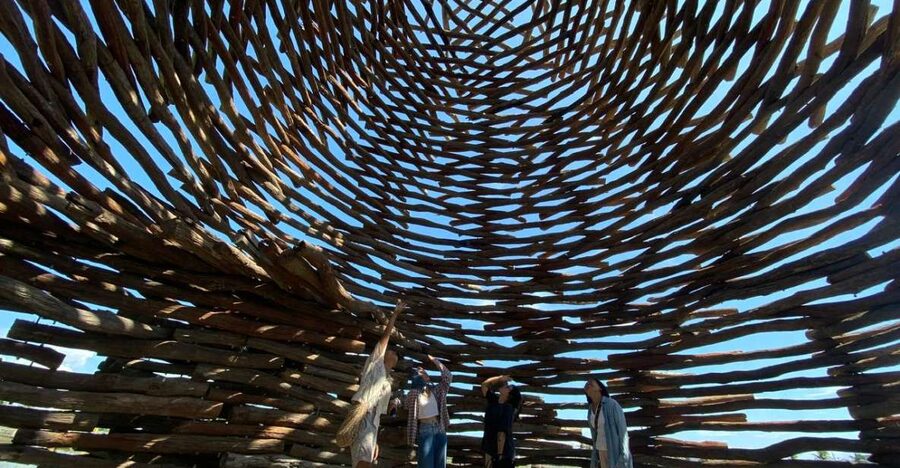
Hoi An’s Ancient Town gets most of the attention, but rural Hoi An tells a different story. On this tour, you spend your energy where the scenery actually changes: narrow roads, rice paddies, and waterways that feel like they belong to another rhythm of Vietnam.
I like that the day is built around daily life, not just sightseeing checklists. You’re on a bike for the countryside parts, then on a small boat in the water network—two angles on the same region. It makes the area feel big in a good way, without turning your day into a long slog.
The price also makes sense for what’s included. For $27 per person, you’re getting a bicycle, a guide, entry to Tra Que, herbal tea, a market stop, and a boat ride—so you’re not constantly paying extra along the way.
You can also read our reviews of more tours and experiences in Hoi An.


The 3-Hour Route: Meeting at Tran Phu and Getting Out to the Countryside
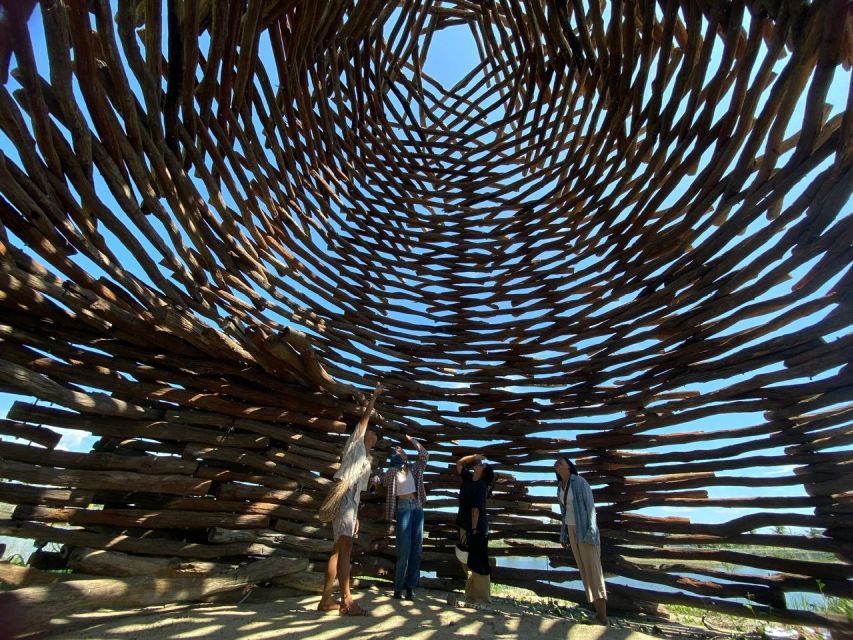
Your morning starts at 77 Tran Phu street, in front of Quan Thang Ancient House. Since there’s no hotel pickup, I suggest you plan a short walk or grab a quick local taxi to arrive a few minutes early and avoid stress at the first intersection.
Once you’re with the group, the pace stays relaxed. Multiple guides describe it as flat, broken into short segments, with only a few junctions that can look intimidating at first—but are managed safely with the guide leading. That matters because it changes the feel of the ride: you’re not white-knuckling the whole time, you’re actually seeing things.
The distance is generally in the 9–10 mile range, depending on the exact route. What you care about most is that the ride stays readable: you can turn your head, take photos, and enjoy the countryside without constantly calculating effort.
Rice Fields and Village Life: What You’ll See and How You Fit In
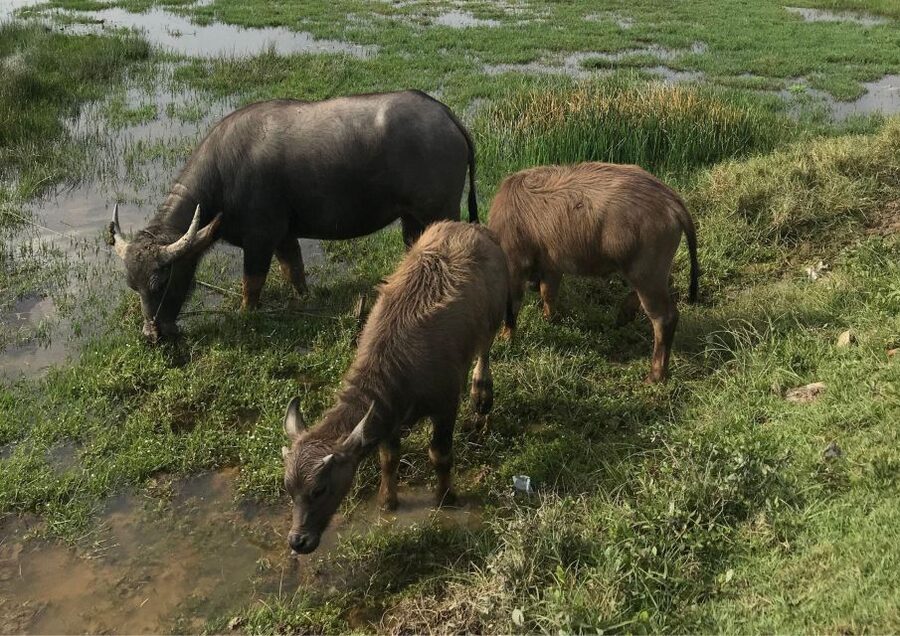
This is one of the tours in Hoi An where the countryside isn’t just scenery. You’re looking at rice farming as something people do every day, not just a postcard.
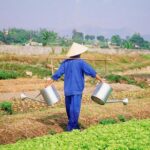
Expect scenes like rice paddies, water buffalo, and small village moments as you cycle out. The day also includes time for learning about rice cultivation, and you may even take part in light farming activity when conditions and the farm setup allow.
What to watch for: how the fields are organized, how water connects the lanes and paddies, and how farmers move through their routine. These are the details that make the lesson stick, because you’re seeing the logic of the landscape rather than hearing it in isolation.
Also, bring your camera, but don’t treat every stop like a photo sprint. A calmer pace is part of the value here—those pauses are when your guide explains what you’re actually looking at.
Tra Que Vegetable Village: Herbs, Vegetables, and a Real Farming Workshop Feel
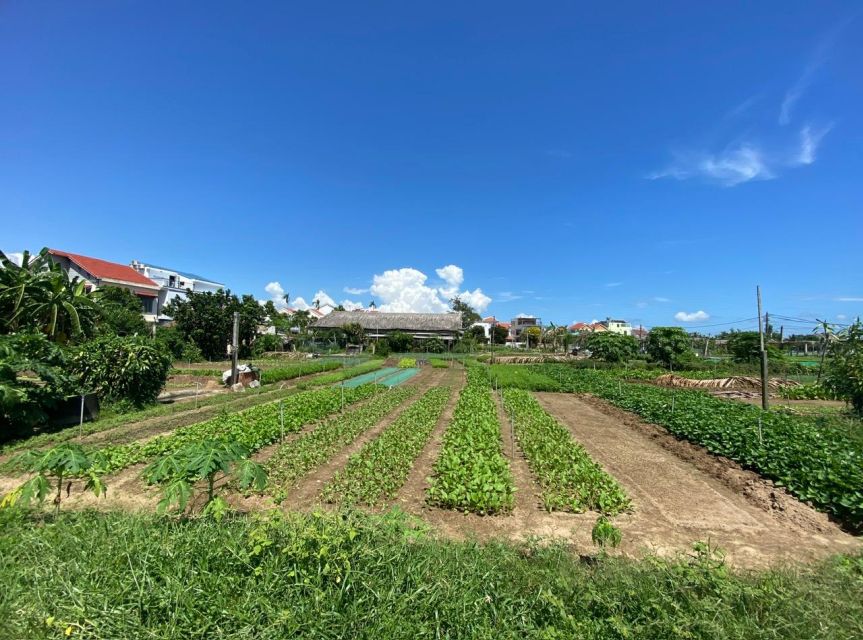
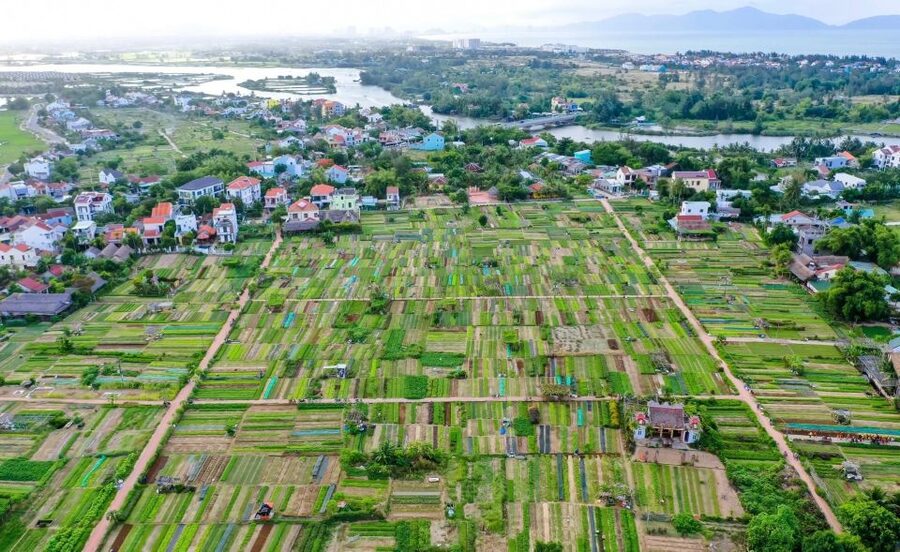
Tra Que Vegetable Village is the centerpiece for many people. It’s not just a stroll through pretty gardens. You get entry to the village, you spend time among herbs and vegetables, and you’re usually given a chance to do something small and hands-on.
I love this stop because it turns farming into something you can touch and smell. Guides often describe tasting fresh herbs straight from the garden and learning why the local approach is tied to long-term health in their culture. Even if you don’t do anything complicated, you still walk away with a clearer sense of how much care goes into growing food.
Practical detail: you’ll also have herbal tea included. It’s a small moment, but it helps you slow down and connect the flavors to what you just saw.
If you’re wondering whether this is worth your time versus another Hoi An attraction, here’s the honest logic: if you enjoy food culture, gardening, or anything hands-on, this is one of the best uses of a half-day. If you only want monuments and photos, you may find it more work than thrill—but for most people, it’s the highlight.
A Local Market Stop That Helps You Understand Daily Hoi An
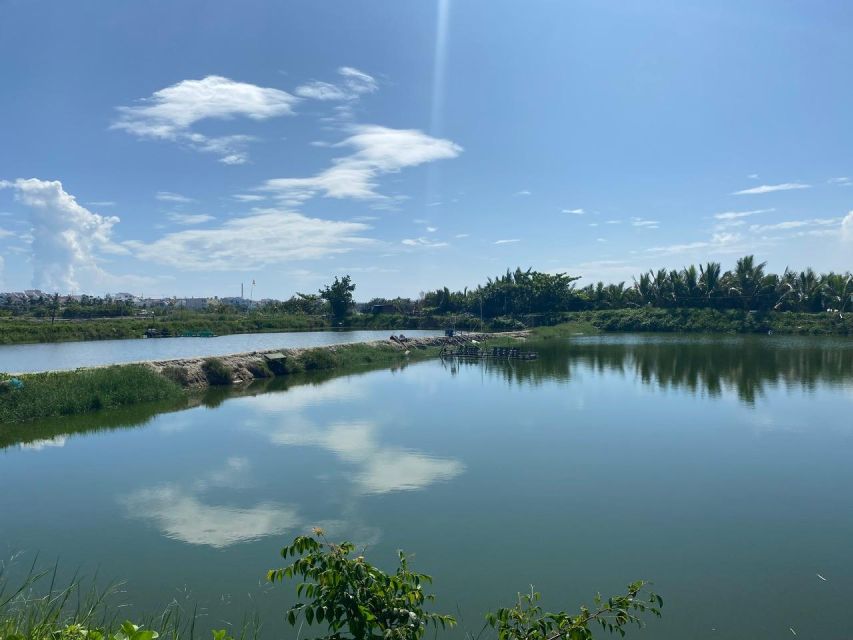
Between the countryside riding and the boat portion, the route includes a market visit. This is where you see how locals keep their week moving—produce, everyday needs, and the kind of foot traffic you don’t get in the tourist lanes.
I find markets especially helpful after a farm section. You start to connect the dots between what’s grown and what becomes meals and daily ingredients. Your guide can point out what to notice, which makes the stop feel like more than a quick photo break.
You don’t need to buy much to get value. Even just observing and asking questions gives you context for what you’ll eat during the rest of your trip.


The 40-Minute Basket Boat Ride: Coconut Waterways and a Calmer Ending
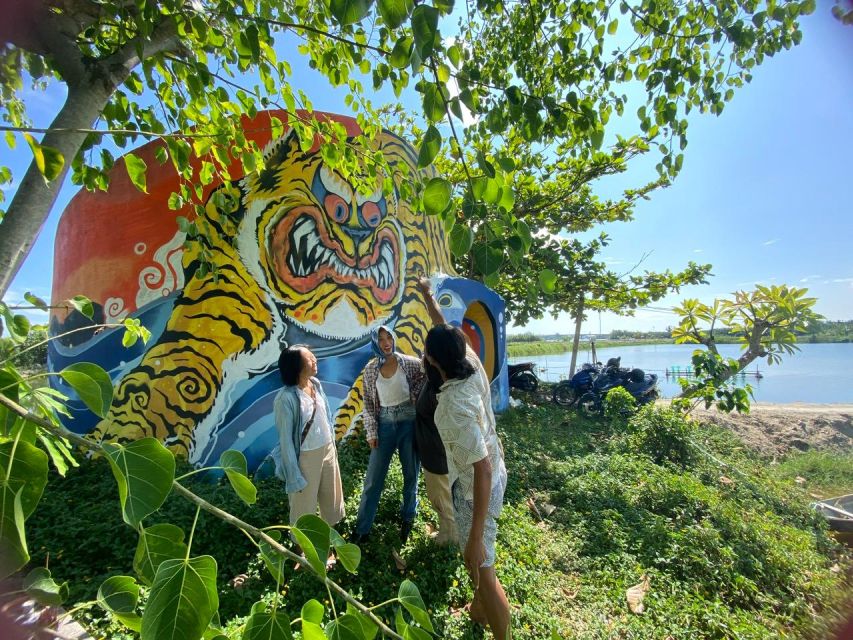
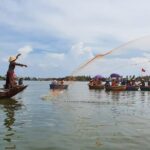
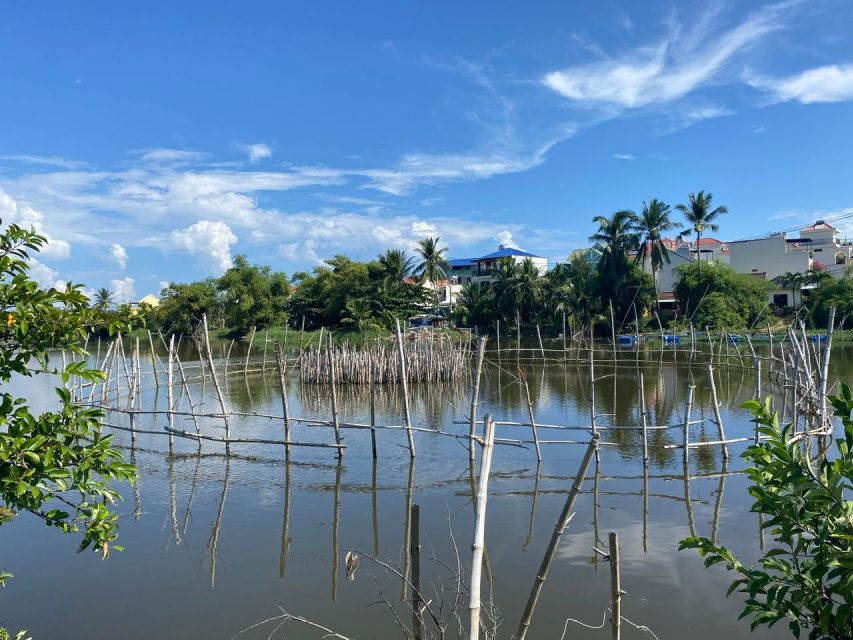
The day closes with a basket boat ride of about 40 minutes. It’s not a rushed, roller-coaster style ride. It’s designed for stillness—slow water, scenic edges, and time to look up at the coconut palms lining the waterways.
People love this part for one reason: it feels away from the usual crowds. You get a quieter spot on the water, which makes photos come out better and the whole ending calmer.
Guides sometimes add a fun soundtrack element and a bit of performance energy during the ride, with singing mentioned in multiple experiences. Even without that, the visuals alone are worth it: the coconut forest look, the gentle movement, and the chance to watch the river life from water level.
Tip: when you’re on the boat, keep some shots for later. It’s easy to burn your camera battery early on land. Save a few frames for the water angle, where the scenery changes the most.
Guide Factor: Why Kun, Nhat, Hoang (and Other Hosts) Make the Difference
This tour is heavily dependent on the guide, and in good ways. Many participants highlight guides who are friendly, funny, and truly invested in explaining what you’re seeing.
Names that come up again and again include Kun, Nhat, Hoang, Sun, Long, Tom, and Sanh. The common thread isn’t just personality—it’s how they manage the day: safety around junctions, pacing for different ages, and enough stops that you don’t feel herded through places.
You’ll also see how guides handle questions. People mention clear English and easy conversation, which matters when you’re learning about farming and local customs. And if you want photos, several guides are willing to help you out so you’re not stuck asking strangers at the worst moments.
If you can request a specific guide, it may help. But even without a request, the tour design sets you up for a smooth experience because the guide controls the rhythm.
Price and Value: What $27 Really Buys You in This Half-Day
At $27 per person, you’re buying more than a bike. Your ticket covers:
- the bicycle
- Tra Que Vegetable Village entry
- herbal tea
- a live guide (English)
- the market visit
- a 40-minute basket boat ride
That’s the key value story: most Hoi An countryside activities charge you separately for transportation or attractions. Here, the “bundle” includes the main experiences, so you avoid the typical add-ons that creep into the total.
Two value notes you should factor in:
- There’s no hotel pickup, so you’ll need your own way to the meeting point.
- The tour is only 3 hours, so it’s intense in a good way, but you won’t get an all-day countryside wander.
For people with limited time in Hoi An, this is strong value. For people who want a slower full-day farming experience with lots of rest breaks, you might want to pair it with a lighter afternoon after.
Who This Tour Fits Best (And Who Might Want to Skip It)
This tour fits you best if you:
- like cycling but don’t want a strenuous ride
- want countryside scenes beyond the Ancient Town
- enjoy food and farming culture
- want a peaceful boat ride that doesn’t feel like mass tourism
It also works well for mixed groups. Experiences mention riders from younger travelers to people in their 60s, which usually means the guide keeps the pacing realistic and supports different comfort levels.
You might choose something else if:
- you don’t want to ride a bike at all
- you’re uncomfortable with weather changes since it runs rain or shine
- you’re expecting a monument-heavy, indoor-heavy day (this is outdoors, and you’ll be moving)
What to Bring and How to Prepare for Rain or Shine
You’ll want:
- a camera
- comfortable clothes
Because the tour runs in rain, plan for wet conditions. I’d wear clothes that dry easily and aren’t fussy. If you have a light rain layer, that’s a practical move—your comfort affects how much you enjoy every stop, especially the boat ride.
Also remember the meeting point is a specific street location. If rain is coming, build in extra time to get there without rushing.
Possible Downsides to Keep It Real
No tour is perfect, so here are the main tradeoffs you should weigh:
- Weather: rain or shine means you can’t count on the countryside vibe being fully dry.
- No hotel pickup: you’ll need your own transport to 77 Tran Phu.
- Bike condition varies: one experience notes the bikes felt a bit tired, which matters if you’re picky about equipment.
- Junction stress for first-time riders: the road network includes a few spots that look scary on approach, but the guide helps make them manageable.
In other words: the experience is designed to be friendly for most riders, but your comfort level with basic road riding will still influence how much you enjoy it.
Should You Book This Hoi An Rural Cycling and Basket Boat Tour?
Book it if you want a half-day that feels like Hoi An’s real life: farms, herbs, market energy, and a calm coconut-water ending. The combination is hard to beat—cycling to Tra Que, then basket boat on quiet waterways, all with a guide who knows how to keep things fun and organized.
Skip it if you only want Ancient Town landmarks, or if riding a bike in light rain would make you unhappy. Also skip if you’re not comfortable getting to a specific meeting point on your own.
If you’re aiming for value, this is a smart pick. For $27, you’re not just paying for one activity—you’re getting a full, varied experience that teaches you how the countryside feeds into the town’s culture.
FAQ
How long is the Hoi An rural cycling tour?
The tour lasts about 3 hours.
How much does the tour cost?
The price is $27 per person.
Where do I meet the guide?
Meet at 77 Tran Phu street, in front of Quan Thang Ancient House.
Do they pick you up from your hotel?
No. Hotel pickup and drop-off are not included.
Is the tour okay if I’m not a regular cyclist?
Yes. The riding is described as flat and generally in short segments, and it’s set up to be manageable even for non-regular riders.
What’s included in the price?
Included: bicycle, Tra Que Vegetable entry ticket, herbal tea, guide, a 40-minute basket boat ride, and a market visit.
What’s the main boat experience?
You’ll take a 40-minute basket boat ride on a tranquil river with coconut palms along the waterways.
What should I bring?
Bring a camera and comfortable clothes.
Does the tour run in bad weather?
Yes, the tour runs rain or shine.
Is there a way to cancel or pay later?
Free cancellation is available up to 24 hours in advance for a full refund, and reserve & pay later options are offered.