REVIEW · PORTLAND
Lighthouse Bicycle Tour from South Portland with 4 Lighthouses
Book on Viator →Operated by Lighthouse Bikes · Bookable on Viator
Four lighthouses in three hours beats walking. I love the small groups (max 10) and the way the guides turn each stop into a story, ending at Portland Head Light with big New England coastline views. You should plan on some hills, even though the pace is kept easy enough for most people with moderate fitness.
In This Review
- Key highlights at a glance
- Why this South Portland lighthouse ride beats sightseeing by car
- Getting started at 37 Ocean St and what the 3-hour plan feels like
- Bug Light Park (built 1875): the quiet harbor lighthouse stop
- Spring Point Ledge Lighthouse (built 1897): shipwreck history with ocean air
- Willard Beach break: a real pause with public restrooms
- Portland Head Light (1791): the iconic finish with the biggest views
- Lunch by lobster roll: the practical reward after the pedal
- The ride difficulty: hills, pace, and how guides keep it smooth
- Who this tour is best for (and who might want a different plan)
- So, should you book Lighthouse Bikes’ 4-lighthouse tour?
- FAQ
- How long is the lighthouse bicycle tour?
- Where does the tour start?
- What time does the tour begin?
- How many lighthouses are included?
- Are the lighthouse stop admissions free?
- Is lunch included?
- What fitness level do I need?
- Are bikes provided?
- Is the tour offered in English?
- Does weather affect the tour?
Key highlights at a glance
- Four lighthouse stops across South Portland, with free entry listed for each
- Guided facts on the move, so you’re not just pedaling for photos
- A refuel lunch stop where a lobster roll is a big part of the fun
- Comfort-focused bikes and help offered for the occasional steeper section
- About 3 hours total, starting from 37 Ocean St at 11:00 am
Why this South Portland lighthouse ride beats sightseeing by car
This lighthouse bicycle tour is a smart way to see Portland’s coast without burning a whole day driving and parking. You cover more ground than walking, but you still get that slow-travel feeling: stopping, looking, and learning instead of rushing through photo pulls.
What makes it especially appealing is the mix of famous and lesser-known. You don’t just hit the big-name photo spot—you also get time at smaller lighthouses like Bug Light Park and Spring Point Ledge Lighthouse, where the coast looks more rugged and ship-history feels close. And because the group is kept small (10 people maximum), the guide can actually manage the ride, regroup often, and answer questions without the usual chaos.
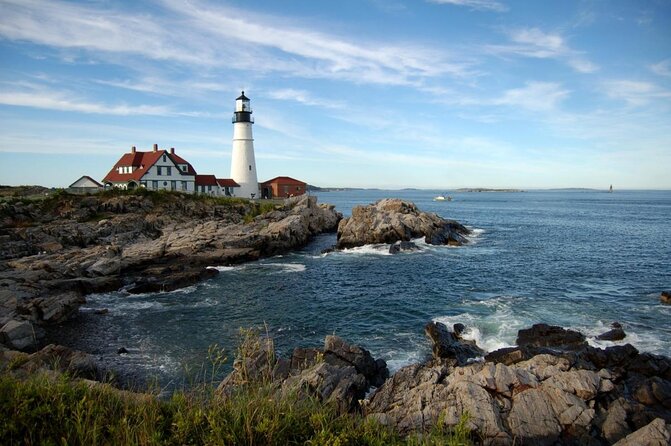
The real payoff is the last stretch. Portland Head Light is the kind of landmark that looks iconic even when you’re still on a bike path, and the views around it are simply why people come to Maine in the first place.
You can also read our reviews of more tours and experiences in Portland.

Getting started at 37 Ocean St and what the 3-hour plan feels like
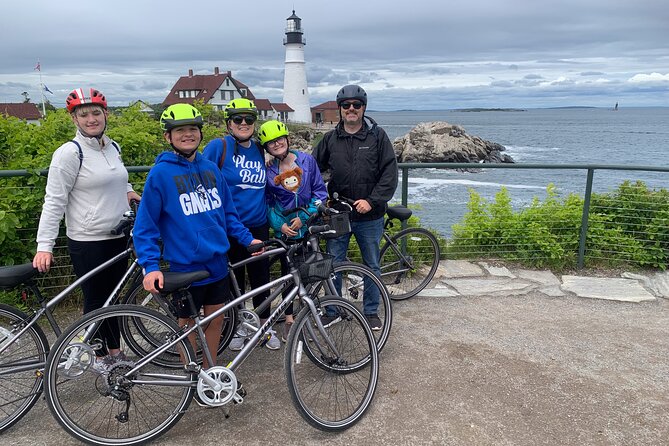
You’ll meet at 37 Ocean St, South Portland, ME 04106, and the tour runs out and back to that same point. The start time is 11:00 am, and you can plan on about 3 hours total, including stops.
Because the tour is guided, it helps to show up ready to roll: wear weather-appropriate layers and expect to be outside the whole time. The route stays in South Portland and around Portland’s coastal corridor, so you’re not dealing with long “find your own way” stretches. It’s also listed as being near public transportation, which makes it easier if you’re not bringing a car.
Speed-wise, this is not a fitness test. It’s more of an easy-to-moderate sightseeing ride with timed stops. Several people call out that there are a few uphills, but the guide warns the group and will wait for anyone who needs to slow down or walk a short segment.
If you’re a first-time rider, that’s fine. If you haven’t biked in a while, just be honest with yourself about hills and give the ride your full attention. A calm start makes the whole tour feel smoother.
Bug Light Park (built 1875): the quiet harbor lighthouse stop
The first stop is Bug Light Park, home to a small lighthouse built in 1875 to help ships navigate into Portland Harbor. This is the kind of stop that works well early in the tour: you get oriented, you settle into the ride, and you learn the local “why” behind what you’re seeing.
You’ll have about 15 minutes here, and the big win is the setting. Bug Light isn’t the largest or most famous lighthouse on the route, but it tends to feel more personal—like you’re seeing the working-harbor side of Portland rather than only the postcard view. For a lot of people, this is the moment the tour stops feeling like a checklist and starts feeling like a real coastal walk, just with pedals.
Admission is listed as free at this stop, so you’re not juggling a ticket purchase while also trying to enjoy the view. Use the time to take in the waterline, watch how the harbor bends, and listen for the guide’s ship-navigation context. Even if you’re not a lighthouse nerd, the idea of how these lights guided real vessels makes the location click.
A small consideration: since Bug Light is a park stop and the time is short, don’t plan to wander far off the main areas. Think of it as a focused look, then back on the bike for the next leg.
Spring Point Ledge Lighthouse (built 1897): shipwreck history with ocean air
Next up is Spring Point Ledge Lighthouse, built in 1897 after several shipwrecks. The theme shift here is great: you go from harbor navigation (Bug Light) to the hazards out at sea that made lighthouses a life-or-death necessity.
You’ll also have about 15 minutes at this stop, and the payoff is the story behind why the light matters. The coast here feels different—more exposed, more open. That changes how you interpret the location. The lighthouse doesn’t feel decorative. It feels like part of a warning system.
Admission is listed as free, so again, you can focus on seeing rather than spending time on logistics. This is also a solid place to ask your guide a question. One of the most consistent strengths of the experience is how guides mix route directions with local context, and Spring Point Ledge is the sort of stop that invites good questions about navigation, coastline hazards, and maritime history in the Portland area.
The main “watch out” is pacing. It’s easy to spend too long taking photos when the sky cooperates, then feel rushed back on the bike. If you want calm enjoyment, pick your photo spots and leave a few minutes for just standing and looking.
Willard Beach break: a real pause with public restrooms
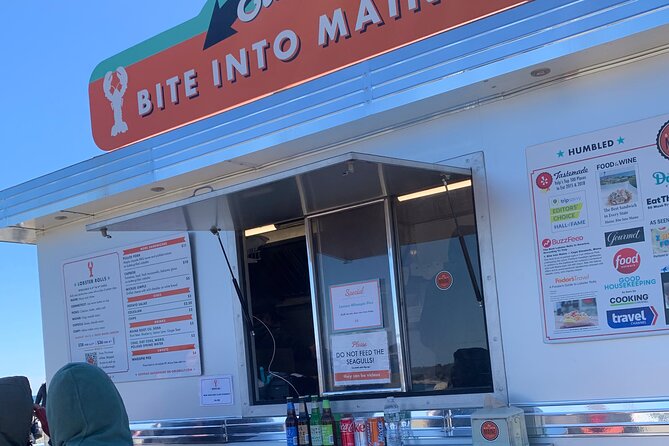
Between lighthouse stops, you get a break at Willard Beach—a sandy community beach in South Portland. The stop is short—about 5 minutes—but it serves a purpose: you get a quick reset for legs and breath before the ride toward the finale.
What’s useful here is that public restrooms are available, so it’s a practical stop if you need a quick break. Even if you don’t plan to spend time on the sand, it helps to step off the bike path, stretch your calves, and refocus.
Because this is not a long beach break, don’t expect time for a full walk. Think of it as a quick refresh and a chance to enjoy the ocean breeze for a minute before getting back into the rhythm of pedaling.
If you’re sensitive to cold or wind, this tiny stop still matters. Maine weather can flip quickly, and a brief pause helps you adjust layers without disrupting the tour flow.
Portland Head Light (1791): the iconic finish with the biggest views
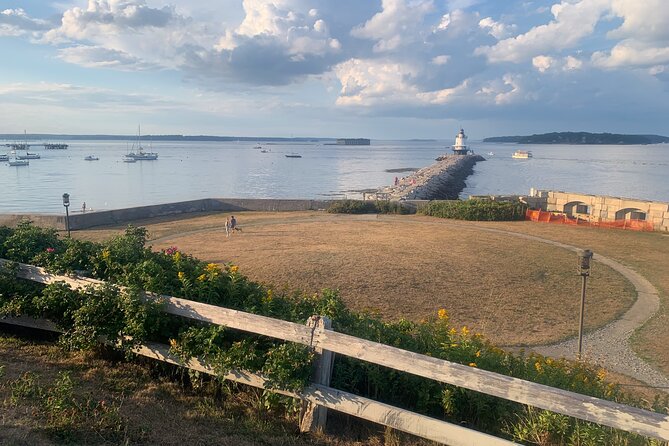
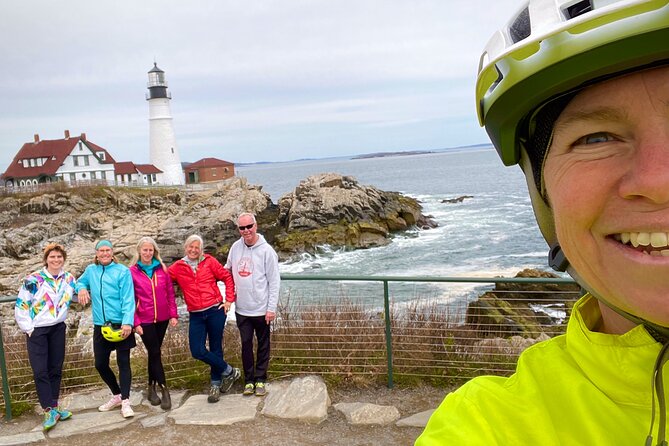
The final stop is Portland Head Light, built in 1791 under President George Washington. This is the moment most people come for, and it’s earned. The coastline at Portland Head Light looks different than the other stops because the views are broader and the setting feels grand even when you’re on a bike.
You’ll have about 20 minutes here, which is enough time to take in the light itself and walk within the immediate areas so you don’t feel stuck at a single angle. Admission is listed as free.
What I like about making Portland Head Light the end of the ride is psychological. After you’ve already seen the smaller, more “functional” lighthouses, Portland Head Light lands with extra impact. You’re not just seeing something famous. You understand why it matters, and you can compare what you learned about navigation and maritime hazards along the way.
This is also where the lunch opportunity becomes part of the experience. Many people plan for a meal right around the Portland Head Light area (often with a lobster roll). After the ride, it feels like a reward that matches the location—coastal food, coastal views, no rushing to fit everything into one more stop.
Tip for getting the most out of your time here: eat earlier in the window if you’re hoping for the best light for photos. If you wait until the end, you might feel rushed when you hear the group regrouping to head back.
Lunch by lobster roll: the practical reward after the pedal
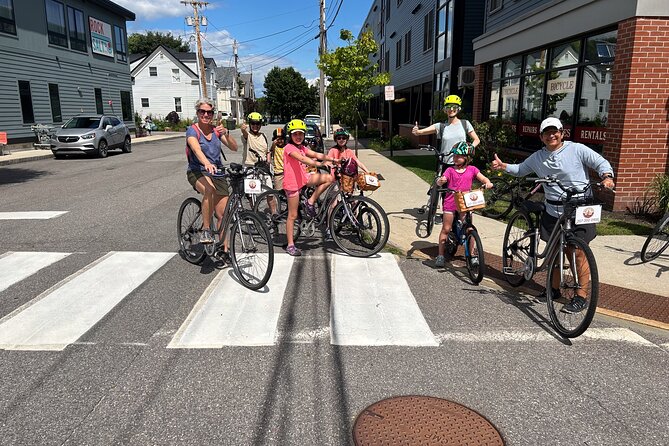
One of the strongest “value” parts of this tour is the built-in chance to refuel with a lobster roll lunch stop. The experience doesn’t treat food as an afterthought, and that matters because you’re on a bike for the full morning window.
What you can expect is a stop where the lobster roll is the star. Some people also mention side pairings like blueberry soda and dessert like whoopie pie, depending on what’s ordered. The key idea is simple: you’re choosing a local Maine classic at a moment when it actually hits the spot.
If you’re the kind of person who likes to snack while traveling, this is ideal. You get the ride, the sights, and then a proper meal before you continue your day. If you’re the type who hates being forced into set menus, you’ll likely be relieved to know that lunch feels flexible in practice—some groups treat it as an optional add-on rather than a strict included package.
Two practical bits to plan for:
- Bring a little cash or card buffer in case lunch is paid separately.
- If you’re sensitive to timing, eat soon after lunch ordering opens so you don’t feel stuck waiting while the group moves on.
The ride difficulty: hills, pace, and how guides keep it smooth
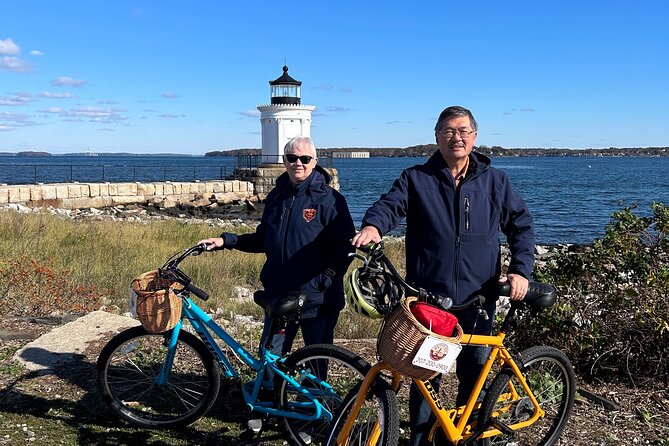
Let’s talk about the part that can make or break your experience: the physical effort. The tour is best suited for a moderate physical fitness level. That doesn’t mean “hard.” It means you should expect at least a couple of steeper sections.
Multiple guides show up as strong helpers in that situation. People mention that the guide warns about uphills ahead of time, keeps an easy pace, and will wait for anyone who needs to slow down or walk a bike segment. That kind of flexibility is what keeps a lighthouse tour from turning into stress.
Bike comfort also matters, and many people specifically point out that the seats are comfortable and the bikes are in good condition. You’re not trying to fight an old bike while looking at ocean views, which is a huge quality-of-life factor.
My practical advice:
- If you’re worried about hills, choose a day when weather is calm and your energy level is high.
- Bring a light layer even if it looks warm at 10:30 am. Coastal wind can change quickly.
- Don’t plan to sprint between stops. The fun is in stopping, looking, and listening.
And because the group size is small, the guide can keep the ride coherent. You won’t feel like you’re trapped in a large herd.
Who this tour is best for (and who might want a different plan)
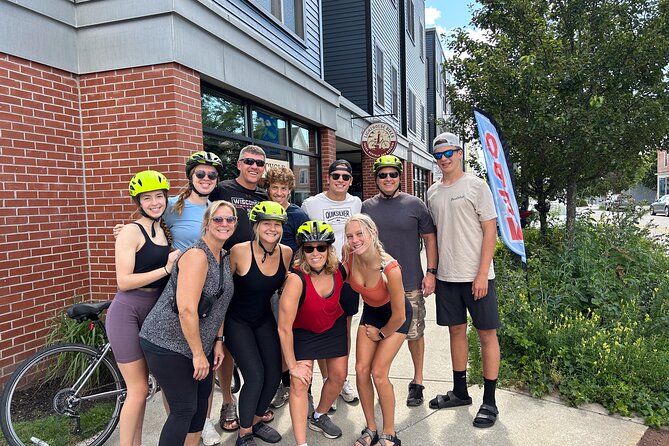
This lighthouse bike tour fits best if you want coastal scenery without spending the day behind a windshield. It’s great for:
- First-time visitors who want a focused introduction to South Portland’s coastline and lighthouses
- Couples or solo travelers who enjoy guided context while still moving under your own power
- People who like an active morning with a real meal reward at the end
It’s also a solid pick if you care about intimate group dynamics. With a maximum of 10 people, the guide can slow down when needed and keep attention on the route.
I’d be more cautious if:
- You hate hills and you haven’t biked in a long time
- You’re expecting a completely flat ride
- Weather is a big concern for your trip planning, since the tour is described as requiring good conditions
Still, the way the ride is managed—easy pace, waiting, and the option to walk a short segment—makes it more welcoming than you might guess from the word “lighthouse.”
So, should you book Lighthouse Bikes’ 4-lighthouse tour?
Book it if you want a high-value mix of four iconic coastal stops, free admission at those stops, and a guided route that gets you there without the hassle of driving and parking. At $115 per person for about 3 hours, the price feels fair when you compare it to what you’d spend in time, stress, and transportation to assemble the same sights on your own.
Think twice if you’re very hill-averse or you don’t like riding outdoors in changing coastal weather. But if you’re comfortable with a moderate level of effort and you can handle a few climbs, this tour is one of the best ways to see Portland’s lighthouse coastline without turning it into a full-day production.
If you’re the type who loves the classic Maine finale—standing at Portland Head Light with the ocean in front of you—this is the ride to do.
FAQ
How long is the lighthouse bicycle tour?
It lasts about 3 hours (approx.), including time spent at each stop.
Where does the tour start?
The meeting point is 37 Ocean St, South Portland, ME 04106.
What time does the tour begin?
The tour start time is 11:00 am.
How many lighthouses are included?
You visit 4 lighthouses: Bug Light Park, Spring Point Ledge Lighthouse, Willard Beach (beach stop), and Portland Head Light.
Are the lighthouse stop admissions free?
Yes. Admission ticket info is listed as free for each lighthouse stop on the tour.
Is lunch included?
The tour includes a lunch stop where a lobster roll is commonly part of the experience, and the stop is described as a good way to refuel. You’ll order during that break.
What fitness level do I need?
The tour recommends moderate physical fitness. There are some uphills, so you should be comfortable riding with a few climbs.
Are bikes provided?
The tour is a bicycle tour, and the experience is set up for riding with the bikes provided by the operator.
Is the tour offered in English?
Yes, it is offered in English.
Does weather affect the tour?
Yes. The experience requires good weather. If it’s canceled due to poor weather, you’ll be offered a different date or a full refund.