REVIEW · NAHA
Zodiac Shrines and Naha Backstreets Cycling Tour
Book on Viator →Operated by Discovery Bicycle Tours Okinawa / e-CHARIty Naha · Bookable on Viator
Prayers and speed on Okinawa’s backstreets. This 4-hour e-bike cycling tour takes you on a Ryukyuan-style pilgrimage across Naha and Shuri, visiting Zodiac shrines tied to older worship traditions still practiced today. You’ll roll from the Makishi area into quieter neighborhoods, with a local guide pointing out what to notice and why it matters.
What I liked most: the small group size (max 5) makes it easy to ask questions and move at a human pace, and you get a pilgrim’s book called Goshuin-cho plus snacks, so the ride feels like more than sightseeing. I also enjoyed how guides like Maria, Jojo, and Sally focused on meaning, not just directions.
One heads-up: part of the route includes busy streets, and it can affect how comfortable you feel if you prefer quieter cycling. Also, bottled water is not included, so plan for that on your own.
In This Review
- Key highlights you’ll actually feel during the ride
- Why a Zodiac-shrine bike pilgrimage in Naha feels different
- E-bikes, helmets, and a calm 4-hour rhythm
- From Makishi to Shuri: the stop-by-stop highlights that make the route work
- 1) Start in the Makishi area, then get rolling
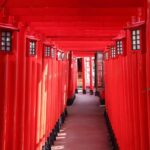
- 2) Shuri Kannondo: Kannon Bodhisattva and vermilion temple views
- 3) Ankoku-ji Temple: Okinawan Buddhism that’s been around a long time
- 4) Shuri Castle: a vermilion ceremonial gate for your best bike photo
- 5) Sairaiin (Daruma Temple): prayers for health and pregnancy
- 6) Seikoji: a sacred atmosphere under the monorail line
- 7) Shuritobarucho: the spring tied to an Okinawan princess
- 8) Sogenji-dori: a downhill ride to a king-entombment site
- What you’ll learn about Ryukyuan worship (and why it matters)
- Photo moments, downhill fun, and how to not stress about gear
- Price and value: does $108.72 make sense?
- Weather reality: plan for a route change
- Who this tour is best for
- Should you book this Naha and Shuri cycling tour?
- FAQ
- FAQ
- How long is the Zodiac Shrines and Naha Backstreets Cycling Tour?
- Where do I meet for the tour?
- Do I get an electric bicycle?
- Are helmets provided?
- What’s included in the price?
- What is not included?
- Are admission tickets included?
- How many people are in the group?
- What happens if the weather is bad?
- Can children join the tour?
- Is free cancellation available?
Key highlights you’ll actually feel during the ride
- Small group (up to 5) keeps the pace relaxed and questions welcome
- E-bikes help on hills so you can focus on the shrines, not the sweat
- Goshuin-cho pilgrim’s book adds ceremony to your visit
- Zodiac shrine pilgrimage across Naha and Shuri links city life to Ryukyuan worship
- Photo stops with vermilion gates and temple colors give you memorable frames without extra planning
- Sacred springs and king-entombment sites add variety beyond the castle area
Why a Zodiac-shrine bike pilgrimage in Naha feels different
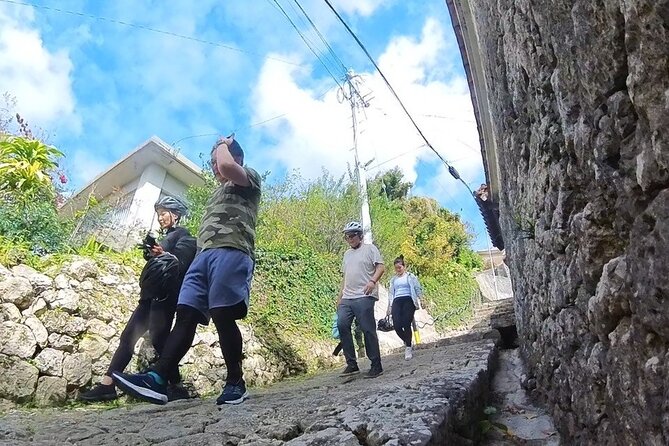
Naha is easy to visit in big, straightforward ways. This tour isn’t that. Instead of only “major sights,” you’re riding a route where locals still treat religion as part of everyday life—sprinkled through neighborhoods, temple compounds, and places with stories.
The big idea is the Zodiac shrines and related sacred spots around Naha and Shuri. You’re not just looking at buildings. You’re seeing how Okinawans observe worship traditions that trace back to the Ryukyu Kingdom era, then still show up today when people visit to pray, give thanks, or ask for health.
And because you’re on an electric bicycle, the tour keeps its rhythm. You can cover multiple sites without turning your day into a crawl of transfers and ticket lines. That matters when you’re in Okinawa and you want movement plus meaning.
You can also read our reviews of more tours and experiences in Naha.

E-bikes, helmets, and a calm 4-hour rhythm
This is a 4-hour experience with a set meeting point near Makishi Monorail Station (a one-minute walk from there). You pick up your electric bicycle right at the start and get a safety briefing so you can enjoy the ride with less guesswork.
A few details make the whole thing feel organized:
- You’ll be given a helmet for safety (installed cycling helmet).
- You get a small set of snacks during the tour.
- You’ll also have a pilgrim’s book (Goshuin-cho) that supports the pilgrimage vibe.
The route is built around short stops—think around 15 to 20 minutes each—so you get time to look, listen, and take a moment for photos, without feeling rushed to sprint between places. And since the group cap is 5 travelers, it’s not like herding cats at a temple gate.
The one thing to keep in mind is that you’re cycling through a real city. There’s street traffic on part of the route, and it’s not a fully sealed-off sightseeing path. The e-bike helps, but your comfort still matters. If you’re anxious on roads, you’ll want to go slow and keep your focus on the guide’s cues.
From Makishi to Shuri: the stop-by-stop highlights that make the route work

Here’s where the tour’s “pilgrimage by bike” idea clicks. Each stop has a different feel—temple carvings, castle symbolism, daruma prayers, sacred springs, and a downhill ride to a place tied to kings.
1) Start in the Makishi area, then get rolling
You meet at 3-chōme-13-20 Makishi, near Makishi Monorail Station. It’s close enough that you can arrive, park your day bag, and settle in fast.
After a quick info session, you’ll set off on your e-bike. This early part is about getting your bearings and learning how the ride will flow before you start hitting the spiritual sites.
2) Shuri Kannondo: Kannon Bodhisattva and vermilion temple views
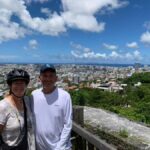
At Shuri Kannondo, you’ll see Kannon Bodhisattva, described as the guardian deity of the Ryukyu Kingdom. The temple also offers beautiful carvings and ornaments, and you can look over Shuri from the vivid vermilion setting.
This stop is where the tour shifts from “ride around” to “notice details.” Vermilion here isn’t just color. It signals importance, and the guide helps you orient your eyes toward what to look for—so you’re not just snapping pictures at random angles.
3) Ankoku-ji Temple: Okinawan Buddhism that’s been around a long time
Next comes Ankoku-ji Temple, a place practicing Okinawan Buddhism for over 500 years. You’ll also pass through local streets where traditional houses remain, which adds a real neighborhood texture to the experience.
If you like understanding how spirituality connects to place, this is a strong stop. It’s the kind of temple you can’t fully grasp just by looking at a postcard, because the surrounding area helps set the tone.
4) Shuri Castle: a vermilion ceremonial gate for your best bike photo
Then you hit Shuri Castle, specifically the ceremonial gate that symbolizes Okinawa. This is the stop built for photos: you can take pictures with your bicycle in front of the vermilion gate, with a design that looks balanced and intentional.
Even if you’re not a super serious photographer, this is worth it. It’s one of those places where the setting does half your work—color, shape, and symbolism all in one frame.
5) Sairaiin (Daruma Temple): prayers for health and pregnancy
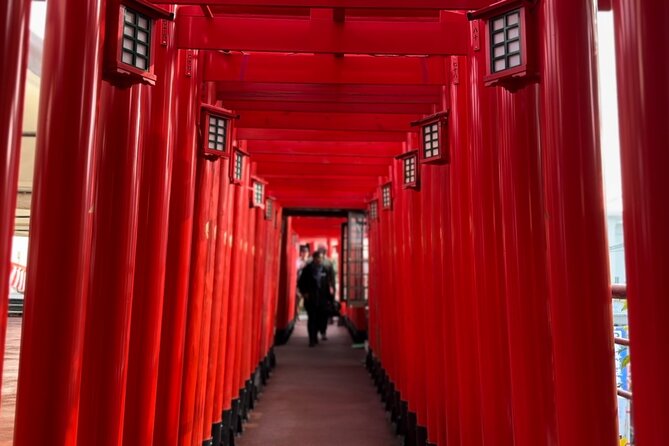
At Sairaiin (Daruma Temple), many devotees visit for prayers related to good health and pregnancy, and you’ll see bright red daruma dolls. The temple’s vibe is festive in color but focused in purpose.
This stop stands out because it shows the practical side of faith: people ask for what they need, then show gratitude for what they have. The guide helps connect the ritual elements to the human reasons behind them.
6) Seikoji: a sacred atmosphere under the monorail line
Seikoji brings you across the main street and past the monorail running above mid-air. That contrast—big city infrastructure overhead, sacred space below—makes the stop feel very Okinawa: modern life and tradition sharing the same air.
The temple you’ll see includes areas rebuilt after the war, next to older elements. That blend can be moving, especially when you’re already in a “continuity through time” mindset from the previous stops.
7) Shuritobarucho: the spring tied to an Okinawan princess
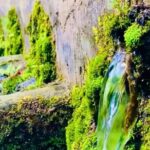
At Shuritobarucho, you’ll visit a miraculous spring where water was discovered deep in the forest after an Okinawan princess noticed waterfowl nearby. You can feel that connection to the story through the water itself—simple, but it gives the site meaning beyond geography.
If you like legends that explain why a place exists, this is one. And if you’re the type who likes a reason for everything you’re doing, the spring has a satisfying one.
8) Sogenji-dori: a downhill ride to a king-entombment site
The tour finishes with a thrilling downhill ride to the sacred place where successive kings of the Ryukyu Kingdom were entombed. Today, it’s a park area, with a stone gate and a banyan tree that help anchor the atmosphere.
This is a strong closing note. The downhill moment gives your legs a break right when you’re heading into a reflective space. It’s the kind of ending that leaves you with a feeling of scale—these were royal sites, but now you’re experiencing them close-up, on a bike, surrounded by city air.
What you’ll learn about Ryukyuan worship (and why it matters)
This is not a lecture tour. It’s a guided “look at this, then understand why” experience. Across the route, you’ll connect several threads:
- Guardian deities and protective worship, including Kannon at Shuri Kannondo
- Buddhist practice in Okinawa, including Ankoku-ji’s long continuity
- Prayer for life events, like health and pregnancy at the Daruma temple
- Sacred springs and origin stories, tied to Shuritobarucho
- Royal memory in present-day spaces, at the king-entombment area
That mix is why the tour feels more authentic than a checklist of temples. You’re witnessing rituals that aren’t stuck in the past. Even if you don’t know the theology, you’ll understand the human rhythm: come, observe, pray, give thanks, then go back to your day.
The guides also tend to keep things interactive. Based on how guides like Maria, Jojo, and Sally have described the experience in their guiding style, you can expect a friendly approach—helpful for people who want to ask questions and for those who simply want to know where to stand for a good photo.
Photo moments, downhill fun, and how to not stress about gear

There are a few moments that are naturally photo-friendly. The vermilion ceremonial gate at Shuri Castle is the obvious one, and it’s set up for a bike photo. The bright colors of temples and daruma displays also help.
But don’t overcomplicate your kit. Camera mounts and mobile phone holders are not included, so if you want your phone on the handlebars, you’ll need to bring your own solution. The same goes for anything that keeps your hands free while you shoot.
Also, there’s a downhill ride toward the king-entombment site. That’s fun, but keep your focus on control and balance. If you’re trying to film the whole way, you might feel rushed. I’d plan for a few good stops, not a constant lens-gripping performance.
Price and value: does $108.72 make sense?
At $108.72 per person, this tour sits in the “paid experience” category. So here’s the value check.
You’re not only paying for a guide and a bike. You’re paying for:
- Electric bicycle use
- A helmet
- Admission tickets (listed as free at the stops)
- Goshuin-cho (pilgrim’s book)
- Snacks
When admission is included and the route gives you multiple sites in a single structured morning, the price stops feeling like “just transport.” It feels like a guided route with built-in context.
Also, the 4-hour timing is efficient. You get a lot of cultural stops without needing to plan a bus schedule or figure out how to connect distant places in one day.
If you’re the kind of traveler who likes to wander on your own, you can always visit temples independently. But if you want meaning explained in plain language while you ride between locations, this is a strong use of your time.
Weather reality: plan for a route change
This experience depends on weather. If the precipitation probability exceeds 70% or if severe weather hits, plans may change, and you’ll be contacted the day before.
So yes, keep some flexibility in your schedule. The upside is that the tour provider builds in the ability to adjust. If you’re traveling during a rainy stretch, I’d still book it—but choose a day when you’re not tied to strict deadlines afterward.
Who this tour is best for
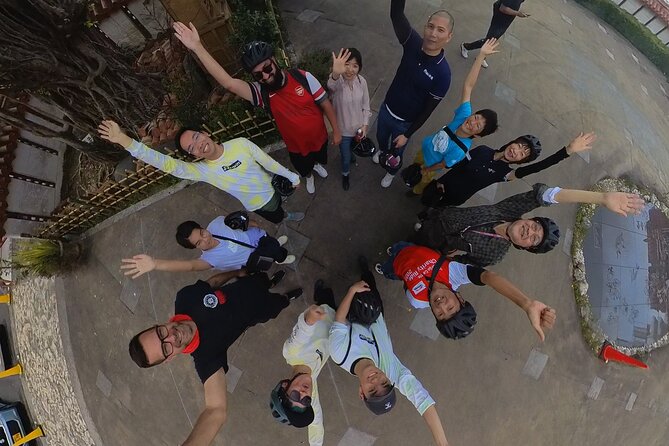
This fits best if you:
- Want a guided cultural route through Naha and Shuri, not just a self-guided temple loop
- Like a balance of meaning + movement
- Prefer small groups (max 5)
- Are comfortable enough on a bike to handle short stops and some street riding
It may be less ideal if you strongly dislike cycling near traffic or if you’re expecting a fully car-free, pedestrian-only route. The e-bike helps a lot, but it doesn’t erase the fact that you’re still moving through the city.
Should you book this Naha and Shuri cycling tour?
I’d book it if you want something genuinely different from the usual “temples and castle views” day. The pilgrimage angle—Zodiac shrines and Ryukyuan worship in places where people still practice—gives the route a purpose beyond photos.
I’d skip it or reconsider if:
- You know you’re uncomfortable on roads with cars or buses
- You need bottled water provided for convenience (you’ll want to bring your own)
- You don’t enjoy cycling at all, even with an e-bike
If you’re on the fence, think about your travel style. This tour rewards curiosity. You’ll get the most from it when you’re willing to ask questions, look closely, and let the guide connect the dots between rituals and the places you’re seeing.
FAQ
FAQ
How long is the Zodiac Shrines and Naha Backstreets Cycling Tour?
It lasts about 4 hours.
Where do I meet for the tour?
You meet at 3-chōme-13-20 Makishi, Naha, Okinawa 900-0013, Japan, near Makishi Monorail Station.
Do I get an electric bicycle?
Yes. The tour includes use of a bicycle and you’ll pick up your electric bicycle at the start.
Are helmets provided?
Yes. Incom installed cycling helmets are included.
What’s included in the price?
Included are the bicycle, the helmet, the pilgrim’s book Goshuin-cho, and snacks.
What is not included?
Bottled water, camera mounts, and a mobile phone holder are not included.
Are admission tickets included?
Yes. The listed stops show admission tickets as free.
How many people are in the group?
The tour has a maximum of 5 travelers.
What happens if the weather is bad?
If precipitation probability exceeds 70% or severe weather occurs, the plan may change. You’ll be contacted the day before. If the experience is canceled due to poor weather, you’ll be offered a different date or a full refund.
Can children join the tour?
Children aged 1 to 5 can have a child seat attached to the parent’s bicycle. You’ll need to consult staff for details.
Is free cancellation available?
Yes, you can cancel up to 24 hours in advance for a full refund.