REVIEW · SICILY
Mountain Biking Etna by MTB or E-Bike
Book on Viator →Operated by Sicily Bike Tourist Service · Bookable on Viator
Etna on two wheels beats the usual day. This ride is interesting because you trade paved roads for lava scenery and real mountain-bike trails, with the volcano’s activity adding a special sense of place. I also love how the certified MTB guide brings the route to life, including clear explanations from guides like Luca, who’s praised for being a fountain of information.
Here’s the one catch: it’s medium difficulty, so you’ll want normal mountain-bike confidence. The tour runs about 2 hours with roughly 16 km and about 1,025m of climbing, so brand-new riders may feel the pinch.
In This Review
- Key Things You’ll Notice on This Etna Bike Ride
- Why Etna by Bike Is a Different Kind of Sicily Day
- Meeting at Etna South (Piano Vetore) and What the Start Means
- The Pista Altomontana Stretch: Lava Views and Real Trail Time
- Stop at the Giovanni Gualberto Forestry House: A Quick Reset
- The Descent: Sandy Dirt Roads Through Woods and Old Lava Flows
- How Hard Is It, Really? 16 km, 1,025m Gain, Medium Difficulty
- MTB 29er vs Optional e-MTB: Choose the Right Amount of Help
- Price and Value: Why $63.06 Can Make Sense
- What to Bring (Because Etna Won’t Do It for You)
- Timing, Weather, and Making the Ride Feel Smooth
- Who Should Book This Etna MTB Ride
- Should You Book Mountain Biking Etna by MTB or E-Bike?
- FAQ
- What kind of bike is included?
- How long is the ride?
- How difficult is it?
- Where does the tour start and end?
- What should I bring?
- What happens if the weather is poor?
Key Things You’ll Notice on This Etna Bike Ride
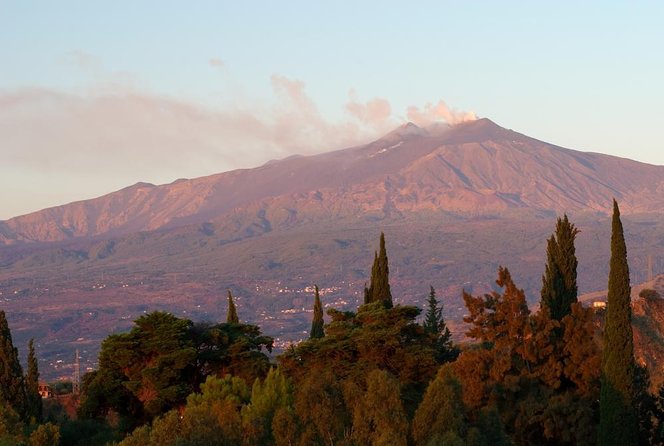
- 90% off-road means you’ll feel the terrain in your legs and your steering hands.
- 29er muscle bikes are included, giving you stability for uneven lava and dirt sections.
- About 1,025m elevation gain in ~16 km makes this more than a casual spin.
- A short stop at the Giovanni Gualberto Forestry House helps break up the ride with context.
- Optional e-MTB assistance is available for an extra cost, if you want fewer leg-tax moments.
Why Etna by Bike Is a Different Kind of Sicily Day
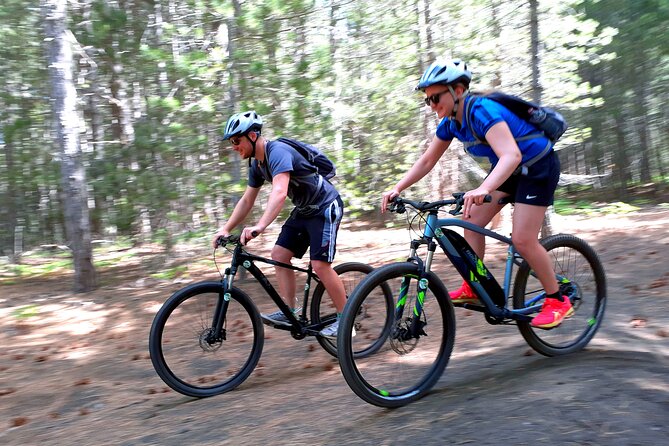
This isn’t a quick photo stop around the volcano. You’re actually moving through it—up and down on trails made of dirt, sand, and old lava paths. That matters, because biking turns Etna from something you look at into something you experience through traction, effort, and view.
I like that the tour is built for momentum, not just scenic wandering. You start high in the Etna South area (around Piano Vetore), then work your way along the Pista Altomontana area, where you’ll notice the lava features and the big open views. It’s the kind of day where you come out tired in a good way and remember the details.
You can also read our reviews of more tours and experiences in Sicily.
Meeting at Etna South (Piano Vetore) and What the Start Means
Your day starts at 9:30 am at Pista Altomontana Etna, a specific access point near Cancello Filiciusastrada per salire al Galvarina (Ragalna CT). Even though the meeting point is written in a very “local road” way, the key idea is simple: you’re getting set up in the Etna South zone before you head onto the trails.
This ride ends back at the same meeting area, so you don’t need to think about logistics during the day. You can focus on pacing and enjoying the terrain instead of worrying about how you’ll get back.
The Pista Altomontana Stretch: Lava Views and Real Trail Time
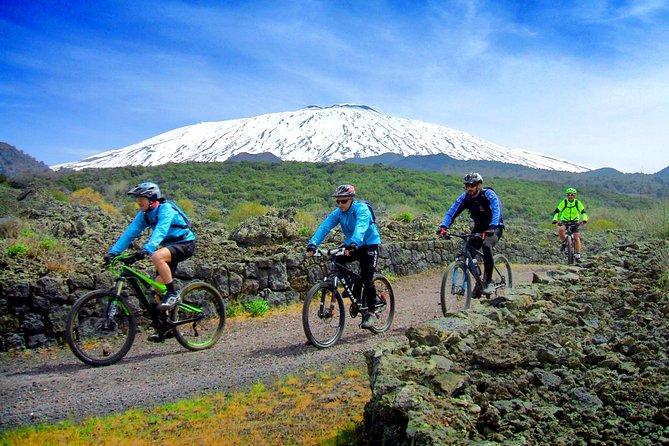
From Piano Vetore (about 1,750m), you head toward the Pista Altomontana (Etna South) trail network. This is where the ride earns its reputation: lava scenery, wide views, and the feeling that you’re riding through something wild and still changing.
The route includes climbs and sections designed to keep you moving. This isn’t a gentle “follow-the-guide” glide. You’ll work. That’s why the tour is listed as medium—it’s for people who already know how to handle a mountain bike when the ground changes under you.
If you’ve ridden before, you’ll appreciate how the terrain forces good technique: keeping weight where it belongs, staying relaxed on the bike, and using momentum rather than fighting every small rise. If you haven’t, you might end up spending the ride white-knuckling it instead of enjoying it.
Stop at the Giovanni Gualberto Forestry House: A Quick Reset
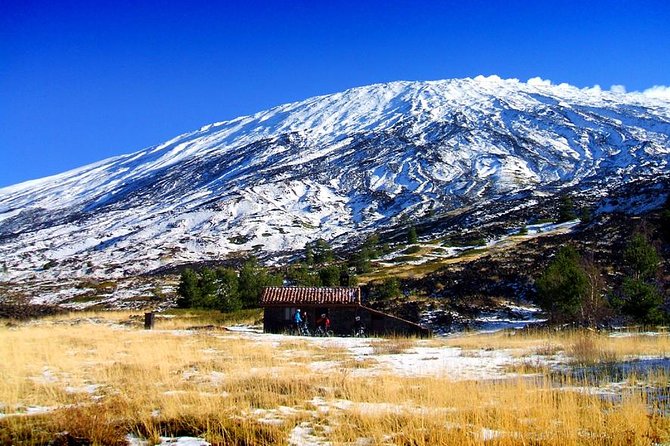
Midway through, you’ll pause at the Giovanni Gualberto Forestry House. It’s a short stop, but it breaks the ride in a useful way—just long enough to catch your breath, drink a little, and get your bearings.
Stops like this are a big deal on Etna. At higher altitude and with real climbing, it’s easy to burn too hot early. A timed pause helps you reset your effort and makes the second half feel more controlled.
It also adds meaning to the scenery. Even without turning it into a lecture, having a guide point things out gives you something to connect the trail with: what you’re seeing, what the area is, and why this specific terrain works as a biking route.
The Descent: Sandy Dirt Roads Through Woods and Old Lava Flows
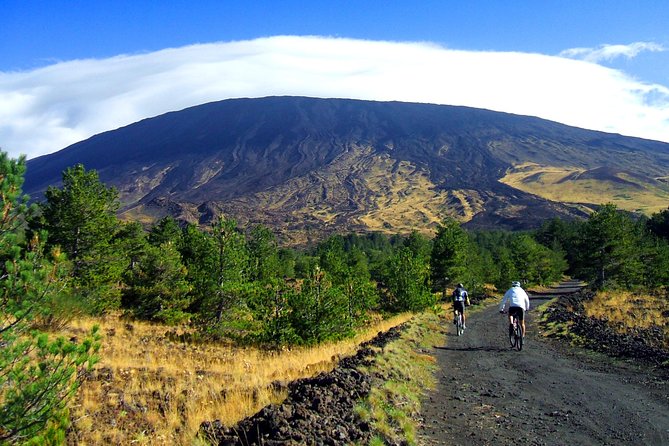
After the forestry stop, the best reward comes: the descent. You’ll ride down along a sandy dirt road through woods and old lava flows, and this is where the mountain bike adventure really shows up.
Descent on sand and dirt is different from descent on smooth pavement. Your speed comes in pulses—sometimes controlled, sometimes quick—depending on traction. You’ll feel the ground under the tires more than you expect, and you’ll likely spend more time thinking about line choice than steering straight down a hill.
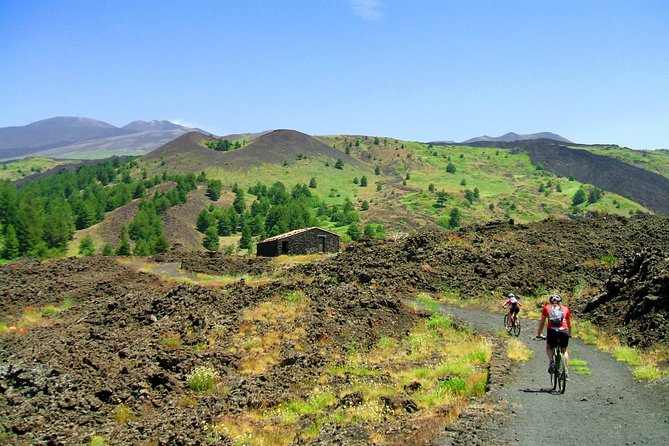
It’s also the portion that makes the volcano feel close. Old lava flows give the terrain texture and character, and the mixture of woods with these features means you’re not looking at the same thing for the whole ride. That variety helps the ride stay interesting even when your legs are tired.
At the end, you roll back to Piano Vetore, the starting point area. That loop structure keeps the day self-contained and makes it easier to plan the rest of your Sicily schedule.
How Hard Is It, Really? 16 km, 1,025m Gain, Medium Difficulty
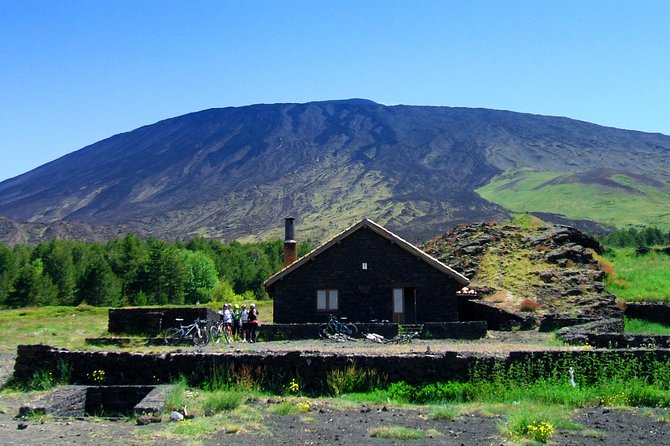
Here’s the practical math that matters: the cycled route takes about 2 hours including stops, covers roughly 16 km, and includes around 1,025m of altitude difference, with a maximum altitude near 1,780m. The ride is listed as 90% off-road.
On paper, that sounds like a decent workout. In real life, it means you should expect sustained effort. The climb isn’t a one-minute steep moment—it’s part of the day’s rhythm, and you’ll likely feel it when you’re switching between technical and non-technical parts.
The tour also explicitly says it’s not suitable for beginners of mountain biking. That’s not gatekeeping; it’s safety and enjoyment. If you’re comfortable shifting, braking confidently on rough ground, and keeping balance through uneven terrain, you’ll probably have a great time. If you’re still learning those basics, the ride could feel stressful instead of fun.
MTB 29er vs Optional e-MTB: Choose the Right Amount of Help
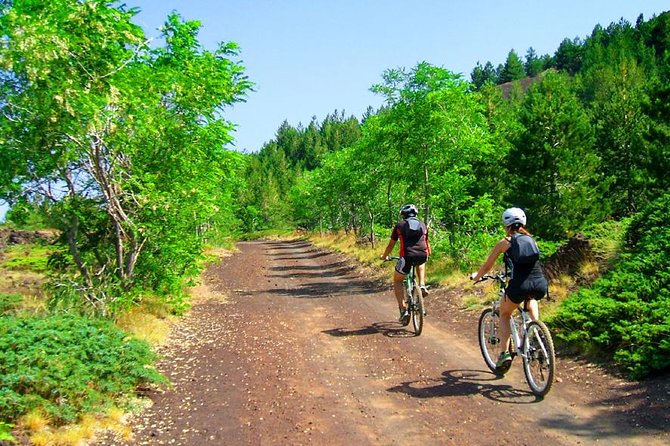
Included bikes are MTB 29er (muscle bike)—the kind of setup that generally rolls over rough ground well thanks to the larger wheels. You’ll also get a helmet, a backpack, and a windbreaker, so you’re not showing up empty-handed for basic protective gear.
There is also an e-MTB option for an extra cost, but you’ll need to request availability. I’d think of it like this: the route is still technical and off-road, so an e-bike doesn’t remove all the riding skills you need. What it can change is how hard the climbs feel.
If you want the lava-trail experience but you’re worried about stamina or you ride recreationally rather than regularly, an e-bike can help you enjoy the descent instead of arriving at it cooked. If you’re already comfortable on medium mountain-bike terrain, the muscle bike may feel like the more authentic workout.
Price and Value: Why $63.06 Can Make Sense
At $63.06 per person for a 2-hour Etna MTB experience, the value mostly comes from what’s wrapped into that price. You’re paying for a certified MTB guide, use of the bike, helmet and windbreaker support, and water.
The tour includes 1 bottle of 500ml water, plus the guide and bike time. For a volcano ride where you’re doing real climbing and off-road traction work, that all adds up. You’re not just renting gear; you’re buying local expertise and a route that’s built around the terrain.
What you’ll need to budget for is basically optional: if you choose an e-MTB, that’s extra, and the tour isn’t tied to private transportation. If you’re already in the area, you just need your own way to the meeting point.
Also, there are group discounts and the tour uses a mobile ticket, which can make things easier day-of.
What to Bring (Because Etna Won’t Do It for You)
The essentials are simple. Bring water—you’re recommended 1 or 2 liters—and bring snacks. Even with 500ml included, you’ll burn more than you think during a medium ride with altitude gain.
Wear clothing you’re comfortable getting dusty and warm. The windbreaker is provided, but you still want breathable layers under it in case you get warm during climbs.
If you’re sensitive to the sun, consider sunglasses and sun protection. You’ll be at high altitude, moving through open areas, and you don’t want to turn the ride into a squinting contest.
One more practical tip: you’ll enjoy the ride more if you go in with a realistic effort plan. Don’t sprint the first climb. Save your energy for the descent and the sections where you’ll need focus.
Timing, Weather, and Making the Ride Feel Smooth
This experience requires good weather. That matters on Etna because off-road terrain plus wet or poor conditions can change the whole feel of the ride. When weather is good, you’ll get cleaner traction and more predictable line choices.
Also note: you’re riding around a volcano area in the Etna South zone, so temperatures can feel different than at lower elevations. You’ll probably appreciate having the included windbreaker even when the sun is out.
Lastly, your tour time is set at 9:30 am. Early starts are a gift on Etna. Cooler air usually means your body handles the climbing better, and you get more comfortable riding before conditions shift later in the morning.
Who Should Book This Etna MTB Ride
Book it if:
- You already ride mountain bikes and feel comfortable on uneven dirt.
- You want a workout that stays fun thanks to lava scenery and varied terrain.
- You like having a guide who explains what you’re seeing—people highlighted guides like Luca for the way he shares information.
Consider another option if:
- You’re brand-new to mountain biking.
- You’re looking for a relaxed, mostly flat outing.
- You prefer sightseeing by foot or car rather than spending effort on trails.
Should You Book Mountain Biking Etna by MTB or E-Bike?
Yes, if your goal is an authentic Etna experience with real motion. The combination of 90% off-road, substantial altitude gain, and a guided route through lava and forest makes this more memorable than a typical “viewpoint only” day.
I’d particularly like this for you if you’re the type who enjoys learning the terrain—how it changes under tires, how the guide’s context makes the volcano feel real, and how the descent brings the day together. Go in with mountain-bike comfort and smart energy pacing, and you’ll likely finish with that satisfying “we actually rode somewhere” feeling.
If you’re uncertain about your fitness or comfort level, it may be worth asking about the e-MTB option before you commit. That’s often the difference between feeling adventurous and feeling overmatched.
FAQ
What kind of bike is included?
You get use of an MTB 29er (muscle bike). An e-MTB option is available for an extra cost (availability on request).
How long is the ride?
The cycled route takes about 2 hours including stops.
How difficult is it?
It’s rated medium. It requires normal mountain-bike knowledge and is not suitable for beginners.
Where does the tour start and end?
It starts at Pista Altomontana Etna near Cancello Filiciusastrada per salire al Galvarina (Ragalna CT) and ends back at the same meeting point.
What should I bring?
Bring water (1 or 2 liters) and snacks. A 500ml bottle of water is included.
What happens if the weather is poor?
The experience requires good weather. If it’s canceled due to poor weather, you’ll be offered a different date or a full refund.