REVIEW · MUNICH
Munich: Street Art Bike Tour
Book on GetYourGuide →Operated by Munich Walk Tours · Bookable on GetYourGuide
Munich looks tidy, until you find the paint. This street art bike tour flips the script, taking you from the city’s polished image to the graffiti roots from the 1980s. Two things I really liked: the way the ride connects big street-art facts to what you’re actually seeing, and the momentum of cruising along the Isar river with fresh walls popping up as you pedal.
One thing to keep in mind: this is a 3.5-hour bike outing, and the tour runs in German, so you’ll want to be comfortable riding and following along even if you’re not fluent.
In This Review
- Key things I’d circle on your map
- Munich’s graffiti story starts in surprising places
- The 3.5-hour bike format: what you’re really signing up for
- Meeting at Marienplatz: how to find your guide fast
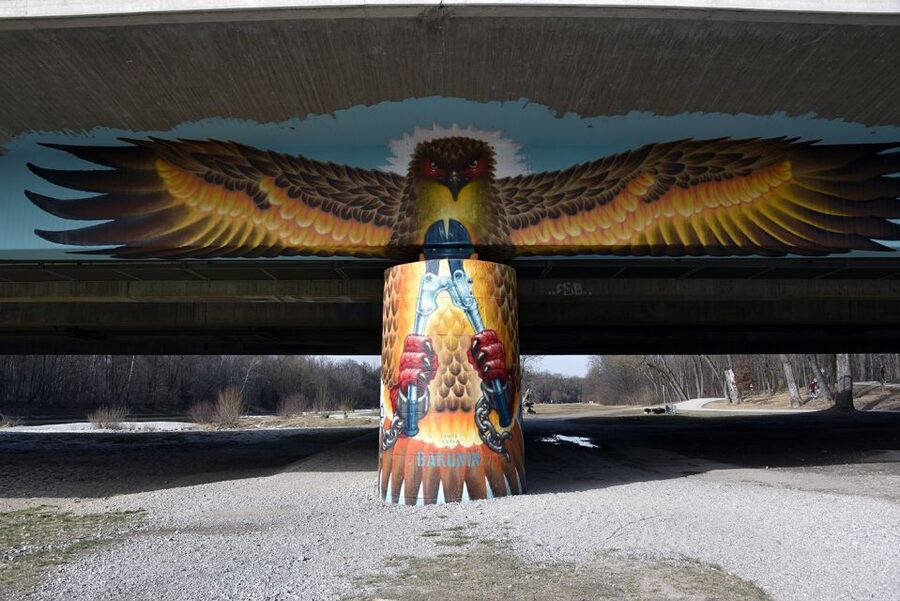
- Isar river murals: where the city shows its street side
- Giesing back streets: the ride away from tourist Munich
- Slaughterhouse district stops: old masters meet new styles
- A break on a boat by a railway bridge
- What your guide actually adds (and why that matters)
- Colors, rules, and real-world street art behavior
- Price and value: is $40 a fair deal?
- Who should book this Munich street art bike tour
- Should you book it or skip it?
- FAQ
- FAQ
- How long is the Munich Street Art Bike Tour?
- How much does it cost?
- Where do I meet the guide?
- Are bikes included?
- What language is the tour in?
- Is a private group available?
- Is it suitable for children or wheelchair users?
- Are alcohol and drugs allowed on the tour?
- Can I cancel for a full refund?
Key things I’d circle on your map
- Marienplatz meetup with a clear sign (yellow, red letters) so you don’t waste time hunting
- Isar river route where graffiti and river life sit side by side
- Giesing detour into a former working-class neighborhood, away from the tourist core
- Old masters + new street artists so you get the story, not just the sights
- Slaughterhouse district stops paired with a calmer break on a boat by a railway bridge
Munich’s graffiti story starts in surprising places
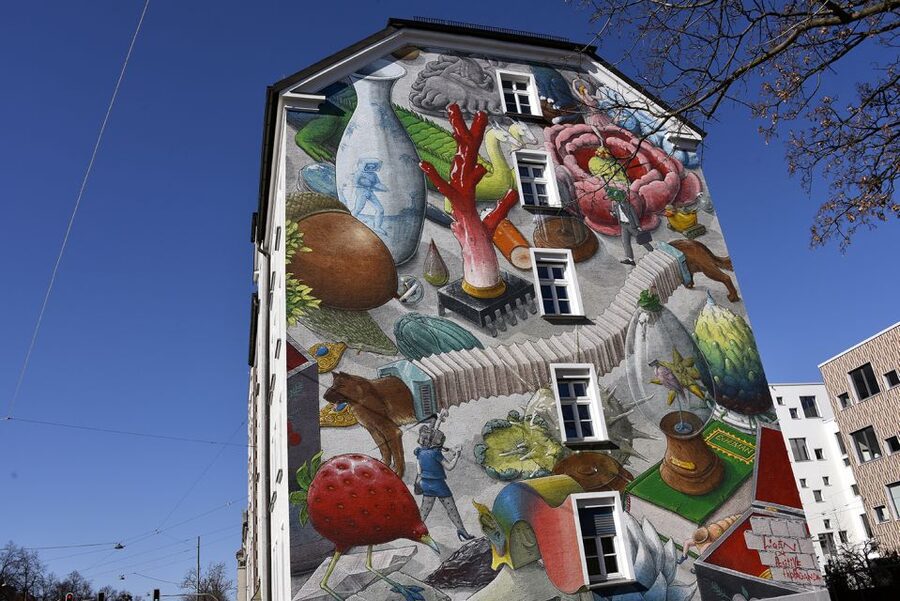
Here’s the Munich twist: today it’s clean, proper, and carefully designed. But Munich also helped pioneer the graffiti movement in Germany in the 1980s. So when you do a street art tour on a bike, it doesn’t feel like a side quest. It feels like the missing chapter.
The tour is built around that contrast. You’ll start in the middle of the city, then ride out into areas where street art makes more sense: it’s close to everyday life, not tucked behind museum walls. And because graffiti is part of pop culture, part of protest, and part of neighborhood identity, the best way to understand it is at street level, moving through the places that shaped it.
Also, Munich gets compared to other major graffiti hubs. The idea here is that Munich was considered a graffiti mecca alongside New York. That context matters, because it helps you see these pieces as part of a wider scene, not just random wall decoration.
You can also read our reviews of more tours and experiences in Munich.

The 3.5-hour bike format: what you’re really signing up for
This tour is 210 minutes. That’s enough time to go beyond “see a couple murals and go home,” but it still stays doable if you’re a normal visitor with average fitness. You’ll be on a rental bike the whole time, and you’ll stop often enough to look up, take photos, and hear the guide explain what you’re seeing.
Why the bike matters: street art changes every few blocks. A walking tour can do it, but cycling keeps the pace right. It also helps you reach the less-touristy areas like Giesing without making the day feel like logistics homework.
What you should plan for:
- You’ll spend real time riding, not just standing still.
- You’ll get to spots along the Isar river, then swing farther off the usual routes.
- Expect a few guided pauses where you slow down long enough to absorb the story behind the art.
If you’re the kind of person who likes street corners, wall textures, and quick visual clues about a city’s identity, this format suits you well.
Meeting at Marienplatz: how to find your guide fast
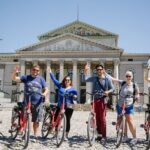
You meet the local guide in front of the Tourist Information Office at Marienplatz. Your guide will hold a yellow street art tour sign with red letters. That’s a gift in a city where half the challenge can be simply meeting the right person.
I like meetups that are visually obvious like this. It reduces that awkward start-of-tour scramble and helps you get going while you still have energy to notice details.
From there, you’re not just heading to “the next mural.” You’re being positioned for the day’s theme: Munich’s graffiti rise, how styles evolved, and where you can see the traces of older culture and newer street artists.
Isar river murals: where the city shows its street side
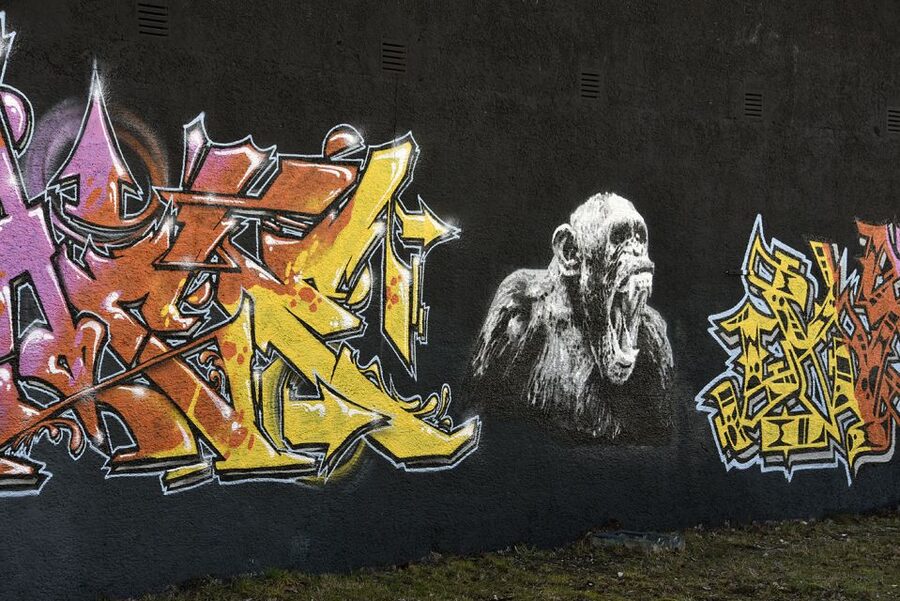
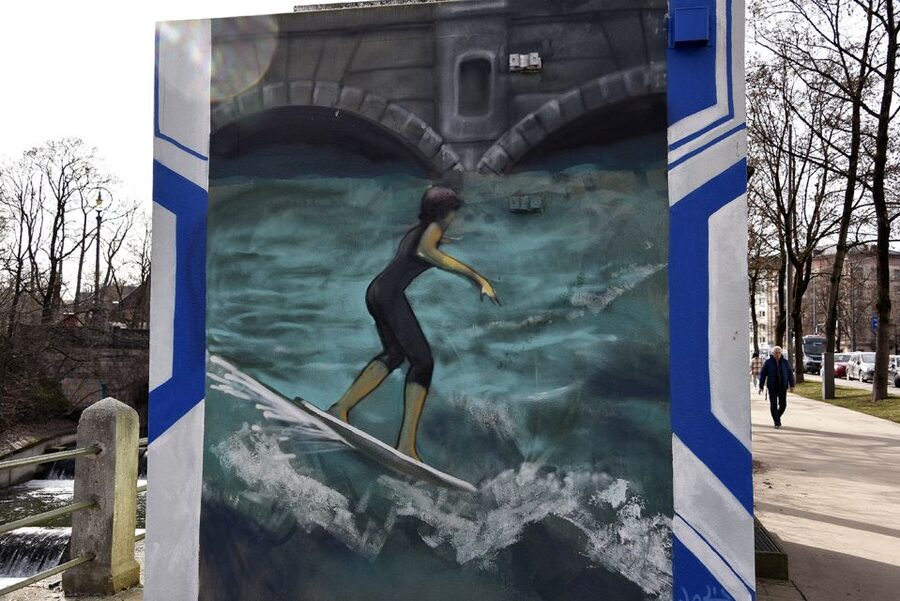
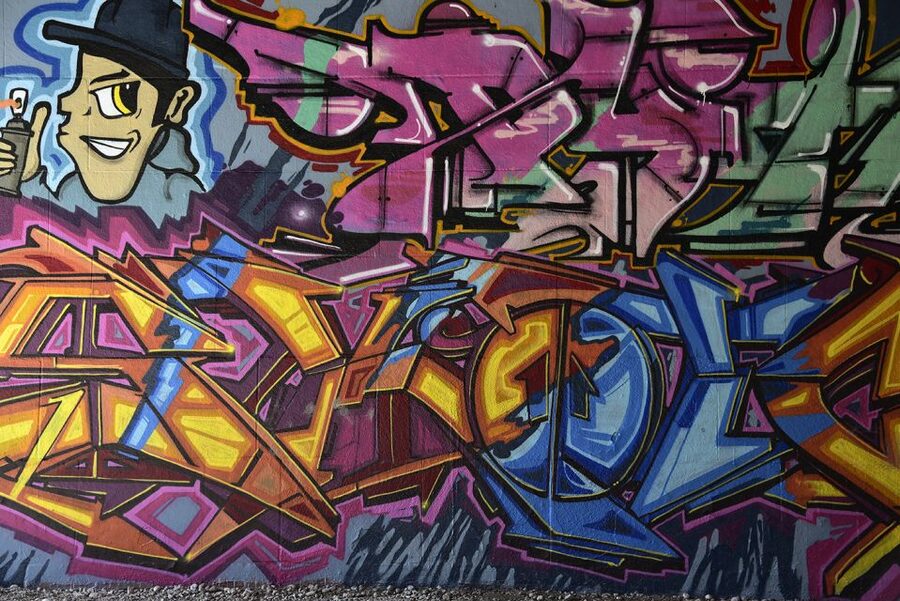
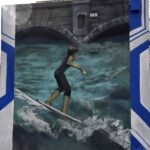
One of the best parts is how the tour uses the Isar river. Rivers in European cities often act like living corridors. People walk them, commute beside them, and hang out near them. That makes them prime real estate for artists because the walls and underpasses aren’t sealed off from daily life.
As you stroll along the Isar river portion of the tour, you’re looking for more than color. The guide’s job is to help you connect the artwork to the graffiti story in Germany: when graffiti landed, how it changed, and what different styles tend to communicate.
What I’d watch for as you ride and stop:
- Layers. Graffiti scenes evolve fast. You may see older work with newer tags layered nearby.
- Contrast. In one area you might spot pieces tied to the movement’s earlier days, then later works that feel more current.
- Placement. Pay attention to where artists choose to work. River paths and river-adjacent spaces tend to get seen by lots of people.
If you’re a photo person, this section is the sweet spot. It’s scenic enough to frame shots, but still real enough to feel like Munich life, not a staged set.
Giesing back streets: the ride away from tourist Munich
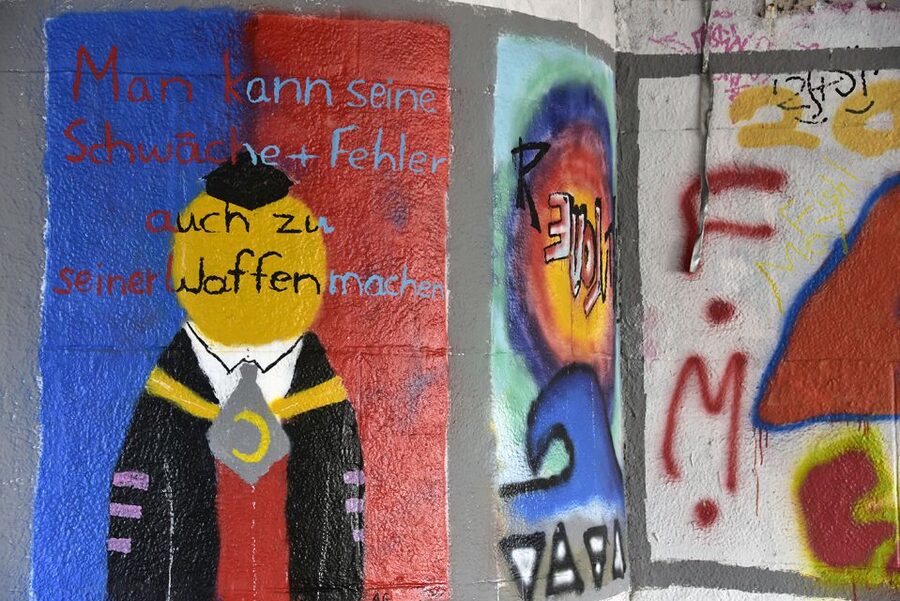
After the river section, the tour heads toward Giesing. This matters because Giesing is described as a former working-class neighborhood. That description is useful, not just trivia.
Street art often thrives where everyday life is strong and the walls belong to locals as much as to visitors. So when you ride into Giesing, you’re more likely to see works that feel connected to neighborhood rhythms—things people walk past without turning their heads too much, which is exactly why the art stays authentic.
You’ll enjoy the ride to Giesing and then explore the area on foot. This is where the tour earns its value: it isn’t only about spotting pretty pieces. It’s about teaching you how to read a wall in context.
One extra detail that stayed with me from a named guide account: on some tours, the guide points out a mural tied to the Gemüse/Obst area, and you may get a chance to understand why that kind of theme shows up in street art culture. (Even if you’re not a mural expert, it helps you notice intent.)

Slaughterhouse district stops: old masters meet new styles
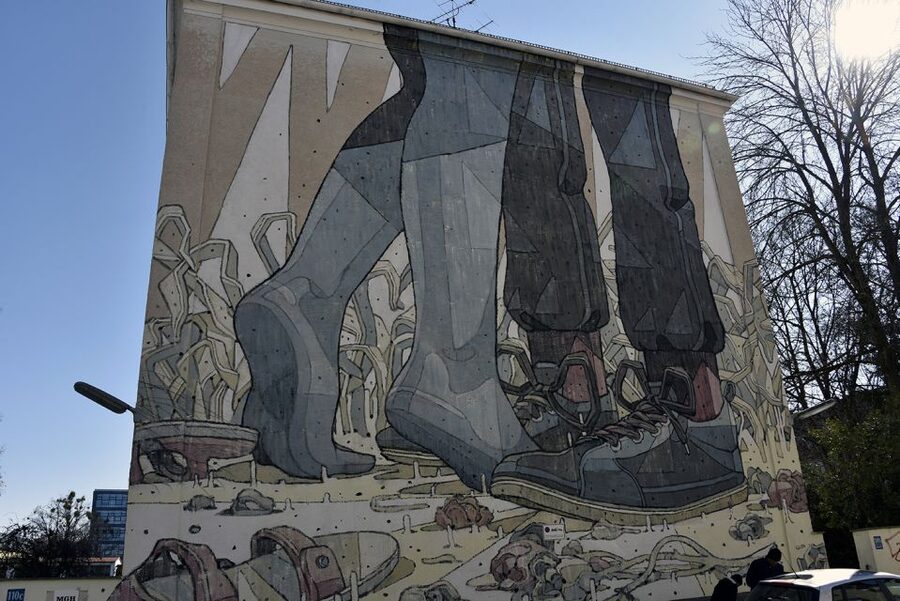
Next up is the slaughterhouse district. The name alone sets a mood. It’s the kind of area where you might expect industrial surfaces, rough textures, and walls that have seen a lot of movement over time. That’s a natural fit for graffiti history, because early graffiti was often tied to surfaces that felt public, gritty, and hard to ignore.
This is also where you’ll get a mix of old and new:
- You’ll pass by works connected to the older masters who helped shape graffiti culture.
- Then you’ll see pieces from up-and-coming street artists whose work shows what’s happening right now.
The tour doesn’t treat graffiti as one era frozen in time. It treats it as a living practice. That’s why older references matter here. When you know what came first, the newer pieces start to make more sense. You can look at a wall and feel like you’re watching a conversation, not just looking at an image.
Drawback to consider: if you only care about modern street art visuals and you skip the history portion mentally, you might miss half the point. I recommend letting the guide’s context land while you’re still in motion and the pieces are fresh.
A break on a boat by a railway bridge
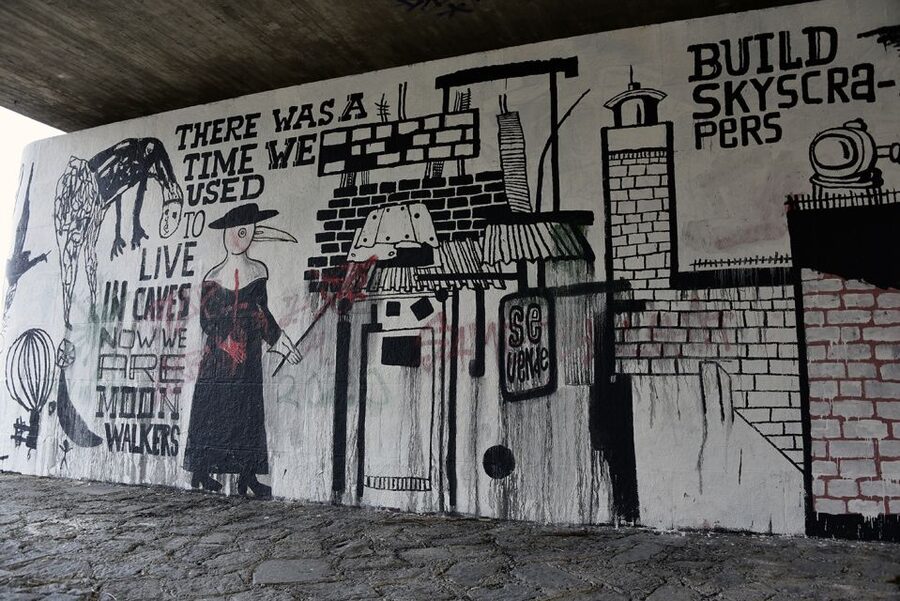
At some point in the day, you take a break on a boat at a railway bridge. It’s not a long pause, but it’s a smart one. You’ve been riding and scanning walls. Your brain needs a reset, and the break gives you that.
I like this kind of inclusion for two reasons:
- It stops the tour from turning into a nonstop looking session.
- It gives you a different angle on the area you just rode through.
Even better, it breaks the rhythm between the street-art storytelling and the physical act of cycling. If you’re on the fence about a bike tour feeling too tiring, this mid-tour pause helps justify the effort.
What your guide actually adds (and why that matters)
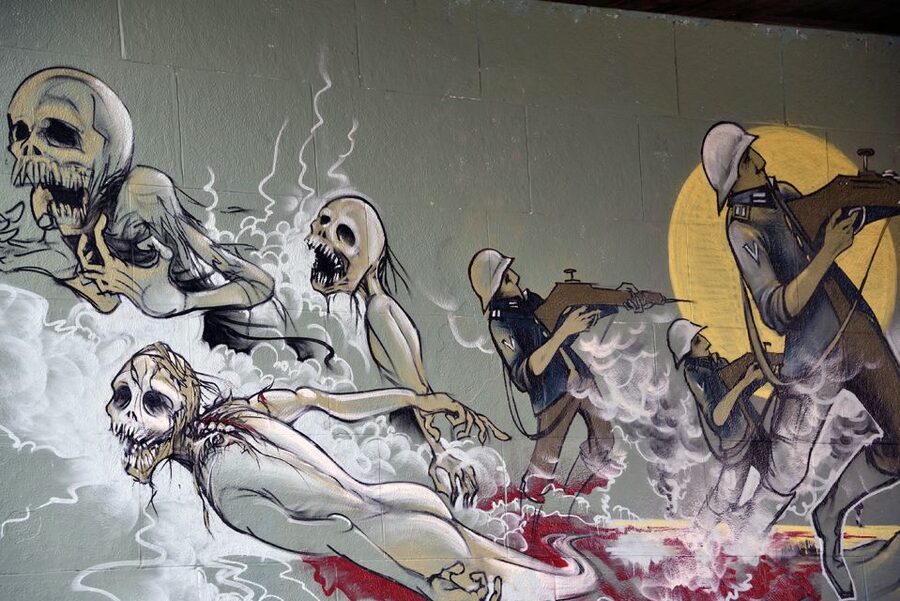
Street art tours can be either surface-level photo walks or real learning experiences. This one aims for the second option by teaching you the history behind what you see.
You’ll learn exciting facts about graffiti history in Germany, including how Munich became a pioneer in the 1980s. You’ll also hear why graffiti became a recognizable movement, and how artists built styles that people could track over time.
One thing I appreciated: the guide name Ulrike shows up in confirmed departures, and she’s described as friendly, patient, and prepared to explain clearly even when the group included English speakers. Even though the tour language is German, that effort can make a difference in whether you feel included or left behind.
Practical tip: use simple tactics. If you don’t catch every word, focus on the guide’s references to time periods and the style differences. Those are easier to follow without full German fluency.
Colors, rules, and real-world street art behavior
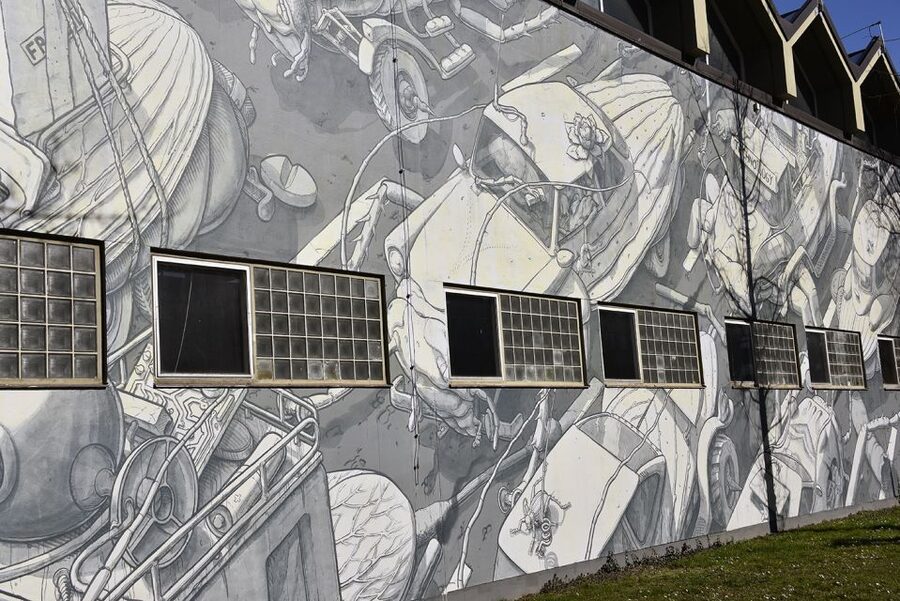
The tour highlights the colors and energy street art brings to Munich, but it also carries the reality of street art culture. You’ll notice that graffiti isn’t just art. It’s often tied to who has access to walls, how communities see themselves, and how artists mark presence.
There are also basic behavioral rules. Alcohol and drugs aren’t allowed. That keeps the outing focused on seeing and learning, not turning into a party. For many people, that’s a positive.
Another practical note: the tour isn’t listed as suitable for wheelchair users, and it’s not aimed at children under 10. The bike time and the nature of street environments matter here.
Price and value: is $40 a fair deal?
At $40 per person for 210 minutes with a guide and a rental bike, the value is pretty solid. You’re paying for:
- Expert guidance that connects what you see to graffiti history
- Transport support via bike rental
- Time in multiple areas: city center, river zones, Giesing, and the slaughterhouse district
- Stops that include both walking and a boat break
If you were trying to replicate this on your own, you’d likely end up spending money on bike rental anyway, plus time trying to find the right places and figure out what you’re looking at. For a visitor, that’s where tours win. They save you confusion and help you see details you might otherwise miss.
Also, the tour has an average 4.6 rating from 66 reviews, which is a good signal that most people are leaving happy. That doesn’t guarantee your experience, but it’s a helpful consistency check.
Who should book this Munich street art bike tour
I’d point you toward this tour if you:
- Like street art more than traditional sightseeing
- Enjoy bike tours and can handle 3.5 hours on the road
- Want context, not just photos
- Are curious about Germany’s graffiti roots in the 1980s
It may be less ideal if you:
- Want a fully English-led experience. The tour is German, so you’ll likely follow better if you can understand at least some basic German or if you’re okay with partial comprehension
- Are not comfortable riding a bike for extended stretches
- Are traveling with younger kids, since it’s not suitable for children under 10
And if you’re the type who loves authentic neighborhoods more than polished highlights, you’ll probably feel rewarded by the push into Giesing and the slaughterhouse district rather than staying in the postcard zone.
Should you book it or skip it?
Book it if you want Munich street art with movement, context, and a route that reaches beyond the obvious stops. The $40 price feels reasonable for a guided 3.5-hour bike outing that includes the Isar river, Giesing, the slaughterhouse district, and that boat break by a railway bridge.
Skip it if German-only tours make you uncomfortable or if you prefer short walking-only sightseeing. Also, if you don’t enjoy biking, you’ll lose the main advantage of this experience.
FAQ
FAQ
How long is the Munich Street Art Bike Tour?
The tour lasts 210 minutes.
How much does it cost?
It costs $40 per person.
Where do I meet the guide?
Meet the guide in front of the Tourist Information Office at Marienplatz. The guide will be holding a yellow street art tour sign with red letters.
Are bikes included?
Yes. Rental bikes are included.
What language is the tour in?
The live tour guide speaks German.
Is a private group available?
Yes. Private group options are available.
Is it suitable for children or wheelchair users?
Children under 10 are not suitable, and it is not suitable for wheelchair users.
Are alcohol and drugs allowed on the tour?
No. Alcohol and drugs are not allowed.
Can I cancel for a full refund?
You can cancel up to 24 hours in advance for a full refund.