REVIEW · BUDAPEST
Budapest Highlights Bike Tour with a local guide
Book on GetYourGuide →Operated by Budapest Bike Breeze · Bookable on GetYourGuide
Four hours, one bike, Budapest’s greatest hits. I really like how this tour packs the main sights into a comfortable ride, and I like that your local guide turns landmarks into stories about everyday life and big historical events. One thing to plan for: it moves at a steady cycling pace, so you’ll want to feel confident riding and you’ll miss some optional inside time since there are lots of photo stops.
This is also a smart orientation tour. You’ll ride through major UNESCO World Heritage areas with English-speaking professionals, meet other travelers along the way, and finish with suggestions for what to do next in the Hungarian capital. E-bikes are available for an extra fee if you want less effort.
In This Review
- Key highlights to look for
- Price and time: $34 for a full-city orientation run
- Meeting at Rumbach Sebestyén and getting set up in the courtyard
- Elizabeth Square to Andrássy Avenue: the grand boulevard feel
- Heroes’ Square and Városliget: monuments, park air, and the feeling of ceremony
- Széchenyi Thermal Bath photo stop: iconic Budapest without the long lines
- UNESCO World Heritage stops: why the guide’s stories make the architecture click
- House of Terror, St. Stephen’s Basilica, and Szabadság Square: mood shifts on purpose
- Parliament, Chain Bridge, and the Buda-side finish: the river crossing changes everything
- Bikes, comfort, and pace: what to expect for a 3.5-hour ride
- Who this tour fits best (and who should choose something else)
- Photo-stop strategy: make the most of the quick moments
- What the guides bring (and why the tour feels more personal)
- Should you book the Budapest Highlights Bike Tour?
- FAQ
- How long is the Budapest Highlights Bike Tour?
- What’s included in the price?
- What major places does the tour cover?
- Does the tour run in bad weather?
- What’s the minimum age?
- Can I book an e-bike instead?
Key highlights to look for
- A fast way to see Budapest’s must-sees in about 3.5 hours, without the stress of navigation
- English-speaking local guides with entertaining, on-the-ground stories you’ll actually remember
- 15 scenic stops with photo breaks at major landmarks on both sides of the Danube
- UNESCO World Heritage areas included as part of the sightseeing route
- Comfort-first bikes and helmets that make the ride feel easy and safe
Price and time: $34 for a full-city orientation run
At $34 per person for roughly 3.5 hours, this Budapest bike tour is priced like a practical intro—not a fancy add-on. The value comes from what you get for that time: a quality bike plus helmet, a professional local English guide, and a route that hits a lot of famous buildings and city squares without you spending your half-day stuck in taxis or trying to map everything.
If you’re wondering what that money buys beyond wheels: you’re paying for context. Budapest is visually stunning, but it’s also layered—empire, occupation, revolution, and modern life all overlap in the architecture. A good guide helps you connect what you’re seeing to why it looks the way it does and what it meant to real people.
The other reason the price works: photo stops are built in. That means you’re not racing past everything. You get frequent “look and learn” moments, and the stops keep the ride from feeling like one long commute.
You can also read our reviews of more tours and experiences in Budapest.

Meeting at Rumbach Sebestyén and getting set up in the courtyard
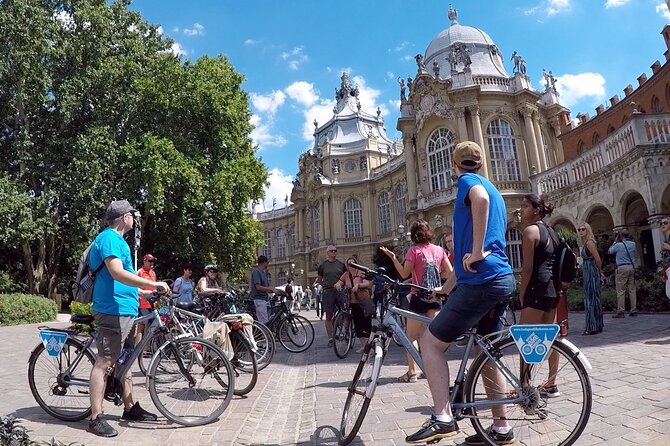
You meet at Rumbach Sebestyén u. 10 (1075). The tip that matters here is simple: ring the bell number 105 at the main gate. You’ll be in the courtyard, not out on the street.
This is one of those tours where being ready saves time. Plan to arrive a few minutes early, bring a light layer (Budapest breezes can shift fast), and be ready to start cycling soon after you get your bike and helmet. Since the tour runs rain or shine, it helps to have a basic rain plan too—something that won’t make you miserable for 3.5 hours.
Elizabeth Square to Andrássy Avenue: the grand boulevard feel
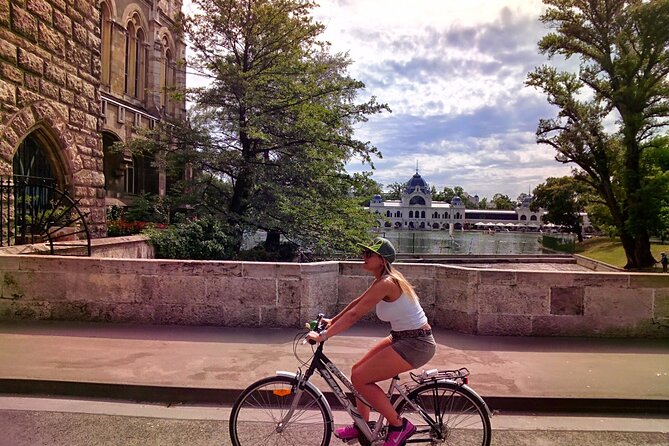
The ride starts near Elizabeth Square, where you get an early photo stop and a quick orientation. This matters because it sets you up to understand the route you’ll follow next: wide streets, major monuments, and the sense that Budapest was designed with big-city visibility in mind.
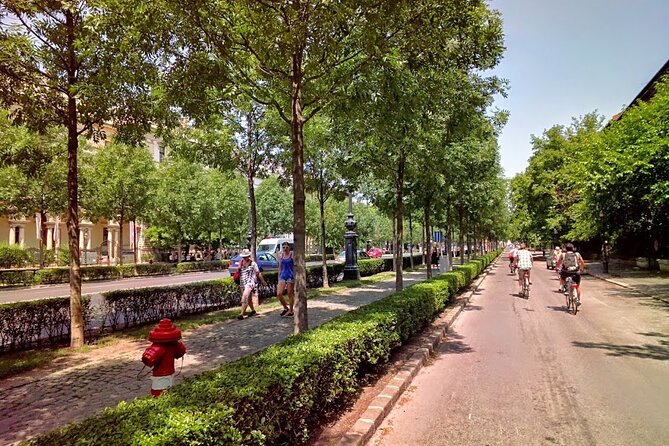
Then you move to Andrássy Avenue—one of the most famous formal boulevards in the city. Expect a photo stop and a guided explanation that turns the street into more than postcard scenery. From here, you’ll also see the Hungarian State Opera House area. Even when you’re just stopping for photos, the guide’s stories help you notice details like scale and style, and how the avenue fits into Budapest’s broader history.
A detail that makes this segment work: it’s paced. You’re not stuck sprinting to keep up. The goal is to cruise at a comfortable pace so you can actually look at what you’re passing.
Heroes’ Square and Városliget: monuments, park air, and the feeling of ceremony
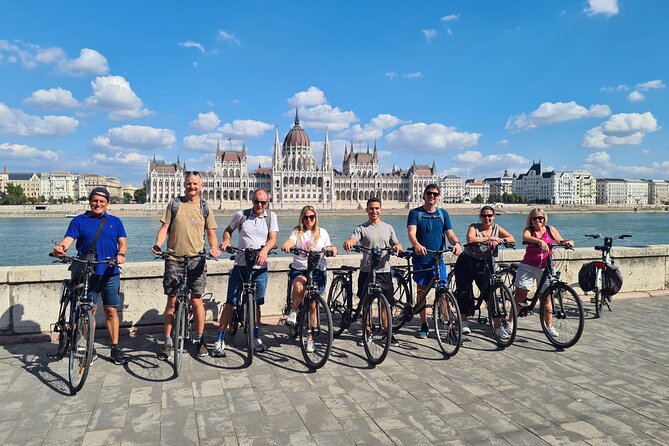
From Andrássy Avenue, the tour heads toward Heroes’ Square, with another photo stop. This is the kind of place where your first reaction is usually, wow—then you realize it’s also a political and historical message written in stone. Your guide’s job is to translate that message into clear, entertaining stories.
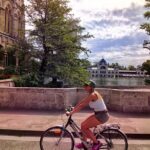
After that, you head into Városliget (City Park). This is where the tour shifts from city monument energy to calmer park atmosphere. You’ll get photo stops around key sights in the park area, including Vajdahunyad Castle.
Here’s the practical takeaway: park routes help you reset your body and your attention. If you’re biking for the first time in a new city, this is a relief. It gives you some breathing room while still keeping you inside the “high sights” loop.
Széchenyi Thermal Bath photo stop: iconic Budapest without the long lines
You’ll also stop at Széchenyi Thermal Bath for photos. I like this approach for a half-day tour because it shows you something unmistakably Budapest—without forcing you into a full thermal visit if you don’t have time.
This is a good moment to ask yourself what you want from your trip:
- If you want the bath experience itself, you can plan a longer visit later.
- If you just want to see the building and understand why it’s such a symbol, this stop gives you that quickly.
The guide’s historical stories help frame why a thermal bath isn’t just a pretty landmark—it’s part of how Budapest evolved and how people socialize and recover. Even a short stop lands better with that context.



UNESCO World Heritage stops: why the guide’s stories make the architecture click
One of the big promises of the tour is that you visit UNESCO World Heritage sites on the route, with English-speaking guides at 15 scenic stops. You’ll see multiple “headline” places, but what makes this section worth your time is how the guide ties them together.
UNESCO areas are protected for specific reasons—planning, architectural importance, and historical significance. Without help, it can feel like you’re just collecting famous buildings. With help, you start noticing patterns: the way the city’s layout reflects power and identity, and the way different eras left their mark.
A few of the stops that benefit from this style of explanation:
- House of Music Hungary and the nearby museum area (you’ll get quick photo stops)
- Ethnographic Museum photo stop
- House of Terror photo stop (this one carries a heavier mood, and your guide’s narration is key to making sense of it)
The balance is thoughtful: yes, there’s beauty and ceremony, but you also get the parts of Budapest history people can’t ignore.
House of Terror, St. Stephen’s Basilica, and Szabadság Square: mood shifts on purpose
Budapest isn’t only postcard city. Your route includes House of Terror, where you’ll stop for photos. This is one of those sights that can overwhelm you if you’re not given context. A good guide helps you read the site instead of just looking at it.
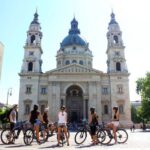
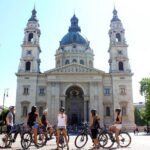
Then you shift to St. Stephen’s Basilica, with a photo stop. The Basilica feels like a change of tempo—taller lines, a different kind of grandeur. Even if you’re not going inside on this ride, the stop is enough to orient your eye for later.
After that comes Szabadság Square with another photo stop. This square is one more point where your guide’s narrative makes the city make sense as a whole, not as separate attractions.
A common theme in guides who lead these tours: they keep the story moving so you don’t lose the thread. Some rides include plenty of Q&A time too, which helps if you’re the type who asks why a building looks the way it does.
Parliament, Chain Bridge, and the Buda-side finish: the river crossing changes everything
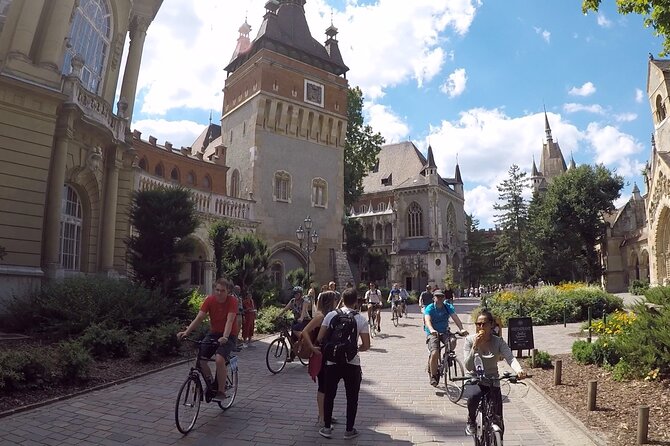
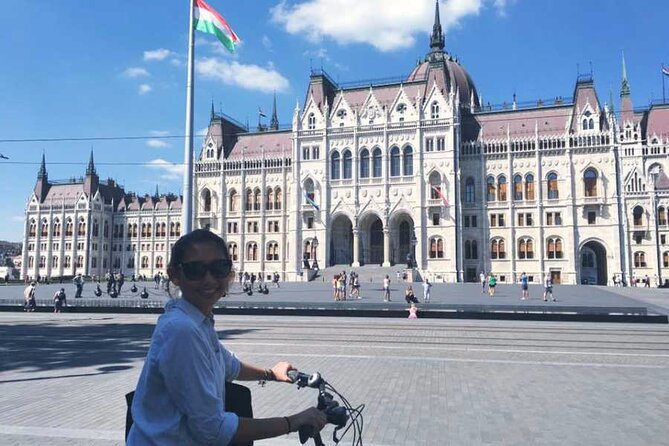
Later in the tour, you’ll reach the Hungarian Parliament Building for a photo stop. This is where Budapest really earns its reputation: the building is dramatic from many angles, and your guide helps you understand why it became such an enduring symbol.
Next is the Chain Bridge. Expect a stop for photos and guided commentary. Crossing the Danube changes the whole feel of the city—sightlines open up, and you start getting the “two halves” understanding that’s essential for first-time visitors.
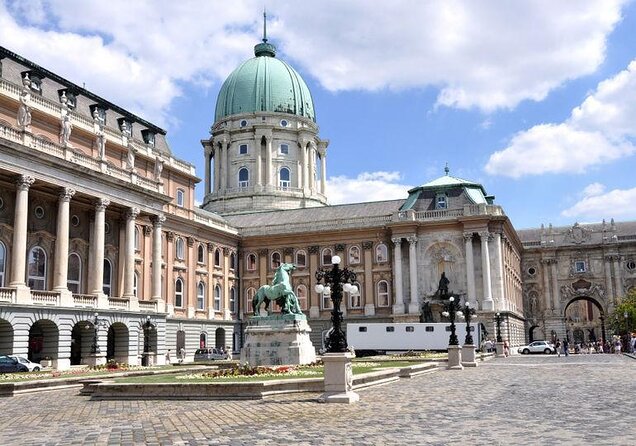
Then you head toward Castle-bazaar and finish with Elizabeth Bridge before returning to the start point.
This final sweep is valuable because it helps you build a mental map:
- Pest side: big boulevards, major institutions, and wide public spaces
- Buda side: the castle district vibe, older layers of the city, and a different rhythm
By the end, you’re not just tired—you’re oriented.
Bikes, comfort, and pace: what to expect for a 3.5-hour ride
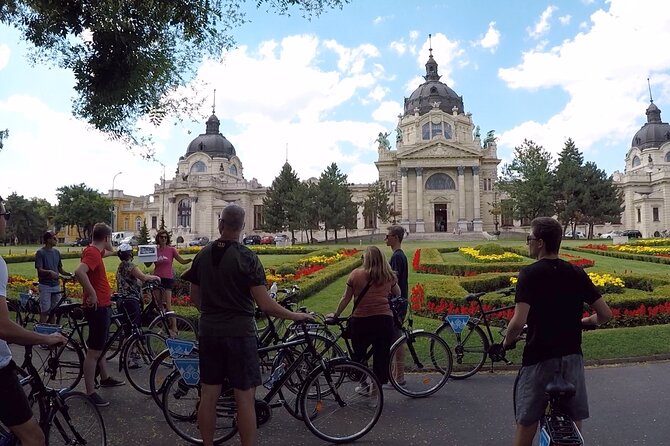
The tour includes a quality bike and helmet, and the route is designed for a comfortable pace. In one recent experience, the ride covered about 15 km over about 4 hours with lots of stops, and the pace was described as just right. That gives you a realistic sense of how the tour balances cycling time with breaks for photos and explanations.
What I’d watch for:
- You should be able to ride a bike confidently, since there’s no alternate “sit back and be carried” option.
- You’re looking at a steady city ride, not a slow stroll.
- Since many stops are photo stops, don’t expect a long time sitting inside every landmark.
Also note the practical extras: e-bikes can be booked as an extra. If you want the same route with less leg work, that option can make the tour feel much more relaxing—especially if you’re in Budapest for a short stay and want your energy for later.
Who this tour fits best (and who should choose something else)
This tour is ideal if you:
- Want to see a lot of major Budapest sights in one morning or afternoon
- Like history when it’s delivered as stories, not lectures
- Prefer cycling to public transit because it’s faster and you get city views between stops
- Want a built-in orientation so you know where to go next
It’s not a fit if:
- You can’t ride a bike
- You’re under 12 (the minimum age is 12)
- You want a tour that spends lots of time inside museums and monuments (this ride focuses on sights and photo stops, not extended indoor visits)
Photo-stop strategy: make the most of the quick moments
Because many landmarks are brief photo stops, you’ll enjoy this tour more if you travel light and move efficiently at each stop. Here’s a simple approach that works well for a route like this:
- Take one wide shot first, then one closer detail shot when you’re ready
- Ask the guide one practical question per stop (what to notice, why it matters, or what to see later)
- Use the breaks to check your bearings—by the end, you’ll understand where things are relative to each other
One more thing: Budapest’s architecture can look different depending on where you stand. The guide’s commentary helps you pick the best side to photograph and what details to notice, especially around bigger monuments and river views.
What the guides bring (and why the tour feels more personal)
A huge part of why this tour works is the guide format: professional local English-speaking guides who tell entertaining stories and keep things organized across the stops.
From past runs, you might get guides such as Danny/Daniel, Balázs, or Ivana. Different personalities, same goal: help you connect Budapest’s landmarks to the people and events that shaped the city.
You’ll likely feel well looked after, too. Multiple experiences mention that the guides answered questions and kept the tour structured without feeling rushed.
Should you book the Budapest Highlights Bike Tour?
If your goal is to maximize sightseeing in half a day, I think you should book this. For $34, you’re buying comfort (bike and helmet), structure (a route that hits the big names), and context (English storytelling that connects the dots). It’s also a smart first-day activity because it sets up your next moves.
I’d skip or rethink it if you’re not comfortable on a bike, if you want deep museum time, or if you dislike photo-stop pacing. But if you like moving through a city, stopping often, and learning as you go, this Budapest Bike Breeze tour is a strong value way to get your bearings fast.
FAQ
How long is the Budapest Highlights Bike Tour?
The tour lasts 3.5 hours.
What’s included in the price?
You get use of a quality bike and helmet, plus a local English-speaking professional guide.
What major places does the tour cover?
You’ll see stops for Elizabeth Square, Andrássy Avenue, Heroes’ Square, Városliget, Széchenyi Thermal Bath, Vajdahunyad Castle, House of Music Hungary, Ethnographic Museum, House of Terror, St. Stephen’s Basilica, Szabadság Square, the Hungarian Parliament Building, Chain Bridge, and Castle-bazaar, plus Elizabeth Bridge.
Does the tour run in bad weather?
Yes, it runs rain or shine.
What’s the minimum age?
The minimum age is 12 years.
Can I book an e-bike instead?
E-bikes can be booked as an extra.