REVIEW · TOKYO
Tokyo Cherry Blossoms blooming spots E-bike Tour, 3hrs
Book on Viator →Operated by Cycling Holiday Tokyo · Bookable on Viator
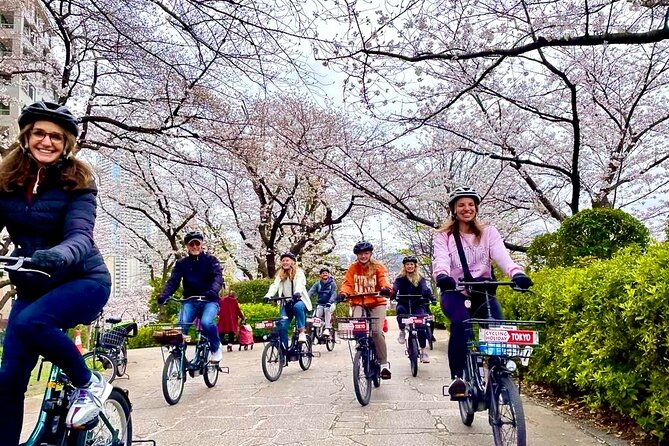
Cherry blossoms and bicycles sounds like a perfect Tokyo spring day, but this tour adds a real practical twist. You get electric-assist riding plus a guide, so you can cover several classic blossom areas without turning it into a full-day walking mission. You also stay in tight paths and park edges where cars don’t really belong.
What I like most is the small group size (max 6), which makes the whole ride calmer and easier to navigate. I also like that the route is built around short, timed stops where you can actually get off the bike—like at Yasukuni Shrine—instead of just snapping photos while rolling by.
The only drawback to keep in mind is that cherry bloom timing can be late, and spring can be unpredictable. The company has shown they’ll adjust when blossoms aren’t at peak, but if you’re traveling with a very fixed schedule, that uncertainty is worth respecting.
In This Review
- Key things to know before you ride
- Sakura season is better when you can actually move
- Getting started near Kanda: simple logistics, low friction
- Riding where cars can’t reach
- Stop-by-stop: what each sakura stop is really like
- Chidorigafuchi: first blossoms, easy rhythm
- Yasukuni Shrine: get off the bike and slow down
- Sotobori Park: cherry trees along the outer moat
- Hibiya Park: quick views from the ride
- Kensei Kinenkan: another get-off-and-look moment
- The guide is the main ingredient
- When blooms are late: what happens to your cherry blossom plan
- Price and value: does $64.57 make sense?
- Practical tips to get the most out of your 3 hours
- Who this tour suits best
- Should you book this Tokyo Cherry Blossoms e-bike tour?
- FAQ
- How long is the Tokyo cherry blossoms e-bike tour?
- How much does the tour cost?
- Where is the meeting point?
- How many people are in a group?
- What’s included in the price?
- What should I bring?
- What if the cherry blossoms are not blooming or the weather is poor?
Key things to know before you ride
- E-bikes help you move smoothly through central Tokyo with less strain than regular cycling
- Small-group format (up to 6) keeps the ride organized and photo stops workable
- Guided stops on foot at major blossom areas like Yasukuni Shrine and Kensei Kinenkan
- Multiple parks in 3 hours means you see more than one neighborhood of sakura
- Late-bloom flexibility: the team may pivot the route if blossoms aren’t cooperating
- Bring your own weather plan since rain gear isn’t included
Sakura season is better when you can actually move
Tokyo cherry blossoms are famous for a reason. But if you try to see them only on foot, you’ll feel it fast: long distances between parks, crowds at the popular spots, and the constant question of where to go next. This is why an e-bike tour makes sense. The electric assist helps you keep a steady pace without turning your whole day into a leg workout.
You’ll also appreciate the flow of a guided route. Your guide isn’t just steering you from stop to stop—they’re giving context along the way and helping you get the most out of each brief window. In the reviews, different guides stood out for being fun, polite, and quick to answer questions. Names you might meet include Take, Jenny, Kenta, Kay, Takako, Yoshiko, and Yoshihisa (often mentioned as Yoppi).
One more reason this tour feels like good value: you’re not paying for a single view. You’re paying for multiple cherry blossom viewing locations in a compact 3-hour window, with equipment included.
You can also read our reviews of more tours and experiences in Tokyo.

Getting started near Kanda: simple logistics, low friction
The meeting point is at Cycling Holiday Tokyo (Kanda base), near Kanda Station. The address listed is 3-chōme-8-6 Uchikanda, Chiyoda City. If you want an easy warm-up, there’s even free Wi‑Fi at the base, which is handy if you’re checking your route or translating something before you go.
What’s included matters here because it reduces prep stress. You get:
- Rental e-bike
- Rental helmet
- Guide
- Insurance
- A place to leave your luggage during the tour (except valuables)
Just know the tour has a practical requirement: you must be able to ride a bicycle. If you can’t pedal safely, you can’t join. The minimum age is 12, and the minimum height is 147 cm (4 ft 10 in).
Timing is also important. The tour runs about 3 hours, and it’s scheduled around blossom viewing windows in several parks. That means you’ll want to show up on time, with your water situation handled. Food and drinks aren’t included, so plan to either grab something before you meet or find a break elsewhere on your own.
Finally, pack for spring reality. They recommend towels and sunscreen in summer, and warm clothes plus gloves in winter. Rain gear isn’t included, so bring something light if the forecast looks questionable.
Riding where cars can’t reach
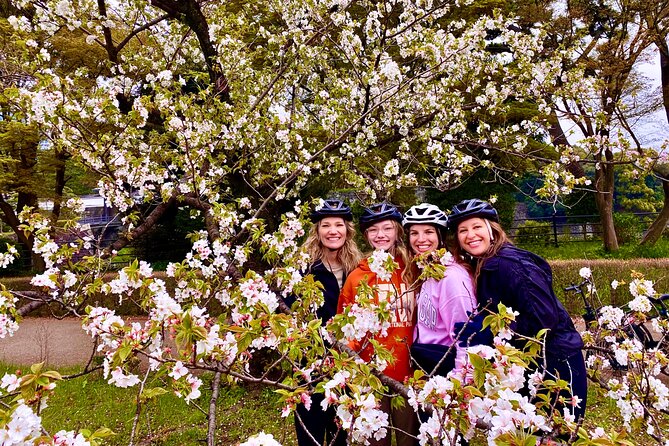
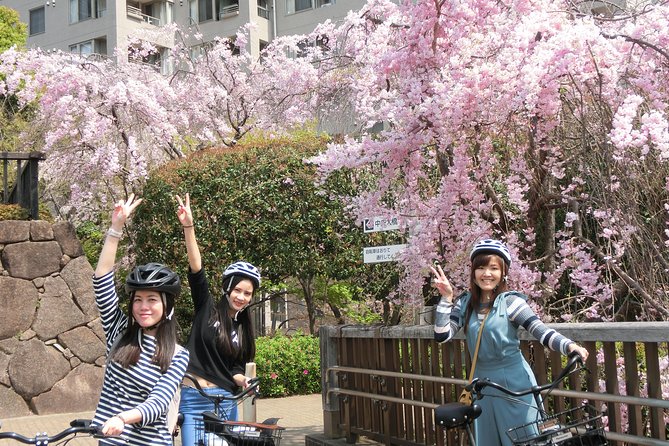
One of the best reasons to take this kind of tour in Tokyo is simple: not all cherry blossom spots are convenient by car. This route is designed for paths and park edges where you can move without fighting traffic.
And because the group is kept small—up to 6 people—you won’t have that long, stretched-out line that makes stops messy. Reviews repeatedly highlight how the small size makes it easier for the guide to manage the group and for everyone to take photos without constant regrouping.
Electric assist also changes the vibe. Instead of stressing about distance or hill strength, you can focus on what’s in front of you: cherry trees, park atmosphere, and the guide’s explanations. That matters in a city where spring crowds can turn normal walking routes into a stop-and-go headache.
Stop-by-stop: what each sakura stop is really like
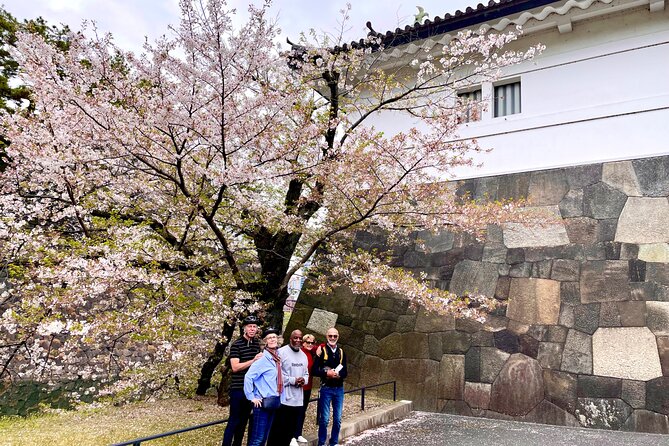
The tour runs like a sequence of short park moments, plus a mix of riding-by views. That pacing is intentional: you get frequent photo chances and you don’t feel stuck in one place too long.
Chidorigafuchi: first blossoms, easy rhythm
The ride begins with a stop at Chidorigafuchi. You’ll spend about 10 minutes here, enjoying cherry blossom trees while passing by on the e-bike.
This first stop works well for two reasons. First, it helps you settle in fast—new riders can get used to handling the bike before the more structured moments later. Second, it sets expectations: you’re not just riding for scenery, you’re stopping with purpose.
A small caution: since this is quick, bring your photo game. If you want specific angles, decide early and move promptly when the guide signals the timing.

Yasukuni Shrine: get off the bike and slow down
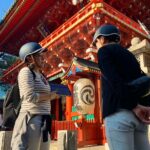
Next is Yasukuni Shrine, with about 15 minutes on foot. This is one of the spots where you’ll actually get off the bike and look around, rather than only viewing while rolling past.
Fifteen minutes sounds short, but it’s enough to do three practical things: take a series of photos, look for a calmer viewpoint, and absorb the atmosphere. The shrine stop is also where the tour feels most human—people out enjoying spring, families taking photos, and the sense that this is more than just a photo stop.
If you care about learning what you’re looking at, this is the moment to ask questions. The tour format gives you time, and guides in the reviews (including Take and Jenny) were praised for making history and culture feel understandable without turning it into a lecture.
Sotobori Park: cherry trees along the outer moat
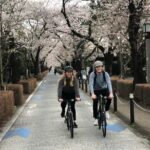
Then you hit Sotobori Park. Here, the tour notes cherry blossom trees along the SOTOBORI outer moat while riding a bicycle, with about 10 minutes.
This stop is different from the shrine moment because it’s more about motion and continuity. You see blossom-lined scenery while you glide, which can feel more like moving through Tokyo in spring rather than pausing in a single frame.
One practical tip: if you want a steady video or multiple photos, keep your hands free and don’t overreach while the bike is in motion. The short timing means you’ll want a plan for what shots you want before you roll into the best viewing stretch.
Hibiya Park: quick views from the ride
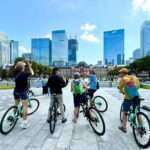
At Hibiya Park, the schedule is about 5 minutes, and you’ll pass by while looking at the cherry blossoms in the park.
This is a classic “blink and you’ll miss it” stop. The plus side is that it keeps the route moving and helps you fit multiple areas into the 3 hours. The downside is obvious: you get less time to linger.
If you’re trying to choose between bringing a friend who loves photos and someone who hates crowds, this kind of short stop often works. The photo person gets the chance, and the rest of the group isn’t stuck for ages.
Kensei Kinenkan: another get-off-and-look moment
The final listed destination is Kensei Kinenkan, with about 10 minutes. You’ll get off the bike and see cherry blossoms in the park area.
This is a good wrap-up stop. By the time you reach it, you’ve already been through several spring settings, and this final one gives you that last chance to slow down, compare how the blossoms look in a different park layout, and take a few photos without feeling rushed.
If your battery brain needs a mental reset, this is often when it helps. You’ll have momentum, and the end-of-tour rhythm can feel like a natural landing before you head back.
The guide is the main ingredient
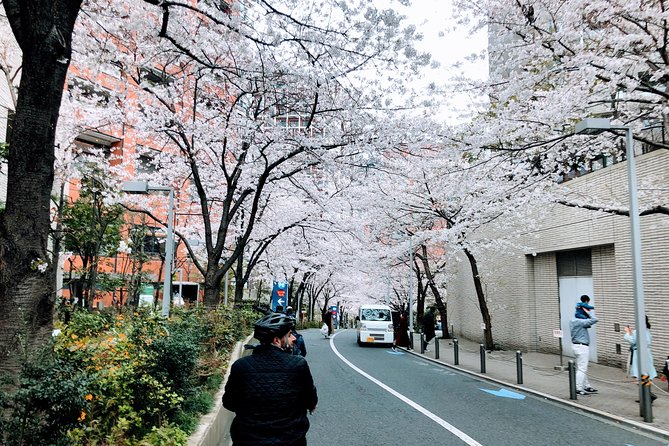
The route is the headline, but the guide is what makes it click. In the reviews, guides were repeatedly praised for being polite, fun, and responsive. People also mentioned that the guides made Tokyo make sense—sharing background and cultural context connected to what you’re seeing.
You’ll also feel it in the little ways: they ask questions, answer them, and help you get the right timing for photos during stop windows. Several reviews highlight the guide role in making the tour feel like more than sightseeing, with explanations you might not find if you’re just wandering on your own.
One more thing: the guides seem to pay attention to group pace. The tour is small, but the stops still need rhythm, especially when cherry blossoms draw crowds. The feedback included a note about group photo timing and flexibility, and the operator responded that they’ll keep improving how they handle group photos and busy times. That’s useful to know because it means the team is actively listening.
When blooms are late: what happens to your cherry blossom plan
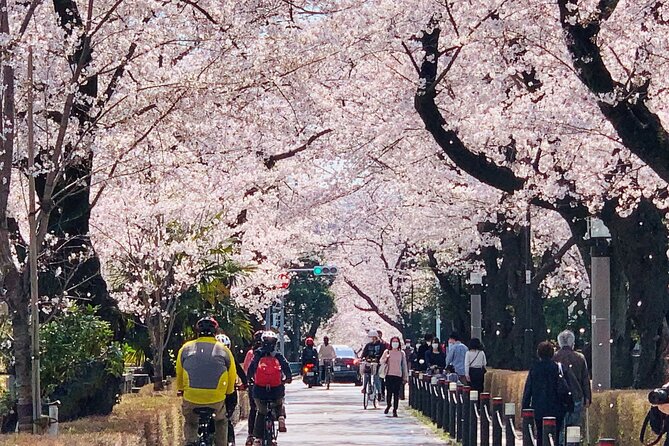
Cherry blossom season can be unpredictable. Sometimes blooms are early, sometimes late, and sometimes they’re inconsistent across neighborhoods.
The good news is that this operator has shown a willingness to adjust when sakura aren’t at peak. In one review, the tour was modified to a more regular e-bike cycling route when blossoms were late. Another review mentions a guide making an extra effort to reach good spots and even taking a group to a local mochi shop—something you might not find alone.
So if you’re booking with the expectation of seeing blossoms at full peak every single time, temper that. The tour is designed around cherry blossom viewing, but spring is never totally controlled. Still, the flexibility is a strong point if you’re traveling during a shoulder week.
Price and value: does $64.57 make sense?
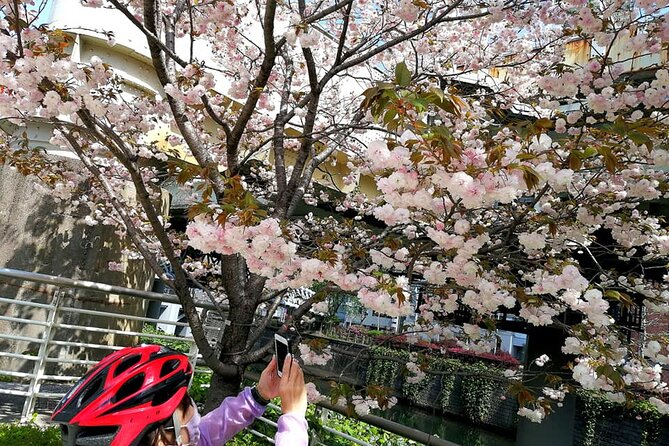
At $64.57 per person for roughly 3 hours, you’re paying for more than a bike rental. Your package includes an e-bike, helmet, guide, and insurance. That combination matters in Tokyo, because time and local navigation both have a price.
You’re also buying efficiency. Several parks are included within a short timeframe, and the e-bike reduces the friction of moving between them. If you tried to DIY this, you’d still need to rent an e-bike, figure out a route, and spend time locating the best viewing angles.
I also like that the group limit is max 6. That makes the experience feel personal enough that you can ask questions and get help, rather than being one face in a big crowd.
Practical tips to get the most out of your 3 hours
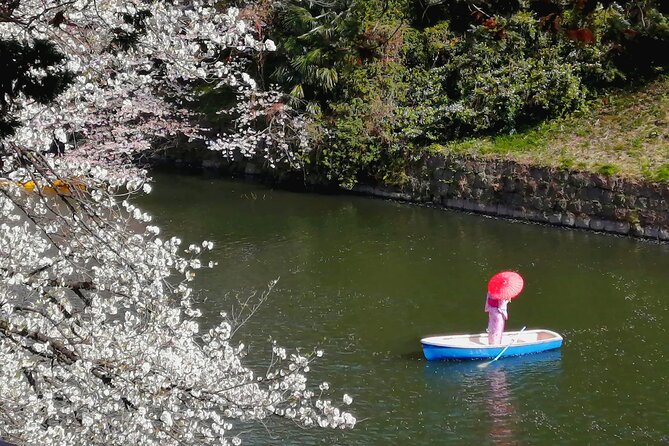
Here’s how to set yourself up for an easy, photo-friendly ride.
- Wear comfortable shoes you can stand in. You’ll get off the bike at multiple stops, including Yasukuni Shrine and Kensei Kinenkan.
- Bring weather-appropriate layers. Winter days may need warm clothes and gloves; summer can mean sunscreen and a towel.
- Don’t count on food being part of the tour. Food and drinks aren’t included. Plan a snack either before or after.
- If it’s raining, be ready. Rain gear isn’t included, so bring a small poncho or jacket if needed.
- Use the small-group advantage. If you want specific photos, ask the guide what time of day or what angle they recommend within the limited stop windows.
One more thought: the tour ends back at the meeting point. That’s convenient if you’re continuing on to other sights afterward, but it also means you may want to schedule your next plan with a little buffer so you don’t feel rushed.
Who this tour suits best
This tour is a strong match if you:
- Want to see Tokyo cherry blossoms without spending your whole day walking
- Like guided context and prefer asking questions to reading alone
- Want a manageable group experience (max 6)
- Appreciate e-bike assistance if you don’t want a workout as the main event
It’s also a good option for couples, friends, and families with older kids (minimum age is 12). One review specifically mentions a parent and 13-year-old having a great time, and that the guide provided useful Tokyo background.
You might reconsider if you:
- Can’t ride a bike confidently
- Have unrealistic expectations that every stop will be in full peak bloom
- Need an included meal break (food isn’t part of the tour)
Should you book this Tokyo Cherry Blossoms e-bike tour?
I’d book it if you want a practical, spring-focused way to see several sakura areas in a short window, and you’re comfortable with the idea that blossoms can vary by day. The combination of electric assist, small group, and guided photo stops makes it feel like a smart use of limited time in Tokyo.
If your dates are flexible, it’s even better. Spring in Japan rewards flexibility, and the operator has already shown they’ll adjust when bloom conditions aren’t perfect.
If your schedule is tight and you only want full-peak blossoms, you’ll need to accept some uncertainty. Still, the tour’s structure—multiple parks and several chances to see cherry trees—gives you a good shot at a memorable spring day.
FAQ
How long is the Tokyo cherry blossoms e-bike tour?
The tour lasts about 3 hours.
How much does the tour cost?
The price is $64.57 per person.
Where is the meeting point?
You start at Cycling Holiday Tokyo (Kanda base), near Kanda Station, at 3-chōme-8-6 Uchikanda, Chiyoda City, Tokyo 101-0047.
How many people are in a group?
The tour has a maximum of 6 travelers, and the minimum number per booking is 2.
What’s included in the price?
Included are the rental e-bike, rental helmet, guide, insurance, and the ability to leave luggage (except valuables) with the team during the tour.
What should I bring?
Food and drinks are not included, and rain gear is not included. They recommend bringing towels and sunscreen in summer, and warm clothes and gloves in winter.
What if the cherry blossoms are not blooming or the weather is poor?
The experience requires good weather. If it’s canceled due to poor weather, you’ll be offered a different date or a full refund. If the minimum number of travelers isn’t met, you’ll also be offered a different date/experience or a full refund.