REVIEW · QUEENSTOWN
Queenstown: Self-Guided Gibbston Valley Wineries Bike Tour
Book on GetYourGuide →Operated by Around The Basin Bike Queenstown · Bookable on GetYourGuide
A wine-country bike ride with river views.
I like the freedom here: you pick wineries and stop times, at your own pace, on a well-mapped route through Gibbston Valley. I also love the e-bike option, because the hills and long distances feel a lot more relaxed when you’re not fighting every gradient.
This tour is built around smooth logistics, not rigid sightseeing. You get a bike fit, a navigation briefing, and a winery map, then the trail guides you from the Arrow and Kawarau river corridor to the Kawarau Bridge area (famous for bungy). After that, you’re on your own schedule, with time to ride, stop for photos, and grab lunch at places along the way.
One real consideration: the ride can feel more challenging than you expect, and some sections are narrow or on gravel with steep drop-offs. If you’re not fully comfortable on a bike, choose your ride option carefully, because confidence matters on parts of the trail near the cliffs.
In This Review
- Key things I’d lock in before you go
- Queenstown to Gibbston: how the shuttle day really starts
- The ride route: Arrow River, Kawarau Bridge, then Gibbston River Trail
- Choosing wineries at your own pace (without losing the clock)
- Full-Day vs 3/4 Day vs Half-Day: distances and how to plan stops
- Standard bike vs e-bike: the upgrade that changes the whole day
- Food, tastings, and winery choices along the route
- Price and value: is $56 a fair deal?
- Who this tour is best for (and who should think twice)
- Final verdict: should you book the Queenstown Gibbston bike tour?
- FAQ
- Where is the meeting point?
- How do I get to the start of the ride?
- What’s the pickup time at the end of the tour?
- What bikes are included?
- Is wine tasting included in the price?
- Is food included?
- How far do you ride to reach the first winery?
- Is this tour suitable for everyone?
Key things I’d lock in before you go
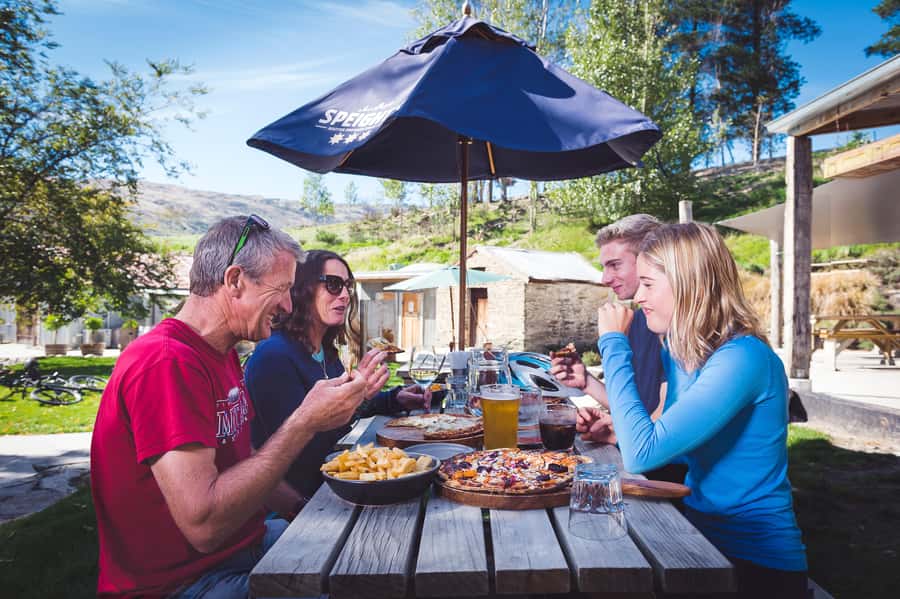
- Choose e-bike if you want energy for tastings and photos: the hills on the way to the wineries are the main reason people are glad they upgraded.
- Know the trail rhythm: you’ll spend the morning getting to the winery zone, then the afternoon is where your freedom kicks in.
- Plan around the pickup time: return pickups are fixed (4:00 pm in winter, 4:30 pm in summer), so don’t “wander” too long at one cellar door.
- Kawarau Bridge is a highlight stop point: it’s the iconic hub before you move into the Gibbston River Trail loop.
- Bring comfort, not just style: the route can be bumpy, and the basic saddle isn’t everyone’s favorite.
- Navigation is easy, but still bring patience: a couple of people reported wrong turns or wanting clearer signage and more map detail ahead of time.
Queenstown to Gibbston: how the shuttle day really starts
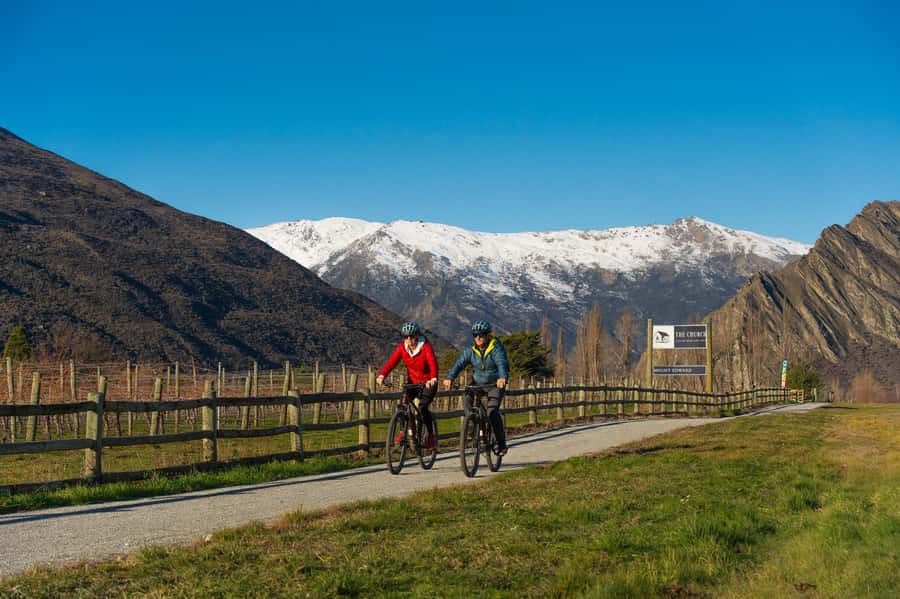
This is a self-guided bike tour, but it’s not a DIY scramble. The day begins with a scheduled shuttle from Queenstown to your starting point. If you book the Full-Day option, you start in Arrowtown. For 3/4 Day and Half-Day, you start at the bike hub at Arrow Junction, about 5 km from the Kawarau Suspension Bridge, and then it’s roughly a 30-minute easy ride to the nearest winery zone.
Check-in matters. You’ll want to arrive at Around The Basin Bike Queenstown, 3 Searle Lane, about 10 minutes before departure so you’re not stuck dealing with an on-time bus. The shuttle leaves on schedule, and the whole day runs off that timing.
Once you arrive at the hub, you’ll get fitted with your bike (standard MTB or an electric bike). Then you’ll receive a briefing for trail navigation and safety, plus a winery map. This is one of those setups where the first 20–30 minutes set you up for the whole day. If you’re the type who likes to plan stops, study the map quickly, pick a first winery, then let the rest unfold.
You can also read our reviews of more tours and experiences in Queenstown.
The ride route: Arrow River, Kawarau Bridge, then Gibbston River Trail
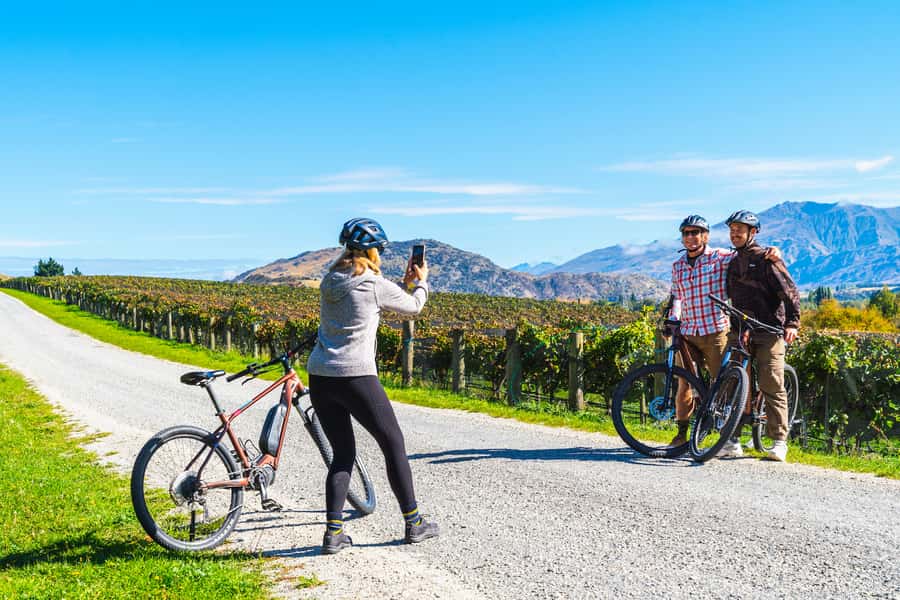
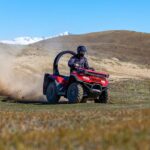
The core of the experience is the trail itself. The route follows the Arrow and Kawarau rivers, and you’ll cross suspension bridges as you pedal. That river-and-bridge combo does a lot of work for you. It keeps the ride scenic without requiring constant attention, and it gives you frequent natural “pause points” for photos.
Then comes the Kawarau Bridge area, home to the world-famous bungy jump. Even if you’re not doing bungy, this spot has a built-in energy. You’re in the iconic Queenstown-adventure zone, and it acts like a mental marker that you’ve moved from the transit section into the winery section.
After that, you ride along the Gibbston River Trail at your own pace. This is where the day becomes flexible. The trail is set up so you can visit several wineries using the wineries linked on the map—without needing to download an app or constantly re-check directions.
One more practical note: some sections feel more exposed than others. A few people found parts near cliffs or steep drop-offs a bit “hairy,” especially if you’re riding with kids or you’re new to bikes. If that describes your group, slow down on the tricky bits and keep spacing between riders.
Choosing wineries at your own pace (without losing the clock)
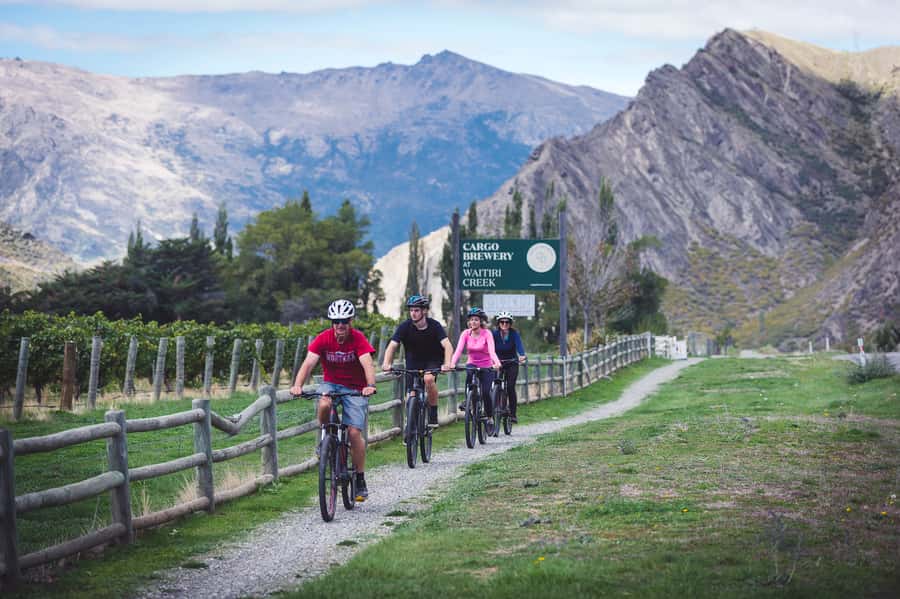
The self-guided part is the real value here. You’re not locked into a tasting circuit. You choose which wineries you want to visit and how long you want to linger. That means your day can be wine-focused, food-focused, or simply scenery-focused with a drink at the end.
To make that work, you’ll rely on:
- A winery map that links you to stops along the trail
- The trail signage and the navigation briefing you receive at the hub
Timing is your other tool. Your pickup is scheduled for the end of the day, and it stays the same for all options:
- 4:30 pm in summer (01 Sept to 30 Apr)
- 4:00 pm in winter (01 May to 31 Aug)
So the trick is balancing “one more stop” with the fact that you still need to ride back to wherever your pickup point is. This is why e-bike riders often seem happier: they can spend less time fighting hills and more time actually enjoying stops.
Also note what’s not included: wine tastings and food are not included. You can still eat and drink along the route—you just pay for it at the venues. If you want a simple plan, pick your first winery, then plan for lunch around the middle of your ride time, not at the very end.
Full-Day vs 3/4 Day vs Half-Day: distances and how to plan stops
The biggest way options differ is the ride length to the first and last winery zones.
Full-Day option
- First winery distance: 15 km
- Last winery distance: 25 km
3/4 Day and Half-Day options
- First winery distance: 6 km
- Last winery distance: 16 km
That means the Full-Day option is for you if you want a longer ride and more room to stop. The shorter options are better if you want to taste a few places, relax, and still feel like you didn’t spend the whole day pedaling.
Also pay attention to when you’ll be riding versus when you’ll be dealing with transfers. A few people mentioned the time getting to and from the starting area can trim actual ride time. In plain terms: the Full-Day option may sound like “more freedom,” but the schedule still revolves around the shuttle and fixed pickup.
My practical rule: if you’re even slightly unsure about distance, start with Half-Day or 3/4 Day, and choose wineries based on what you like to do most—photos, tastings, or a proper sit-down lunch.
Standard bike vs e-bike: the upgrade that changes the whole day
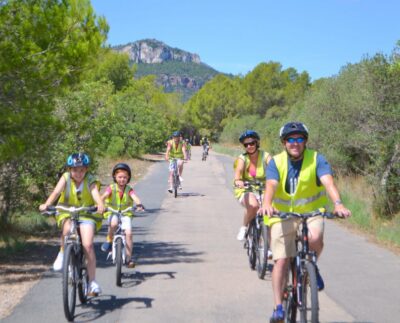
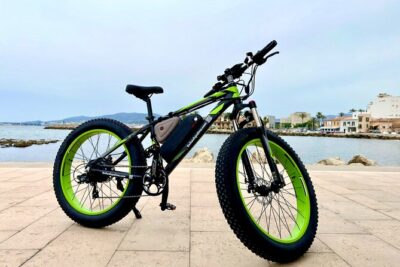
You can ride a standard MTB or an electric bike. Based on what you’ll see on this terrain, the e-bike is not a gimmick. It’s for the people who want to keep their energy for winery time, not leg burnout.
People specifically recommend e-bikes for hills and for making the day feel easier, even when they thought the trail would be mostly flat. Some riders ended up walking part of the way when they didn’t have electric help, which tells you the grade is enough to matter.
That said, if you’re an experienced cyclist and comfortable on climbs, some riders felt a regular bike was totally fine. The key point is not just fitness—it’s comfort on gravel and traction. E-bikes let you move with control on longer sections, but you still need to ride carefully where the trail narrows or gets slippery.
If you’re traveling as a family, this is extra important. Some kids may struggle if they can’t confidently handle gravel and uneven footing. In those cases, parents typically do best with older/confident riders or by adjusting the plan so the ride doesn’t become a “struggle all day” scenario.
Food, tastings, and winery choices along the route
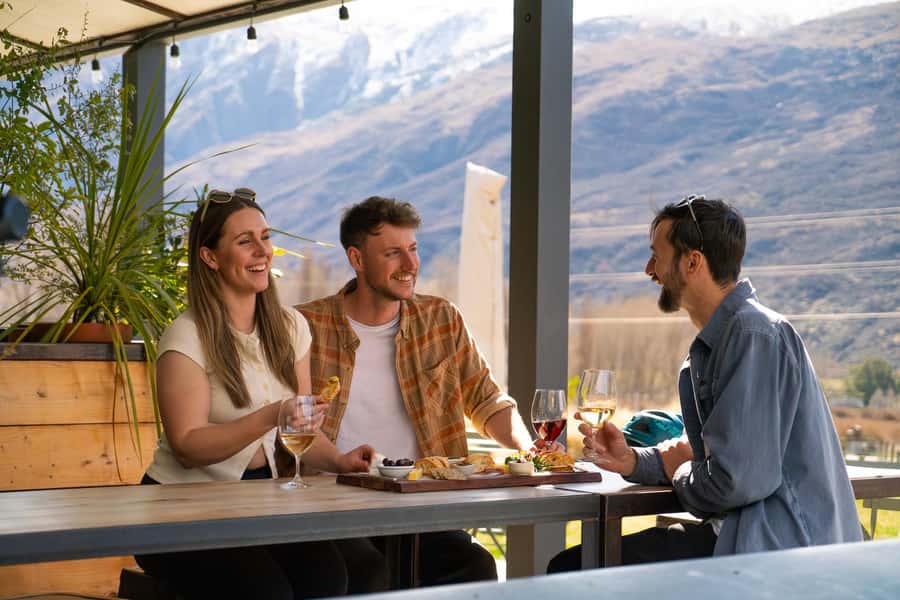
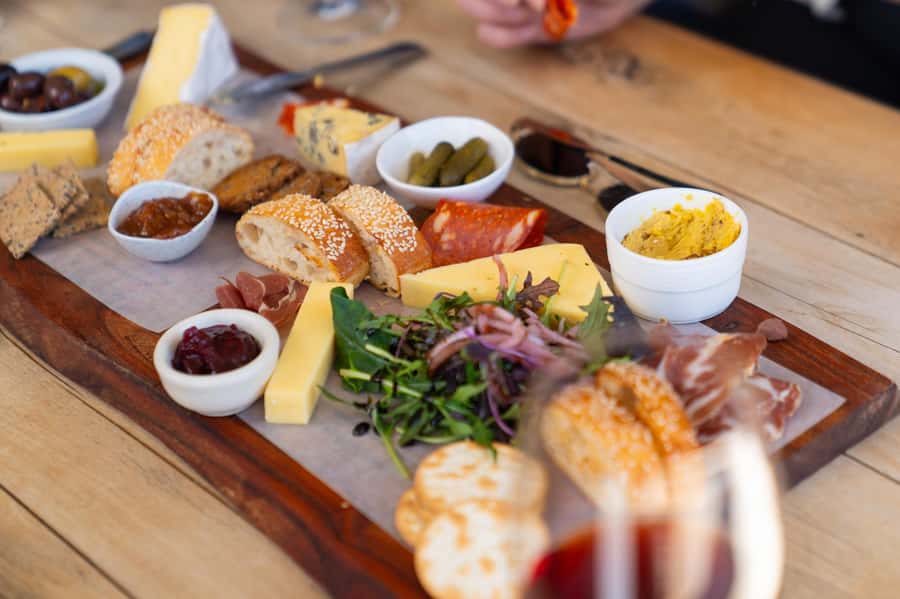
Food and tastings aren’t included in the tour price, but that doesn’t mean you’ll go without options. Lunch is part of the freedom of the route—you’ll find places to eat along the trail, and the map should help you aim for venues that fit your schedule.
A couple of strong practical patterns show up in how people plan:
- Picking a lunch stop around the midpoint so you’re not rushing at the end
- Using one or two wineries as your longer stops, then moving on for smaller visits
Some people also noted specific winery experiences that can guide your decision-making. For example, Monte Christo was described as welcoming with good-quality wine and a reasonable approach to pricing for what you’re getting. Kinross was highlighted as a solid lunch pick. And Gibbston Tavern was sometimes reported as unable to serve certain wine flights due to staffing at the time, so don’t plan your whole afternoon around a particular tasting format unless you’re flexible.
At the end of the trail, there’s also a popular final hangout spot at The Church. Some people loved using it as a place to wait comfortably for pickup with one last glass.
Bottom line: go in expecting to pay for tastings and meals separately. Then build a plan that fits your pace so you don’t cut lunch short just to make it back for the bus.
Price and value: is $56 a fair deal?
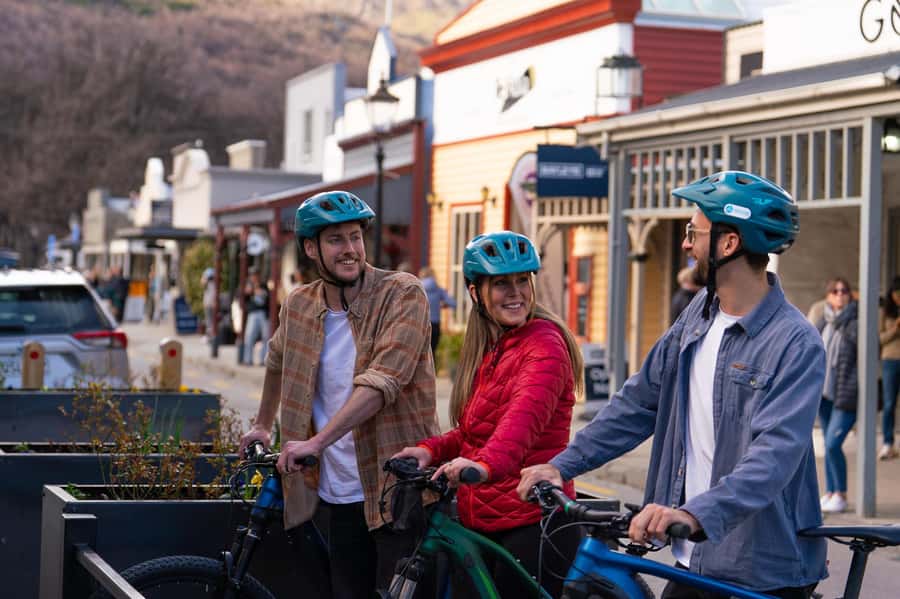
At $56 per person, this tour is priced like a transport-and-structure service more than a “wine package.” And that’s exactly what it is. You’re paying for:
- A quality mountain bike or e-bike
- A navigation briefing
- A winery map
- Helmet
- Shuttle transportation to get you out of Queenstown without dealing with driving and parking
Because wine tastings and food aren’t included, the cost feels fair if you treat it as a ride-and-access experience. If you’re the type who wants to do several paid tastings and a proper lunch, your total day spending will be higher—but that’s true anywhere in wine country.
Where it becomes a real value play is the time savings and convenience. Cycling the Gibbston Wine Valley without renting a car, sorting directions, and figuring out return logistics is the point. You buy that comfort once, then spend the rest of the day on the trail.
If you’re choosing between Half-Day and Full-Day, value comes down to how much riding time you actually want. Full-Day has more distance, which can mean more wineries if you pace smartly. But don’t pay extra just because it says Full-Day; pay extra because you genuinely want the longer day.
Who this tour is best for (and who should think twice)
This experience is best for people who:
- Can ride a bike confidently (standard or electric)
- Want a scenic day outside Queenstown without driving
- Like structure without rigid schedules
- Enjoy winery hopping at a comfortable pace
It’s also a good fit for couples and small groups who can coordinate stops easily, and for anyone who likes the river-and-bridge scenery more than a scripted tasting list.
Not suitable for people who can’t ride a bike. Also, if your group has mixed confidence levels, build the plan around the least confident rider. Some sections can feel exposed, and gravel footing can add friction to your enjoyment.
Final verdict: should you book the Queenstown Gibbston bike tour?
Yes, I’d book it if you want a relaxed, scenic way to hit Gibbston wineries with real flexibility. The biggest wins are the self-guided freedom, the river-and-bridge route, and the practicality of shuttle drop-off and pick-up that keeps your day simple.
I’d think twice if you’re brand new to biking, if your group includes riders who hate gravel or exposed edges, or if you expect a short, mostly flat stroll. Pick the e-bike if you’re unsure—you’ll likely feel happier and more in control.
If you want a smooth wine day in Queenstown, this is one of the better ways to do it: ride first, choose your stops, and let the valley set the tempo.
FAQ
Where is the meeting point?
You should check in at Around The Basin’s shop at 3 Searle Lane, Queenstown. Plan to arrive about 10 minutes before your scheduled shuttle departure, since the shuttles depart on time.
How do I get to the start of the ride?
You take a scheduled bus shuttle from Queenstown to the start point. The Full-Day option starts in Arrowtown, while the 3/4 Day and Half-Day options start at the bike hub in Arrow Junction.
What’s the pickup time at the end of the tour?
Pickup timing is the same for all options: 4:30 pm in summer (01 Sept to 30 Apr) and 4:00 pm in winter (01 May to 31 Aug).
What bikes are included?
You’ll be provided a quality mountain bike or an electric bike. A helmet is also included.
Is wine tasting included in the price?
No. Wine tastings are not included, so you’ll pay for tastings separately at the venues you choose.
Is food included?
No. Food isn’t included, though you can stop for lunch at venues along the route.
How far do you ride to reach the first winery?
For the Full-Day option, it’s about 15 km to the first winery. For both 3/4 Day and Half-Day options, it’s about 6 km to the first winery.
Is this tour suitable for everyone?
It’s not suitable for people who can’t ride a bike. You should also feel comfortable riding on a trail with possible tricky sections, especially if you’re traveling with kids or mixed-skill riders.