Food on two wheels beats sightseeing. In Katong and Joo Chiat, I like the eight-plus snack stops and the colorful shophouse photo moments that make this feel more like local life than a checklist. The main thing to plan for is the rain-or-shine schedule, plus you’ll need to be a confident urban rider.
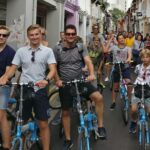
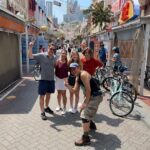
This is a small-group ride (max 10) led by a licensed local guide, starting at Dakota MRT (Exit B201, Old Airport Rd area) at 9:00 am and looping back to the same meeting point. You’ll cycle through three key areas: a traditional market setting at Geylang Serai New Market, the Peranakan-shaped streets of Katong-Joo Chiat, and the long shoreline stretch of East Coast Park, with mobile ticket access along the way. Based on the guides who often run this route—Holden, Fred, Han, and Zac—you can expect explanations that connect what you’re eating to how the neighborhoods work.
In This Review
- Key points to know before you pedal
- Why Katong and Joo Chiat Are Perfect for a Food-and-Bike Morning
- Meeting at Dakota MRT: where the ride really starts
- Stop 1: Geylang Serai New Market for wet-market snacks and spice energy
- Stop 2: Katong-Joo Chiat and the Peranakan story behind what you taste
- Stop 3: East Coast Park for the ride reset and real Singapore shoreline time
- What you’ll actually eat: at least eight dishes, not just bites
- How the guide turns snacks into understanding (Holden, Han, Zac, Fred)
- Biking comfort and pace: who should book, and who might rethink it
- Price and value: what $96.97 gets you (and why it can be fair)
- Practical tips so the tour feels easy, not stressful
- Should you book the Singapore Food & Bike Tour in Katong?
- FAQ
- How long is the Katong food and bike tour?
- What does the price include?
- Is the tour rain or shine?
- Do I need a helmet?
- How many people are in the group?
- Where do I meet the tour?
- What should I bring?
Key points to know before you pedal
- Eight-plus tastings in about four hours means you’ll be eating on a schedule, not hunting around on your own.
- Small group size (10 max) keeps the ride calm and makes it easier to ask questions.
- Photo-friendly shophouses in Katong and Joo Chiat turn the sightseeing part into something you’ll actually want to post.
- Geylang Serai New Market adds a real wet-market feel before you move into the calmer residential streets.
- Rain or shine keeps your plans intact, as long as you show up ready for the weather.
Why Katong and Joo Chiat Are Perfect for a Food-and-Bike Morning
Katong and Joo Chiat are one of Singapore’s best “mix places” for food. You get the comfort of neighborhoods that feel lived-in—residential streets, shophouses, and community spots—while still having enough variety that your tastes don’t repeat. A bike tour works here because you can move between food nodes without losing time to transit, and you can actually slow down when you see a street scene worth photographing.
The other big reason this works: the tour is built around food and culture together, not food on its own. You don’t just taste a dish and move on. You get context for why Peranakan culture shows up in the flavors, the eating style, and even the mood of the streets you’re riding through. If you like the idea of learning by walking-and-snacking, this neighborhood pairing is a strong choice.
One practical note: you’ll be outside for long stretches. That means sun protection matters. Bring sunscreen and water, and expect the pace to change slightly if it’s hot.
You can also read our reviews of more tours and experiences in Singapore.
Meeting at Dakota MRT: where the ride really starts
The meeting point is Dakota MRT Station, Exit B201 (Old Airport Rd area), and the tour starts at 9:00 am. I recommend arriving about 20 minutes early so the bike setup can happen without stress. You’re going to want your bearings before you roll out.
Bikes are provided, and the tour is designed for an urban-area cycling level. In plain terms: you should be comfortable pedaling, starting and stopping, and handling traffic-like conditions at city speed—this isn’t a slow, car-free park loop.
If you need a helmet, you should request it in advance. The tour is a rain-or-shine activity, so if weather looks iffy, plan your clothing accordingly and still show up prepared. The activity ends back at the meeting point, so you’re not stuck solving transportation at the end of a food-heavy morning.
Stop 1: Geylang Serai New Market for wet-market snacks and spice energy
Your first major stop is Geylang Serai New Market, described as a traditional Malay kampong house with a wet market and a food centre. This is the kind of place where you get your first hit of the day’s ingredients: seafood, vegetables, fruits, and the spice-and-sauce world that Singapore does so well.
This segment is about one hour, and the focus is broad. You’re not just looking at snacks—you’re learning how different food traditions sit side by side. That matters later, when the tour shifts toward Katong-Joo Chiat and Peranakan culture, because you’ll recognize ingredients and flavor themes more easily.
What to watch for here:
- It’s a market environment, so expect busier movement and smells you either love or want to pace yourself around.
- Even if you’re not a seafood person, this stop is still useful for learning spice profiles and how Singapore mixes Malay and Indian influences.
If you’re the type who likes to understand where flavors come from, this is an excellent starting point.
Stop 2: Katong-Joo Chiat and the Peranakan story behind what you taste
Katong-Joo Chiat is where the tour turns into a culture-and-color walk-through. This is a residential neighborhood with a strong Peranakan presence, and the guide’s job is to connect that background to what you’re eating.
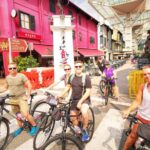
The time here is about one hour, and it’s also where you’ll get some of the most satisfying photo opportunities. The candy-colored shophouses are the headline, but the better reason to care is that the photos line up with the stories. When you understand the cultural influence behind the area, the streets stop looking like a backdrop and start looking like a map.
Food-wise, this is where you’ll likely feel the “Singapore mix” most clearly. The overall tour promises at least eight different dishes, including local favorites such as laksa, curry puff, and Hainanese chicken rice, plus items like dumplings and cakes. You won’t get everything at once; you’ll taste through the neighborhoods, which keeps the experience from turning into one big food blur.
A consideration: because this is a residential area, the vibe is quieter than a downtown strip. That’s good for photos and conversations, but it also means there won’t be nonstop spectacle between tastings. If you want constant big-ticket landmarks, you might find this part more about people, streets, and flavor context than monument moments.
Stop 3: East Coast Park for the ride reset and real Singapore shoreline time
After the market-and-neighborhood focus, you’ll cycle to East Coast Park, one of Singapore’s most well-known outdoor stretches. It’s about 15 km long and covers around 185 hectares, and it’s described as more than just a beach.
This stop also lasts about one hour, and the goal shifts. Instead of learning mainly through tasting and architecture, you learn through movement: seeing how people use the coastline area, how the city breathes in public space, and how a morning bike route can feel like both city tour and local escape.
I like this stop because it balances the “food intensity” of the earlier parts. You’ll have already eaten multiple dishes; now you get a lighter mental pace where the ride itself becomes part of the experience. It’s also a good chance to take photos without the tight timing pressure of a food lineup.
Weather matters more here than earlier. Coastal areas can feel warm or windy depending on the day. Stick close to your plan: sunscreen, water, and comfortable clothing that can handle humidity.

What you’ll actually eat: at least eight dishes, not just bites
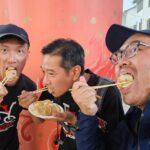
This tour is a full snack program. It’s designed so you taste at least eight different dishes, including several Singapore staples. The food list you should expect to run into includes cakes, dumplings, laksa, curry puff, and Hainanese chicken rice.
That variety is the real value. You’re not just repeating one type of snack over and over. You’ll likely experience a range of textures—soups, fried pockets, rice plates, and sweet or cake-style treats—so you can build a clearer picture of what people mean when they talk about Singaporean food.
Also, pace matters. You’re on a bike, moving between stops, and waiting at multiple food points. That’s why skipping a heavy breakfast is smart. If you show up already full, you’ll still taste everything, but you won’t get the same enjoyment out of the variety.
Diet notes: the tour can cater to vegetarian needs. If you’re vegetarian, let the operator know in advance so they can plan alternatives rather than hoping one swap works on the fly.
How the guide turns snacks into understanding (Holden, Han, Zac, Fred)
The guides are a big deal here, and it shows in the way the tour is described. The tour runs with a licensed local tour guide, and several guide names come up for this route: Holden, Han, Zac, and Fred.
What I look for in a food guide isn’t just ordering tips. It’s explanation—why a dish tastes the way it does, how neighborhood culture shapes the flavors, and what you’re seeing on the street while you eat. When a guide connects the food to the area, the whole experience feels more grounded. You stop treating each stop like a separate event and start seeing a single story across Katong, Joo Chiat, and East Coast.
If you’re the type who enjoys asking questions—about Peranakan culture, daily life, or how certain dishes fit local tastes—this tour style is a strong match.
Biking comfort and pace: who should book, and who might rethink it
This is a bike tour, so it comes with bike-tour expectations. The tour says you must be a competent rider in an urban area, and cycling time is included in the total duration (about four hours). Group size is limited to 10, which usually helps keep the ride manageable and lets the guide slow down if the group needs it.
So here’s my practical rule: if you’re comfortable riding in a city setting—stopping, turning, and maintaining balance—you’ll likely enjoy this. If you’re more of a relaxed walker or you only bike in flat, quiet areas, you might find it tiring or stressful.
The upside of cycling is obvious: you cover more ground than a walking tour, and you get to reposition quickly for photo angles. The downside is equally real: you can’t “pause forever” at every street corner if the group needs to keep moving.
Price and value: what $96.97 gets you (and why it can be fair)
At $96.97 per person for roughly four hours, you’re paying for more than food. Your included items are the bicycle, the licensed local guide, and the snacks and foods. You also get a structured route, so you’re not spending your morning hopping between places yourself.
The value angle is this: at least eight dishes in a single guided run is hard to replicate cheaply if you’re doing it on your own. Markets, casual eateries, and specialty snacks can add up fast once you start paying full prices for every stop—especially when you’re also paying for time and navigation.
One extra consideration: insurance isn’t included. If you already have personal travel insurance, you’re likely fine. If you don’t, it’s worth checking what your coverage includes before you go on any outdoor activity.
Practical tips so the tour feels easy, not stressful
A few small habits make a big difference on a food bike morning:
- Bring sunscreen and a bottle of water. You’ll be outside before you know it.
- If you need a helmet, tell the operator in advance so they can prepare it.
- Arrive about 20 minutes early for bike setup.
- If you want to store luggage, contact the operator ahead of time—don’t assume you can just show up with a big bag.
- Dress for rain even though it’s rain-or-shine. A light layer or rain-friendly outerwear is usually the smartest move.
Also: expect the tour to be active. Even if the ride is friendly, you’re still pedaling between stops and eating multiple items, so plan to keep energy up and don’t schedule anything intense right after.
Should you book the Singapore Food & Bike Tour in Katong?
If you want a morning that mixes real neighborhoods with serious food variety, this is an easy yes. It’s especially good for first-time visitors who don’t just want the big tourist sights, and for people who enjoy learning as they go—Peranakan culture, local markets, and shoreline-city life all in one route.
I’d say skip or reconsider if:
- you don’t feel comfortable cycling in an urban environment,
- you need a totally indoor or fully sedentary experience,
- or you prefer food experiences that are slower and less scheduled.
Otherwise, this is the kind of tour that gives you a lot for your time: bike access, a small group, and at least eight dishes tied to the neighborhoods you came for.
FAQ
How long is the Katong food and bike tour?
The tour runs for about 4 hours (cycling time included).
What does the price include?
Your ticket covers the guided experience, use of a bicycle, and snacks and foods during the tour.
Is the tour rain or shine?
Yes. It runs rain or shine, so you should dress for the weather.
Do I need a helmet?
A helmet is available if you need one, but you should inform the operator in advance.
How many people are in the group?
The tour has a maximum of 10 travelers.
Where do I meet the tour?
Meet at Dakota MRT Station, Exit B201 (Old Airport Rd area). The tour ends back at the same meeting point.
What should I bring?
Bring sunscreen and a bottle of water. If you plan to store luggage, contact the operator in advance.