REVIEW · SINGAPORE
Trails Of Tan Ah Huat : Singapore 1920s. A storytelling guided bicycle tour!
Book on Viator →Operated by Lets Go Tour Singapore Pte Ltd · Bookable on Viator
A bike tour with a 1920s plot.
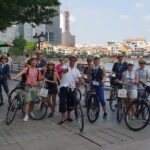
This Singapore ride is built around Tan Ah Huat and the people and places he meets as you pedal through Kampong Glam, Chinatown, and the Singapore River area. You’ll get the city’s big sights, but the real point is the storytelling that keeps you looking at details you’d normally walk past.
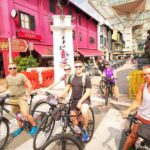
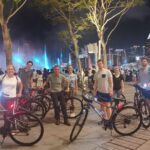
I love two things most: the story-first way the guide explains what you’re seeing, and how the route is flat and easy, so you can focus on the narrative instead of fighting your bike. Guides like Yap, Alfie, and Simon have led the tour, and they’re all described as clear, engaging, and good at turning history into something you can follow.
One consideration: the whole tour runs about 4 hours with short stop windows, so if you like lingering for photos, you may feel a bit time-pressed—and it also depends on good weather.
In This Review
- Key highlights worth your morning
- 1920s storytelling you can ride through
- Getting started at Crawford Lane (and why it’s convenient)
- Kampong Gelam: where the shoreline once was
- Raffles Hotel Arcade: polished old Singapore
- Queen Elizabeth Walk and Cavenagh Bridge: Singapore River with a twist
- Read Bridge (Malacca Bridge): people-watching with purpose
- Pek Sin Choon: Nanyang tea past and present
- Jinrikisha Station: transportation in the 1920s
- Chinese Theatre and Chinatown lanes: love, loss, and street stories
- Singapore Centre coffee shop: the snack stop that matters
- How hard is the ride, and what the $79.89 really buys
- Who should book this, and who might not love it
- Should you book the Trails of Tan Ah Huat tour?
Key highlights worth your morning
- A single story thread (Tan Ah Huat): every stop connects to his choices and encounters.
- Flat, easy cycling: you’re in a city setting, not crossing hills or long stretches.
- Landmark mix that makes sense: Kampong Glam, Singapore River, bridges, Chinatown streets.
- Coffee-shop time included: you’ll sample Ah Huat’s favorite coffee plus a snack.
- A small group setup: capped at 10 travelers, with a pace set to you.
1920s storytelling you can ride through
Most Singapore sightseeing is either point-and-click photos or slow museum time. This tour gives you a third option: motion plus story.
Tan Ah Huat is the anchor. Instead of hearing disconnected facts, you’re guided through a chain of questions—what he’s doing in a Muslim settlement, why he loves and hates certain river spots, how people move through trade streets, and how luck (or bad timing) can twist a life. That kind of narrative structure matters because it keeps your brain switched on while you’re rolling past modern Singapore.
And you’re not just hearing. The tour uses little moments of storytelling support along the way (including video-style cues mentioned by past participants), so you get a visual jolt that fits the character-driven theme. The net effect: you’ll remember the why behind the streets much more easily than a standard lecture.
You can also read our reviews of more tours and experiences in Singapore.
Getting started at Crawford Lane (and why it’s convenient)
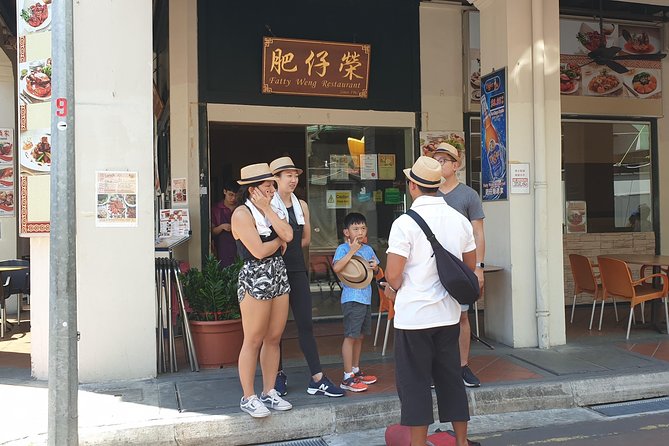
The tour meets at 462 Crawford Ln, Singapore 190462 and runs with a 9:00 am start. It ends back at the same meeting spot, which is handy when you’re building your day.
There’s no hotel pickup, but the meeting area is in the city zone near many hotels. Taxis are noted as inexpensive and safe for getting there, and you’ll also be close to public transportation. Translation for your planning: you don’t have to schedule your whole morning around a long pickup window.
A few practical perks are baked in:
- Bicycle use is included
- Bottled water is included
- Lockers are available for bags during the tour
- It’s a mobile ticket experience
That combination is what makes an “easy morning bike plan” actually feel easy.
Kampong Gelam: where the shoreline once was
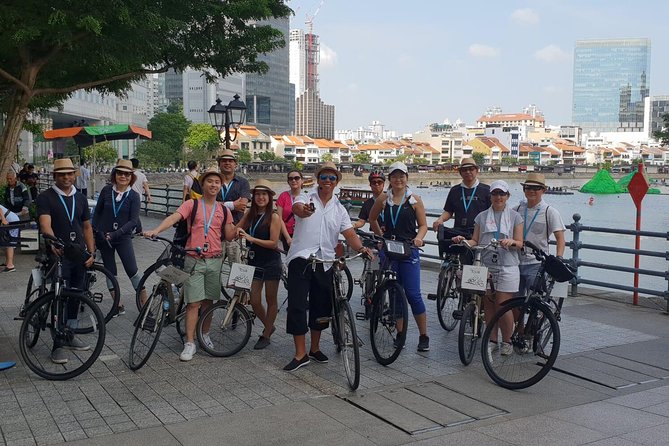
Your first stop is Kampong Gelam, and it’s not treated as a generic neighborhood intro. The story pushes you to think about the area through Tan Ah Huat’s eyes—why a character like him is in a Muslim settlement, and who he encounters there.
Then the guide shifts into something visually important: learning where Singapore’s shorelines used to sit before large-scale land reclamation changed the coastline. Standing in the modern city, it’s easy to forget the geography isn’t what it used to be. This stop turns the ground under you into a time machine.
Stop length is short (about 10 minutes), so this is more of a quick foundation than a slow deep read. If you’re the type who likes to ask follow-up questions, you’ll likely want to linger—but you’ll get better payoff when the story keeps building at each next location.
Raffles Hotel Arcade: polished old Singapore
Next up: the Raffles Hotel Arcade. Here the tour leans into the idea of an upmarket Singapore from Tan Ah Huat’s days—what he might have seen and who he might have met in that kind of setting.
Even if you’ve walked through Singapore before, this stop helps you connect the idea of commerce and social layers. The story makes you look at the space not just as a landmark, but as a place where money, connections, and opportunity could cluster.
Again, you’re not here long—about 10 minutes—but those minutes are used for the narrative role the arcade plays: a snapshot of status and ambition in the 1920s world.
Queen Elizabeth Walk and Cavenagh Bridge: Singapore River with a twist
The Singapore River area is where this tour really earns its name.
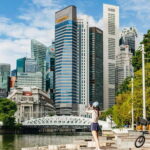
At Queen Elizabeth Walk, you learn about how Chinese immigrants arrived and why the river mattered so much to them. It’s one of those moments where you realize the river wasn’t just a pretty feature—it was an arrival channel, a working landscape, and a lived-in route through the city.
Then you roll to Cavenagh Bridge, where the story comes with emotional tension: why Tan Ah Huat loves and hates this river. Bridges are simple on a map, but in a story like this they become crossroads—between work and waiting, movement and risk, opportunity and loss.
There’s also a narrative stop in this stretch that focuses on the merchant-day reality: shop-houses operating as godowns (trading storage/work spaces) and the life of coolies who were part of the labor backbone. You get the sense of how the city functioned day to day, not just what it looked like.
If you care about how people actually lived, not just what they bought, this bridge-and-river section is a strong highlight.
Read Bridge (Malacca Bridge): people-watching with purpose
At Read Bridge (Malacca Bridge), the tour makes this feel less like a photo stop and more like a story hangout. Tan Ah Huat’s relationship with the place is explained through what he’s doing there and why it was a popular evening spot.
Bridge stops are great for bike tours because you’re getting both:
- the movement perspective (you’re cycling, so you see how the area connects), and
- the viewing perspective (you can look out across an older city layout even as modern buildings frame it).
The stop is about 10 minutes, so treat it as a short scene. If you love street-level history, you’ll likely end up mentally replaying the story once you’re back on the bike.
Pek Sin Choon: Nanyang tea past and present
At Pek Sin Choon Pte Ltd, the tour shifts from river-and-bridges into food and trade. You learn about the history of Nanyang Tea, and how the heritage business changed over time since Tan Ah Huat’s days.
This matters because it links two things tourists often keep separate:
- the origins of a trade culture, and
- the way those brands or traditions evolve while staying recognizable.
You’ll leave this stop with a better sense of how “old” influences continue to show up in everyday Singapore, even if the packaging and storefronts look different now.
It’s a 10-minute storytelling stop, so don’t expect a full business history lecture. Think of it as the tour’s way of showing what people drank and traded, and why that connects to community life.
Jinrikisha Station: transportation in the 1920s
Next is Jinrikisha Station, with a short 5-minute stop. The focus here is transportation: what importance the building had in the past to Singapore’s transportation needs.
This is a clever move for a bike tour. You’re literally on wheels, so it’s a reminder that the city’s mobility system used to run on very different power sources. It also ties back to the tour’s broader themes—movement, arrival, labor, and the infrastructure that made the city work.
Because the stop is brief, you’ll get a quick meaning-setting moment rather than a long technical explanation. If you like concise history that sharpens the rest of the tour, this one fits.
Chinese Theatre and Chinatown lanes: love, loss, and street stories
After Jinrikisha Station, you head into the Chinatown-side narrative through the Chinese Theatre story. You’ll learn how it became known as a token of love given by a philanthropist to his wife, plus Tan Ah Huat’s encounter there.
Then the tour continues into street-level mood:
- Trengganu Street, where the guide explains the dark secrets behind the area’s Chinatown history and how Tan’s fate lands him there.
- Sago Street (Street of the Dead), where you hear about what it was like during Tan Ah Huat’s days and what fate had planned for him.
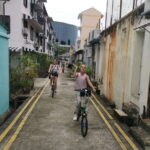
These stops are all about atmosphere—narrow streets, layered community histories, and the sense that the city had both glamour and grit depending on which lane you turned into.
If you’re only the type who wants daylight-only photos, these last street scenes might feel a little heavier. But the value is that you see Singapore as a place with complicated human stories, not just a lineup of pretty corners.
Singapore Centre coffee shop: the snack stop that matters
Your big food-and-story moment is at Singapore Centre, where the guide connects coffee-shop life to the Chinese community during Tan Ah Huat’s days. This is one of those “small detail, big meaning” stops.
Why it works: coffee shops weren’t just places to eat. They were social hubs—where people waited, shared news, and built connections. In the story, you’ll also hear about a meeting that changes Tan Ah Huat’s destiny.
You’ll get to sample Ah Huat’s favorite coffee and a snack here. The stop is about 15 minutes, which is long enough to enjoy it without turning the tour into a food event that steals the whole morning.
Practical note: since time is limited, decide early what kind of coffee you want and don’t spend the first minute studying the menu like it’s a novel.
How hard is the ride, and what the $79.89 really buys
The ride is described as flat and easy, and most people can participate as long as you can ride a bicycle. The tour is also all ages welcome if you’re comfortable on two wheels.
That matters more than people think. A bike tour can be physically simple and still be stressful if it’s fast or if the route is chaotic. Here, the “pace that’s right for you” is part of the design, and the group limit helps:
- Maximum 10 travelers
- You’re told it’s exclusive for your group
So the $79.89 price isn’t only about the bike. You’re paying for:
- a licensed guide
- bicycle use
- bottled water
- lockers
- and a coffee shop drink and snack stop
For many visitors, the value is the combination of guided explanation plus efficient sightseeing. You get multiple landmark areas in a single morning, without the hassle of arranging transport between scattered neighborhoods.
If you were to do it alone, you’d likely spend time renting a bike, figuring out your own loop, and still needing a guide to make the 1920s storyline click. Here, you’re paying to skip the guesswork and ride with a brain attached.
Who should book this, and who might not love it
This tour is a great fit if you want:
- a story-driven way to see Singapore’s old districts
- a morning plan that’s active but not punishing
- a guided approach that explains why a place matters, not just what it is
- a bike outing with a small-group feel
It may be less satisfying if:
- you prefer long museum-style time at one site
- you get frustrated when stop times are short and you can’t linger
- weather ruins your schedule, since this experience requires good weather
Should you book the Trails of Tan Ah Huat tour?
I’d book it if you’re the kind of person who likes your sightseeing to have a plot. The Tan Ah Huat frame turns Kampong Glam, the Singapore River bridges, Chinatown streets, and the coffee shop scene into one connected walk-on-the-rails story. The small group, flat ride, and included snack stop make it feel like a well-timed morning outing rather than a chore.
Skip it only if you’re looking for lots of downtime at a single location. This is built for motion and meaning in short bursts.
If you can ride a bike and you want a Singapore morning that feels personal, story-led, and efficient, this one is worth your time.