REVIEW · TENERIFE
Tenerife: Guided Historical Bike Tour with E-Bike Option
Book on GetYourGuide →Operated by Guided City Tours by Bike and e-Bike · Bookable on GetYourGuide
Santa Cruz is best seen at bike speed, with stories on every corner. This guided historical ride is built for an easy rhythm: photo stops plus a local guide pointing out what you’d miss on your own. You can pedal a traditional bike or choose an e-bike to keep the effort low while you cruise past major landmarks and public art.
I like that the stops feel purposeful, not random: Parque La Granja, the bullring area, the Capitan Diego Fernández Ortega monument, the Nivel sculpture, García Sanabria Park, and then the port and squares like Plaza de la Candelaria and Plaza de España. One practical drawback to plan around: the ride can run a bit shorter than the advertised 2.5 hours, so it’s smart to have a little flex in your day.
In This Review
- Key things to know before you roll
- How the tour starts in Santa Cruz (and why the first stop matters)
- Traditional bike or e-bike: which one should you choose?
- Stop-by-stop ride: Parque La Granja, the bullring, and classic Santa Cruz streets
- Nivel sculpture and a viewpoint pause: how the tour gets you the skyline look
- García Sanabria Park to the port: gardens, monuments, and Tenerife Cruise Terminal views
- Auditorio de Tenerife and the Castle of St John the Baptist: architecture you can circle
- Cabildo Insular and Plaza de la Candelaria to Plaza de España: the city’s social center
- The hidden stop and how to handle short free-time breaks
- Guide style, group size, and what language support feels like
- Price and value: is $35 worth a 2 to 2.5 hour city ride?
- What to bring (and the small choices that make the ride easier)
- Should you book this Santa Cruz historical bike tour?
- FAQ
- FAQ
- How long is the guided bike tour?
- Where do we meet, and where does the tour end?
- Can I choose an e-bike or a traditional bike?
- What landmarks and areas will we see?
- What’s included in the price?
- Is food included?
- What languages does the live guide speak?
Key things to know before you roll
- E-bike option makes this city tour comfortable even if you do not ride much
- Guided photo stops help you slow down at the right moments for skyline and landmark shots
- A tight city route means you see a lot in a short time without feeling rushed on hills
- Public art and monuments show you how Santa Cruz talks to its own history
- Small group vibes and calm guidance show up in how the tour runs in practice
- Language options include several European languages, but English is the safest fallback
How the tour starts in Santa Cruz (and why the first stop matters)
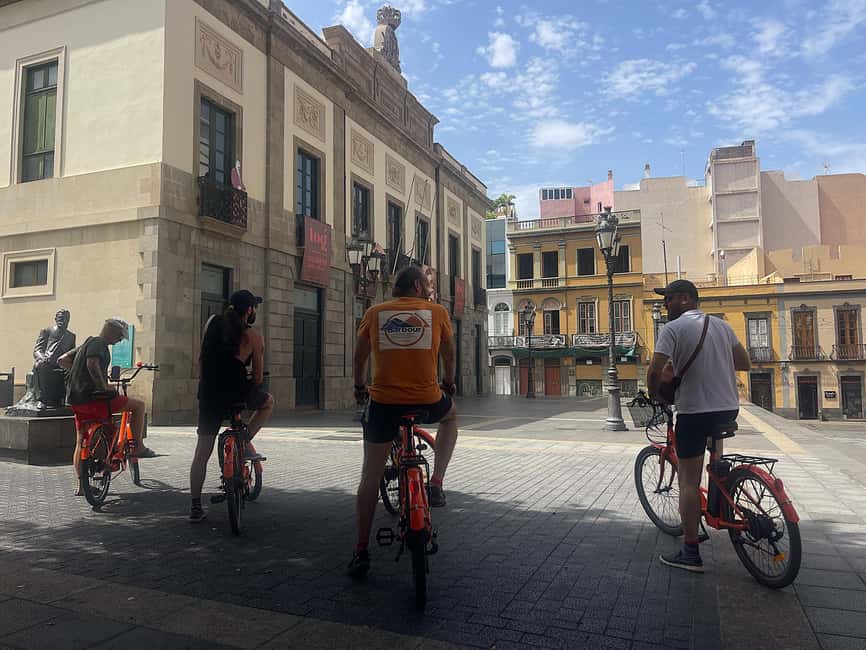
You meet on Calle Dr. Allart, 17 in Santa Cruz de Tenerife (about as central as you can get for a city bike route). You’ll do two things right away: pick your bike style and get a quick safety briefing. That matters more than it sounds. In a city, good instructions at minute one can mean the difference between a relaxed ride and a tense one.
After that, you move straight into the tour’s main theme: “local landmarks, explained in human terms.” The early vibe is very much you getting your bearings fast while the guide sets context for what comes next.
You can also read our reviews of more tours and experiences in Tenerife.
Traditional bike or e-bike: which one should you choose?
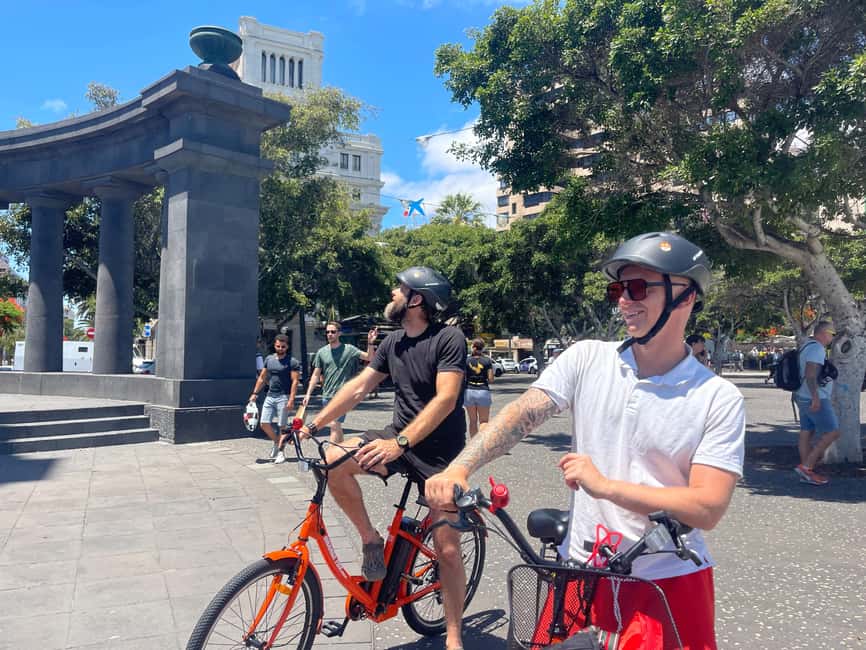
The tour is designed for both, so your decision should be about comfort and style, not skill.
- If you choose a traditional bike, you get the most classic “pedal and look around” feeling. It’s a great fit if you’re confident riding in town and you want a slightly more active outing.
- If you choose an e-bike, the ride stays light. You still get the sights and the stops, but you’re far less likely to feel “done” before you reach the port area and the longer stretches toward the squares.
A small heads-up from real-world experience: some groups have been offered e-bikes even when they expected a normal bike, and one rider found the gearing setup restrictive. The fix is easy: at the start, ask the guide how the bike controls work for your model and confirm what you can adjust.
For families, this tour can work well. A child under 6 can ride free on a child seat (max 20 kg, 140 cm), and e-bikes can make it simpler for adults when you’re moving through the city together.
Stop-by-stop ride: Parque La Granja, the bullring, and classic Santa Cruz streets
Once you’re rolling, you start with Parque La Granja. This is where the tour’s pacing clicks into place. Parks are useful on bike tours because they give you safe space to slow down, take photos, and listen. Expect a guided tour and photo moment, plus commentary that ties the setting to the city’s identity.
Next you pass through the area around Plaza de Toros (the bullring). Even if you’re not into bullfighting, it’s a strong landmark for understanding how Spanish culture shows up in public architecture. On a bike, you get a better sense of scale and streets around it than you would from a bus window.
You then hit the Capitán Diego Fernández Ortega monument. This is a good example of why guided tours help: you’re not just looking at a statue, you’re learning why it matters to Tenerife and how the city remembers key figures.
What I like here: the early stretch mixes green space, big civic buildings, and monuments, so you keep getting visual variety without needing extra travel time.
Nivel sculpture and a viewpoint pause: how the tour gets you the skyline look
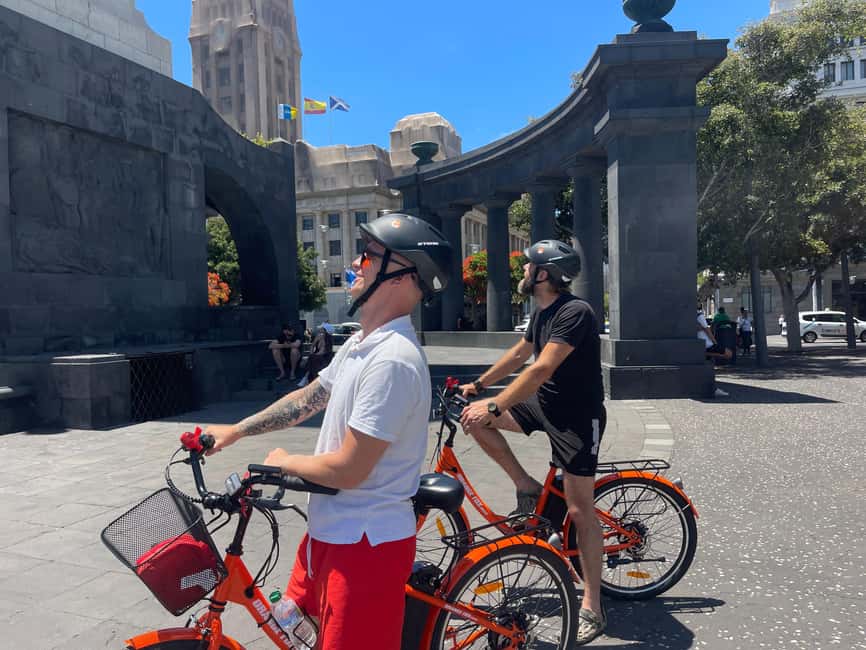
After the monument stop, you’ll find your way to the Nivel sculpture by Joaquín Rubio Camín. Public art like this is often easy to miss if you walk past it. A bike tour forces a stop at the exact moment you can appreciate it.
Then comes a viewpoint photo stop with some free time. This part is built for photos and for resetting your legs. It also gives you a sense of how Santa Cruz sits in relation to sea and city streets, which helps the later port and terminal stops make more sense.
One practical trick: bring your sunscreen and keep it handy even if it’s cool. These breaks are short, and sun can sneak up on you in Tenerife.
García Sanabria Park to the port: gardens, monuments, and Tenerife Cruise Terminal views
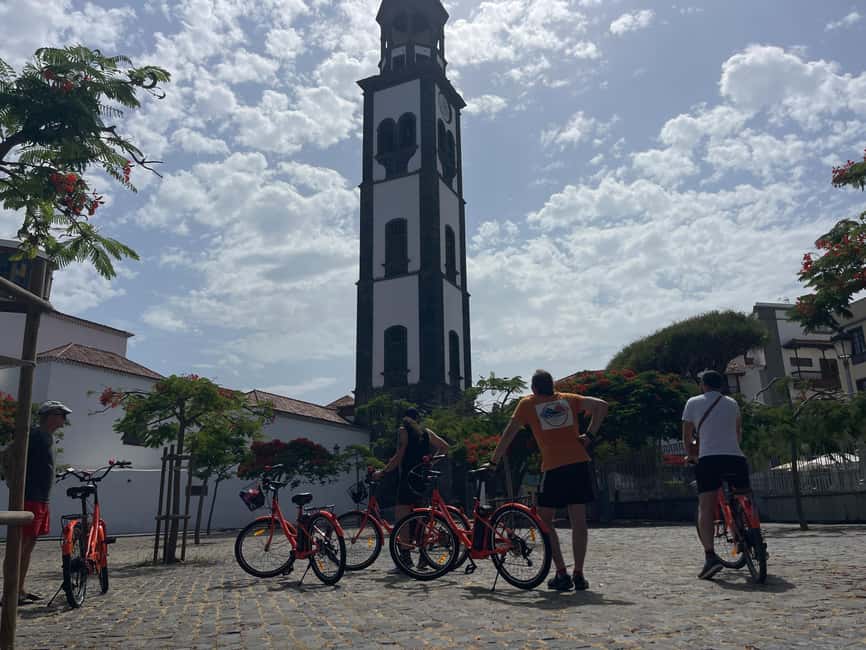
From sculpture and viewpoint, the route shifts into Parque García Sanabria. This is one of the best “slow-down” moments on the tour. You get guided sightseeing plus more photo time, and you can breathe for a minute while the guide connects what you’re seeing to Santa Cruz’s public life.
Then you pass the Monumento a Su Excelencia el Jefe del Estado. It’s a reminder that these streets are full of memory markers, not just decoration. The guide commentary here is where the tour earns its value. Without it, monuments can feel like background. With it, you learn how the city frames its own story.
Next you move toward the Tenerife Cruise Terminal, a port-area stop that changes the feel of the ride. Cruise terminals are busy, and by bike you experience the scale of movement and the way the city opens toward the water. Around this area, you may also spot references to the San Francisco Battery listed among the tour highlights, which adds a layer of coastal defense history to the sea views.
My take on this segment: this is the part that makes the tour feel like more than an urban stroll. You get a clear shift from parks and monuments into “Tenerife as a connected island,” with ships and waterfront energy.
Auditorio de Tenerife and the Castle of St John the Baptist: architecture you can circle
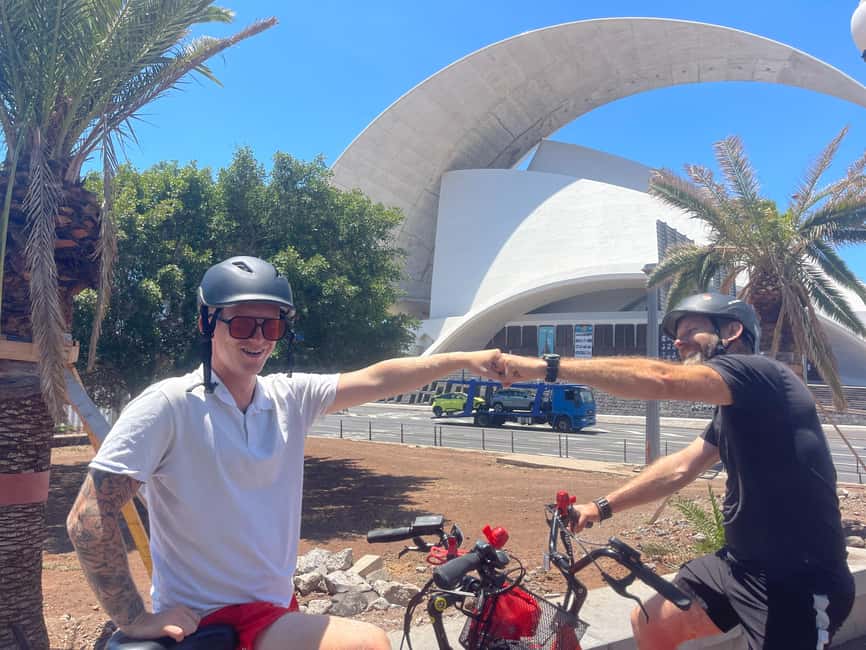
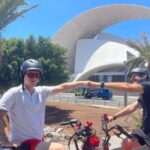
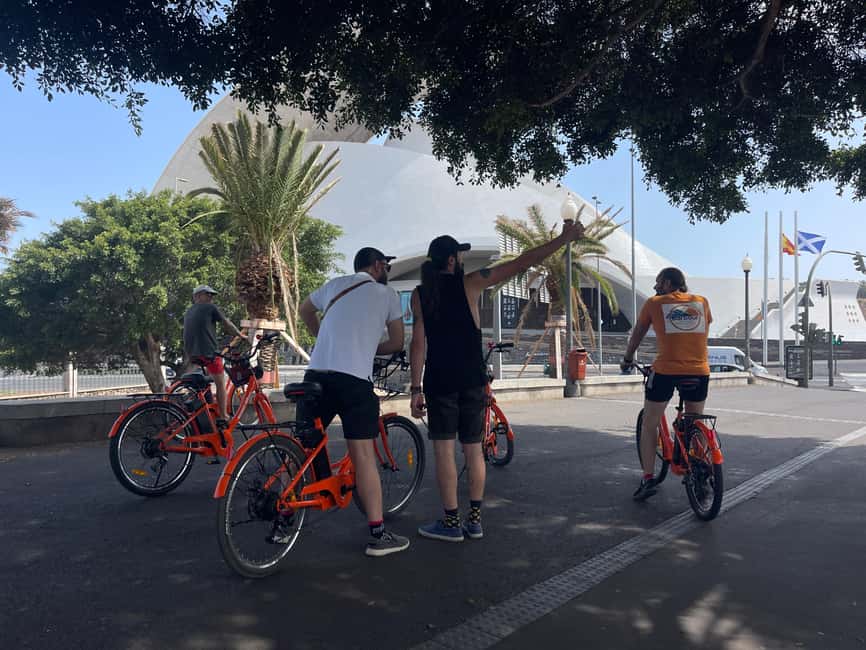
As the tour continues, you reach the Auditorio de Tenerife Adán Martín. It’s a strong visual landmark with a modern feel, and it’s a great contrast to the older monuments and civic spaces you saw earlier. On a bike, you can approach it from different angles and catch details you might miss on foot.
After that, you move to the Castle of St John the Baptist. A castle is a natural “history anchor,” and this stop helps you understand why this city grew where it did. The guided tour and photo stop format means you’ll get the context you need without being stuck for long.
From here, the route keeps stacking landmarks in a way that stays mentally easy: each stop is distinct, and you’re not guessing where you are thanks to the guide’s commentary and photo pauses.
Cabildo Insular and Plaza de la Candelaria to Plaza de España: the city’s social center
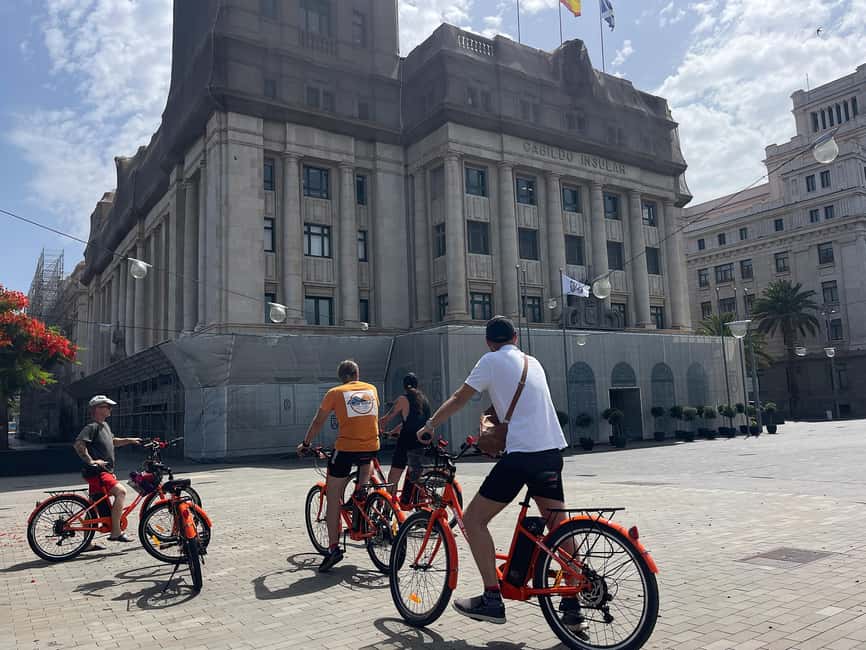
You then reach Cabildo Insular, another key civic stop. This is the kind of building that tells you where local governance and major public decisions live. Again, the value is not just seeing the structure, but hearing what the guide connects it to in the broader Tenerife story.
Next is Plaza de la Candelaria, a square that works well for bike tours because it’s a classic “meet the city here” setting. You’ll stop for photos, and you’ll get guided sightseeing as the square’s cultural importance comes into focus.
Finally, you end the landmark run at Plaza de España for one more scenic stretch and photo moment. This is a satisfying closing move. You finish at a central public space that feels like the heart of Santa Cruz, so your last stop doesn’t just feel like an ending. It feels like a payoff.
The hidden stop and how to handle short free-time breaks
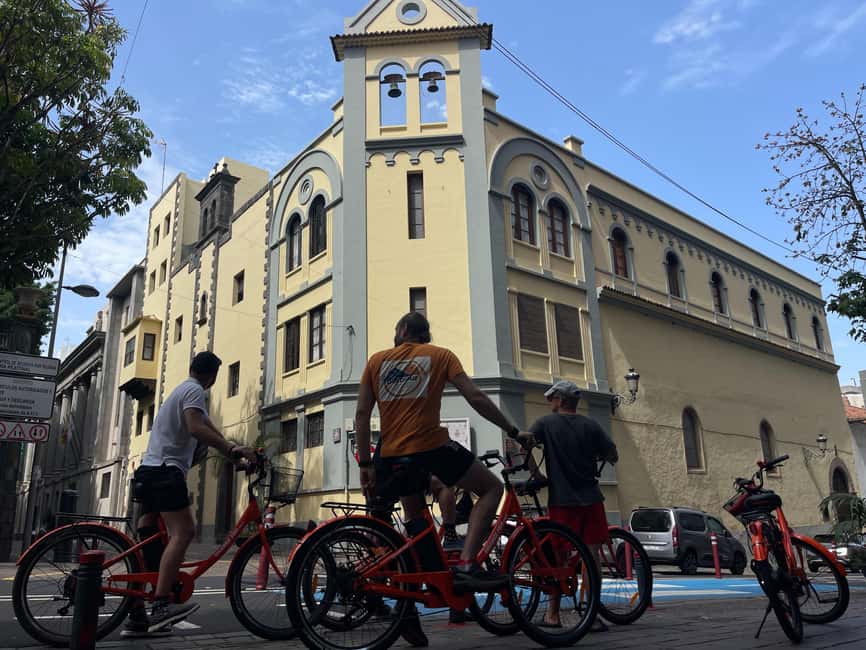
Some tours like this include a “hidden gem” style moment. In this case, it’s listed as its own photo stop with guided sightseeing and scenic drive time. Practically, that means you get one extra pause for something the guide thinks is worth your attention even if it’s not a headline landmark.
Your best move during these breaks:
- Take your photos quickly, then listen while you still have the guide’s full attention.
- Use the free time to buy a small water top-up if you want, since food isn’t included.
If rain shows up, you might be offered light rain ponchos. It’s not guaranteed from the tour description, but there’s evidence it can happen, and it makes a big difference to your comfort.
Guide style, group size, and what language support feels like
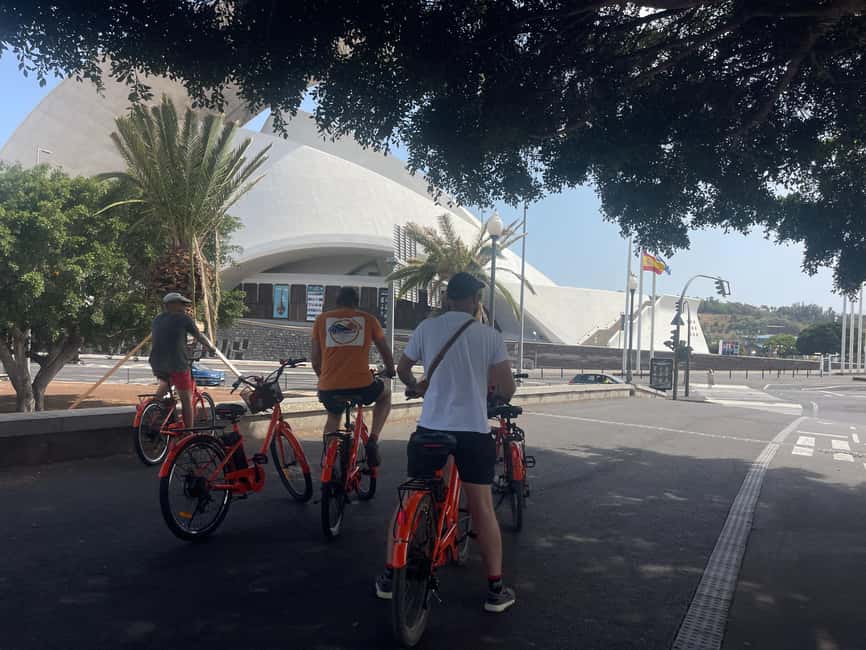
The guide is the main ingredient here. The strongest praise shows up in how friendly and flexible guides can be, plus the way they adapt to what the group wants. I’ve seen named guides like Daria and Valeria lead versions of this ride, and both types of feedback point toward clear, upbeat storytelling.
Group size also matters. The tour offers private or small groups. Small groups make it easier to hear commentary, and they reduce the feeling that you’re just part of a moving pack.
Language coverage is broad on paper: Dutch, English, French, German, Italian, Spanish. Still, one rider reported that a German speaking guide was not available and English was the workable alternative. So if you’re counting on German, French, or another language, it’s smart to be comfortable with English as a backup.
Price and value: is $35 worth a 2 to 2.5 hour city ride?
At $35 per person, you’re paying for four things that can be hard to assemble on your own:
- a local guide doing the explaining
- a bike (traditional or e-bike)
- planned photo stops so you don’t miss key views
- water
Food isn’t included, so you’re not paying for lunch. That’s fine, because the tour is built for a short duration. If you time it right, you can do this and then eat afterward without stretching your day.
Here’s how I judge value for a tour like this: if you’re visiting Santa Cruz for a limited window, the guided format saves time and turns landmarks into something you can place in context. If you already plan to wander the city for hours, you might not need the guide. But if you want structure and a smooth route that covers major sights quickly, the price makes sense.
What to bring (and the small choices that make the ride easier)
The essentials are straightforward:
- Passport or ID card
- Camera (or phone with enough space)
- Sunscreen
- Comfortable clothes
- Water
You’ll get water with the tour, but bring your own if you run hot or sweat easily. Comfortable clothes matter because you’ll be in motion for most of the 2 to 2.5 hours, with repeated starts and stops for photos.
Also, be honest about biking comfort. This tour isn’t suitable if you can’t ride a bike.
If you’re prone to sunburn, put sunscreen on before you meet. If it’s warm, dress lighter than you think you need. The ride is paced for sight-seeing, not racing.
Should you book this Santa Cruz historical bike tour?
Book it if you want an efficient, guide-led way to see Santa Cruz in a couple of hours, with the flexibility of an e-bike when legs need a break. It’s also a strong pick if you like learning why landmarks matter, not just collecting photos.
Skip it or rethink your choice if you’re extremely time-tight and cannot absorb a ride that may run closer to about 2 hours than the full advertised 2.5, or if you need guaranteed language support beyond English. If you’re a confident cyclist and you’re okay with a short, structured route, you’ll likely enjoy this one.
FAQ
FAQ
How long is the guided bike tour?
It lasts about 2.5 hours. In practice, it can run a bit shorter depending on the group pace and stops.
Where do we meet, and where does the tour end?
You meet at Calle Dr. Allart, 17, 38003 Santa Cruz de Tenerife, and you return to the same address.
Can I choose an e-bike or a traditional bike?
Yes. You can choose between a traditional bike or an electric (e-bike) when you arrive.
What landmarks and areas will we see?
The tour includes stops and/or guided sightseeing around Parque La Granja, Plaza de Toros, the Capitan Diego Fernández Ortega monument, the Nivel sculpture (Joaquín Rubio Camín), Parque García Sanabria, the Tenerife Cruise Terminal, Auditorio de Tenerife Adán Martín, the Castle of St John the Baptist, Cabildo Insular, Plaza de la Candelaria, and Plaza de España, plus other photo moments along the route.
What’s included in the price?
Included are the guided bike tour, choice of traditional or e-bike, photo stops, commentary on landmarks and history, and a bottle of water.
Is food included?
No. Food is not included.
What languages does the live guide speak?
The live guide can speak Dutch, English, French, German, Italian, and Spanish.