REVIEW · BANGKOK
Thai Culture and Local Life 4- Hour Bangkok Bike Tour
Book on Viator →Operated by Follow Me Bike Tours · Bookable on Viator
Bangkok reveals its habits at bike speed. This half-day ride threads you through Chinatown backstreets and quieter temple lanes, guided by a small-group team that explains what you’re seeing as you go. I especially like the mix of street-life stops (markets and snacks) with hands-on religious moments (offerings and prayer etiquette). The main drawback to plan for is physical fit: this is for people who already feel comfortable on a bike, since you’ll handle tight lanes and curb edges.
You’ll cover a surprising amount of Bangkok in just four hours—plus a ferry transfer that gives you a breather and a change of pace. The route is built around real neighborhoods: Chinese shrines, flower stalls, river views, and two temples where you’ll be close enough to notice details most people miss. Add in bikes, helmet, snacks, water, and an English-speaking Thai guide, and this starts to look like strong value for the time you have.
Because there’s no hotel pickup, you’ll want to show up ready. The meeting point is Loftel Station Hostel on Rama4 Road (and it ends back there), so getting yourself to the start is part of your plan.
In This Review
- Quick takeaways before you go
- Bangkok on Two Wheels: Why This 4-Hour Loop Works
- Price Breakdown: What Your $41.97 Covers
- Finding the Start Point and Getting Ready to Ride
- Stop 1: Horseshoe Shrine and the Chinese Blessing Habit
- Chinatown by Bike: Snacking, Signs, and Side-Street Life
- Pak Khlong Flower Talat: The Scent-and-Color Morning Run
- Chao Phraya Crossing: Ferry Views from King River
- Portuguese Temple Stop and Turtle Time at Wat Prayurawongsawat
- Largest Seated Buddha at Wat Kalayanamit Varamahavihara
- How Guides Keep It Cultural (and Still Safe in Traffic)
- Heat, Curb Cuts, and Cycling Skills: Practical Expectations
- Should You Book This Bangkok Bike Tour?
- FAQ
- How long is the Thai Culture and Local Life 4-Hour Bangkok Bike Tour?
- How much does the tour cost?
- What’s included in the price?
- Is hotel pickup or drop-off included?
- Where do I meet for the tour?
- What stops are part of the tour?
- Do I need cycling experience?
- Is the group size small?
- Does the tour run in bad weather?
- Why do you ask for a passport number?
Quick takeaways before you go
- Max 8 riders keeps the pace personal and makes questions easy to ask.
- Bike + ferry + snacks means you’re not just sightseeing—you’re also traveling like a local.
- Temple etiquette is part of the experience (offerings, and how to behave in the grounds).
- Flower market time is short but intense—you’ll see why Pak Khlong is famous.
- Bring real cycling comfort; this isn’t a casual stroll on flat paths.
Bangkok on Two Wheels: Why This 4-Hour Loop Works
A bike tour in Bangkok is a smart way to beat the usual rhythm of guidebooks and buses. At street level, you can actually read the city—how people buy food, where they pray, and how neighborhoods feel different just a few turns apart. And because you’re moving, you’re not stuck standing in the worst heat for long stretches.
This particular tour is built around six culture-heavy stops that don’t feel like a checklist. You’re not only looking at temples from the outside; you’ll be guided through what to do and what to notice. That matters in Bangkok, where religious and cultural details can be easy to miss if you don’t know what you’re seeing.
Two other things make it work well. First, it’s designed as a half-day format (about four hours), so it fits easily into a visit even if you’re doing other major sights. Second, the small group size (up to 8) helps the guide keep things calm, explain things clearly, and adjust the pace if conditions change.
You can also read our reviews of more tours and experiences in Bangkok.
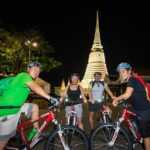
Price Breakdown: What Your $41.97 Covers
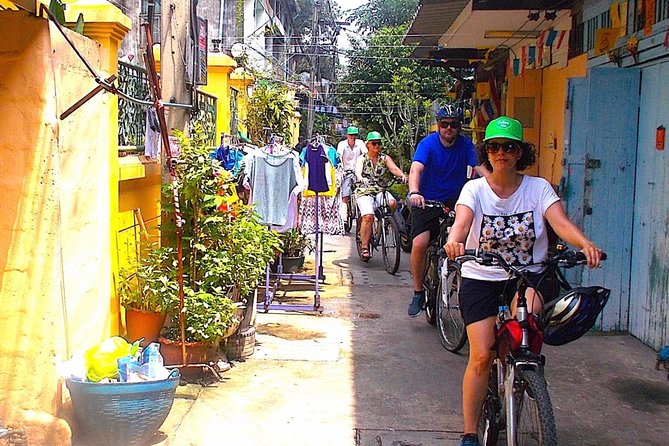
At $41.97 per person, you’re paying less than you’d expect for the combo of transportation, a guide, and multiple guided stops. What you actually get is practical: a bike and helmet, an English-speaking Thai guide, snacks and soft drinks/water, plus a ferry transfer as part of the day’s routing.
This is the kind of value that only makes sense if you use what’s included. If you show up hungry and ready to ride, the snacks do real work. If you come without helmet comfort or cycling confidence, the ride can feel more stressful than it should. So treat the price as paying for guided access—to neighborhoods and cultural moments—more than just a “nice photo walk.”
Also worth noting: all listed stop admissions are free. So you’re not paying extra at each stop; the cost mostly supports the guide, bike use, and day logistics.
Finding the Start Point and Getting Ready to Ride
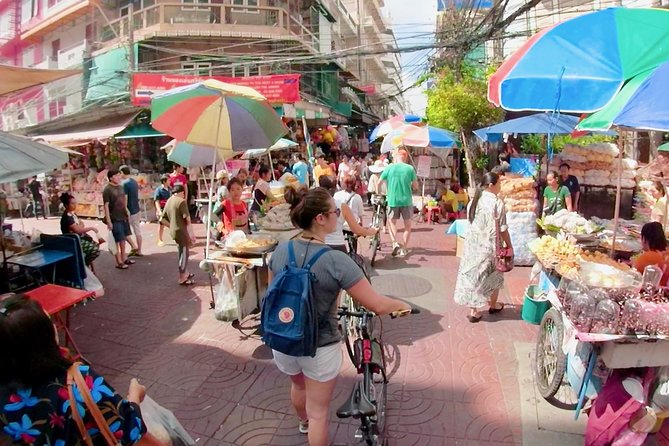
You’ll start and finish back at Loftel Station Hostel (Rama4 Road, Bang Rak area). There’s no hotel pickup or drop-off, so plan to get there under your own steam. The tour is described as being near public transportation, and some visitors say the office/meeting area is not far from BTS—still, you’ll save yourself hassle by double-checking directions before you arrive.
Bring your passport number when booking. The tour notes this is needed for insurance purposes, so it’s better handled early than at the last minute.
Then focus on what makes or breaks a bike tour in Bangkok: your comfort on a bike. The instructions say not to book if you have no previous cycling experience. Even though the route is described by some as having no hills, you still deal with narrow lanes, turns, and getting on/off for curb edges. This is not a “learn to ride” excursion.
Stop 1: Horseshoe Shrine and the Chinese Blessing Habit
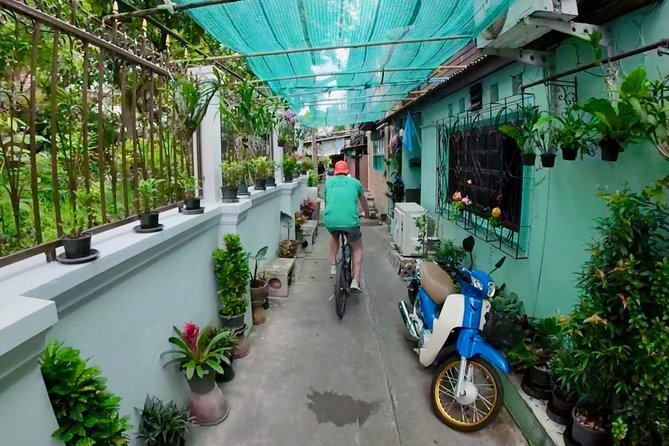
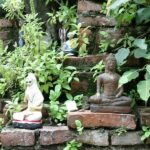
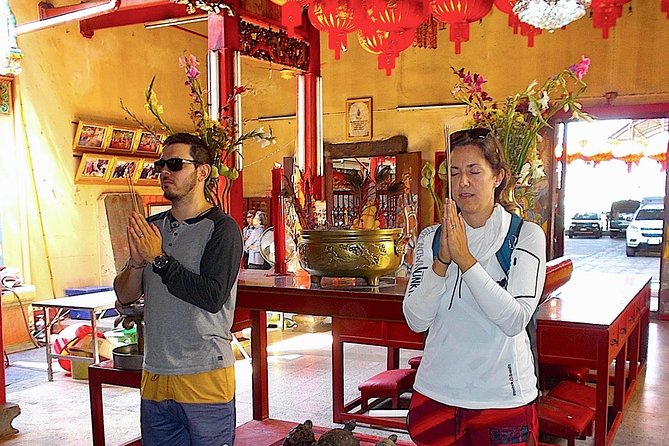
The day kicks off at Horseshoe Shrine, where you’ll get a look at an older Chinese shrine in Bangkok’s neighborhood fabric. The guide will explain the context, and you’ll have a chance to make an offering to wish for good health and protection.
This start matters because it sets the tone for the rest of the tour. Instead of treating temples as scenery, you learn how people use shrines in daily life—how faith shows up in the routines of locals. It also helps you relax into the vibe. You’re not just cycling; you’re stepping into religious space with guidance on what’s appropriate.
You’ll spend about 20 minutes here. That’s enough time to watch how offerings are done without feeling rushed, and it gives you a calmer “arrival moment” before the more intense neighborhood stops like Chinatown.
Chinatown by Bike: Snacking, Signs, and Side-Street Life
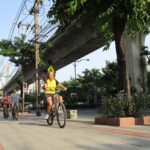
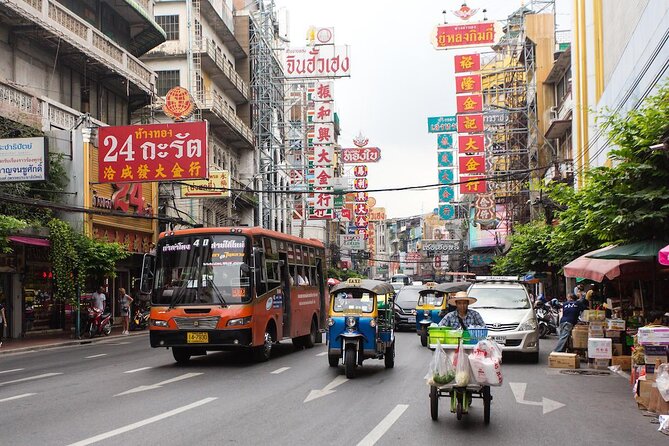
Next up is Chinatown, often one of the loudest, most sensory parts of Bangkok. On this tour, you’re not only walking through it—you’re biking through it. That changes everything. You slip through traffic patterns from a human scale, and you can feel the flow of small businesses without getting bottled up in the densest crowd pockets.
You’ll get around about 20 minutes in the Chinatown market area. The route is designed to help you soak in the atmosphere, and you’ll hear explanations that make sense of the street signs, market rhythms, and the differences between what looks similar at first glance.
One practical tip: this portion is known for street food and small snacks. If you’re the type who gets overwhelmed by menus, this is a good day to let the guide steer. You’ll also find this stop fits well if you want something more than the typical “take photos, move on” tour style.
Pak Khlong Flower Talat: The Scent-and-Color Morning Run
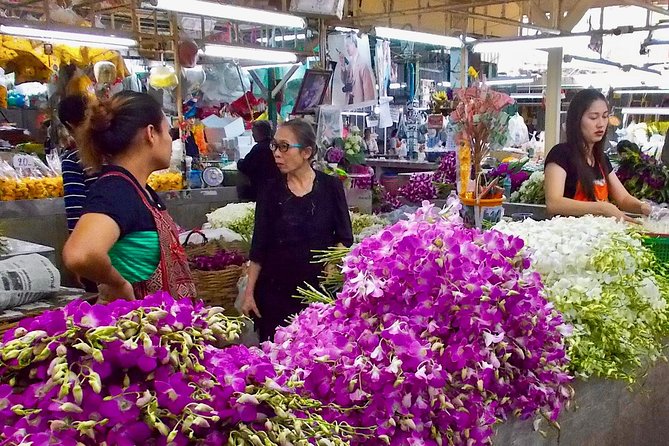
Pak Khlong Flower Talat is the big fresh flower market in Bangkok, and you’ll feel it fast. In about 20 minutes, you’ll see stacks of blooms meant for daily use—offerings, decorations, and the kind of colorful arrangements locals buy without turning it into a tourist show.
This is one of the best stops for understanding Bangkok’s daily spirituality and commerce at the same time. Flowers here aren’t just pretty—they’re part of how people express respect and good wishes.
Some riders like this stop because it’s visually dramatic yet logistically easy. It’s a clear change of pace from the tight alley feeling of Chinatown. You can pause, look closely, and take photos without having to negotiate the messiness of long walking routes.
Chao Phraya Crossing: Ferry Views from King River
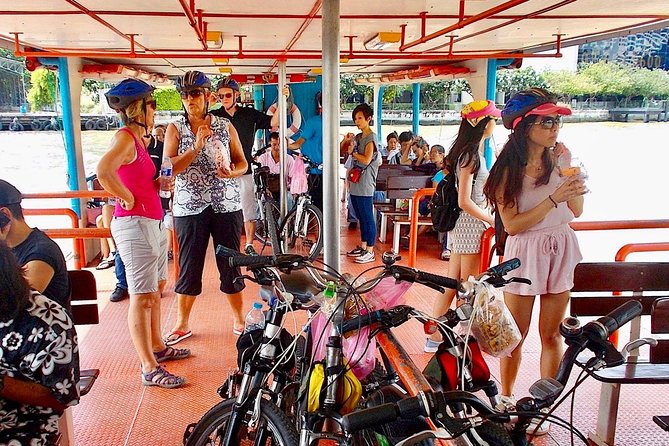
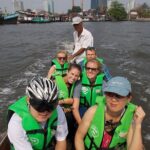
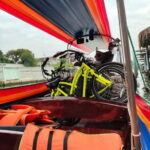
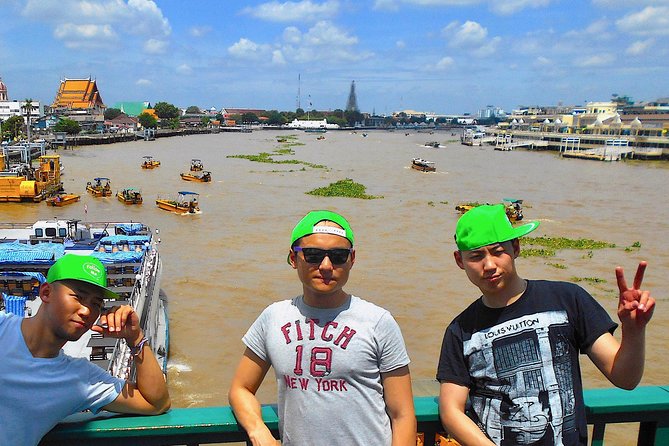
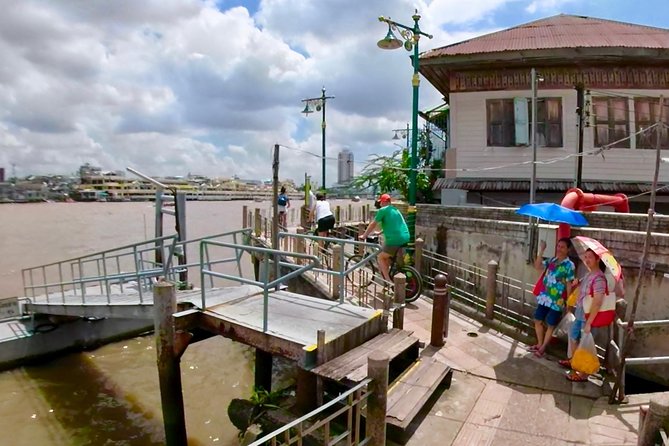
Then you shift to the river—Chao Phraya, the lifeline of Bangkok. The tour includes a ferry transfer, and you’ll cycle across with views that open up from the water side.
This is a smart break built into a short tour. Bike days can get tiring if everything is stop-and-go in traffic. The ferry segment resets your body and gives your brain a new angle on the city. You also tend to notice riverside landmarks more clearly when you’re moving across water rather than only seeing them from a road.
Timing-wise, you spend around 15 minutes at the river stop area. It’s not long, but it gives you the feeling of Bangkok’s geography—where the river shapes neighborhoods and daily movement.
Portuguese Temple Stop and Turtle Time at Wat Prayurawongsawat
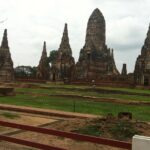
Wat Prayurawongsawat Worawihan adds a different layer to the day. You’ll spend about 20 minutes in the temple grounds, take a break in the shade, and you’ll even get to feed the hungry turtles (yes, that’s part of the experience).
This stop is also linked to an old Portuguese community presence in the area. Whether you’re a history buff or not, the value here is simple: it’s a calmer pocket. Bangkok can be loud and hot. This temple stop gives you a quiet, human scale moment while still staying connected to local traditions.
For many people, this is the stop where the tour feels most personal. You’re not only receiving explanations—you’re also doing something small, kind, and everyday-like: feeding turtles, sitting with the setting for a bit, and watching how others behave in the grounds.
Largest Seated Buddha at Wat Kalayanamit Varamahavihara
The final temple stop is Wat Kalayanamit Varamahavihara. You’ll make an offering, and you’ll also see the largest seated Buddha image in Bangkok.
This part of the day is about respect and observation. The guide’s instructions help you understand how to do an offering properly, and what to look for when you’re standing in front of a major Buddha image. Even if you’ve been to temples before, this is the kind of stop where you learn something new because the guide is walking you through the meaning behind the actions.
You’ll spend about 20 minutes here, which is enough time to take it in and not feel like you’re rushing out for the next photo.
How Guides Keep It Cultural (and Still Safe in Traffic)
The biggest reason this tour scores so highly is how the guides shape the experience. Several named guides show up in people’s feedback—Mam, Teddy, Tom, and Matthew—plus guides like Peach and Nu mentioned by other visitors. The common thread is clear communication in English, and the way guides connect the dots between religion, markets, and neighborhood life.
In practical terms, that shows up like this:
- You learn what an offering is for, not just that it exists.
- You get guidance on how to behave inside temple grounds.
- You ride with a plan in a city that can feel chaotic when you’re on your own.
Because this tour is small, the guide can also keep an eye on comfort. One thing I’d pay attention to: the tour operates in all weather conditions, so the guide’s pacing and water/snacks support become important if the day gets hot or rainy.
Heat, Curb Cuts, and Cycling Skills: Practical Expectations
Bangkok heat is real, especially for afternoons. Even so, riding often feels easier than walking because the wind moves as you pedal. Some people specifically mention that this is why they felt cooler while cycling, even when it was hot outside.
That said, it’s still a bike tour. Plan for:
- Frequent curb edges and getting on/off the bike for short moments.
- Narrower lanes that ask for steady attention.
- The need for prior cycling comfort (no learning on the fly).
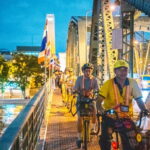
Also, the route can run into dusk depending on when you book. One person notes a late-afternoon tour that ended after dark. If you’re sensitive to that, choose an earlier departure time.
One more note from the experience style: the route may adapt. For example, one person mentioned that Wat Arun was skipped because of construction and time pressure. That’s not something you should count on to happen—or not happen—but it’s a reminder that on a half-day, guides may choose what’s possible to protect the quality of the day.
Should You Book This Bangkok Bike Tour?
Book it if you want Bangkok neighborhoods at real street pace. If you like markets, want temple context beyond a quick stop, and would enjoy seeing the city from bike height (plus the river view), this is a great use of four hours. The small group size, the inclusion of snacks and ferry transfer, and the focus on cultural explanation make it feel like guided access rather than just transportation.
Skip it if you’re not confident on a bike. The tour instructions are direct about previous cycling experience, and the route involves curb edges and tight streets.
Finally, consider your priorities. If you want a classic “big sights” day with long time at each landmark, this may feel different because it’s built for variety and local texture. But if your goal is to understand how Bangkok works—Chinese shrine life, flower-market buying, river rhythms, and temple etiquette—this is one of the most practical ways to do it in a short window.
FAQ
How long is the Thai Culture and Local Life 4-Hour Bangkok Bike Tour?
It lasts about 4 hours.
How much does the tour cost?
The price is $41.97 per person.
What’s included in the price?
It includes a bicycle and helmet, an English-speaking Thai guide, ferry transfer, and snacks plus soft drinks and water.
Is hotel pickup or drop-off included?
No. You’ll need to make your own way to the meeting point, and the tour ends back there.
Where do I meet for the tour?
The start (and end) point is Loftel Station Hostel on Rama4 Road, Bang Rak, Bangkok.
What stops are part of the tour?
The tour includes Horseshoe Shrine, Chinatown (Bangkok), Pak Khlong Flower Talat Original, the Chao Phraya River segment, Wat Prayurawongsawat Worawihan, and Wat Kalayanamit Varamahavihara.
Do I need cycling experience?
Yes. The guidance says not to book if any participant has had no previous cycling experience.
Is the group size small?
Yes. There is a maximum of 8 travelers.
Does the tour run in bad weather?
It operates in all weather conditions.
Why do you ask for a passport number?
You need to provide your passport number for insurance purposes.