REVIEW · ZAGREB
Classic Zagreb Bike Tour
Book on Viator →Operated by Bike Tours Zagreb · Bookable on Viator
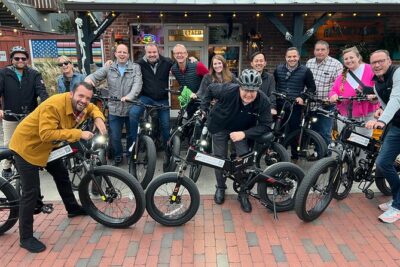
Zagreb moves fast on two wheels. I like the small-group size and the way the guide keeps you oriented with city stories that actually make the landmarks click, and you’ll also appreciate the included coffee or ice-cream stop. One thing to plan for: you’re rolling through cobblestones and busy pedestrian streets, so you’ll want solid basic biking comfort and a watchful attitude at the start.
If you want a quick, active introduction to Zagreb, this tour is built for that sweet spot. You’ll hit big-name sights from the cathedral area to the funicular zone, plus the market and the downtown nightlife street, then end back where you started on Jurišićeva ul. The potential downside isn’t the route length; it’s bike comfort and road-safety consistency, which means you should check your helmet and brakes before you roll.
In This Review
- Key highlights worth showing up for
- Why pedal Zagreb in three hours?
- Meeting at Jurišićeva ul. and what to expect from the ride
- The coffee and ice-cream break actually helps
- Cathedral of Zagreb to Dolac: start with the two heartbeats of the city
- Tkalčićeva Street to Bloody Bridge: borders, nightlife, and street drama
- Petrini Pyli and St. Mark’s Church: two stops that make the Upper Town make sense
- The funicular zone: oldest public transport is nearby, but you choose
- Teatre Nacional Croata to King Tomislav Square: identity, language, and power
- Zrinjevac: the planned green space that ties the lower city together
- Bikes, helmets, and road safety: check before you go
- Price and value: is $54.44 a good deal?
- Who should book this bike tour in Zagreb?
- Should you book the Classic Zagreb Bike Tour?
- FAQ
- How long is the Classic Zagreb Bike Tour?
- What’s included in the price?
- Is the tour offered in English?
- Is the funicular ticket included?
- How many people are in the group?
- Can I cancel for a full refund?
Key highlights worth showing up for
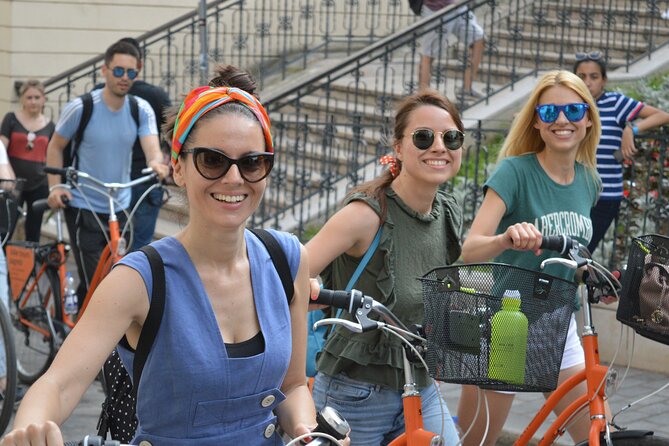
- A max of 12 people keeps the ride social but not crowded
- Coffee, a cold drink, or ice-cream breaks the sightseeing into something you can enjoy
- Practical navigation + lively commentary make the landmarks easier to remember
- Multiple iconic stops around Kaptol and Gradec, including St. Mark’s and the Stone Gate area
- Bikes and helmets included, plus a tour photo to mark the day
- Optional funicular nearby if you want a little extra lift to the Upper Town
Why pedal Zagreb in three hours?
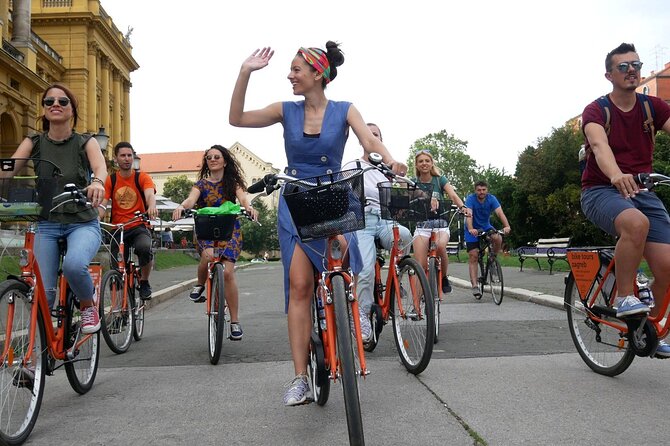
This tour is the kind of city overview that saves you headaches later. On foot, Zagreb can feel like you’re constantly trying to line up sights that sit in different “zones.” On a bike, you get the motion and the viewpoint changes without burning half your day on transit.
The pace is designed to feel doable. You’ll be active, but the stops come frequently enough that you’re not stuck thinking about effort. And because the ride is short, it’s easier to pair it with a longer museum visit or a focused food crawl after.
You can also read our reviews of more tours and experiences in Zagreb.

Meeting at Jurišićeva ul. and what to expect from the ride
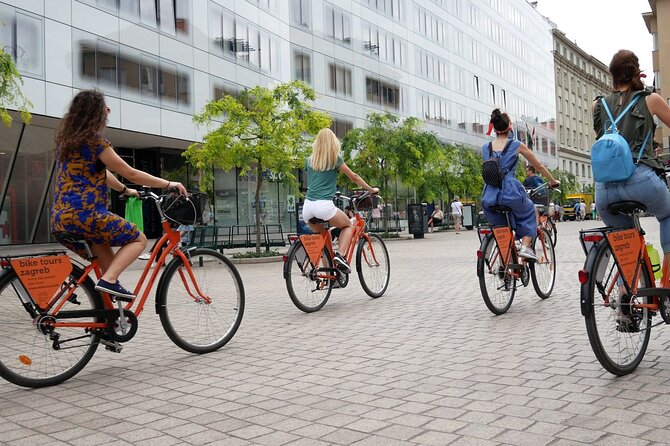
You’ll start and finish at Jurišićeva ul. 19, 10000 Zagreb. That matters because it keeps your day simple: you’re not hunting for your way back to a station or building.
With a maximum of 12 travelers, you’ll feel like a group instead of a crowd. Guides running this route often work in an interactive style, and you may hear different names mentioned—like Iva, Eva, Filip, Zeljka, Angelica, Sandro, or Felip—which usually signals a consistent format: get you moving, slow down for the stories, and keep everyone together.
The coffee and ice-cream break actually helps
This is one of the tour details that sounds small until you’re in the middle of a sightseeing loop. The tour includes coffee, a refreshing drink, or ice-cream during the ride. It’s not just a treat; it resets your energy so the second half feels lighter.
Also, alcohol isn’t part of the deal. That’s a good thing here because it keeps the group focused, especially when you’re riding through traffic-adjacent areas and crossing between neighborhoods.
Cathedral of Zagreb to Dolac: start with the two heartbeats of the city
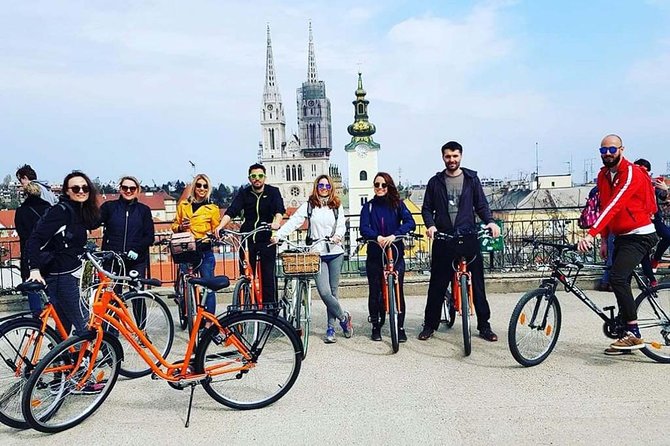
Your first major stop sits at the Cathedral of Zagreb area. The story goes back to 1093, when the Hungarian king Ladislav founded the Diocese of Zagreb at what’s now Kaptol and raised the church to cathedral level. The practical takeaway: this is where Zagreb’s religious and civic identity gets a first anchor, so the rest of the tour reads more clearly after you’ve heard that origin.
From there, you head to Dolac Market, often described as the belly of the city and noted as the largest farmers market in Zagreb. Even if you don’t buy anything, it’s one of the best places on this route to feel the day-to-day Zagreb vibe. It gives your tour a grounded, local texture that pure monuments can’t.
Both stops are quick, and the admission element is straightforward (the tour lists free entry for these stops). Plan to use the time like you’re speed-dating the city: glance first, then come back for a photo or a snack if you spot something you like.
Tkalčićeva Street to Bloody Bridge: borders, nightlife, and street drama
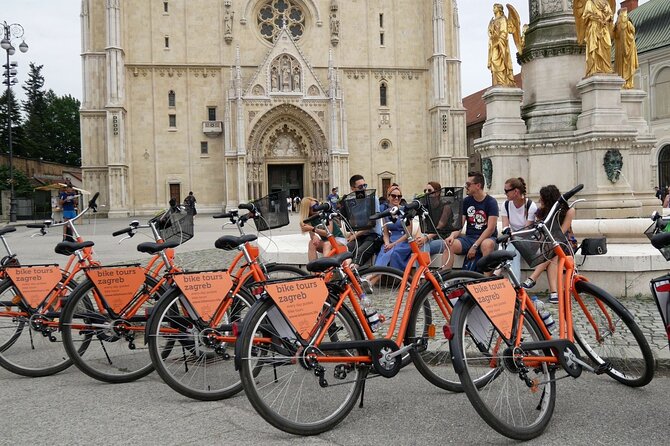
Next is Tkalčićeva Street, today’s downtown nightlife lane. The historical angle is part of the fun: from the late 1800s into the 1930s, it’s described as the Zagreb equivalent of the Amsterdam Red Light District. That kind of context turns a modern street scene into a layered story, and it helps you notice details you would otherwise ignore.
Then you cross to Krvavi Most, Bloody Bridge, a spot tied to conflict and boundary. It’s the border between Gradec and Kaptol across the Medveščak stream, marked by frequent clashes between the two groups. When a tour gives you a “where” and a “why,” you start understanding why Zagreb feels like it’s built from distinct neighborhoods rather than one flat grid.
In this section, the main thing to watch is group cohesion. Streets like this can be visually lively and physically busy, so stay alert when you’re near pedestrians and crossing points.
Petrini Pyli and St. Mark’s Church: two stops that make the Upper Town make sense
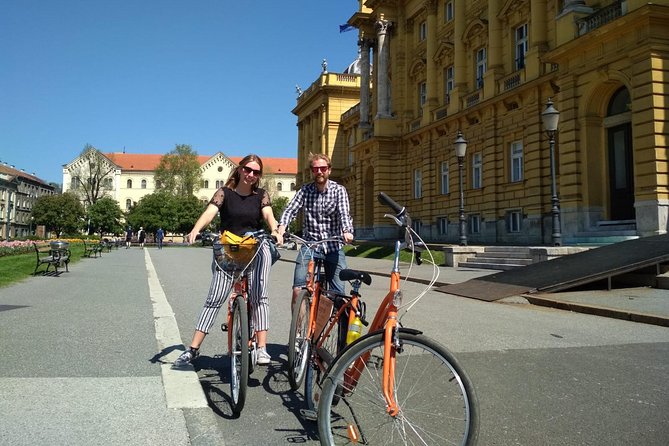
The route brings you toward Petrini Pyli (Stone Gate), tied to the shrine of Our Lady of the Stone Gate. The tour notes her as the patron saint of Zagreb for centuries. Even without digging into every detail, this is one of those stops that gives the city a recognizable spiritual nickname you’ll remember later.
A short ride later is St. Mark’s Church, one of Zagreb’s oldest buildings and one of its symbols. It’s also mentioned in the 1334 Kaptol Statute, which helps you place it in a longer timeline than the casual visitor usually considers. The big value here is that St. Mark’s anchors the Old Town identity while you’re still close enough to everything to keep your momentum.
The funicular zone: oldest public transport is nearby, but you choose
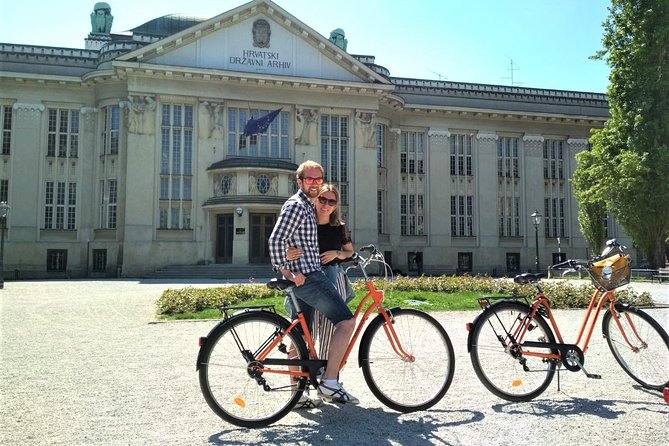
You’ll pass by the funicular railway, known as the oldest means of public transport for passengers in Zagreb, created in 1892. The tour makes one point clear: the funicular ticket is not included.
So how do you use this? If you want a quick extra viewpoint push to the Upper Town, treat it as an optional add-on. If not, you’re still getting the story and the neighborhood context from the bike route. Either way, you’re not stuck because your tour ends back at the start.
Teatre Nacional Croata to King Tomislav Square: identity, language, and power
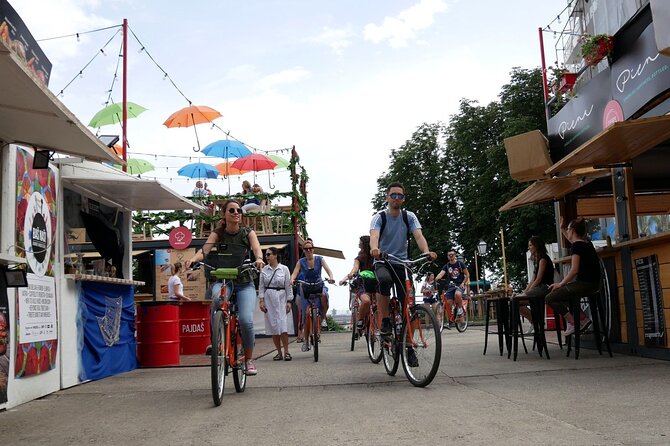
A highlight many people enjoy is the stop at the Croatian National Theater (Teatre Nacional Croata). It’s tied to the Illyrians and to the broader push for a Croatian-language theater. The tour notes the decades-long aspirations and points specifically to Dimitri Demeter, making the theater feel less like a photo stop and more like a political-cultural milestone.
Then you roll into King Tomislav Square. Here, the focus is political origin: the first Croatian king, Tomislav, dated 925–928, and the tour frames it as a rule that predates the later principality of Croatia. If you like understanding why a city’s monuments are where they are, this part gives you that logic.
Zrinjevac: the planned green space that ties the lower city together
The ride ends with a look at Zrinjevac, where the tour mentions an urban plan adopted in 1876. The idea was to merge the squares of the lower city into a single framework. In practice, this stop helps you see Zagreb as something designed, not only something that grew.
It’s a calmer moment after the heavier historic context, and it’s a good place to look around and decide what you want to do next. If you came into the tour focused on museums, this moment gives you a natural reset before you commit to indoor time.
Bikes, helmets, and road safety: check before you go
This is the part I want you to take seriously. Most reviews praise the experience as easy and enjoyable, and many describe bikes as comfortable and the ride as relaxed. But there are also notes about bikes not being as new as you might hope, and at least one comment flagged helmets and road-safety focus.
Before you start, do a quick personal checklist:
- Helmet fit: snug and stable, not wobbling as you move.
- Brakes: test them in place.
- Bike size: make sure you can comfortably reach the handlebars and pedal without forcing your posture.
Also, the route includes parts with cobblestones and busy pedestrian maneuvering. Even if you’re a confident rider, slow down at crowded spots. The best way to keep the vibe positive is to stay predictable and follow the guide’s rhythm.
Price and value: is $54.44 a good deal?
At $54.44 per person for about 3 hours, you’re paying for three things: movement, local interpretation, and built-in breaks. Bikes, helmets, and a local guide are included, along with coffee/refreshment/ice-cream and a photo from the tour.
Several of the stops on the route are listed as free for admission, which helps the math. The main exception is the funicular, which is explicitly not included. If you do want the funicular ride later, you’re essentially adding a small extra cost for optional views.
In short: if you want a first overview that also gives you food and practical sightseeing context, this price feels fair. If you already know Zagreb well and only want one or two stops, you could spend less by designing your own route—but you’d lose the guided storytelling and the time-saving bike logistics.
Who should book this bike tour in Zagreb?
This tour fits best if you want:
- A first-time Zagreb orientation
- A fun way to see both lower and upper areas without long walking stretches
- A light, active morning or afternoon with frequent breaks
- A guide who shares story hooks and practical suggestions
It’s also a solid option for families, as long as kids can ride with confidence. One review described taking three 10-year-olds and keeping the kids engaged with questions, which suggests the guide style works well when everyone can handle a shared pace.
If you’re brand-new to biking or you’re worried about handling cobblestones and crowded crossings, you’ll want to be cautious. This isn’t a quiet trail ride; it’s city riding.
Should you book the Classic Zagreb Bike Tour?
I’d book it if you’re in Zagreb for a short time and you want a fast, friendly way to understand the city’s layout—from Kaptol’s cathedral origins to Gradec’s identity, the market energy of Dolac, and the older symbols like St. Mark’s and the Stone Gate.
Skip it or be extra selective if:
- You have very limited biking comfort
- You’re sensitive to group safety dynamics in busy areas
- You plan to spend most of your time inside museums and churches without much need for orientation
If you do go, treat the first half as your “get your bearings” phase. Then use the Zrinjevac and square moments to decide where you want to linger later. It’s one of the simplest ways to turn a single morning into a clearer Zagreb map in your head.
FAQ
How long is the Classic Zagreb Bike Tour?
The tour runs for about 3 hours.
What’s included in the price?
Included are the bicycle and helmet, a local guide, a coffee or refreshing drink or ice-cream during the break, and a photo from the tour.
Is the tour offered in English?
Yes, the tour is offered in English.
Is the funicular ticket included?
No, funicular railway admission is not included.
How many people are in the group?
The tour has a maximum of 12 travelers.
Can I cancel for a full refund?
Yes. You can cancel up to 24 hours in advance for a full refund.