REVIEW · WHISTLER
Whistler Half-Day Mountain Bike Tour
Book on Viator →Operated by Whistler Bike Guide · Bookable on Viator
Mountain biking in Whistler, minus the planning headache.
I love that this tour starts with a hands-on setup—meet your guide, adjust the bike, and get a quick skills check—so you’re not guessing on day one. I also like the way the ride tempo stays flexible, with frequent stops to look around and regroup.
The big win for me is the personal attention. With a maximum of 3 travelers, your guide can actually steer your experience—pushing you a bit when you want it, dialing things back if you’re newer to mountain biking.
One possible drawback: if you’re hunting for lots of flow trails and jumps, you may need to be very clear about that early. The ride can lean more cross-country with climbing depending on ability and conditions, and higher-up flow sections usually mean more uphill first.
In This Review
- Quick Key Points Before You Pedal
- First Meet-Up in Whistler: Bikes, Adjustments, and Picking Your Trail Style
- The Included Full-Suspension Bike: Why It Matters for Comfort and Control
- Your 3 Hours on the Trail: From Easy Flow to Climbing Views
- The Stops Aren’t Just Breaks: Green Lake Views and Mountain Vistas
- Getting Personal Attention with a Max of 3 Riders
- Matching Your Ability: New Riders, Teens, and Enduro-leaning Adults
- Price and Value at $206.06: What You’re Actually Paying For
- What to Bring and How to Prepare So You Feel Good
- Weather, Safety, and Why Trail Choices Can Shift
- Expectations Check: Flow Trails, Jumps, and the Reality of Climbing
- Should You Book This Whistler Half-Day Bike Tour?
- FAQ
- How long is the Whistler Half-Day Mountain Bike Tour?
- Where does the tour start?
- What’s included in the price?
- What kind of group size should I expect?
- What level of fitness do I need?
- Is the tour suitable for beginners?
- Can the guide adapt the trails to what I want?
- Do I get a helmet and bike, or do I need to bring my own?
- Is the tour language English?
- What if the weather is bad?
Quick Key Points Before You Pedal
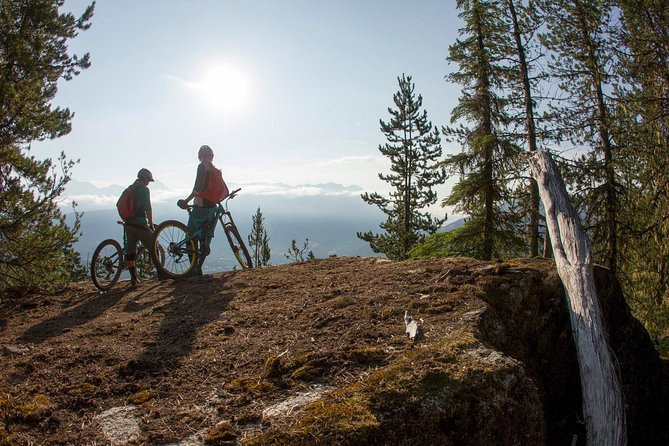
- Small group (up to 3) means you get real feedback, not a “follow the leader” shuffle
- Full-suspension cross-country bike + helmet are included, so you can focus on riding
- Guide-led trail choice adapts to your skills and what you want out of the day
- Frequent view stops make the ride feel like more than just exercise
- 3-hour timing is a practical way to fit mountain biking into a tight Whistler schedule
First Meet-Up in Whistler: Bikes, Adjustments, and Picking Your Trail Style
This tour is designed to get you riding quickly, and it starts with a simple but important moment: you connect with your guide and sort out the basics. If you need it, the bikes can be brought to your lodging, which saves time and energy—handy if Whistler is already throwing you curveballs like altitude, gear lines, and weather checks.
Once you meet, you’ll do introductions and bike adjustments. This isn’t just a “tighten your seat” moment. The guide uses your Q&A to match the ride to what you can handle and what you want to learn. You should expect a conversation about your comfort level, your technical ability, and the pace that feels right.
They also keep it honest about what’s possible. If you want enduro-style excitement, that’s on the table for riders who can handle it. If you’re just trying to get confident on trail, they’ll steer toward that too. In other words, you’re not locked into one experience level.
You can also read our reviews of more tours and experiences in Whistler.
The Included Full-Suspension Bike: Why It Matters for Comfort and Control
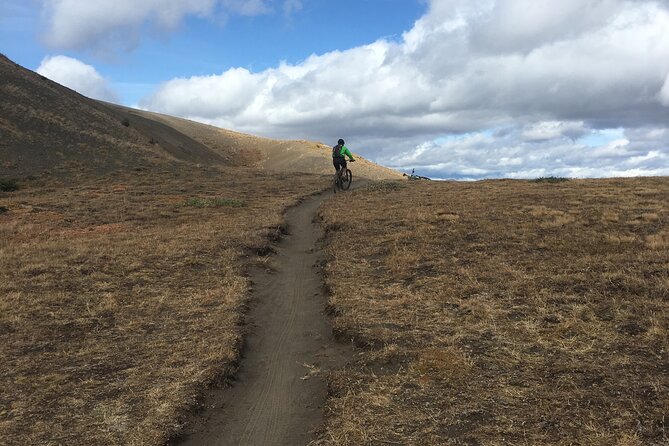
You’re not showing up to Whistler with a borrowed hardtail and hope. You get a high-performance full-suspension cross-country mountain bike plus a helmet. That combination matters because suspension changes how the trail feels under your tires—less harshness over rough sections and more planted control when things get bumpy.
Full-suspension is also a confidence builder if you’re new. It won’t remove effort, but it can make the ride feel more forgiving when the terrain surprises you. And since this tour is built for mixed skill levels, the bike setup helps the guide coach you through the same route with small adjustments for each rider.
One detail that’s easy to overlook: full-suspension doesn’t mean you can ignore technique. You still need to ride actively, keep your body position moving, and trust the trail. The good news is your guide should be right there to help with those small corrections.
Your 3 Hours on the Trail: From Easy Flow to Climbing Views
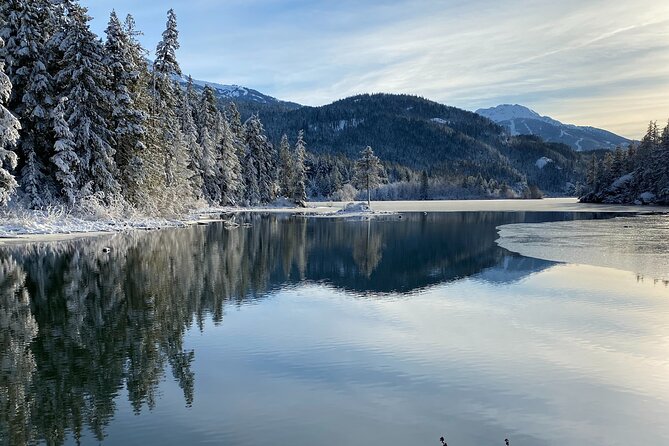
Plan on about 3 hours of time on the mountain, give or take depending on your group and the trail plan. The ride typically builds like this: you start with manageable riding, then progress into more climbing and more demanding trail as everyone settles in.
If you’re a complete beginner, this is where the tour earns its reputation. The experience is set up so you can start on flatter stretches and working-up to climbs with big view rewards. If you’re more experienced, you still get the satisfaction of challenge—you’ll just get matched to trails that don’t leave you spinning your wheels.
In the best moments, you’ll get a mix:
- some faster, smoother stretches that feel fun and flowing
- some uphill work that earns the downhill
- short stops that turn the ride into a scenic break, not just a treadmill on two wheels
A practical note: climbing is part of mountain biking here. Even if you think you’re booking a flow-heavy day, the trail system often demands that you work up to the sections you want. If you want less climbing, you’ll need to talk for that outcome upfront.
The Stops Aren’t Just Breaks: Green Lake Views and Mountain Vistas
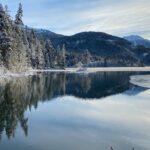
A lot of bike tours feel like you’re racing a stopwatch. This one tends to build in plenty of stops to admire what’s around you. One standout view mentioned in rides like this is Green Lake and the surrounding mountain scenery.
Those moments matter because Whistler can be deceptively steep. If you don’t pause, you tend to ride past what makes the place special. The guide’s pacing—slow enough to see, controlled enough to keep you progressing—helps the day feel like an experience, not just a workout.
If you’re riding for photos, this is one of the better ways to do it without bringing your phone out every ten seconds and getting your line covered in mud. You’ll have time where it counts.
Getting Personal Attention with a Max of 3 Riders
Small group rides sound nice. They’re actually useful. With a limit of 3 travelers, your guide can:
- help with technique as you ride
- adjust difficulty as conditions change
- keep you from getting lost or stuck waiting too long
You also get faster course correction. If something feels too hard—steep, technical, or just too much too soon—the guide can switch the plan. That’s why riders who go in as novices often come away saying it felt tailored and not generic.
There’s also something social here. You’re not stuck in a big group where the guide can only manage the average pace. It tends to feel more like a shared morning with the person leading the way.
Matching Your Ability: New Riders, Teens, and Enduro-leaning Adults
This tour is explicitly built for outdoor adventurers of all levels. That doesn’t mean every trail is identical for everyone. The difference is the guide is supposed to tune the ride to your skills and your comfort.
I’d especially pay attention to how the guide approaches “just challenging enough.” In past rides, guides like Kieran have been described as pushing riders the right amount—challenging, but not reckless. Another guide, Grant, has worked with people new to mountain biking by customizing the experience so both a parent and a teen could have fun.
If you want the day to be an intentional workout, that’s also something you can request. One rider asked for a workout and got exactly that: climbing plus real effort, balanced with trail enjoyment.
If you’re experienced and want something spicy, you should say so. The operator’s message is clear: high performance enduro experiences can be offered, but it’s tied to your ability and how your body can handle the session.
Price and Value at $206.06: What You’re Actually Paying For
At $206.06 per person for about 3 hours, you’re paying for more than bike time. You’re paying for:
- an expert local guide
- a full-suspension bike and helmet
- the time-saving convenience of not sorting out routes and riding logistics
Value in Whistler often comes down to whether you avoid the hassle. This tour shines if you only have a short stay and don’t want to spend half a day figuring out where to ride, what to ride, and what condition the trails are in.
Is it cheaper than renting and riding on your own? Sometimes. But most first-timers pay a hidden tax: the cost of confusion, wasted time, and picking a route that’s wrong for their level. With this tour, you’re buying the shortcut: right terrain, right pacing, and someone adjusting the plan while you’re moving.
One thing to weigh: small group size means the price isn’t “spread out” across a crowd. If you’re traveling with a friend or two, it can feel more reasonable because you’re splitting the experience without turning it into a big-group production.
What to Bring and How to Prepare So You Feel Good
The data here doesn’t list a full gear checklist, so I’ll stick to the basics you can safely plan for: wear what you normally ride in, and show up ready for moderate exertion.
You should have moderate physical fitness level. That usually means you can handle sustained effort, not just a quick sprint. Expect some climbing. Expect to be on the bike long enough that your legs will notice.
Also, because this tour is adapted to your technical ability, come ready to communicate honestly. If you’re nervous about descending, say that early. If you want more flow and jumps, say exactly what you’re aiming for—then confirm what the guide can safely deliver given your level and the day’s realities.
Weather, Safety, and Why Trail Choices Can Shift
This experience requires good weather. If conditions are rough, the tour can be changed or canceled, and you should be ready for that kind of flexibility. Mountain biking doesn’t love wet rock, low visibility, or surprises.
Even on good days, the trail plan can change based on your group’s readiness. One clear pattern from how this operation responds to rider needs: safety and ability come first. If someone can’t reach a certain goal section, the guide will adjust.
So here’s my practical advice: book it with a mindset of “guided flexibility.” You’ll still get a fun ride, but you’ll get it through choices that match your group, not through a fixed, rigid route at all costs.
Expectations Check: Flow Trails, Jumps, and the Reality of Climbing
This is the one area where people can feel mismatch—so let’s name it.
If your dream day is lots of flow trails and small jumps, make that request clearly when you’re asked about skills and preferences. The guide can tailor the day, but if your group’s route leans more cross-country, that usually means:
- more climbing
- more forest-and-trail style riding
- fewer jump-focused sections unless your level matches
Some riders are totally happy with cross-country and forest views. If you’re not, you’ll want to set the target early and repeat it when you meet.
And remember: even “flow” usually happens after the uphill work. If you want flow without climbing, your expectations might fight the math of the mountain.
Should You Book This Whistler Half-Day Bike Tour?
Book it if you want:
- a guided 3-hour ride without route-planning stress
- a small-group experience that adapts to your ability
- a high-quality ride with full-suspension and coaching
- views like Green Lake with time to actually look
Think twice if:
- you specifically want a jump-heavy flow session and you’ve never ridden mountain bikes
- you expect zero climbing and lots of downhill-only fun
- you’re going to be upset if the guide adjusts for safety or ability on the day
My take: if you like the idea of learning as you ride, and you’re open to your guide shaping the trail plan, this is a strong choice for Whistler. It’s also one of the more efficient ways to get real mountain biking in when your schedule is tight.
FAQ
How long is the Whistler Half-Day Mountain Bike Tour?
It runs for about 3 hours.
Where does the tour start?
You meet your guide at Whistler Bike Guide, and bikes can be delivered to your lodging if required.
What’s included in the price?
An expert local guide, a high-performance full-suspension cross-country mountain bike, and a helmet are included.
What kind of group size should I expect?
The tour has a maximum of 3 travelers.
What level of fitness do I need?
You should have a moderate physical fitness level.
Is the tour suitable for beginners?
Yes. The operator focuses on getting new riders into the sport and can adjust the ride based on your experience.
Can the guide adapt the trails to what I want?
Yes. You’ll be contacted prior to arrival to assess your technical and physical ability so your tour type can be chosen to match.
Do I get a helmet and bike, or do I need to bring my own?
You get both the bike and helmet as part of the tour.
Is the tour language English?
Yes, it’s offered in English.
What if the weather is bad?
The experience requires good weather. If it’s canceled due to poor weather, you’ll be offered a different date or a full refund.