REVIEW · PORTO
7-Day The Way of St James Bike Tour- The Coast Path – Camino to Santiago
Book on Viator →Operated by Top Bike tours Portugal · Bookable on Viator
Two wheels, sea air, and a Santiago finish. This 7-day Coast Path route is interesting because you follow an old pilgrimage line while bouncing through Portugal and northern Spain on a modern Trek mountain bike. I like that it’s set up as a smooth, practical ride: you get navigation and logistics handled, so you can focus on the coast, the towns, and the final arrival.
What I like most is the mix of big scenery and small, real places. You’ll spend time in fishing and port cities along the Atlantic, then you land at the pilgrimage heartbeat in Santiago de Compostela without needing to be an expert rider. The only real consideration is that this is easy to moderate overall, but there are some hills, and July–September heat means you’ll want to start early and drink water constantly.
You should also know the tour is small. It runs with a maximum of 2 travelers, which helps keep things calm and manageable, especially if your day gets hot or you’re still getting used to the bike. The tradeoff: it’s non-refundable and cannot be changed for any reason, so you’ll want to be sure before you book.
In This Review
- Key points you’ll care about
- Why this bike version of the Camino makes sense
- Meeting in Porto: Rua João das Regras and a 8:00 start
- Day 2: Porto coast to Esposende, Póvoa de Varzim, and Vila do Conde
- Day 3: Viana do Castelo and the river Minho finish in Caminha
- Day 4: Crossing into Spain to Bayona (and Francis Drake’s raid)
- Day 5: Vigo stream, San Simón’s bay, and Arcade oysters
- Day 6: Caldas de Reis hot springs and Afonso VII pilgrimage ties
- Day 7: The final ride into Santiago de Compostela and Obradoiro Square
- Day 8: Departure and what to do with your final morning
- Bikes, navigation, and daily comfort: what’s really covered
- Price and value: what $2,990.44 really buys
- How hard is it, honestly?
- Who should book this tour (and who should skip it)
- Should you book this 7-day Coast Path bike tour to Santiago?
- FAQ
- How long is the tour from Porto to Santiago?
- What time and where do I meet in Porto?
- What bike do you provide?
- Is the route self-guided or guided?
- What’s included in the price?
- What’s not included?
- How many people are on this tour?
Key points you’ll care about
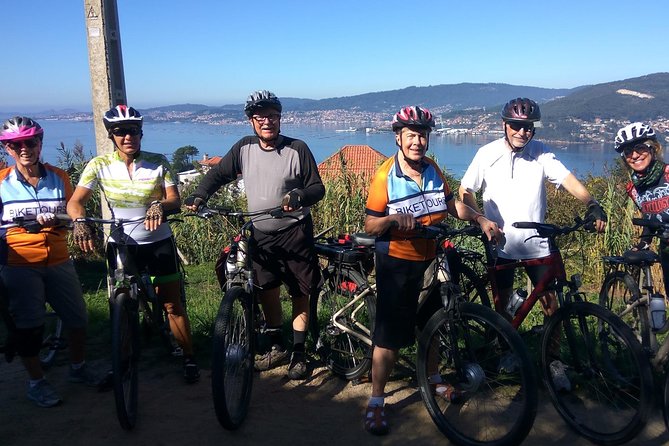
- Small group size (max 2 travelers) keeps the pace and logistics more personal.
- GPS + road book means you ride a defined route without guessing.
- Luggage transfer saves energy for pedaling, not carrying bags.
- Porto to Santiago with coastal town stops including Bayona and Arcade.
- Trek mountain bikes + helmets are included, so you’re not shopping last minute.
- Baroque cathedral arrival at Obradoiro Square is the emotional finish.
Why this bike version of the Camino makes sense
If you like the idea of the Camino but don’t want to spend a week on your feet, this is a smart compromise. You still get pilgrimage-route satisfaction—daily movement, meaningful arrival, and a string of coastal towns that feel connected to centuries of travel—but you do it by bike.
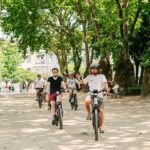
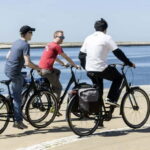
The big value here is that the route is built around the coast. That matters because coastal routes tend to keep you “in motion.” Even when the day has road and rural stretches (the tour uses bike paths when available, plus tarmac and country roads), the scenery and town rhythm help the miles go faster. And because the tour is framed as easy to moderate, you can focus on enjoying the ride rather than suffering through it.
Another value point: the logistics are handled in a way that supports your energy. You get luggage transfer, you’re provided a bike and helmet, and you have Porto airport transfers and a return pickup to Porto after Santiago. That means you’re not piecing together multiple bus tickets and bike plans. You can just ride.
You can also read our reviews of more tours and experiences in Porto.

Meeting in Porto: Rua João das Regras and a 8:00 start
Day 1 begins with a briefing at Rua João das Regras nº 62, 4000-290 Porto. The start time is 8:00am, so treat the first morning like you’re starting a proper day trip, not a leisurely wake-up.
Plan to arrive with everything you’ll need for the first cycling day plus whatever you might want to keep accessible. Even with luggage transfer, you’ll still want your water and key items on you during the ride. The tour specifically asks you to carry enough water at all times, which is great advice here—Porto and the Atlantic can still feel intense once you’re riding under sun.
One more practical note: the meeting point is near public transportation. That’s helpful if you’re arriving from another part of Portugal and don’t want to taxi around trying to find the exact door.
Day 2: Porto coast to Esposende, Póvoa de Varzim, and Vila do Conde
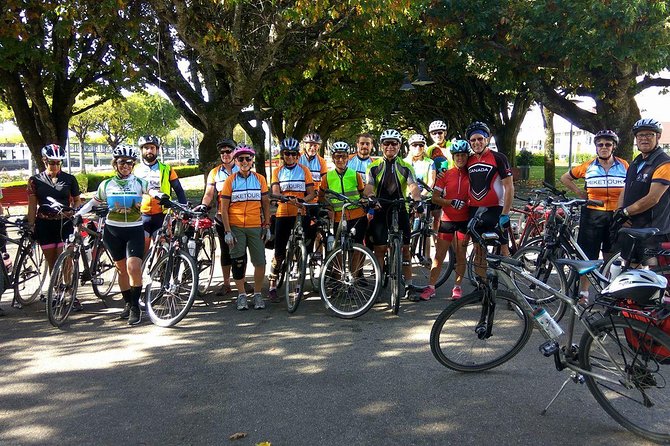
On day 2, you head north to Esposende, starting the tour’s Atlantic rhythm right away. This is the day when you feel the coast doing what it does best: waves, fishing villages, and the sense that food and daily life are tied to the sea.
As you ride, you’ll also pass through places like Póvoa de Varzim and end up in Vila do Conde. This is more than “pretty coast.” These towns were important for Portugal’s maritime story, especially during the era tied to the Portuguese Discoveries. In practical terms, you’ll notice the variety of waterfront life—boats, fishing traditions, and local gastronomy that makes sense in context once you’re seeing it by bike.
Value for your trip: this is a good day to get into a comfortable cadence. The ride is aimed at easy to moderate fitness, so you can settle into the rhythm before the more Spain-focused days come along.
Day 3: Viana do Castelo and the river Minho finish in Caminha
Day 3 brings Viana do Castelo and then the ride ends in Caminha, where the river Minho meets the water. Caminha is described as having a strong green heritage—waterfalls, beaches, viewpoints, and even a camping park. That combination is a nice change from pure city port vibes.
Viana do Castelo matters historically because ships for voyages to Brazil, India, Africa, and other Portuguese territories were developed there between the 14th and 15th centuries. It’s one of those details that makes the coastline feel purposeful instead of just scenic. When you see the water and the town’s relationship to it, those old maritime links click into place.
Practical tip: day 3 is also where you’ll want to watch your energy. Even if the tour is rated easy to moderate, moving day after day adds up. Stay ahead of fatigue: drink water, eat breakfast as planned, and don’t treat lunch or snacks as optional if you get hungry on the road.
Day 4: Crossing into Spain to Bayona (and Francis Drake’s raid)
Day 4 is the first clear shift into Spain, with the ride ending in Bayona. Expect the day to follow the coastline and bring sea-breeze air right into the cycling rhythm.
Bayona is tied to Pontevedra politically, and it has that layered old-town feel—Romans early on, then medieval growth toward the coast, and Catholic Church influence shaping the town over time. The historical fun fact here is that in the 16th century, Bayona was raided by British ships led by Francis Drake, who saw a chance to set up a commercial and merchant point.
Why it’s worth caring about: small details like Drake’s connection can make your walk through the old center feel more alive. You’re not just looking at buildings—you’re looking at places shaped by trade, conflict, and the sea.
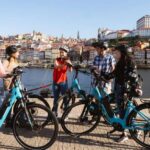

Day 5: Vigo stream, San Simón’s bay, and Arcade oysters
This is the day that feels built for food lovers and coastline fans. You’ll follow the coast and ride toward San Simón’s bay, with watery views along the way. Then the day centers on Arcade, famous for its oysters.
Arcade isn’t only about eating. You’ll also pass the church of Santiago in Arcade (12th–13th centuries) and roads and paths that connect back toward pilgrimage destinations. In other words, you get food plus meaning, and you still ride a coastline that feels like part of the route’s identity.
Here’s a useful timing note if you’re planning around seasons: early April’s first week has a festival called Fiesta de la Ostra. The city fills with tourists and pilgrims for the oyster celebrations. If your travel dates line up, you could get a more lively atmosphere than a standard day.
Drawback to keep in mind: since lunches and dinners aren’t included, you’ll want to build your oyster day around your own meal planning. If you’re relying on restaurant stops, keep an eye on hours and don’t assume every place runs the same schedule as in big cities.
Day 6: Caldas de Reis hot springs and Afonso VII pilgrimage ties
Day 6 takes you inland just enough to change the flavor: Caldas de Reis in the Pontevedra province. This town has roots tied to early communities living from the hot springs. The name Caldas de Reis connects to the birthplace of Afonso VII, who, in the Middle Ages, helped shape it as a pilgrimage path to Santiago de Compostela.
This day works well for your body. After coastal riding days, you get a change of pace and a built-in reason to take it easy. The tour also notes that Caldas de Reis is now a hot spot for tourism focused on hot spring treatments for different illnesses.
Food-wise, you’re also in the empanada and regional bread zone. The tour calls out lamprey empanadas and traditional Spanish bread as local specialties. And again, lunches and dinners are not included—so plan to eat here because it sounds like the kind of stop you’ll remember.
Day 7: The final ride into Santiago de Compostela and Obradoiro Square
Everything builds toward the final day. You finish at Santiago de Compostela, one of the major pilgrimage cores in Western Europe.
You’ll ride to the Square of Obradoiro, where you’ll see the majestic Baroque cathedral. This is where the emotional payoff lands: the remains of the apostle are associated with the cathedral, and the site is the final destination that makes the whole week feel connected.
Even if you’re not religious in the traditional sense, Santiago is one of those places where you feel the weight of the journey. You’ll see it in the crowd energy, the architectural scale, and the simple fact that people traveled here long before bikes or GPS existed.
Day 8: Departure and what to do with your final morning
Day 8 is the departure day. Since the tour also includes a Santiago pick up back to Porto city in van, you’ll likely have your logistics lined up so you’re not stuck figuring out transport on the spot.
Keep your final morning flexible. After a week of cycling, you may want time for a slow walk, a café break, or just time to reset before travel. If you’re the type who always underestimates how long it takes to say goodbye to a place, plan for a little extra buffer.
Bikes, navigation, and daily comfort: what’s really covered
This tour is set up for confident self-paced navigation while still being guided enough to remove uncertainty.
Included:
- Bike rental and helmet (Trek mountain bicycles)
- GPS with route (self guided)
- Road book
- Luggage transfer
- Accommodation (7 nights)
- Breakfasts (8)
- Porto arrival and departure airport transfers
- Santiago pickup back to Porto city by van (ticket BUS)
That mix is practical. The GPS and road book are especially helpful on a Coast Path route because even when you’re on familiar terrain, coastal cycling can include confusing turns, short road stretches, and practical route changes.
If anything goes wrong, the tour’s support seems built for real life. One of the standout impressions from the ride experience is that the team is friendly and handled a bike issue quickly and safely, which matters a lot when you’re away from home and riding day after day.
What’s not included:
- Alcoholic beverages
- Travel insurance
- Lunches and dinners
So, bring travel insurance that covers biking. The tour notes that insurance is only available in guided bike tours, so for this experience you should assume you’re arranging your own coverage.
Price and value: what $2,990.44 really buys
At $2,990.44 per person, this isn’t a budget outing. But bike touring costs add up fast—bikes, helmets, navigation tools, accommodation for a week, luggage handling, and transfers across two cities and two countries.
What helps justify the price:
- 7 nights of accommodation are included
- Bike + helmet are included (Trek mountain bicycles)
- GPS + road book are included, so you’re not renting tech or building routes yourself
- Luggage transfer removes daily effort
- Airport transfer in Porto and return transfer from Santiago back to Porto are included
- The tour is designed for a small group (max 2 travelers), not a giant pack
The “consideration” side is that you’ll still pay for lunches and dinners, and the tour doesn’t include alcohol. So your onboard spending will mostly be food + drinks + any extras.
Also remember: during July, August, and September, the tour specifically recommends cycling early due to hot weather. That can affect what you do in the evenings and how hard you push each day.
How hard is it, honestly?
The tour is rated easy to moderate and aimed at a moderate physical fitness level. Still, it’s a multi-day cycle with hills to contend with.
Here’s how to think about it:
- If you can handle a steady day of riding with some climbs, you should be okay.
- If you’ve mostly done short rides and nothing longer, you might find the cumulative fatigue sneaks up on you.
The tour’s advice is clear: carry enough water at all times. That’s not just safety talk—it’s the difference between cruising and feeling wrecked by midday heat.
And yes, you should expect a mix of surfaces. The route uses bike paths when available, plus tarmac and rural streets. That variety is normal on coast routes and part of why biking feels so connected to the daily world.
Who should book this tour (and who should skip it)
This tour is a great fit if you want:
- The Way of St James experience with a lower physical barrier
- Coast-focused cycling rather than inland-only walking pilgrimage
- A route with practical support (navigation, luggage transfer, transfers)
- A finish in Santiago’s Obradoiro Square without extra planning
It may not be the best fit if:
- You need a fully guided day-by-day experience and not self-guided route following (the tour provides GPS and is self guided)
- You’re sensitive to heat and can’t realistically start early in peak summer
- You’re not ready for a few hills across the week
Should you book this 7-day Coast Path bike tour to Santiago?
If you want the Camino feeling, the coastal scenery, and an easy-to-moderate bike challenge, I’d say this is a strong choice. The best part isn’t just the route—it’s the fact that you’re set up with GPS, a road book, bike support, and luggage transfer, so your energy stays where it belongs: on the ride.
If you’re traveling in summer, book with confidence only if you can commit to cycling early and carrying water. And read the terms closely: it’s non-refundable and can’t be changed for any reason.
FAQ
How long is the tour from Porto to Santiago?
The experience is listed as an 8-day tour approximately, with cycling over 7 days and a departure day on Day 8.
What time and where do I meet in Porto?
You meet for briefing at Rua João das Regras nº 62, 4000-290 Porto, Portugal, with a start time of 8:00am.
What bike do you provide?
The bikes provided are Trek mountain bicycles, and a helmet is included.
Is the route self-guided or guided?
You receive a GPS with the route and a road book, so the tour is set up for self-guided riding along the provided route.
What’s included in the price?
The tour includes 7 nights of accommodation, bike rental and helmet, GPS and road book, luggage transfer, Porto airport transfers, breakfasts (8), and a van pickup from Santiago back to Porto city.
What’s not included?
Lunches and dinners are not included, nor are alcoholic beverages. Travel insurance is also not included.
How many people are on this tour?
The tour has a maximum of 2 travelers.