REVIEW · PORTO
The Sunset Porto Bike Tour
Book on Viator →Operated by Biclas & Triclas - Rent a Bike and Tours · Bookable on Viator
Porto looks best when the light turns soft, and this is a 3-hour sunset ride that hits the city’s highlights without wasting time. I love how it gets you to viewpoints and neighborhoods like Miragaia and Foz that feel hard to reach on foot or by bus.
One thing to keep in mind: the route is weather-dependent, so if skies are bad, you may need to switch dates (or wait for a better evening).
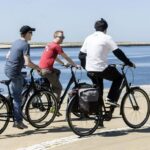
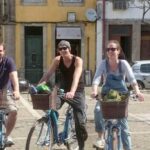
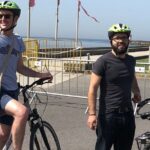
What I especially like is the built-in confidence: you get a bike + helmet, and the guides focus on comfort and safety before rolling out. Guides like Felipe and Helio bring the city alive with stories and a pace that feels right for mixed groups—though you’ll still want to stay alert at any busier street crossings.
In This Review
- Key things to know before you ride
- Price and what you actually get for $58.81
- Where the tour starts (and why that matters)
- The first stretch: Miragaia and the Douro’s built-in stories
- Tram Museum moment in Massarelos: Porto’s transport nerd stop
- Arrábida Bridge: one engineering fact that sticks
- Cantareira fishermen and the quieter river edges
- Foz gardens and forts: when Porto turns into sea air
- From Praia da Foz to Castelo do Queijo: beaches with a purpose
- Matosinhos beach: an easy ocean horizon
- City Park with Sidónio Pardal: a big green break from streets
- Pasteleira Urban Park and the wooden pontoons
- Jardim do Cálem and the Douro mouth views
- Luís I Bridge and Ribeira: UNESCO views and the human side of Porto
- How the ride feels in real life (pace, safety, and comfort)
- Who should book this bike tour (and who might skip it)
- Should you book the Sunset Porto Bike Tour?
- FAQ
- How long is the Sunset Porto Bike Tour?
- What time does the tour start?
- What does the tour price include?
- Are food and drinks included?
- What language is the tour offered in?
- Do I need a passport to join the tour?
- How big are the groups?
- Where do we meet, and where does the tour end?
- Does the tour run in any weather?
Key things to know before you ride
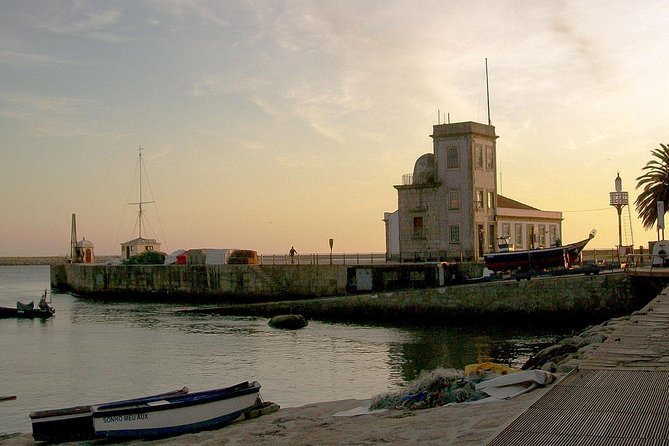
- Sunset timing: a 5:00 pm start that lines up with golden-hour views over the Douro.
- Small groups: capped at 10 travelers (and typically smaller per booking), which makes it easier to move together.
- Car-free feel: the best part is the gentle, mostly separate lanes and flat riding that keeps the experience relaxed.
- Big highlights in 3 hours: you cover the historic center, Gaia-side views, bridges, and major parks without rushing.
- Real bike tour setup: bicycle + helmet included, plus bottled water and a local guide.
- Foz to Ocean air: the itinerary shifts from river views to beach areas, forts, and lighthouses.
Price and what you actually get for $58.81
At $58.81 per person for about 3 hours, you’re paying for three things: a timed departure, a guide, and transportation (bike + helmet). For Porto, that’s good value because the route is designed to string together distant areas—Old Town, the river, Gaia viewpoints, and the Foz coastline—without you needing to piece together buses or taxis.
You’re not paying extra for entry fees along the way, since the listed stops are free to visit. Food and drinks aren’t included, so think of this as a scenery-first tour: you snack later, not during.
You can also read our reviews of more tours and experiences in Porto.

Where the tour starts (and why that matters)
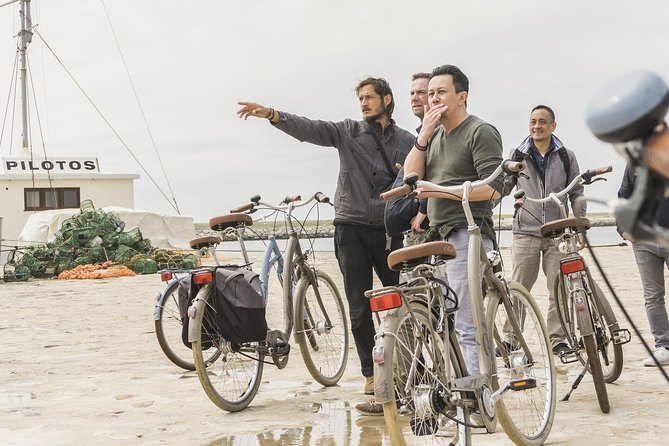
You’ll meet at Biclas & Triclas – Port Rent a Bike and Tours, R. Nova da Alfândega 108 R/C, 4050-431 Porto. The location is close to public transportation, which helps if you’re arriving from elsewhere in the city.
Starting and ending back at the same place means you don’t have to worry about a complicated drop-off. It’s also handy if you want to extend your evening afterward with dinner near the river or in the historic center.
The first stretch: Miragaia and the Douro’s built-in stories
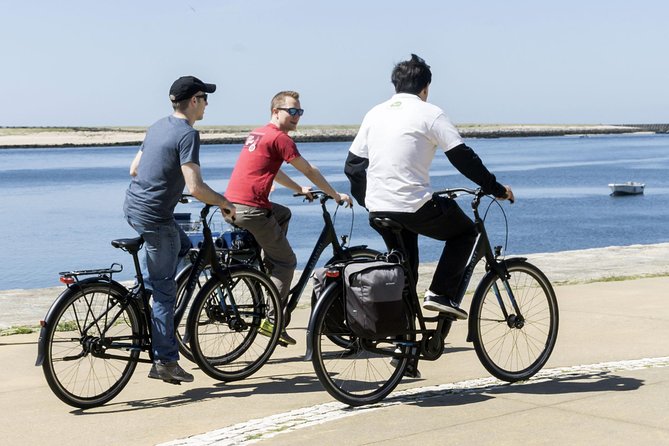
Early on, the tour moves through Miragaia, a picturesque pocket known for cobbled streets, villas, and small places that serve typical Portuguese dishes. Even if you don’t stop long, the vibe matters: this area feels older and more local than the busiest tourist corridors.
From there, the ride connects to the kind of Porto change you can’t fully appreciate from a single viewpoint. You’ll hear about how construction along the pier replaced the old Miragaia beach and helped create the huge platform where customs is based—an example of how Porto’s waterfront evolved as the city grew.
Tram Museum moment in Massarelos: Porto’s transport nerd stop
One highlight on the route is the Porto Tram Museum (Museu do Carro Eléctrico), installed in a former thermoelectric power station next to the Douro in Massarelos. It opened in 1992, and it’s a quick stop that gives you context for how Porto moved people before modern transit took over.
Even if you’re not a tram fan, this works because it adds a different angle to the river story. Porto isn’t just scenery; it’s systems—how goods traveled, how people got around, and how the city re-used big industrial buildings.
Arrábida Bridge: one engineering fact that sticks
Then you hit Ponte da Arrábida, an arched bridge crossing the Douro between Porto and Vila Nova de Gaia. When it was built in 1963, it held the record for the largest reinforced concrete arch of any bridge in the world.
This is one of those facts your brain remembers later while you’re taking photos. The bridge also helps visually “place” the river: you can see how Porto and Gaia face each other, not like separate towns, but like two halves of the same waterfront conversation.


Cantareira fishermen and the quieter river edges
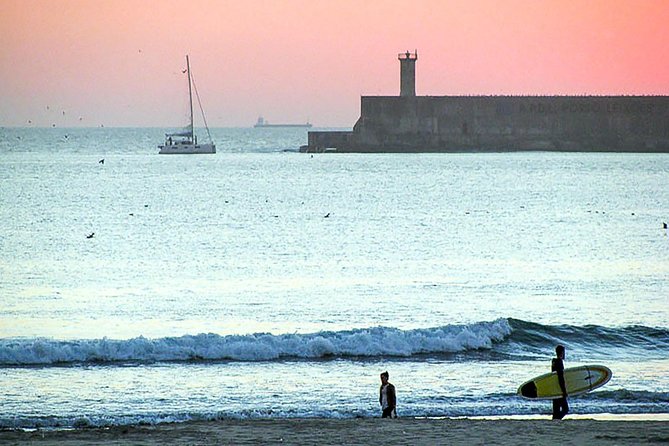
Next comes Cantareira, an area named after times when fountains brought people to fetch water with pitchers. It’s still connected to riverside life—fishermen, small boats, and gear storage—so the setting feels practical, not museum-like.
This stop also does a nice job of pacing you. After the bridge moment, the ride slows down into more human-scale views: boats tucked in, the river stretching out, and sightlines toward the far side between the Douro route and the mouth.
Foz gardens and forts: when Porto turns into sea air
As the tour moves toward the Foz do Douro area, you get a change of mood. You’ll pass the Jardim do Passeio Alegre area (linked to the Jardim do Cálem and Foz gardens), which is described as a property of public interest and is surrounded by classified monuments and heritage sites.
Then it’s time for the São João Baptista da Foz Fortress (also called São João da Foz Castle). It sits in a dominant position on the Douro river bar, giving river access to Porto. If you like thinking about what coastal defenses were built to do, this stop gives you that perspective fast.
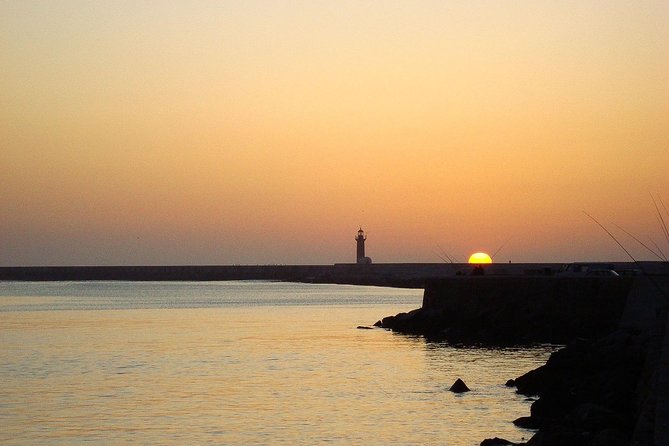
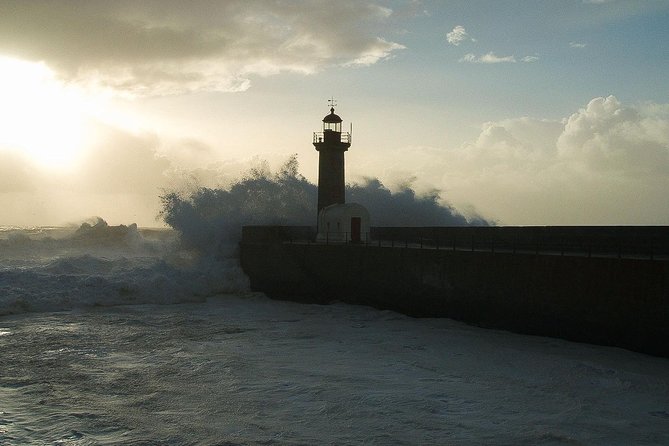
Right after the fortress, the tour continues to Farolim de Felgueiras, a lighthouse at the tip of its pier on the right bank of the Douro. It’s short, but it helps you understand the coastline as a navigation line, not just a pretty background.
From Praia da Foz to Castelo do Queijo: beaches with a purpose
The itinerary goes through Praia da Foz (the set covering Ourigo, Ingleses, and Luz). The “Pergola da Foz” stop gives you a break from big monuments, and you’ll likely appreciate the open-air feel as you ride along.
Next is Praia do Castelo do Queijo—built in the 17th century to protect the coast from pirates of North Africa. The fort sits on a cheese-shaped rocky hill, which is exactly how it got the name Castelo do Queijo.
One practical note: sunset rides near the coast can feel breezy. Bring a light layer if you tend to get cold when the wind picks up.
Matosinhos beach: an easy ocean horizon
You’ll also pass by Praia de Matosinhos, described as the largest beach with easy access from central Porto. It offers a wide stretch of golden sand and waves that can suit surfing.
Even though you may not spend ages here, the stop is a good “reset.” You get ocean views after the fortress and lighthouse moments, and the shift from river-focused scenes to sea-focused scenes helps the tour feel varied rather than repetitive.
City Park with Sidónio Pardal: a big green break from streets
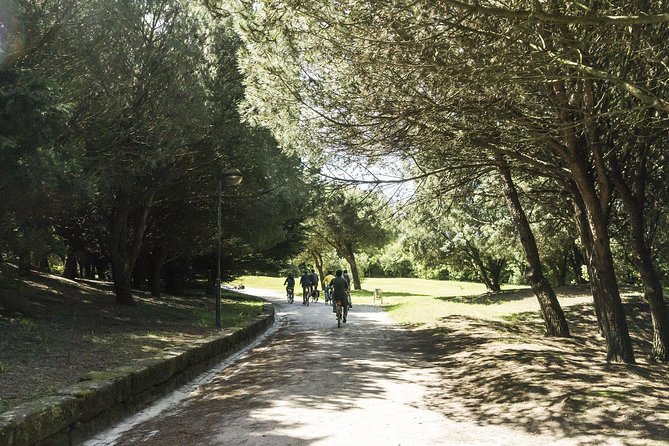
Then the tour enters City Park (Porto City Park)—the largest urban park in the country, covering 83 hectares with about 10 km of paths. It was designed by landscape architect Sidónio Pardal and includes lakes, flora, and fauna integrated into the city.
This is the part of the tour that many people love because you stop feeling like you’re just hopping from point to point. Instead, you’re riding through a place that’s meant for walking and lingering—so even a short stop makes the city feel bigger and less crowded.
Pasteleira Urban Park and the wooden pontoons
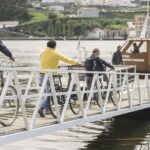
After City Park, you’ll reach Parque Urbano da Pasteleira, a public park split into two forest sections by Afonso de Paiva Street. The connection includes three wooden pontoons, which makes the park feel like it has its own small world inside the city.
This stop works for photo timing too. You’ll get river-and-park contrast, and it’s also a nice moment to regroup before the ride back toward the riverfront highlights.
Jardim do Cálem and the Douro mouth views
Next is Jardim do Cálem, a small garden space close to where the Douro meets the sea. It’s known for magnificent river views and for the tall black poplars nearby.
This is a great “last scenic turn” before the route starts returning toward the historic center. The views from this kind of spot make the Douro feel like the main character, not just the scenery between bridges.
Luís I Bridge and Ribeira: UNESCO views and the human side of Porto
Then you reach Luís I Bridge—the official name is Luiz I, and Porto locals may use the more sentimental version. It’s an ex-libris of the city and has been part of the UNESCO World Heritage Site since 1996.
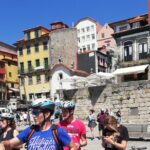
From there, the ride ends at Praça da Ribeira, a historic square right by the quay. The square is one of the oldest areas of Porto, referenced in royal letters in 1389, and it’s closely tied to the city’s commercial growth through the Douro River.
At Ribeira, you also learn about the tragic Ponte das Barcas disaster in 1809, when more than 4,000 people died during an attack by French troops. Today, a bronze bas-relief marks the moment, and it gives the riverfront a sharper emotional edge than “just pretty waterfront.”
How the ride feels in real life (pace, safety, and comfort)
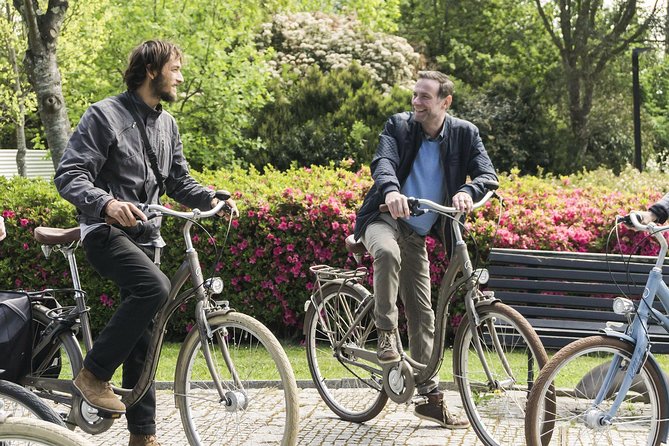
You’ll be on a bike the whole time, and the tour is designed for all ages and skill levels. In practice, the ride is meant to feel comfortable: good bikes, helmet included, and terrain that tends to be easy for people who aren’t cycling daily.
Guides like Felipe have a reputation for making sure everyone is comfortable and safe first, then keeping a pace that matches the group. Helio has been described as funny and full of Porto facts, which matters because the tour stops are more meaningful when you understand what you’re looking at.
Still, here’s the balanced bit: cycling anywhere in a city means you should watch intersections. One caution from a past experience was that when crossings got busy, the leader didn’t manage them the way some other guides do, and attention to a fallen rider wasn’t immediate. If your guide is handling crossings and keeping everyone together, you’re in good hands.
Who should book this bike tour (and who might skip it)
This is a strong choice if you have limited time and you want Porto’s “big spread” in one evening: Old Town energy, Douro bridges, Gaia views, Foz coastline, and major parks. It’s also great for first-timers who want a guided way to see how the city is laid out.
Skip it if you hate bikes, get motion-sick in breezy coastal weather, or you’re uncomfortable around traffic during any unavoidable crossings. Also, if you’re traveling with a stroller, you should plan around child seat rules for very young kids—this tour data mentions child seats for children up to 5.
Should you book the Sunset Porto Bike Tour?
Yes—if you want a sunset-focused way to see far-flung highlights in a single, organized ride, this tour offers a lot of value for the money. The combination of included bike and helmet, the guide-led pacing, and the range from river to ocean to major parks makes it feel like a full Porto evening, not just a short loop.
Before you book, pick your evening carefully and be ready for weather changes. If you’re the type who likes clear guidance at intersections, look for a guide approach that keeps the group tight and helps you cross safely.
FAQ
How long is the Sunset Porto Bike Tour?
It lasts about 3 hours.
What time does the tour start?
The start time is 5:00 pm.
What does the tour price include?
The tour includes all taxes/fees/handling charges, bottled water, a local guide, and use of a bicycle and helmet.
Are food and drinks included?
Food and drinks are not included unless specified.
What language is the tour offered in?
The tour is offered in English.
Do I need a passport to join the tour?
A current valid passport is required on the day of travel.
How big are the groups?
The maximum is 10 travelers for the activity. The booking is also listed with a maximum of 8 people per booking.
Where do we meet, and where does the tour end?
You meet at Biclas & Triclas – Port Rent a Bike and Tours, R. Nova da Alfândega 108 R/C, 4050-431 Porto, Portugal. The tour ends back at the same meeting point.
Does the tour run in any weather?
This experience requires good weather. If canceled due to poor weather, you’ll be offered a different date or a full refund.