REVIEW · AMSTERDAM
Amsterdam: Guided Bike Tour City Centre in EN/DE/FR/ES
Book on GetYourGuide →Operated by AmsterBike · Bookable on GetYourGuide
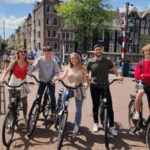
Quick pedal hits, big city payoff. This guided Amsterdam bike tour strings together classic sights and day-to-day neighborhoods in a way that feels practical, not rushed. I like that it runs with a small group (up to 15) and stays moving with frequent stops for photos and city context, including a very Amsterdam snack moment.
Two specific things I like: the route covers multiple areas you’d normally have to hop between by tram, and you get a real guide experience with names you’ll hear praised a lot (Rad, Chris, Carlos, Miriam) plus a clear, safety-minded ride. One thing to consider: you do need to be comfortable on a bike, since this is not a casual sit-and-glide tour.
In This Review
- Key highlights worth your time
- Why This Amsterdam Bike Tour Works So Well in 3 Hours
- Meeting at AmsterBike: Fast Start, Real Amsterdam Riding
- Western Islands and Canals: Drawbridges, Warehouses, and Artist Studios
- Jordaan, De Negen Straatjes, and De Pijp: The City Up Close
- Westerkerk, Anne Frank Area, and Leidseplein’s Street Energy
- Vondelpark Reset: Break Time That Feels Like a Feature
- Museumplein and the Museum Quarter Loop: Big Squares, Clear Views
- De Pijp to Magere Brug: The Classic Photo Moment, the Amsterdam Way
- Het Scheepvaartmuseum and the Maritime Quarter Finish: Ship Details and a Strong Ending
- Value and Price: Is $41 Actually a Good Deal?
- Who This Tour Suits Best (and Who Should Skip It)
- Should You Book This Amsterdam Bike Tour?
- FAQ
- How long is the Amsterdam guided bike tour?
- Where does the tour start and end?
- How big is the group?
- What languages are available?
- Is a helmet or audio equipment provided?
- What food and water support is included?
- Is this tour suitable if I can’t ride a bike?
Key highlights worth your time
- Small-group pace (max 15) that helps you stay together and actually hear the guide
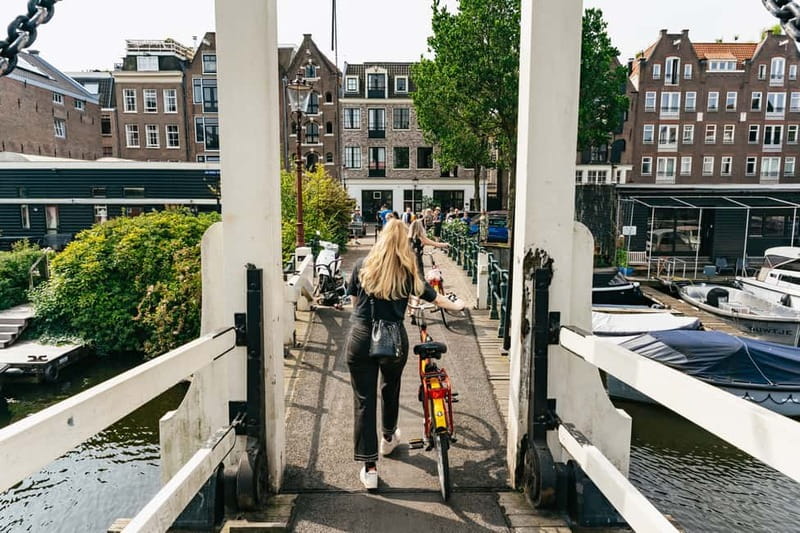
- Western Islands drawbridges and old warehouses, plus canal riding that feels local
- Jordaan, De Negen Straatjes, and De Pijp for shopping streets, cafes, and neighborhood energy
- Vondelpark break to reset after active cycling
- Magere Brug and the Amstel-side finish with big-photo views and a maritime museum stop
Why This Amsterdam Bike Tour Works So Well in 3 Hours
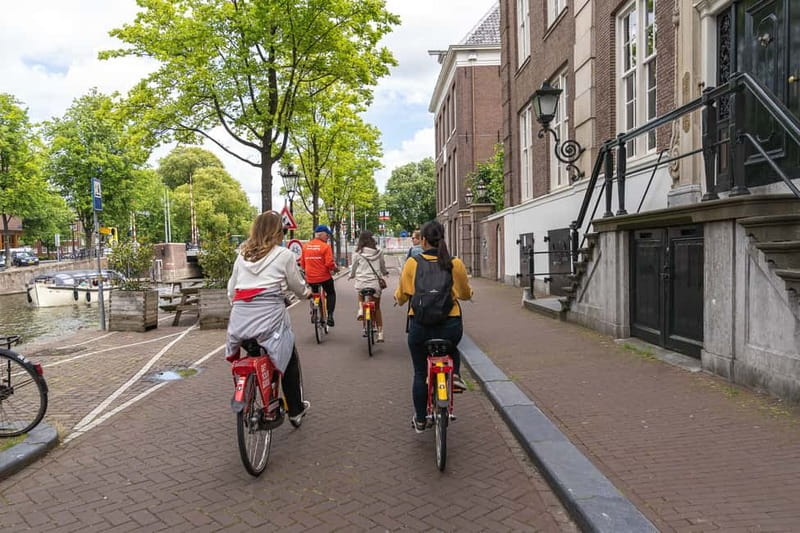
Amsterdam is flat, but it can still feel chaotic on two wheels. This tour’s sweet spot is time. In about three hours, you get a guided loop that covers central Amsterdam’s main belts and a handful of places most first-time visitors miss.
What makes it work is the balance between motion and meaning. You’re not just biking from landmark to landmark. You’re also getting street-level context as you cross canals and pass through districts with very different vibes. That’s why I think this is a strong way to orient yourself early in your trip: you leave with a mental map, not just photos.
And price matters here. At about $41 per person for a guided ride with a bike, snack, and water support, it’s not a budget gimmick. You’re paying for the guide to handle route logic and city storytelling while you enjoy the ride. If you were to cover similar ground on your own, you’d spend time figuring out logistics, and you’d likely skip some of the smaller lanes and “why is this here?” details.
You can also read our reviews of more tours and experiences in Amsterdam.
Meeting at AmsterBike: Fast Start, Real Amsterdam Riding
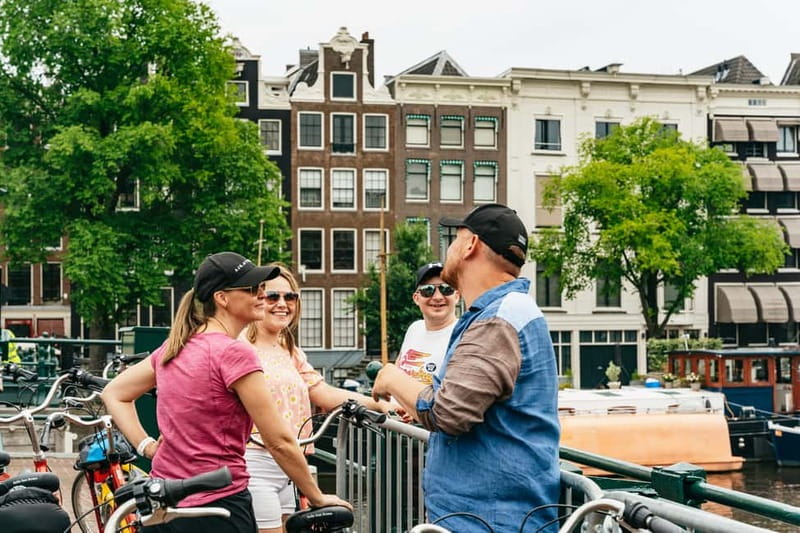
The tour meets inside the AmsterBike shop, and you end back there. Starting in a shop matters in Amsterdam. It’s where the bikes are checked, people get sorted into the group, and you can ask a quick question before you hit traffic.
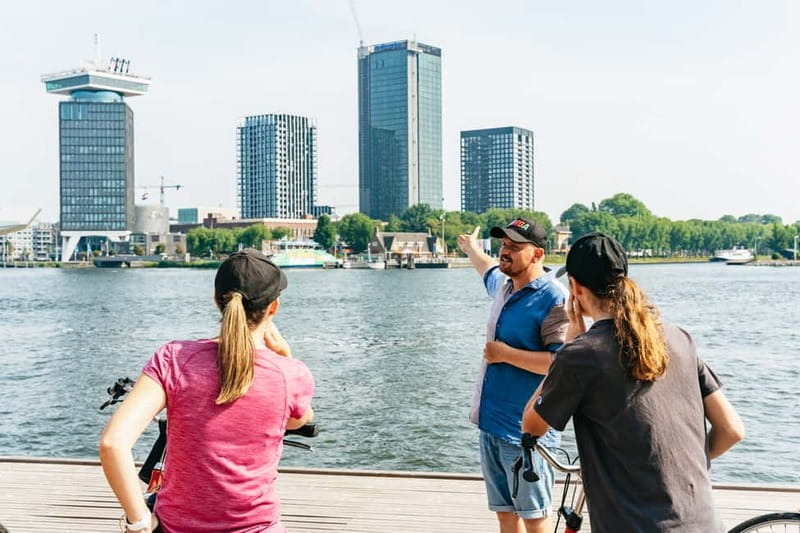
You’ll start near Central Station, then move quickly into the waterfront and skyline area around A’DAM Tower. That first stretch sets expectations: Amsterdam bike lanes and crossings can be busy, but they are also orderly once you understand the flow. The best tours on bikes don’t just throw you into the rush. Some guides include a short warm-up on quieter roads first, so you can settle your speed and spacing before the busier routes.
One practical note: you’ll want your smartphone charged and headphones ready. If you choose the optional audio option (French or Spanish), you’ll use an audio guide app. Even if you don’t, it’s still smart to have your phone ready for photos and directions afterward.
Western Islands and Canals: Drawbridges, Warehouses, and Artist Studios
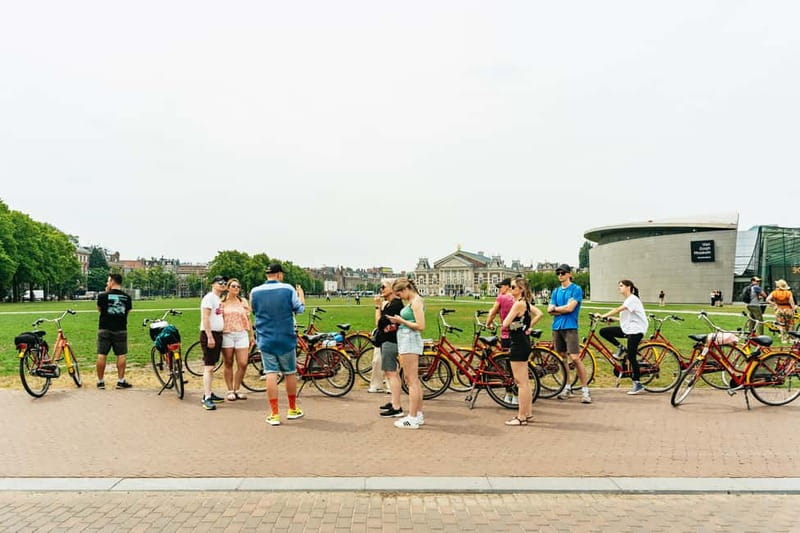
The Western Islands segment is one of the most “why didn’t I come here earlier?” parts of the ride. You’ll cycle past charming drawbridges and old warehouses, and you’ll see the kind of mix Amsterdam does so well: working-city elements beside creative spaces.
This area works well on a bike because the views unfold slowly. You don’t get that pacing on foot. Plus, canal riding in this part of town makes the city feel like a network, not a list of monuments.
You’ll also pass along the Brouwersgracht Canal, which is a good example of why a bike tour is more than sightseeing. It’s also a shortcut to understanding how canals shape neighborhoods: the water, the bridges, the street widths, and even where people gather.
The possible drawback here is also the most real one: portions of the ride go through areas where cyclists, pedestrians, and visitors all overlap. That’s why a guide who stays on top of safety and spacing is such a big deal. In the feedback you’ll hear a lot of praise for guides like Rad and Chris for being safety-focused, patient, and tuned into group dynamics.
Jordaan, De Negen Straatjes, and De Pijp: The City Up Close
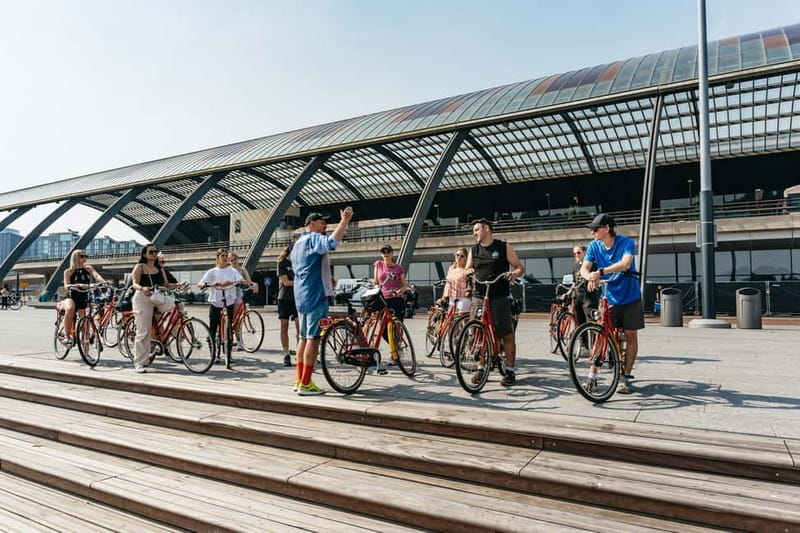
After the industrial-meets-art feeling of the Western Islands, you slide into districts that feel like Amsterdam at street level.
In the Jordaan, you’ll pass areas tied to trendy browsing and cozy hangouts—think indie boutiques, small cafes, and hip eateries. The Jordaan is popular, but it’s also easy to wander in circles if you’re doing it solo. On this tour, you’re moving with purpose, which makes it easier to spot the character of each block.
Then you’ll hit the De Negen Straatjes area (the Nine Streets). This is where narrow shopping streets and side canals create a very “slow walking, quick browsing” atmosphere. On a bike, you get a quick scan of the streets without the bottleneck feeling you get when crowds are thick.
Next comes De Pijp, known for its bohemian influence and narrow streets. This is another strong bike-tour district because it’s compact and visually dense. You’ll ride through the area rather than just stare at it from a big road. You’ll also get the contrast you want by comparing it mentally to the Jordaan: different street rhythm, different kinds of shops and food culture.
One small consideration: De Pijp and the Nine Streets areas can feel lively with foot traffic. You’ll still be fine if you follow the guide’s instructions and keep your speed steady, but if you’re nervous around crowds, give yourself that extra focus.
Westerkerk, Anne Frank Area, and Leidseplein’s Street Energy
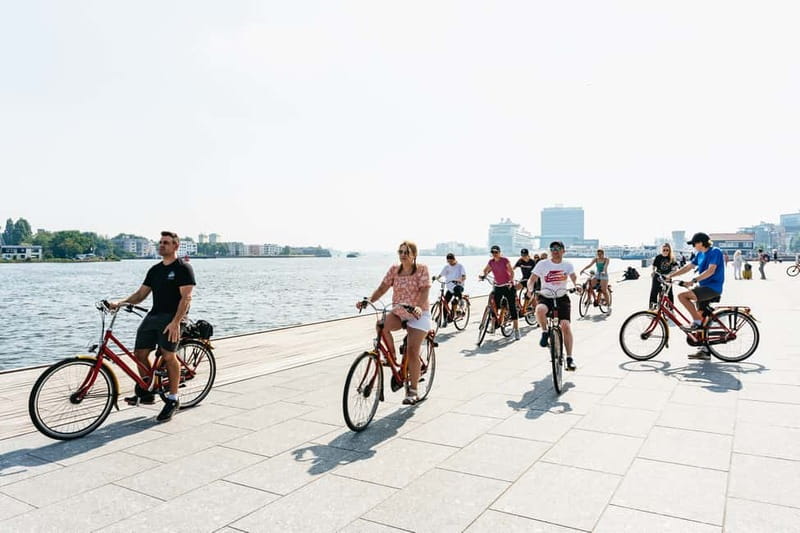
The route moves into the central canal-zone world, where architecture and history start showing up around every bend.
You’ll pass Westerkerk and also ride close to the Anne Frank House area. Even if you’re not going in, seeing these places from the street (and understanding where they sit within the canal layout) helps you make sense of what you’ll later read about or revisit on your own.
Then the ride heads toward Leidseplein Square, a busy theater district. Here, you’re likely to notice street performers and the general pulse of a nightlife area. This is one of the reasons I recommend doing this bike tour on a day when you can enjoy that energy. It’s not all calm canals and quiet courtyards. You get Amsterdam as a lived-in city.
A good guide makes a big difference at points like this. The strongest rides are the ones where the guide tells you what you’re seeing and why, and keeps the group moving smoothly without turning the tour into a lecture.


Vondelpark Reset: Break Time That Feels Like a Feature

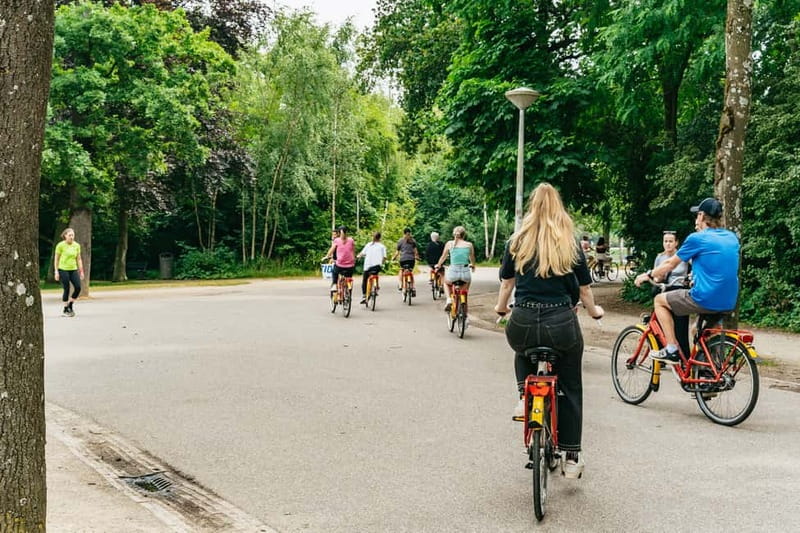
After enough cycling to wake up your legs, you get a break in Vondelpark. Vondelpark is the largest park in Amsterdam and one of the most famous in the Netherlands, and on a bike tour it becomes more than a scenic stop. It’s the reset button.
You’ll recharge in the park, and this break is built into the ride timing so you don’t end up feeling wrecked halfway through the afternoon. In practice, a park stop also helps the group breathe. It’s easier to ask questions, regroup if anyone falls behind, and use the bathroom if needed.
This is also where the tour gives you small comforts that make the whole thing feel smoother: the tour includes stopping for a snack (stroopwafel) and help filling your water bottle. You don’t need to scramble for supplies mid-ride.
Museumplein and the Museum Quarter Loop: Big Squares, Clear Views
Once you’re back in motion, the route circles through the Museum Quarter area and the Museumplein square. This section gives you a wide-open visual break from the narrower streets you’ll have been riding through.
Museumplein is one of those places where you can appreciate Amsterdam’s planning—large squares, major institutions, and clean lines. Even if you don’t go inside museums during the tour, riding the perimeter gives you the lay of the land. It helps if you’re planning a later museum visit, because you’ll understand how the neighborhoods connect.
You’ll also notice the way bike lanes and traffic rules shape the experience here. Big squares can be easier to read, but they can still feel busy. The benefit of a guided group is you don’t have to constantly guess where to position yourself.
De Pijp to Magere Brug: The Classic Photo Moment, the Amsterdam Way
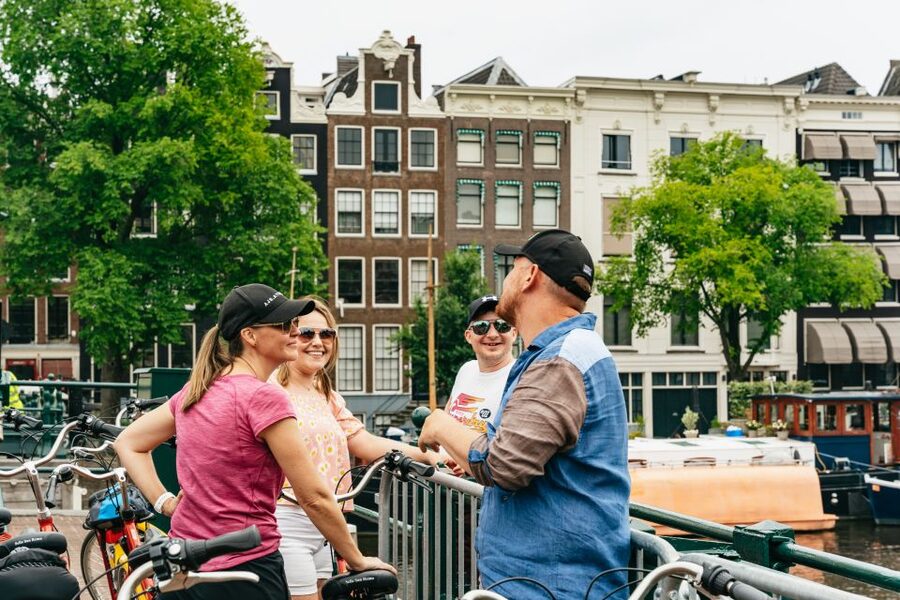
The ride continues from De Pijp toward Magere Brug—often called the skinny bridge. It’s a wooden drawbridge over the River Amstel, and it’s one of those iconic Amsterdam moments that looks good from almost any angle.
Biking gives you something special here: you can feel the city shift from district streets to river-side views. Bridges change your perspective, and they also create natural pacing. You pause mentally before the next stretch, which makes photo stops easier to manage.
This part of the tour is also a reminder why Amsterdam works best for bike travel. The city is built for moving, stopping, and moving again, all in one rhythm.
Het Scheepvaartmuseum and the Maritime Quarter Finish: Ship Details and a Strong Ending
After the bridge, you’ll reach the Artis Zoo area and head into the Maritime Quarter. Then the tour focuses on maritime sights, including Het Scheepvaartmuseum.
You’ll also get a standout stop at the Salt Harbour, where you can see an impressive replica of a 17th-century Dutch East Indian Company ship. That detail matters because it’s not just a pretty object—it’s a tangible link to Amsterdam’s trading history and the way the city’s global connections show up in its landscape.
The ending sequence is a smart way to finish: you start with skyline energy near Central Station, you spend the middle learning neighborhoods, and you wrap up with a waterfront, maritime-themed note that ties together the city’s geography and its history.
Value and Price: Is $41 Actually a Good Deal?
At $41 per person for about three hours, this isn’t just “cheap and cheerful.” It’s priced like a proper guided activity with real costs baked in: bike rental, guide time, and included extras like a stroopwafel and water help.
Here’s why it feels like value:
- You cover a lot of ground without spending hours planning routes.
- You get explanation at the stops, not just a map.
- You’re riding in a way that’s controlled by the guide, which is a big deal in busy areas.
- You leave with a set of neighborhoods you can revisit later without guessing.
If you only have one morning or one afternoon in Amsterdam, this is the kind of activity that can prevent wasted time. It’s not a replacement for museum tickets. It’s a way to understand how the city is put together so you can spend the rest of your time better.
Who This Tour Suits Best (and Who Should Skip It)
This tour is a strong match for you if you:
- can ride a bike comfortably (the tour is not for non-riders)
- want a first-time orientation across multiple districts
- like history explained through what you see on the street
- enjoy active travel with a few planned breaks
It’s also a good choice for families and mixed groups when the guide is good at pacing. Some rides include children in the group, and the guides are described as caring and attentive in those situations.
Skip it if you:
- don’t ride bikes confidently, even on flatter routes
- expect a slow, stop-every-10-minutes walking style tour
- want a quiet, escape-the-city experience rather than Amsterdam in motion
Should You Book This Amsterdam Bike Tour?
I’d book this one if your goal is a smart, efficient way to learn central Amsterdam fast—Western Islands, canal zone, Jordaan/9 Streets, Vondelpark, Museum Quarter, De Pijp, Magere Brug, and the maritime finish. The tour’s biggest strength is how it turns a short time window into a real sense of place.
Do it early in your trip if you can. You’ll use what you learn to navigate the rest of your days, and you’ll know which neighborhoods you want to linger in later.
FAQ
How long is the Amsterdam guided bike tour?
The tour runs for about 3 hours. Starting times vary by availability.
Where does the tour start and end?
Meet your guide inside the AmsterBike shop, and the tour ends back at the same meeting point.
How big is the group?
Group size is kept to a maximum of 15 people, which helps with pace and staying together.
What languages are available?
The live guide is available in English, German, and Dutch. There’s also an optional audio guide app in French and Spanish.
Is a helmet or audio equipment provided?
A helmet is available upon request. If you choose the audio guide option, you’ll need your own headphones.
What food and water support is included?
You’ll receive a stroopwafel, and the tour includes help filling your water bottle.
Is this tour suitable if I can’t ride a bike?
No. The tour is not suitable for people who can’t ride a bike.