REVIEW · GRAND GAUBE
Authentic North East Coast E-bike Guided Tour
Book on GetYourGuide →Operated by Storm E-bikes Tours · Bookable on GetYourGuide
Mauritius’s northeast coast has a quieter side. This 5-hour 32km e-bike tour takes you through rural villages, temples, and small fishing areas you usually miss. I especially like the non-touristy feel plus the chance to slow down in mangroves and learn how locals live with the island’s coast.
Two things I’d chase here: the guided cultural stops (Hindu village and Tamil temple) and the conservation-minded nature moments (mangrove reserve with oyster farming, sea turtle sanctuary, and the island’s oldest living Aldabra tortoises). One possible drawback: you do need to be comfortable riding and you’ll be on and off the bike a lot, so it’s not the best fit if you want an easy, minimal-sitting day.
In This Review
- Key highlights you’ll care about
- The practical reality: what this tour is (and isn’t)
- Meeting at Storm E-bikes Tours and getting your bearings fast
- The ride itself: 32km along the northeast coast in 5 hours
- Stop-by-stop: what each part gives you
- Cap Malheureux: coastal views, then you shift into local territory
- Fishermen landing station and a quieter side of the coast
- Grand Gaube: markets, street snacks, and the rhythm of local food
- Tamil temple and a Hindu village visit: culture with context
- Hidden beaches and the “no tourist crowd” feeling
- Mangrove preservation site: oyster farm, sea turtles, and wildlife lessons
- Lunch: authentic Mauritian cuisine, plus a vegetarian plan
- The e-bike kit and why the tour feels well-managed
- Price: is $94 worth it for 5 hours and all the stops?
- Who should book this tour (and who should skip it)
- Should you book Storm E-bikes Tours?
- FAQ
- FAQ
- How long is the e-bike tour and how far do you ride?
- Do I need to know how to ride a bicycle or have good cycling skills?
- Where is the meeting point, and can pickup be arranged?
- What should I bring and wear?
- What wildlife and nature stops are included?
- Is lunch included, and is there a vegetarian option?
- What happens if there is heavy rain?
Key highlights you’ll care about
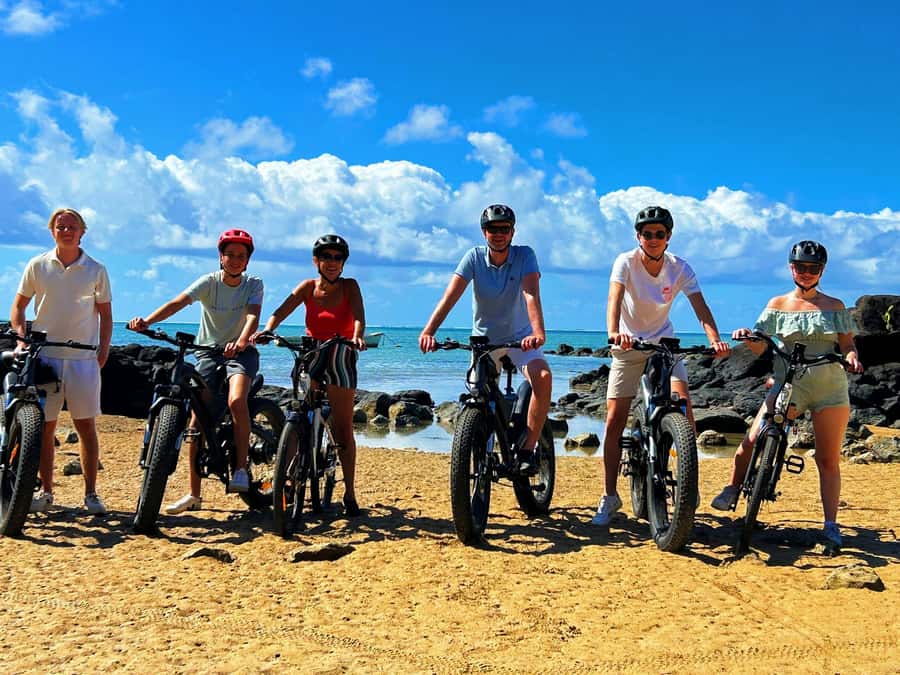
- Fat-tire 55W “Raptor” e-bikes that make the coast ride feel manageable
- Small groups (up to 8, with a hard cap noted at 10) for more guidance and smoother pacing
- Mangrove reserve + traditional oyster farm with wildlife and conservation focus
- Grand Gaube fish-market time and local food tasting in the real rhythm of the area
- Temples and village walks (including a Tamil temple) for cultural context beyond the beach
- Lunch included with vegetarian and non-vegetarian options at an authentic roadside place
The practical reality: what this tour is (and isn’t)
This is an active coast tour, not a lounge-by-the-water day. You’ll ride an e-bike along Mauritius’s northeast, with frequent stops for views, village life, temples, markets, beaches, and nature. The payoff is that you get a feeling for the island beyond the postcard hotels.
The e-bike matters. These fat tires and a 55W motor take the strain off—especially on any uneven spots or when you’re simply riding a long stretch. And there’s a try-it-before-you-go moment: arrive at 8:30am for instructions and get on the bike before the ride starts sharply at 9:00am.
This tour also has a clear personality. It’s aimed at people who want peaceful coastline scenes and places where you don’t feel like you’re in a constant tourist queue. If you’re hunting for “bling bling” beach spectacle, this likely won’t match your mood.
Meeting at Storm E-bikes Tours and getting your bearings fast
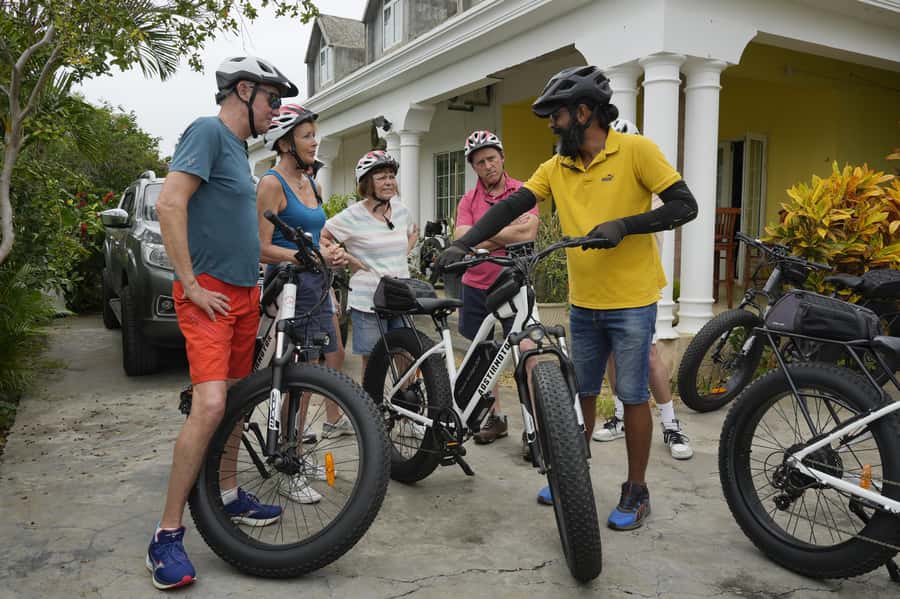
You’ll meet at Storm E-bikes Tours. The day starts with instructions that are more than a formality. You’ll learn how to handle the bike safely, including how the guide manages the group while riding. In practice, this is the difference between having fun and feeling tense.
One small thing to know: the meeting area can be a tight maneuver getting vehicles parked and staged. You won’t need to drive anything yourself, but it’s worth arriving calmly so you don’t spend your first ten minutes stressed.
Language options are English or French, so if you’re more comfortable in one, you can plan accordingly. And the tour uses earpiece/headset communication so the guide can talk to you as you move. That’s genuinely helpful on a day with many turns and stops.
The ride itself: 32km along the northeast coast in 5 hours
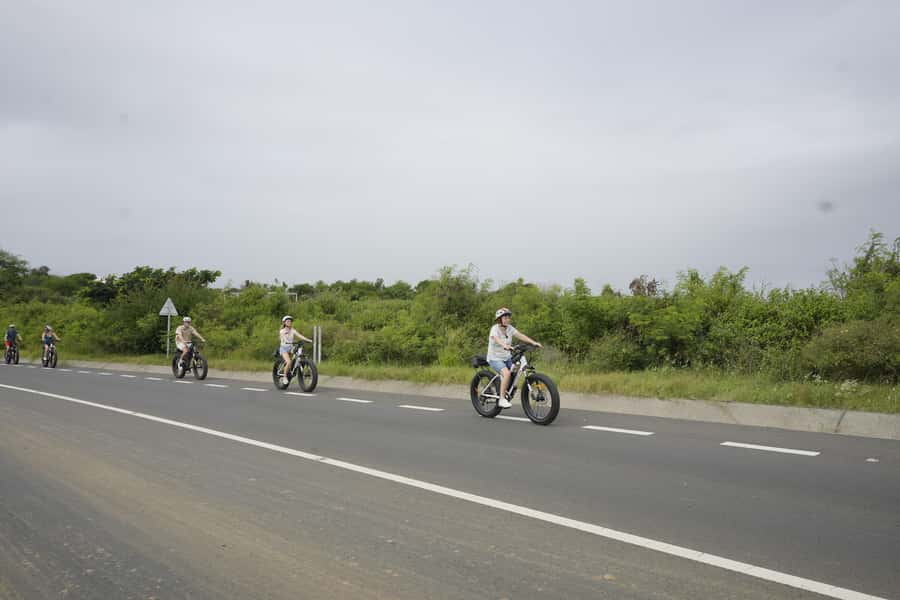
The core experience is a 32km bicycle tour spread over about 5 hours with stops. The route is designed so you’re not just pedaling for the sake of pedaling—you’re riding between moments.
Speed and effort are controlled by the guide. With the e-bike assist, you still feel the ride, but you’re not paying the “full bicycle tax” the whole time. That’s why first-time e-bike riders tend to do well here: you get practice at the start, then the motor helps you settle into an easy rhythm.
What you should be ready for:
- You’ll be stopping often and walking for short stretches.
- You should have good cycling skills and be comfortable hopping on and off.
- The tour is timed around a morning start, so you’ll get the best light and cooler temperatures.
Also, there are body requirements. You need to be above 155cm. Sports shoes are mandatory, and loose clothing isn’t allowed—simple because it can snag or feel unsafe on a bike.
Stop-by-stop: what each part gives you
Cap Malheureux: coastal views, then you shift into local territory
The day kicks off with Cap Malheureux for around 30 minutes of sightseeing and scenic viewing. This is your visual warm-up. You get a sense of the coastline mood before you move away from the busiest tourist corridors.
Why it’s valuable: it sets context. Without this first window, later village scenes can feel random. With it, you start to understand how the coast works—where homes and fishing life sit in relation to the sea.
Fishermen landing station and a quieter side of the coast
Next comes the fishing world—your route includes a fishermen landing station, plus time in village areas such as St Francois village. Expect a more grounded look at everyday coastal life rather than curated tourist storefronts.
This is where the “authentic” goal actually happens. You’ll see how communities handle the sea as a resource and livelihood. The guide’s job here is important: you’re not just looking, you’re getting an explanation of what you’re seeing and why it matters.
Potential drawback: if you’re sensitive to active working areas, keep your expectations flexible. Some stops are energetic because people are doing real daily tasks, not waiting for photographs.
Grand Gaube: markets, street snacks, and the rhythm of local food
Grand Gaube is where the day turns flavorful. You’ll spend time at the traditional fish market and have food tasting plus local snacks (about 45 minutes at one point, with additional time later for photos and walks).
You might hear about fish like unicorn fish—and this is one of those places where a guide helps you spot what’s important rather than just wandering by stalls. Even if you don’t eat everything, tasting gives you a feel for what’s common here.
Then there’s the food schedule built into the ride: you’re not doing a stressful “find lunch” scramble while hungry. Lunch is included at a traditional spot, and you can choose vegetarian or non-vegetarian options.
Tamil temple and a Hindu village visit: culture with context
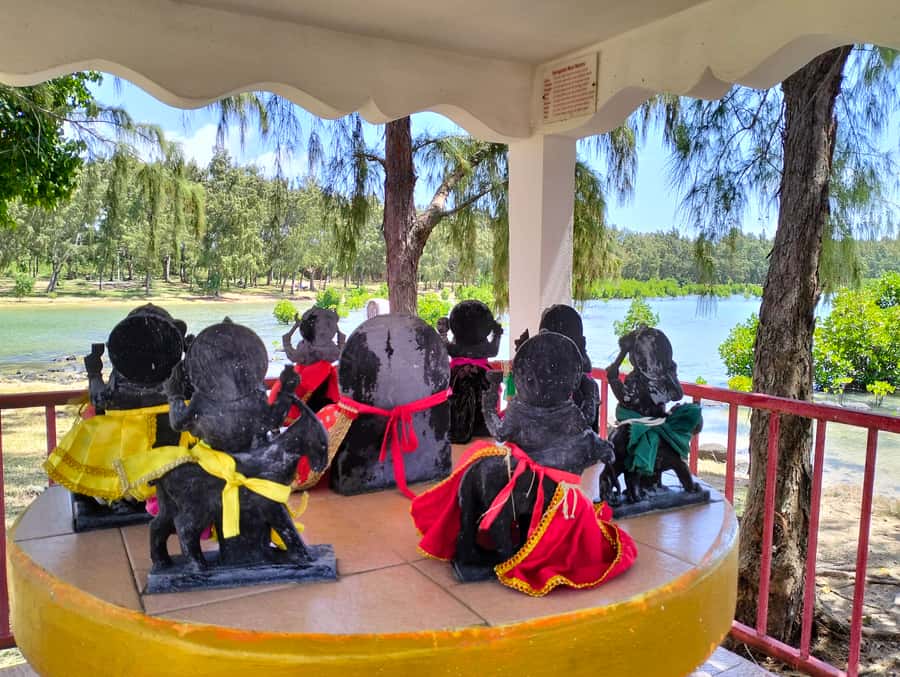
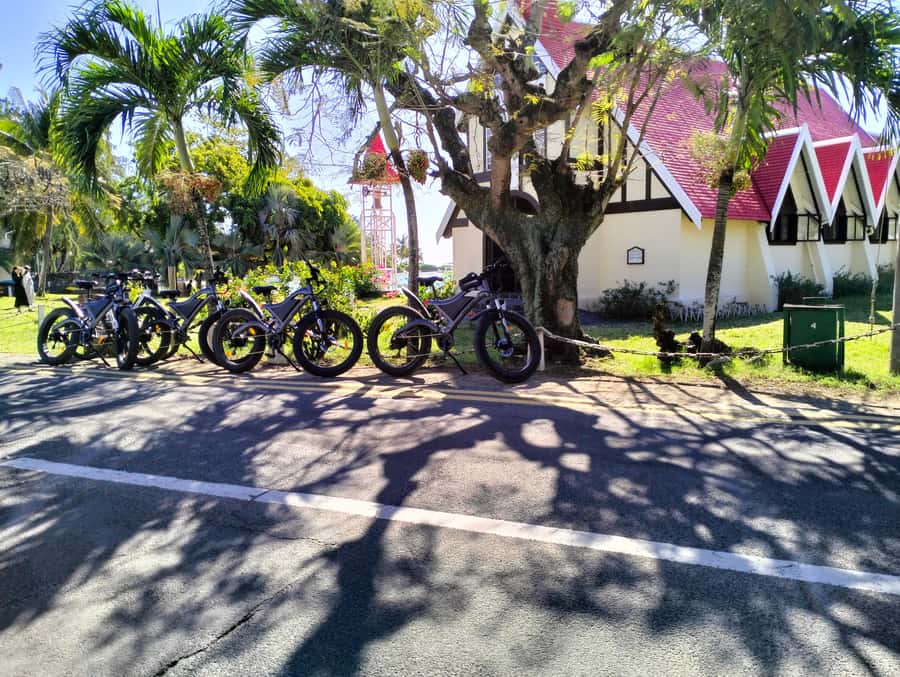
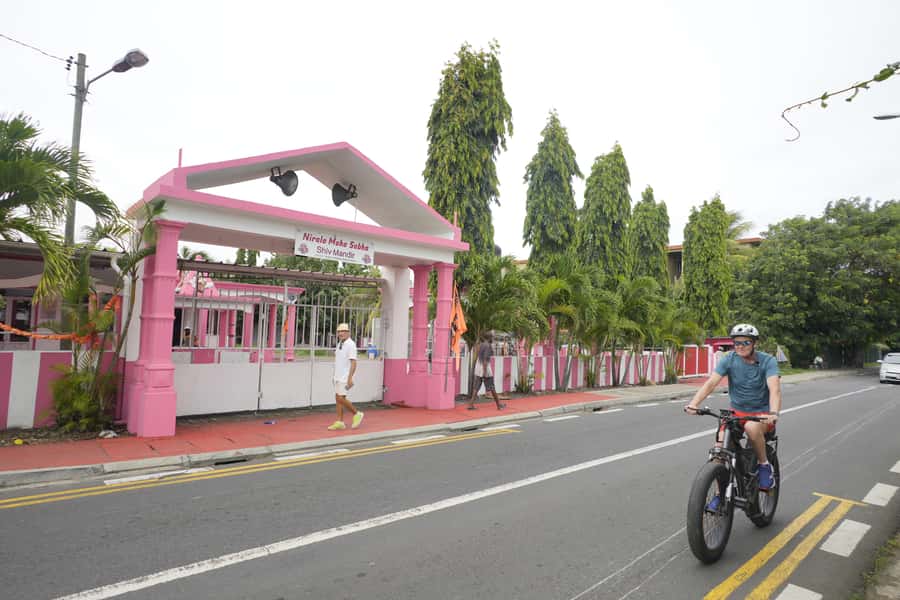
The tour includes a visit to a small traditional Hindu village and a Tamil temple. It’s also scheduled alongside a church of the village stop and time in a traditional Creole village.
Why this matters: temples and village life are not separate from daily coastline living on Mauritius. They show how faith, community, and land/sea rhythms connect. With the guide translating what you’re seeing, you don’t just pass by buildings—you understand their role.
A practical tip: bring a respectful mindset. Dress codes aren’t spelled out beyond loose clothing rules, but the general expectation at religious sites is simple—be mindful, keep your movements gentle, and follow the guide.
Hidden beaches and the “no tourist crowd” feeling
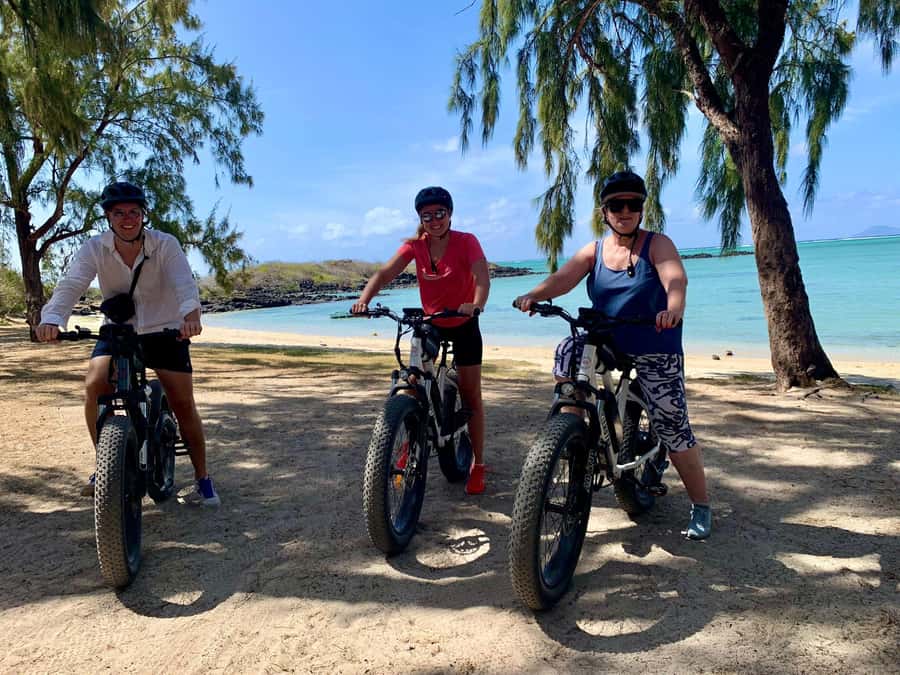
A key promise here is quiet coastline time. The tour mentions hidden beach areas and peaceful, quiet beach areas described as non-touristic. You’ll likely get short walks and scenic viewing, and the group pacing helps keep it calm.
This is the part that makes people smile in the aftermath. You’re not just seeing beaches—you’re seeing beaches from a local angle: where they fit into the day-to-day life, not just where they photograph well.
One caution: the tour is not designed for beach lounging with zero walking. Wear shoes you can handle on uneven ground and keep your water bottle close.
Mangrove preservation site: oyster farm, sea turtles, and wildlife lessons
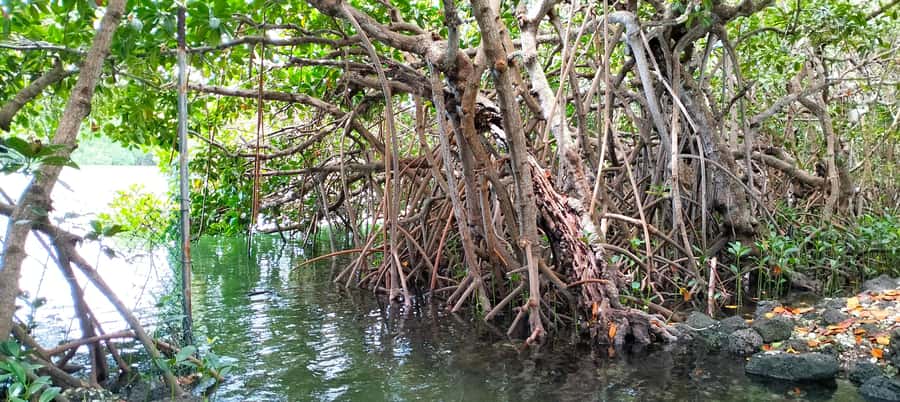
Later in the day, you’ll shift from villages and markets into conservation and nature. The tour includes mangrove sites with scenic views + wildlife, a traditional oyster farm set in a mangrove preservation site, and a sea turtles sanctuary.
This is more than a nature break. Mangroves protect coastlines, and they’re part of the island’s living system. The oyster farm component gives you a practical, human-side explanation of how coastal communities work with marine environments instead of fighting them.
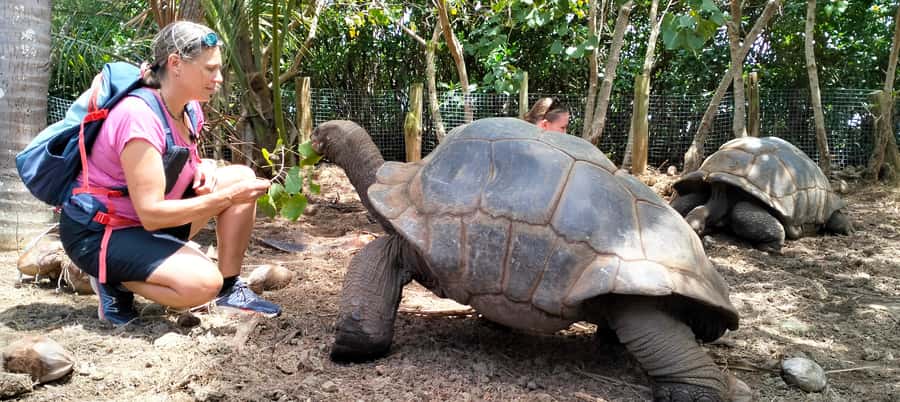
The best-known wildlife moment is the tortoises. You’ll see two of the oldest living Aldabra tortoises in Mauritius, described as past 100 years old. That age number lands differently when you’re standing near the animals and listening to the story through the guide’s lens.
If you’re the type who likes animals but also wants meaning, this is the section for you.
Lunch: authentic Mauritian cuisine, plus a vegetarian plan
Lunch is included, and you can choose vegetarian or non-vegetarian. Reviews and the tour description both emphasize that lunch is eaten in an authentic setting, not a tourist buffet.
If you go vegetarian, you’ll still get a real meal: think fresh local vegetables paired with rice and local sauces, not a sad afterthought. And if you’re a “snack + taste” person, you’ll probably enjoy the extra local food stops built into the day.
The value of this included lunch is simple: it saves you time and stress. On a day that’s already moving, having food handled for you keeps the ride fun instead of turning it into logistics.
The e-bike kit and why the tour feels well-managed
The e-bikes are described as Powerful Raptor Fat E-bikes with 55W motor assistance and fat tires for comfort. That mix is what makes this tour feel like the right balance: enough work to feel active, enough assist to keep it enjoyable.
You’ll also get structured group management. Multiple people in the feedback describe clear instructions, patience from the guide, and a setup where headsets help everyone stay in sync. In a small group, this matters. When you’re moving through villages and turning onto local roads, losing the route can become frustrating fast. Here, the guidance is part of the value.
If you’re worried about safety, you’ll still have a safety briefing at the start. Some people find it intense, but it’s there for a reason: you’re riding on real roads and paths with real village traffic. Treat it as a prep session, not a performance.
Price: is $94 worth it for 5 hours and all the stops?
At $94 per person for a 5-hour guided ride with lunch included, this is a fair price if you want more than “just biking.”
Here’s why the value makes sense:
- You’re paying for the e-bike experience (the bike itself is not free time on your own).
- You’re paying for an organized route with frequent stops, including culture and nature moments that would be hard to piece together on your own in the same timeframe.
- Lunch is included, with a vegetarian option.
Is it cheap? No. But it’s not trying to be. You’re effectively buying a guided day that combines transport, instruction, food, and access to small non-touristic areas. If you’re staying near tourist zones and you want the northeast coast’s quieter side without a car, it’s one of the easiest ways to get that.
Who should book this tour (and who should skip it)
This tour suits you if:
- You want non-touristy Mauritius with temples, fishing life, and quiet beaches.
- You’re okay with a guided route that includes walking during stops.
- You like animals and want conservation-focused nature moments, not just scenery.
Skip it if:
- You want a beach-only day with minimal movement.
- You don’t meet the 155cm height minimum or you’re uncomfortable with cycling skills.
- You prefer loose, casual clothing that you don’t want to secure for biking.
Also, it’s a great “I want something active but not exhausting” choice. With the e-bike assist, it often lands well even when someone in your group is less confident on a regular bicycle.
Should you book Storm E-bikes Tours?
I think this is a strong pick when your goal is honest, day-to-day Mauritius: fishing stations, temples, village visits, hidden coastline, and mangrove wildlife, all guided with small-group control. The inclusion of lunch, plus the fact that the ride is long enough to feel like a real day out but guided enough to feel safe, is the winning mix.
If you’re chasing postcard crowds and hotel-lobby convenience, you’ll probably feel out of place. But if you want a calm, thoughtful coast day where the guide helps you see what you’re passing, book it.
FAQ
FAQ
How long is the e-bike tour and how far do you ride?
The tour lasts about 5 hours and covers a 32km coast bicycle ride with multiple stops along the way.
Do I need to know how to ride a bicycle or have good cycling skills?
Good cycling skills are required. The tour starts with instructions and you should be ready to ride confidently, since you’ll also get on and off the bike during stops.
Where is the meeting point, and can pickup be arranged?
You meet at Storm E-bikes Tours. Hotel pick up and drop off can be arranged for a minimum fee if you contact the provider for details.
What should I bring and wear?
Wear sports shoes (mandatory) and bring your own water bottle. Loose clothing isn’t allowed.
What wildlife and nature stops are included?
The tour includes mangrove preservation sites with wildlife, a traditional oyster farm inside a mangrove area, a sea turtles sanctuary, and visits to two of the oldest living Aldabra tortoises in Mauritius.
Is lunch included, and is there a vegetarian option?
Yes, lunch is included, and there is a vegetarian option available every day (along with a non-vegetarian option).
What happens if there is heavy rain?
The activity will be rescheduled or refunded in case of heavy rain.