REVIEW · BERLIN
Berlin Wall History Small Group Cycling Tour
Book on GetYourGuide →Operated by BBT-Sightseeing & More · Bookable on GetYourGuide
Berlin Wall facts come fast in a bike route that traces the Mauerweg through real borderland streets. You don’t just look at plaques; you ride the lines people tried to cross, and you hear the human stories tied to those places.
I really like two things about this tour: the Bornholmer Straße crossing into Mauerpark, and the way the stops link memorial sites with major landmarks like the Brandenburg Gate and Potsdamer Platz. It helps you understand how the wall shaped daily city life, not just politics in textbooks.
One thing to consider: it’s outdoors in all weathers, so you’ll be cycling for the full 4 hours. The rain poncho is provided, but if you hate cold, damp days, plan accordingly.
In This Review
- Key highlights worth your attention
- Why the Berlin Wall Still Shapes the City
- Before You Pedal: Meeting Point, Bikes, and What to Bring
- Bornholmer Straße and the 9 November 1989 Moment
- Mauerpark: Crossing the Border Line and Seeing the Traces
- Chapel of Reconciliation and the Bernauer Straße Border Memorials
- Invaliden Cemetery and the Memorial for Gunter Litfin
- Government Bank to the Parliament of Trees: Politics, Space, and a New Berlin
- Brandenburg Gate, Potsdamer Platz, and the Cold War Afterimage
- Checkpoint Charlie and Tränenpalast on Friedrichstraße
- Price and Value for a 4-Hour Wall Ride
- Should You Book This Berlin Wall Cycling Tour?
- FAQ
- How long is the Berlin Wall history small group cycling tour?
- What’s the group size?
- Where do I meet the guide?
- Is food included?
- What should I bring?
- Does the tour run in rainy weather?
Key highlights worth your attention
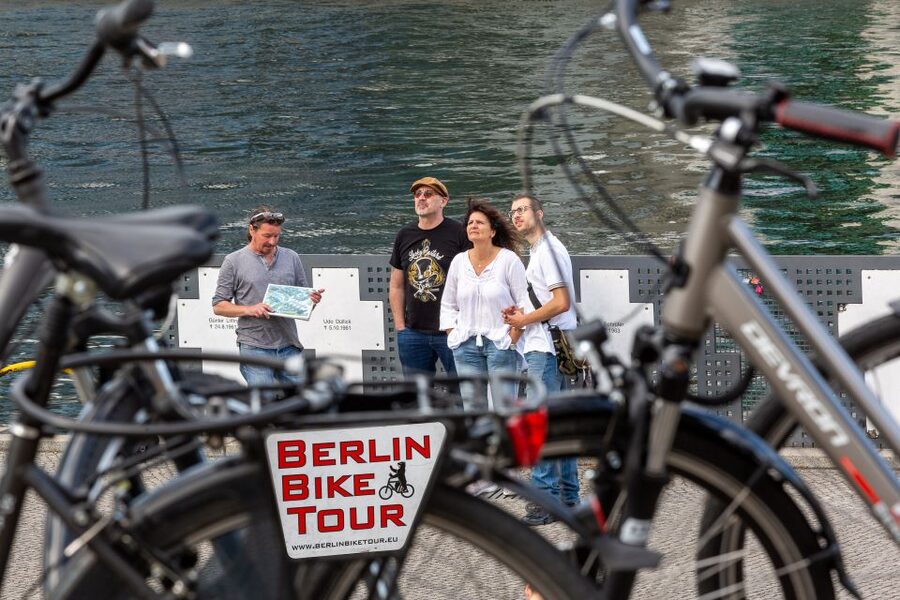
- Bornholmer Straße to Mauerpark: You follow the border crossing area where 1989 freedom seekers surged through.
- Watchtowers and the Death Strip area: You’ll see the last remnants and hear what made the space so deadly.
- Wall memorials at Bernauer Straße and Chausseestraße: Built to mark specific border crossings and choices.
- Invaliden Cemetery + Gunter Litfin memorial: A somber stop where the wall’s consequences stay personal.
- Parliament of Trees route: You ride past government-area architecture and public space symbolism.
- Checkpoint Charlie + Tränenpalast: Cold War flashpoints paired with a tragic name that still lands.
Why the Berlin Wall Still Shapes the City
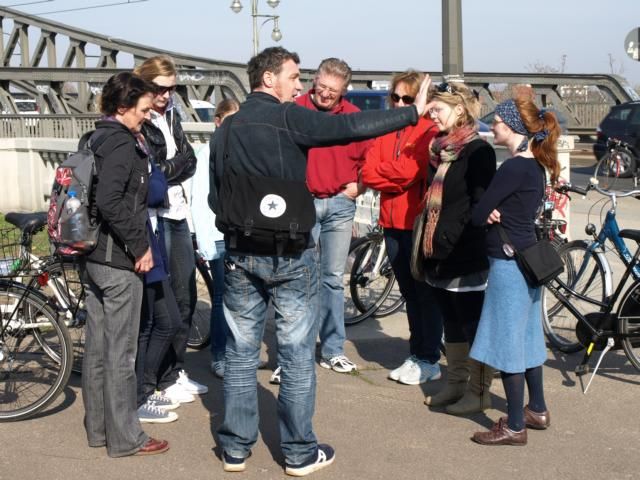
Berlin’s wall story isn’t frozen in a single monument. It’s written into street layouts, crossings, sight lines, and even where people now walk their dogs. That’s why a cycling route works so well here: you cover ground fast, and you see how the border carved the city into halves.
The “wall” itself is mostly gone today. But the route—the old border corridor and the land around it—still shows up in fragments. That’s what you’re riding: traces of watchtowers, border infrastructure, memorials, and the streets that connect them.
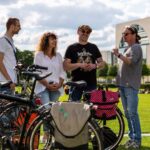
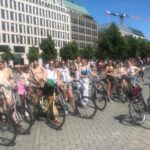
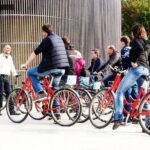
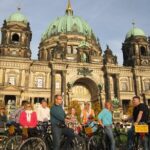
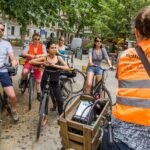
This tour’s format matters. Small groups (minimum 3, maximum 8) mean you can ask questions and you’re less likely to get lost in the shuffle. It’s also a smart pace for a history topic that can feel heavy if you only see it from one bench at a time.
You can also read our reviews of more tours and experiences in Berlin.
Before You Pedal: Meeting Point, Bikes, and What to Bring
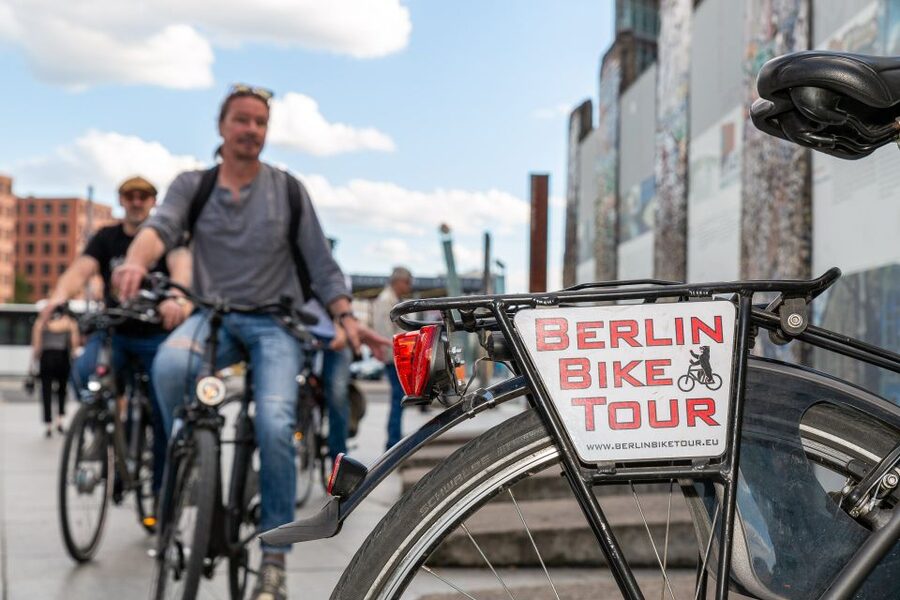
You meet at 75 Bornholmer Straße in Berlin (10439). It’s right in the border-area neighborhood, and getting there by public transport is straightforward because several tram and S-Bahn lines cluster nearby.
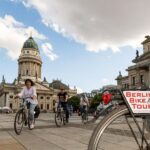
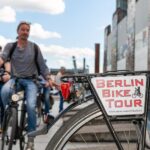
Bikes are included, and so are the fees and a live guide. On rainy days, you’ll get a rain poncho. That’s not a small detail. Berlin can change its mind about weather quickly, and you’ll be on the move for about four hours.
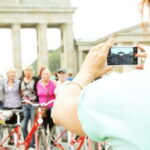
Pack light. The tour doesn’t allow luggage or large bags, so bring only what you can comfortably carry (camera, water, and your ID). The tour asks you to bring a passport or ID card, sunglasses, a sun hat, and a camera. If you like photos, bring something you can handle one-handed while riding breaks.
Bornholmer Straße and the 9 November 1989 Moment
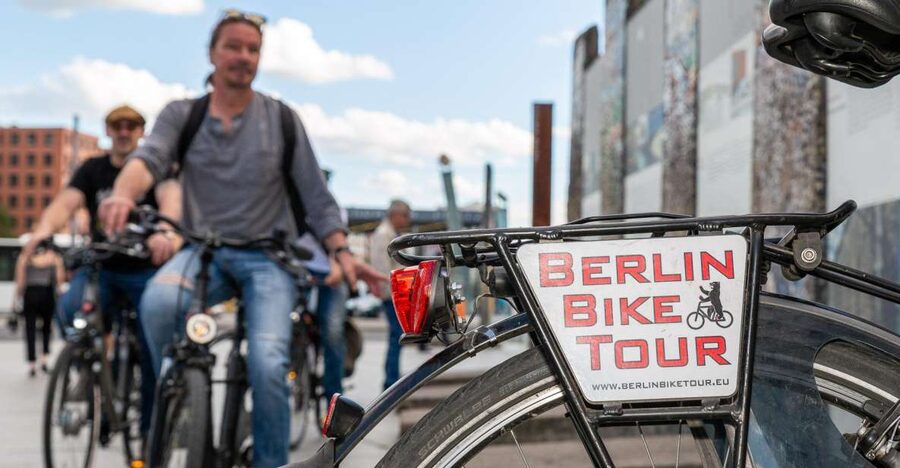
You start where the story “ended” for many people: the Square of the 9th November 1989. This is the kind of starting point that tells you the tour won’t stay abstract. You begin with the moment people crossed, not with a distant explanation of why they wanted to.
From there, the route focuses on the border reality right around Bornholmer Straße. You’ll see details connected to the first East German citizens crossing—then you move toward Mauerpark, where the border line is now part of everyday life.
One small, memorable detail: you’ll be guided by rabbits pictured on the ground as you ride toward key sights. It’s the kind of quirky touch that keeps the tour human. Even on a dark topic, your brain needs anchors that aren’t only bleak.
Mauerpark: Crossing the Border Line and Seeing the Traces
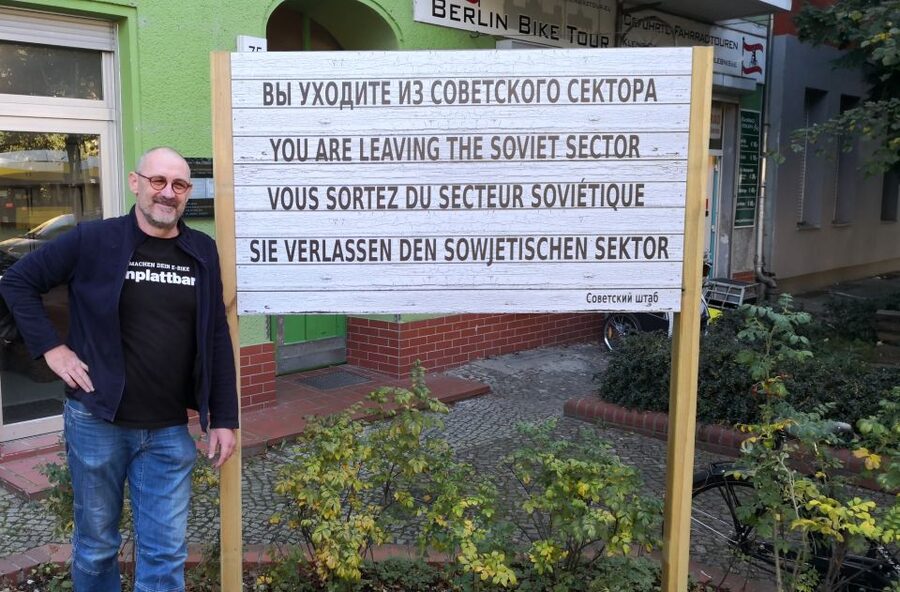
Mauerpark is one of those Berlin places that feels like a living city park—music, walks, casual energy. That makes it especially powerful to connect it to the former border line. You’re moving from a “now” that looks normal into a past where the normal was dangerous.
This is also where the tour brings in the cherry trees idea from Bornholmer Straße. You’ll learn why they ended up there, which helps explain how the city rewrites itself after trauma. It’s not pretending the past vanished; it’s showing how new life takes over the same space.
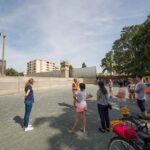
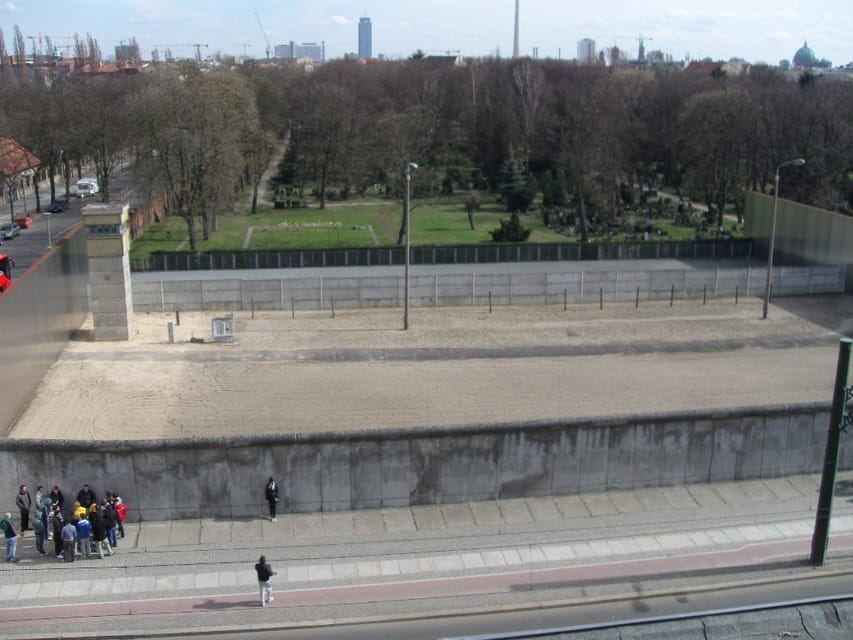
You’ll also encounter an original watchtower and a death-strip-related area concept. Even when only parts remain, you’ll get why the border zone mattered so much: sight lines, movement control, and the way the built environment turned escape into a high-stakes decision.
Chapel of Reconciliation and the Bernauer Straße Border Memorials
As the tour continues, you’ll hit a set of sites designed for remembrance and learning. The Chapel of Reconciliation is one of those stops that shifts the mood from street-level history to reflective space.
Then you move into the Wall memorial areas at Bernauer Straße and the Chausseestraße border crossing. Memorial sites in Berlin aren’t generic. They’re tied to specific crossing points, and that specificity is what makes them hit harder. You’ll get a clear sense of how border controls worked and why certain places became focal points.
If you’re wondering what value memorials add to a bike tour, here it is: you can connect what you’re seeing on the ground to the wider city map you’re building in your head. Without the stops, the route would be just “a ride along important streets.” With them, it becomes a story you can follow.
Invaliden Cemetery and the Memorial for Gunter Litfin
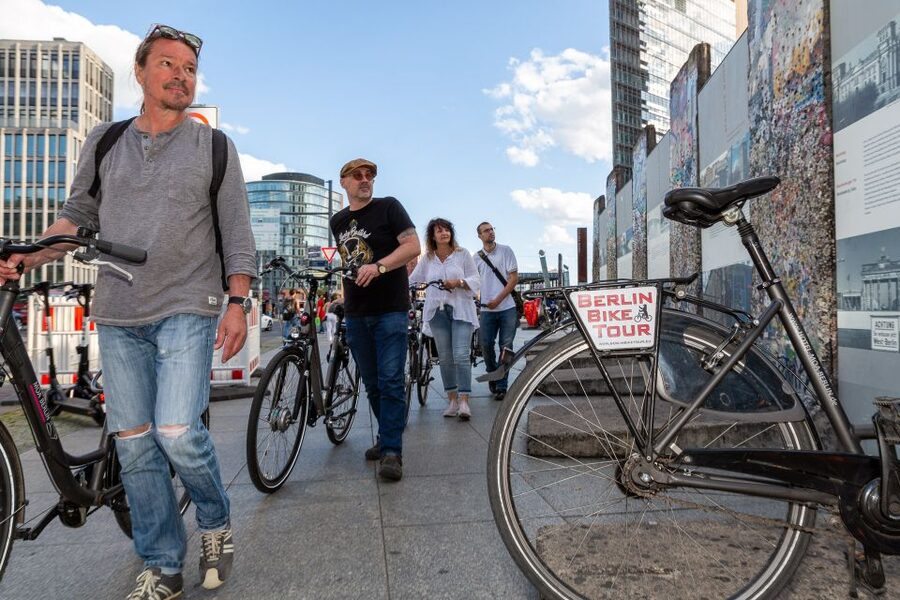
Some parts of Berlin make you lower your voice. Invaliden Cemetery is one of them. You’ll ride in, get oriented, and then the guide brings the wall’s consequences into focus through the people it affected.
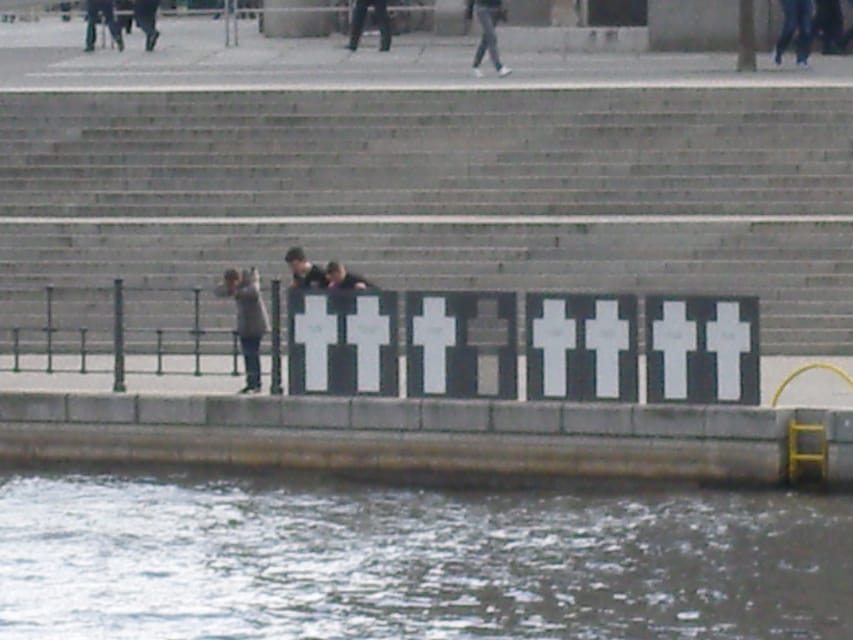
A standout moment is the stop at the memorial for Gunter Litfin. The tour includes tragic and fateful stories, and this is the kind of site where those stories stop being theory. You’re not just learning that borders were deadly; you’re standing at the place that remembers a specific person.
There’s a practical reason this stop works well on a cycling tour. You’ve already been outside and moving. When you reach the cemetery, you get a natural reset: slower attention, more time to absorb, and a clear contrast from the “big city” sights later on.
Government Bank to the Parliament of Trees: Politics, Space, and a New Berlin
After the cemetery, the tour shifts toward a more public, civic Berlin vibe. You ride along the Government Bank area and toward the Parliament of Trees.
This section isn’t about border fences. It’s about what governments and cities choose to build once the wall is gone—how public space communicates power and values. The Parliament of Trees area gives you something that can be easy to miss if you’re only doing stand-alone sightseeing: it connects the post-reunification city to the decisions that followed separation.
If you like photos, this is a good stretch for shots of architecture and city planning lines. Even without a perfect skyline moment, you’ll get framing that matches what you learned earlier: borders were literal, but they also controlled how people moved and where institutions stood.
Brandenburg Gate, Potsdamer Platz, and the Cold War Afterimage
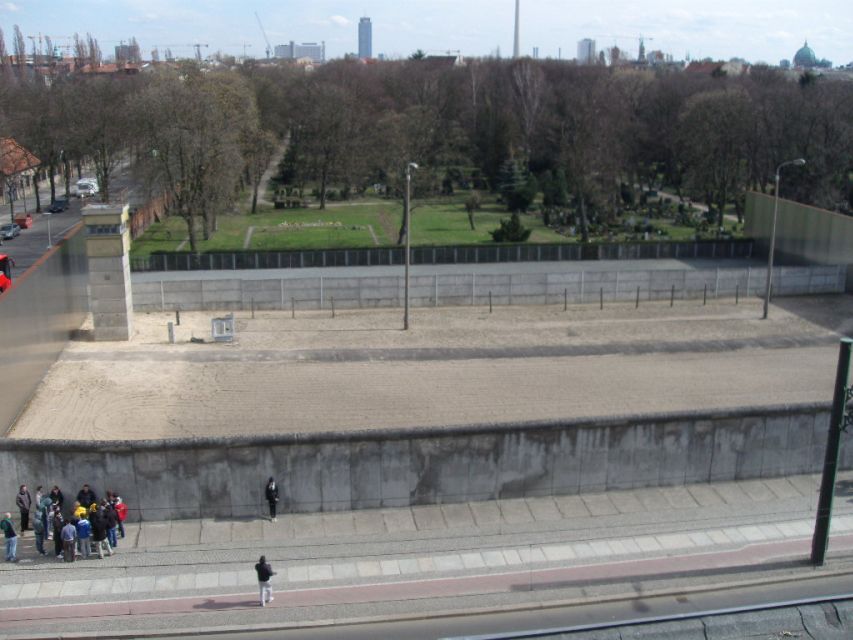
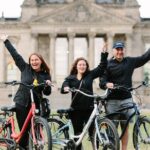
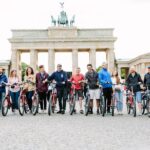
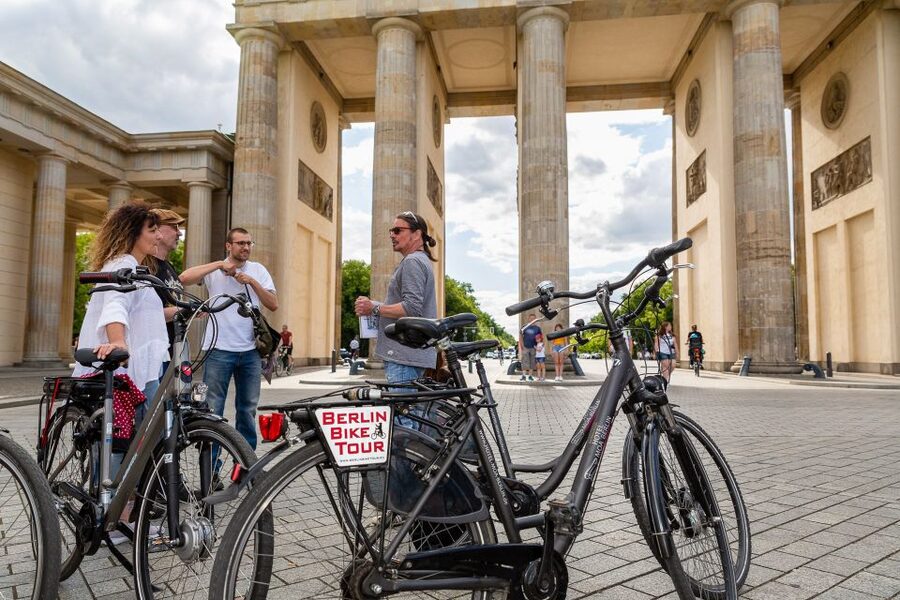
Then the tour rolls into some of the most recognizable Berlin scenes: the Brandenburg Gate and Potsdamer Platz. On paper, those are “famous tourist stops.” On this tour, they feel different because you’re connecting the glamour to the walls and checkpoints that once controlled access.
Brandenburg Gate works especially well as a landmark anchor. You can point to it, orient yourself, and mentally link it back to the border corridor you’ve been tracing. Potsdamer Platz, too, carries layers: it’s now a busy crossroads, but the story of separation and reunification is still part of the geography.
The guide’s pacing keeps this section from becoming a simple photo stop. You’ll get context while you ride, so the famous buildings don’t swallow the history. You also get the benefit of seeing how these districts connect by bike rather than just from one bus window.
Checkpoint Charlie and Tränenpalast on Friedrichstraße
Next comes a classic Cold War name: Checkpoint Charlie. Even if you think you know the place, the bike format changes your understanding because you’re moving through the surrounding border-era streets, not just parking at one spot for snapshots.
Checkpoint Charlie is also a useful turning point. After memorial-heavy parts of the day, you get a sense of the border as an organized system—who controlled it, why it became a symbol, and how the world watched.
Then you head to Tränenpalast—the Tränenpalast on Friedrichstraße. The name carries weight, and the tour’s framing helps you feel why. It’s not just a stop in a walking itinerary; it’s a spot where the emotions of separation are built into the story.
This is one of those stretches where the tour’s timing and route logic matter. You’re cycling past major sights nearby, including the Friedrichstadt Palace area, Museum Island, the New Synagogue, and the Old Berlin Post Office. Those aren’t explained as random attractions; they become part of the city you’re learning to read.
Price and Value for a 4-Hour Wall Ride
At $40 per person for about 4 hours, the value is in what’s included and what’s avoided. You get the bike, the guide, and fees. That matters because Berlin can be expensive for solo transport and separate museum entries if you’re trying to piece together the same route yourself.
What you don’t get is food and drink, so plan a snack or be ready to eat after. The tour also expects you to bike without lugging extra bags, so bring a practical kit.
Is it “cheap”? Not in the sense of a free walking tour. But compared to the time cost of trying to assemble this border route on your own—plus the challenge of finding the right trace points—it prices as fair. For many people, the biggest payoff is the guide’s ability to tie together tiny remnants, memorial locations, and major landmarks into one connected narrative.
Language is German, so if you’re not comfortable, consider whether you’ll follow well enough. The small group size can help you catch what you might miss, especially when you ask questions.
Should You Book This Berlin Wall Cycling Tour?
If you want Berlin history that moves—literally—book it. This is a strong choice when you like learning by doing: riding along the old border corridor, stopping at memorials, and connecting that geography to the city’s famous landmarks.
I’d especially recommend it if you’re:
- short on time but serious about understanding the Berlin Wall story
- comfortable biking in city traffic-paced environments
- interested in a guide-led narrative rather than only plaques and maps
Skip it (or think twice) if you hate cycling for four hours or you’re very sensitive to weather. Even with ponchos, you’ll still be outdoors the whole time.
If you want the Wall to make sense as a route—not just a set of buildings—this one is a smart match.
FAQ
How long is the Berlin Wall history small group cycling tour?
It lasts 4 hours.
What’s the group size?
It runs in a small group with a minimum of 3 people and a maximum of 8 participants.
Where do I meet the guide?
Meet at 75 Bornholmer Straße, Berlin 10439.
Is food included?
No. Food and drink are not included.
What should I bring?
Bring your passport or ID card, sunglasses, a sun hat, and a camera.
Does the tour run in rainy weather?
Yes, it takes place in all weathers. You’ll be given a rain poncho if needed.