REVIEW · BARCELONA
Barcelona Street Art and Graffitti Bicycle Tour
Book on Viator →Operated by Barcelona Street Style Tour · Bookable on Viator
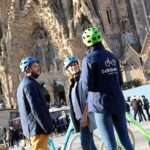
Graffiti looks better at pedal speed. This Barcelona Street Art and Graffiti Bike Tour takes you off the usual postcard loop into post-industrial Poble Nou, where the walls actually tell you what’s going on. I like the way the ride helps you cover more ground fast, and I like how the guide turns what you see into something you understand—especially when you get a guide like Mike, who can explain the street art world with energy.
There’s one thing to keep in mind: guide quality can vary. One review flagged a guide who felt less communicative and more rote, so if you want lots of back-and-forth, go in ready to ask questions and keep an eye on the tone of your group.
In This Review
- Key Highlights That Matter on the Ground
- Why This Tour Works: Street Art You See Up Close
- Price and Time: Is $41.13 a Good Deal?
- Route Walkthrough: Beach Views, Then Poble Nou Walls
- Start in Ciutat Vella
- Ride along the beach to set the mood
- Cut into Poblenou for the post-industrial feel
- Back to the meeting point
- What You Learn: More Than Pretty Walls
- The Bike Comfort Factor: Helmet On, Legs Ready
- Small Group Size: Easier to Hear, Easier to Ask
- The Guide Experience: When Mike Makes It Click
- Best For Who: Choose This If You Want Art With Context
- Practical Tips So You Get the Most Out of Poble Nou
- Should You Book This Street Art Bike Tour?
- FAQ
- How long is the Barcelona Street Art and Graffiti Bicycle Tour?
- Where does the tour start and end?
- How much does the tour cost?
- What’s included in the price?
- Are food or drinks included?
- What size groups should I expect?
- Is there a cancellation window?
Key Highlights That Matter on the Ground
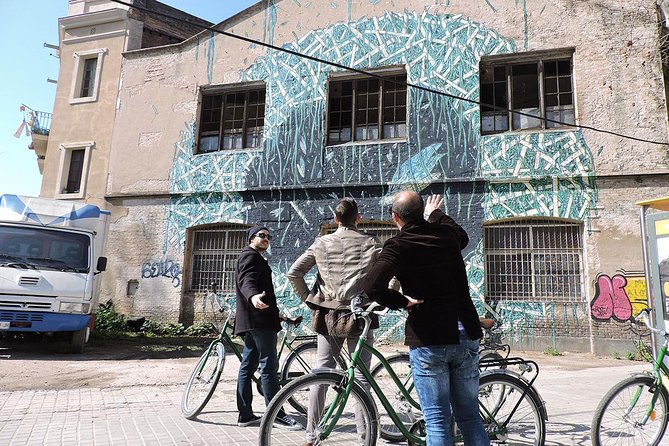
- Poble Nou, not the tourist grind: you’ll ride into a different side of Barcelona where street art feels part of the neighborhood
- Fast bike time, real photo stops: you’re not stuck hunting for parking or walking long distances
- A local guide who connects art to context: expect history, terminology, and how artists and scenes change
- Small-group feel: capped at 15 (and some groups report even smaller numbers)
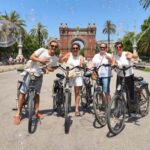
- Comfortable ride setup: helmet included, and at least one rider notes a 3-speed non-e-bike worked fine for non-cyclists
Why This Tour Works: Street Art You See Up Close
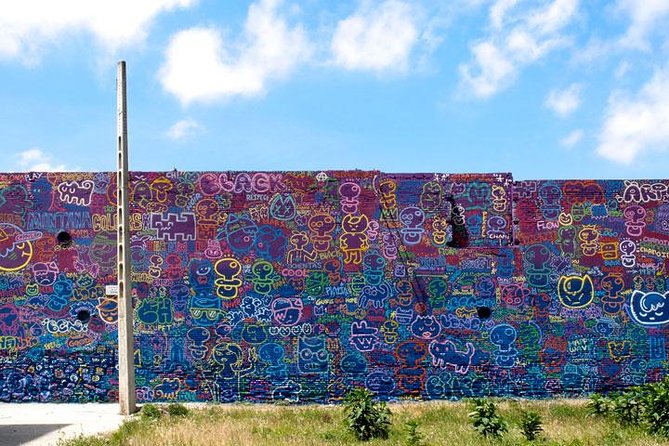
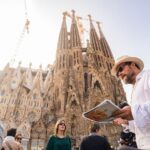
Barcelona has famous architecture. But graffiti and street art are a different kind of truth. This tour is built for seeing that truth with your own eyes, not just skimming photos on your phone.
The biggest value here is the route choice. You start in Ciutat Vella, then you ride out along the beach area and into Poble Nou. That means your eyes get a shift of gear: city-center streets out, shoreline in, then an industrial-feeling neighborhood where the walls get louder. The ride itself keeps your attention. When you’re moving, you notice how art changes block by block—styles, tags, and themes that reflect who’s living and working there.
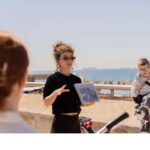
I also like that the tour doesn’t treat graffiti like a random scavenger hunt. With the right guide, you get the backstory: how the street art scene works, how artists develop over time, and why certain pieces show up when they do. In multiple accounts, guides like Mike came across as enthusiastic and patient—one even mentioned he handled an inquisitive kid with real calm. That matters, because the best street art conversations happen when you can ask what things mean.
You can also read our reviews of more tours and experiences in Barcelona.
Price and Time: Is $41.13 a Good Deal?
At $41.13 per person for about 2 to 3 hours, this is priced like an experience rather than a quick activity. You’re not paying only for the art photos—you’re paying for transportation plus a guide who helps you interpret what you’re looking at.
Here’s how the math tends to feel on the ground:
- Bike + helmet + guide are included, so you’re not piecing together costs
- The tour is capped at 15 people, which usually means you can hear your guide and still move as a group
- The ride structure helps you cover distance without spending your day stuck in slow walking, route planning, or bike-parking puzzles
The duration is also realistic. Two to three hours is long enough to get out of the center and into a neighborhood, but not so long that you feel cooked by the end.
If you’re the type who enjoys learning as you go, this can be a strong value. If you mainly want a self-guided street art walk, you may feel the structure is more than you need. Still, the bike component is what makes this tour efficient.
Route Walkthrough: Beach Views, Then Poble Nou Walls
The tour is essentially a guided bicycle journey that starts and ends at the same place, with the street art focus in between.
Start in Ciutat Vella
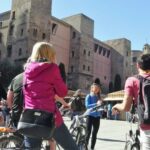
You meet at Carrer dels Escudellers, 48, in Ciutat Vella. This is a practical meeting spot if you’re already exploring central Barcelona. The tour also notes it’s near public transportation, which is helpful on a day when you don’t want to wrestle with timing and taxis.
From there, you roll out of the center and set your pace. You’re not just hopping on a bike and flying—there’s a sense of getting oriented before you reach the art-heavy zone.
Ride along the beach to set the mood
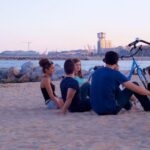
Next comes the shoreline segment. Multiple riders highlight the walk-free, pedal-fast feeling of moving along the beach route. It’s a good warm-up both physically and mentally. You get visual variety right away: sea-air vibes, promenade views, and a break from the dense city grid.
This segment matters because it makes the tour feel like an actual outing, not only a stop-and-go street art shuffle.


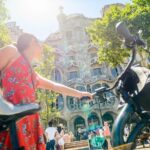
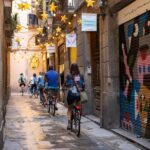
Cut into Poblenou for the post-industrial feel
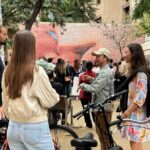
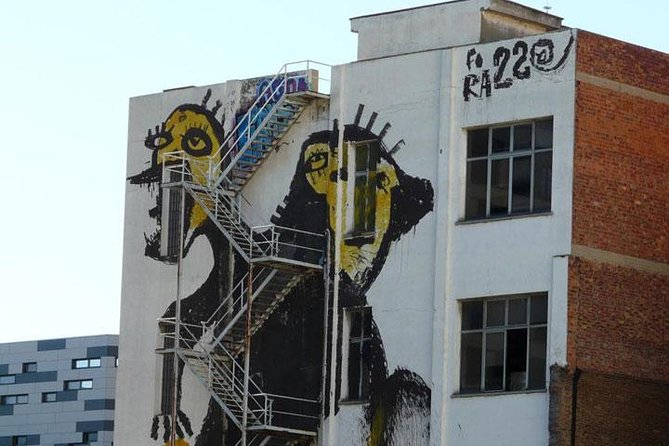
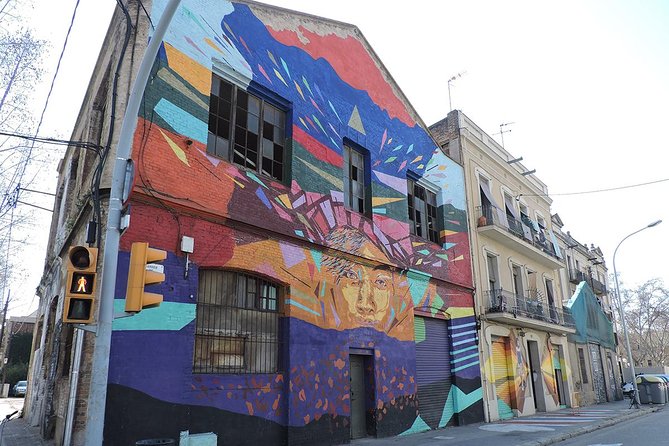
Then you reach Poble Nou, where the street art and graffiti are the point. Poble Nou is known for its more industrial character, and that tone makes a difference. Street art often feels most meaningful where the neighborhood itself feels like it has stories to tell.
This is also where you’ll slow down at photo moments. The bike helps you keep momentum between stops, but you’re still given time to look, frame shots, and absorb details without worrying about parking.
Back to the meeting point
The tour ends back at the meeting point, which keeps your logistics simple. You don’t have to plan a separate finish or navigate back on your own right after you’ve spent hours spotting art.
What You Learn: More Than Pretty Walls
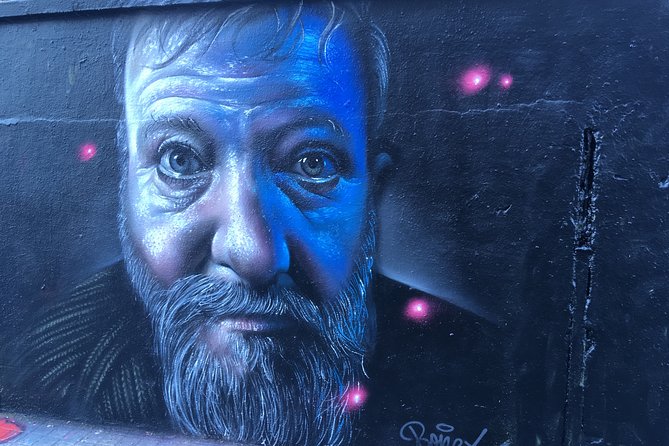
Street art can feel like a free-for-all until someone gives it structure. That’s where the best guides turn the tour from photos into understanding.
From the accounts you provided, expect your guide to cover things like:
- History of graffiti and street art and how the scene evolved
- Terminology so tags and styles start making sense
- How an artist progresses over time, not just how a single piece looks today
- Connections to current politics and local stories (at least when the guide leans into this)
The strongest praise centers on context. People mention learning about the street art scene and seeing more than they could have found on their own. One rider specifically mentioned learning about stories and politics, which tells me the guide approach can be more than surface-level description.
At the same time, you should know that one review didn’t rate a guide well. That comment described an uncommunicative style and information delivered by rote. So while most accounts are glowing, the content experience depends on the day and the guide handling your group.
My practical take: if you care about explanations, arrive ready to engage. Ask what a style means, or why a certain piece might be showing up now. If the guide is responsive, you’ll get a lot more out of the time.
The Bike Comfort Factor: Helmet On, Legs Ready
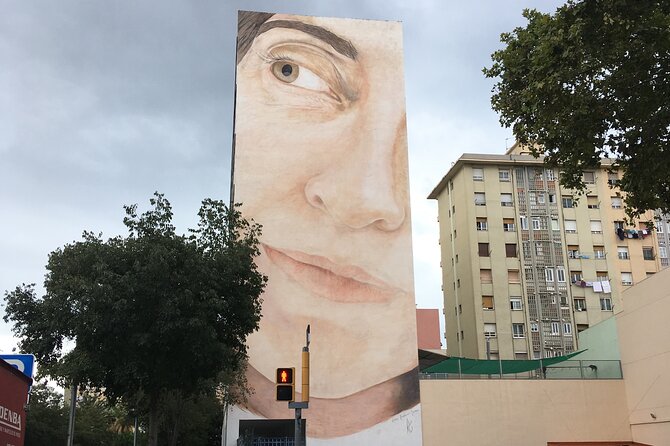
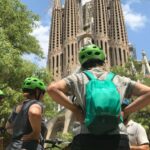
This tour includes a bicycle and a helmet. That’s a clear baseline for comfort and safety.
One review mentioned a 3-speed non-e-bike, and the rider said they didn’t need e-bike help. That’s encouraging if you’re not a cyclist by habit. Three speeds usually means you can manage hills or changing surfaces without feeling trapped in one gear.
You should still treat it as an active experience. Two to three hours cycling is easier if you’ve got decent legs, and it’s tougher if you’re expecting to do mostly sitting and viewing.
Also, you may pass through busier traffic at times. One review specifically noted some busy traffic during parts of the route but said they still felt safe. So yes, expect real roads, but not in a reckless, you’re-on-your-own way.
If you’re planning footwear and posture, keep it simple: wear comfortable shoes and clothing you can move in. And if it’s a sunny day, plan for sun exposure during the beach segment.
Small Group Size: Easier to Hear, Easier to Ask
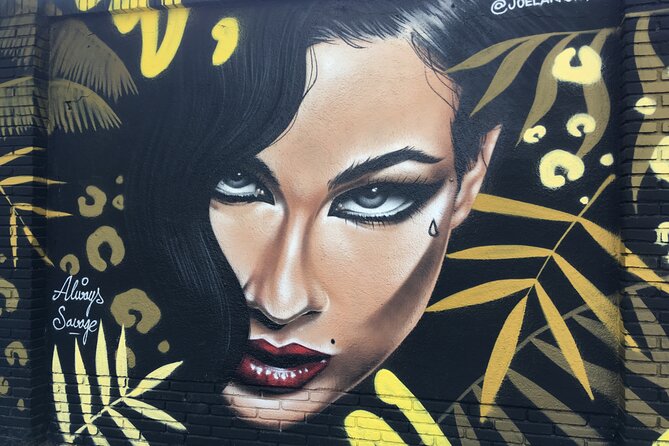
The tour caps at 15 travelers, which is the sweet spot for a guided ride like this. You can typically stay close enough to follow instructions and still ask questions without feeling like you’re shouting through a crowd.
Some accounts point to smaller actual groups—one mentioned a group of five. That kind of size usually helps a guide tailor the pace and explanations.
This matters for street art because the best moments are often quick: you spot a detail, want context, then you move on. With a tighter group, you don’t lose the guide every time you stop for a photo.
The Guide Experience: When Mike Makes It Click
The name Mike comes up a lot in the reviews you shared, which suggests he’s either a common guide for this route or a standout favorite.
What people liked about Mike wasn’t only that he had facts. It was how he delivered them:
- Enthusiasm that keeps the ride from feeling like homework
- A personable, patient tone—especially with a curious kid
- Explanations that connect history and terminology to what you’re actually seeing
- A sense of pacing that keeps stops from dragging
One review also mentioned humor and a guide who stayed passionate. That’s a good sign, because street art tours can feel tense if the guide is strict or hurried. You want someone who can balance movement with interpretation.
So here’s my practical suggestion: if your guide isn’t giving much direction early on, say something. Ask a question about what you’re looking at. If you get good answers, you’re in the sweet spot. If the guide feels flat, at least you’ll know quickly rather than waiting through the whole ride.
Best For Who: Choose This If You Want Art With Context
This tour fits best if you:
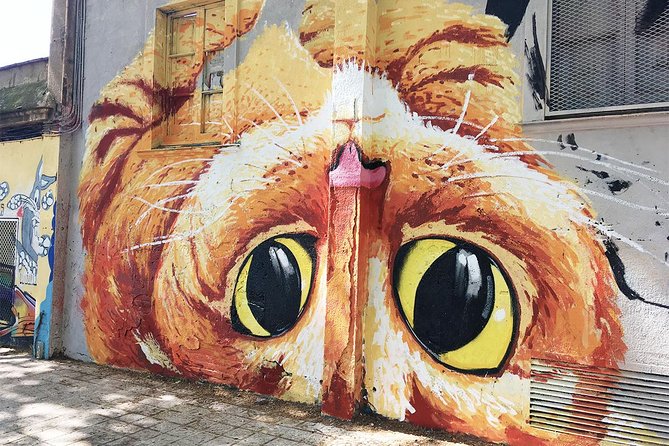
- Want to see street art in a real neighborhood, not just a few murals on a walking route
- Prefer moving by bike so you can cover distance without burning time
- Like learning what you’re seeing—history, meanings, and scene development
- Want a guided experience with photo stops that don’t require parking stress
It may be less ideal if you’re expecting a mostly passive ride with minimal discussion. Also, if you only want the art images and don’t care about street art context, you might find other self-guided options tempting.
For non-experienced cyclists, it can still work. The mention of a 3-speed bike and riders who weren’t regular cyclists suggests it’s designed to be manageable.
Practical Tips So You Get the Most Out of Poble Nou
You’ll get more out of the tour if you treat it like a guided field trip.
- Bring a camera or phone you actually like using. The stops are for snapping photos, and you’ll want battery and storage ready.
- Plan for sun. The route includes a shoreline segment, and that usually means more open light than you get in the city streets.
- Wear comfortable shoes. You might be on and off the bike at stops.
- If you’re sensitive to pace changes, tell your guide you prefer a slower look at details.
And a small attitude tip: graffiti appreciates curiosity. If you slow down just a bit at the walls, you’ll notice more.
Should You Book This Street Art Bike Tour?
If you’re trying to see Barcelona beyond the most obvious sights, I’d book this. The value is strong for what you get: bike access, a helmet, a local guide, and a route that takes you into Poble Nou instead of keeping you in the center.
You should book if you want:
- a neighborhood perspective on street art
- context you can carry with you after the photos
- an efficient 2–3 hour outing that doesn’t eat your whole day
I’d hesitate only if you’re extremely picky about guide delivery, because one account did note a disappointing guide style. That said, the overall rating is very high, and the most common guide impression is energetic and helpful—especially with Mike-led tours.
If your schedule fits the tour window, this is one of those Barcelona experiences where the bike isn’t just transportation. It changes how you see the city.
FAQ
How long is the Barcelona Street Art and Graffiti Bicycle Tour?
It runs for about 2 to 3 hours.
Where does the tour start and end?
It starts at Carrer dels Escudellers, 48, Ciutat Vella, 08002 Barcelona and ends back at the same meeting point.
How much does the tour cost?
The price is $41.13 per person.
What’s included in the price?
Included are use of bicycle, use of helmet, and a professional local guide.
Are food or drinks included?
No. Food and drinks are not included. Alcoholic drinks are available to purchase.
What size groups should I expect?
The tour has a maximum of 15 travelers per group, and there’s a minimum of 2 people per booking.
Is there a cancellation window?
Yes. You can cancel for a full refund up to 24 hours before the experience starts.