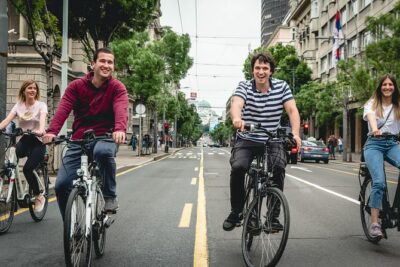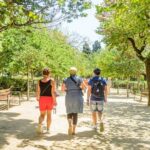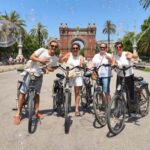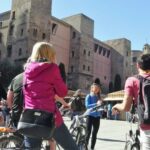
A bike tour is the fastest way to orient. I love the small-group pace and the easy, flat ride that threads through Gothic streets, parks, and the waterfront with a local guide like Álvaro or Samuel. One thing to weigh: many major landmarks, including Sagrada Família, are mostly outside viewing, so you’ll need separate tickets if you want to go in.
You start in Ciutat Vella, collect a comfortable bike, and then cover a lot of ground in about 3 hours without feeling rushed. Expect short photo breaks, time for questions, and routes designed to avoid the worst traffic—plus rain ponchos if the sky misbehaves.
In This Review
- Key things to know before you pedal
- Starting at Carrer dels Escudellers: bikes, helmets, and getting going
- The relaxed route: how this tour avoids hills and stress
- Getting value from $42.33: what’s included and what costs extra
- Stop-by-stop Barcelona: major icons plus the lived-in neighborhoods
- Stop 1: Unlimited Biking and the quick orientation
- Palau de la Música Catalana: modernist drama in the city center
- Port Vell: harbor energy, ships, and a different side of Barcelona
- Barcelona Cathedral: Gothic stone and stained-glass light
- Arc de Triomf: a world-fair gateway
- Basilica de Santa Maria del Mar: Catalan Gothic clarity
- Parc de la Ciutadella: green space with specific landmarks
- El Born: tapas streets, shops, and an off-beat vibe
- Sagrada Família: the outside view that still hits hard
- Plaça del Rei: medieval square vibes
- Plaza Monumental de Barcelona: the bullring stop
- Plaça de les Cascades and the beach cruise past
- Plaça de Sant Jaume: Barcelona’s administrative heart
- Rain, heat, and what to bring for a comfortable ride
- Family-friendly and first-day friendly: who this tour suits best
- Should you book Unlimited Biking Barcelona?
- FAQ
- How long is the Barcelona bike tour?
- How much does the tour cost?
- Is this bike tour strenuous?
- What’s included in the price?
- Are tickets to attractions included?
- Is lunch included?
- What happens if it rains?
- How large is the group?
- Where do we meet and where does it end?
- Can I cancel for a full refund?
Key things to know before you pedal
- Max 9 riders keeps the group manageable and the guide’s attention close
- Flat, no-hill cycling means beginners and families can keep up
- Bike paths + parks + beach edges for an actually pleasant ride
- Short stops for photos and stories instead of long, nonstop stretches
- Some entrances are not included so plan tickets if interior access matters
- Helmets and kid options available on request, making it easier for families
Starting at Carrer dels Escudellers: bikes, helmets, and getting going
This tour meets at Carrer dels Escudellers, 48, Ciutat Vella. It’s a handy area to start because it sits in the old-city core, close to public transportation, and the route is designed to move you out from the center without dumping you into constant stop-and-go traffic.
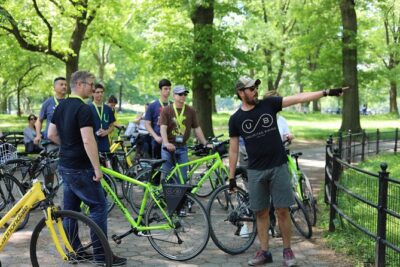
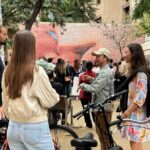
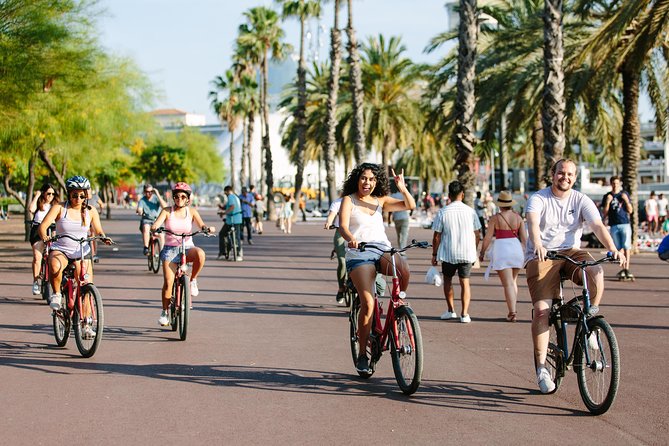
After you meet your guide and the group, you head to the bike shop to pick up your wheels. The bikes are built for comfort and control: three speeds, wide handlebars, big tires, and a super-comfortable seat—plus bells (yes, you’ll use them). Even if you’re not a cyclist, this matters. A stable bike makes the whole experience feel calmer, especially when you’re riding through older streets where the sidewalks and lanes can feel tight.
Safety support is part of the deal. The tour includes insurance, and helmets are available (and child seats can be requested for younger riders). The pace and route planning also help here: the tour follows carefully planned lines that avoid busy streets and traffic, so you’re not white-knuckling the whole way.
You can also read our reviews of more tours and experiences in Barcelona.
The relaxed route: how this tour avoids hills and stress
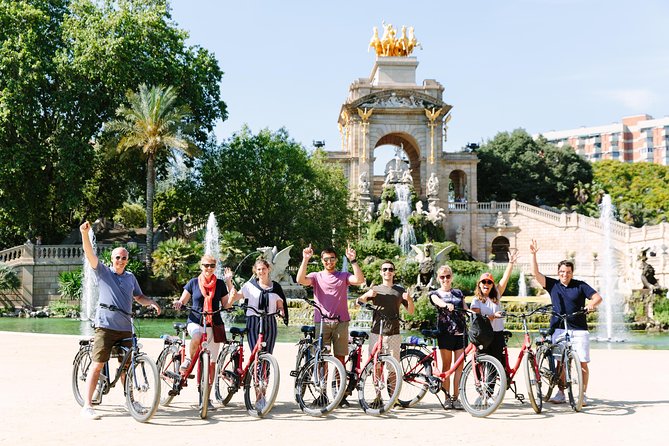
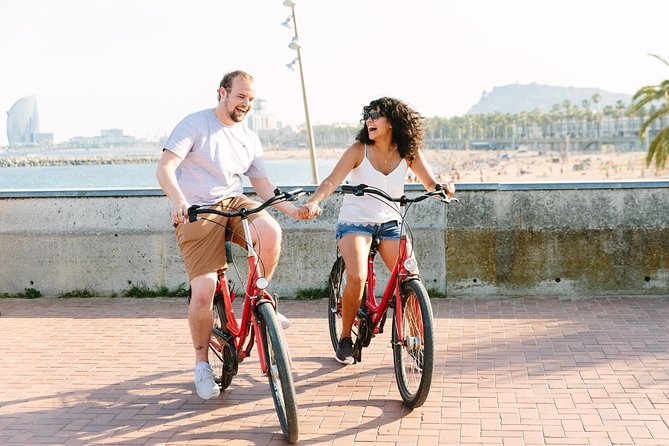
You ride at a relaxed pace with short distances between stops. There are no steep climbs to conquer, and the tour is specifically set up so most people can participate—at a level that feels more like city sightseeing on wheels than a workout.
The practical win is how often the guide stops. You get frequent moments to pull over, take photos, and ask questions. That means you’re not only looking at Barcelona from a moving viewpoint—you’re learning how to see it. And since the ride segments are short, you can handle the parts that make any city bike tour feel harder, like turns, crowded corners, or that moment when you realize you’re right next to something iconic.
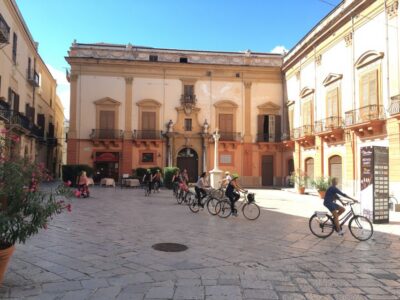
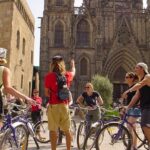
Route planning is also key. The cycling is mostly along bike paths, through parks, down Gothic alleyways, and along the beach route. That combination is what makes the tour feel like Barcelona, not just a parade of landmarks. You still get the classic hits, but you also get local streets and calmer stretches.
Group size helps too. With a maximum of 9 travelers, it’s easier for the guide to keep everyone together and keep the route smooth. If you get separated (it can happen in any busy city), the tour model is designed to reconnect riders quickly.
Getting value from $42.33: what’s included and what costs extra
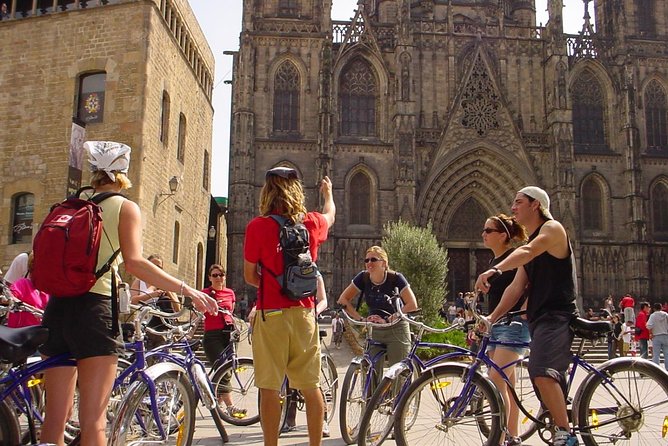
At $42.33 per person, you’re paying for three big things: a guided tour, bike rental, and insurance. For a city like Barcelona—where time matters and transit can be a puzzle—this can be strong value, especially if it’s your first day and you’re trying to get your bearings fast.
Here’s what’s included:
- Bicycle rental + guided tour
- Insurance
- Helmets and child seats on request
Here’s what isn’t included:
- Food and drinks
- Hotel pickup and drop-off
Also watch the entrance situation. Some sights on the route are marked as free at the stop level, while others are not included. That doesn’t mean you get less of the landmark—it means you’ll likely view it from outside during the ride. If interior access matters to you (and it often does for Sagrada Família), you’ll want to plan tickets separately.
Morning tours add one more practical detail: there’s a lunch stop, but it’s at your own expense. That’s not a bad deal—Barcelona food is one of the main events—but you should budget for it.
Stop-by-stop Barcelona: major icons plus the lived-in neighborhoods
This tour packs a lot into about 3 hours, with short stops that let you see the landmark and then keep moving. If you like a “best-of” overview, it works. If you want to spend long minutes inside multiple buildings, you’ll likely need a second outing later.
Stop 1: Unlimited Biking and the quick orientation
You start with a smooth warm-up. The guide sets the tone, and you ride at an easy pace with breaks every few hundred yards at points of interest. It’s also where you learn how the tour works—where to look, how to fall in line, and when to expect photo stops.
This first stretch is underrated. In cities where riding can feel intimidating, getting comfortable early matters. The bike features (three speeds, wide bars, big tires) help you settle in quickly.
Palau de la Música Catalana: modernist drama in the city center
Next you hit the Palau de la Música Catalana, one of Barcelona’s standout modernist icons. Even with a short stop, it’s the kind of building that makes you pause because of the fine details and the way the architecture seems almost theatrical.
The benefit of a bike tour here is timing. You don’t have to hunt for this place amid traffic and crowds. You arrive as part of a route, see it, and move on.
Port Vell: harbor energy, ships, and a different side of Barcelona
Then the tour swings toward Port Vell, the harbor area full of yachts and cruise ships. You also get close to a larger entertainment zone with restaurants and an aquarium nearby, which means this area feels more like a “living port” than a quiet historical corner.
If you’re the kind of traveler who wants contrast—Gothic stone, then waterfront view—this stop does that well.
Barcelona Cathedral: Gothic stone and stained-glass light
At Barcelona Cathedral, you’ll see a Gothic structure with stained glass dating back centuries. Because entrance isn’t included at this stop, the experience is mainly exterior viewing (and quick looking around the areas you’re positioned to see).
Still, it’s worth it on a bike tour because it sets the mood. Gothic Barcelona shows up most powerfully when you’re standing in the right pocket of the city, not just scrolling photos later.
Arc de Triomf: a world-fair gateway
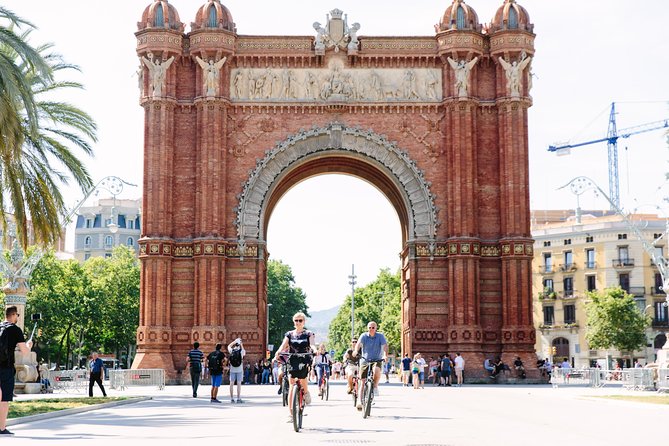
The Arc de Triomf is next, built as the main access gate for the 1888 Barcelona World Fair. It’s an architectural break from the churches, and it gives you a strong photo point without needing any climbing or long waiting.
It also helps you understand the city’s timeline. Barcelona isn’t only Gaudí and medieval alleys. There’s a broader civic story here, and this arch signals it.
Basilica de Santa Maria del Mar: Catalan Gothic clarity
You then pass Basilica de Santa Maria del Mar, an emblematic Catalan Gothic church with a style known for purity and unity. Entrance isn’t included, so you view it from the outside and soak up the shape and details you can see from your stop.
This one feels different from the cathedral because the architecture has its own tone. If you enjoy comparing Gothic buildings, this is one of the stops that rewards your attention.
Parc de la Ciutadella: green space with specific landmarks
Next is Parc de la Ciutadella, a big park area (44 acres / 18 hectares) where you can spot features like Castell dels Tres Dragons, plus the Umbracle and Hivernacle. Entrance isn’t included here, so your stop is about walking a bit in the park setting and noticing what’s there.
Why this matters on a bike tour: it breaks up the dense urban sightseeing. You get shade, open space, and a breather before you jump into El Born and the Old City feel.
El Born: tapas streets, shops, and an off-beat vibe
Then you enter El Born, known for being a bit more off-beat and fashionable, with art galleries, funky shops, and plenty of tapas options nearby. The tour includes time around El Born’s main thoroughfare and plaza area, so you’re not just catching one corner—you get the neighborhood feel.
If you’re planning a full-day itinerary later, this stop is useful. It gives you a sense of where you’ll want to wander on foot after the tour ends.
Sagrada Família: the outside view that still hits hard
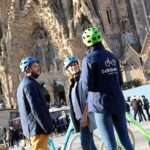
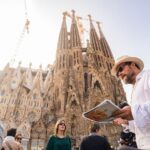
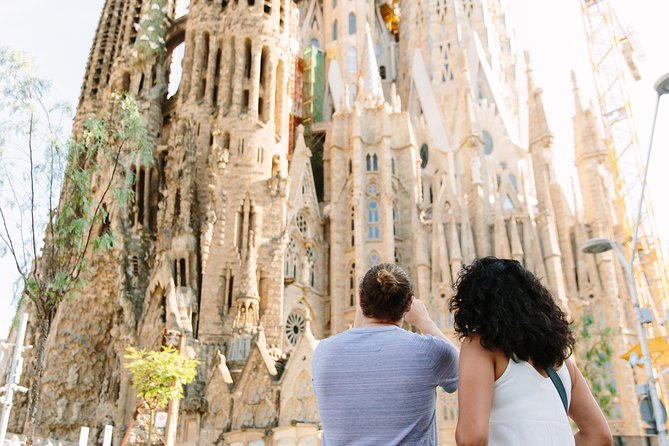
At Basilica de la Sagrada Família, you’ll see Gaudí’s masterpiece from the outside. Time here is longer than most stops because it’s the headline attraction, and because exterior viewing is where the bike tour shines.
Important reality check: entrance isn’t included at this stop. In practice, that means you should treat this as an exterior look. If you want to go inside, you’ll need to book your own tickets ahead.
Still, even from outside, it’s one of the best “wow” moments in Barcelona—especially when you’re riding nearby and can place it in the city context.
Plaça del Rei: medieval square vibes
Then you’re at Plaça del Rei, a 14th-century medieval public square in the Barri Gòtic. Short stop, but it’s a good contrast to Sagrada Família’s modernist spectacle. Here, you get the old-city mood—stone, history, and that sense that you’re inside a much older Barcelona than the one on postcards.
Plaza Monumental de Barcelona: the bullring stop
At Plaza Monumental de Barcelona (La Monumental), you’ll see the last bullfighting arena in commercial operation in Catalonia. Entrance isn’t included, so think of this as a quick architectural and historical stop rather than a full event.
If bullfighting history is sensitive for you, you can choose how much you want to linger here. A bike tour keeps the time measured.
Plaça de les Cascades and the beach cruise past
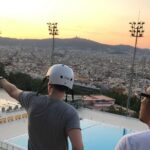
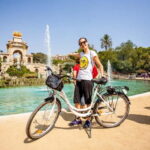
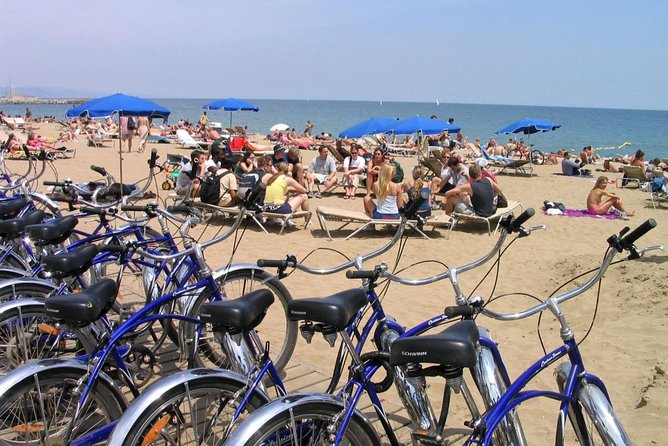
Next comes Plaça de les Cascades, where the stop is more about the space and the surrounding park setting than entering anything. After that, you cruise past the beautiful beach area.
This is a nice change of tempo. You get to reset your camera and your brain—less crowded-feeling than the old streets—before you head back toward central administrative squares.
Plaça de Sant Jaume: Barcelona’s administrative heart
Finally, you wrap with Plaça de Sant Jaume, described as the center of Old City Barcelona and the administrative heart of both the city and surrounding Catalonia. It’s a fitting ending because it feels like the city’s public center—historical, civic, and recognizable.
The tour ends back at the original meeting point area, so you can keep exploring right after without needing to “transfer” your day across town.
Rain, heat, and what to bring for a comfortable ride
Tours run rain or shine, and rain ponchos are provided in wet weather. That’s great because Barcelona weather can change quickly. If you get caught in a shower, you won’t need to scramble for last-minute gear.
In summer, bring sun protection. In spring and fall, add something warm, because an easy pace doesn’t mean you’ll never feel chilly—especially near the water.
Other practical items:
- A camera or phone with enough battery (you’ll take a lot of short photos at each stop)
- Comfortable shoes (the stops include some walking)
- A light layer you can handle during breaks
Family-friendly and first-day friendly: who this tour suits best
This bike tour is built for broad participation. It’s described as suitable for all ages, not strenuous, and designed with a relaxed route. If you’re arriving jet-lagged, it’s also a strong way to get oriented without spending the whole day on public transit.
Families are a common fit. Helmets and child seats are available on request, and some kid setups can be attached so younger riders can ride along. The key is that the route keeps the riding manageable, with frequent stops and careful guiding.
Even if you’re nervous about biking in a big city, this can be easier than you expect. The combination of smaller group size, calmer route choices, and frequent guidance points helps you feel supported.
Where it may not fit as well:
- If you want lots of time inside major sights, this is mostly an exterior-view format at several stops.
- If you expect entrances included for Sagrada Família and other landmarks marked not included, you’ll need to plan those separately.
Should you book Unlimited Biking Barcelona?
If you want a fast, friendly first look at Barcelona—modernism, Gothic landmarks, port views, and the El Born neighborhood feel—this is a solid choice. The small-group size, relaxed pace, and short stops make it work for beginners, families, and travelers who want structure without feeling trapped.
I’d book it if you’re also willing to do one extra step: plan tickets separately for interiors you care about most, especially Sagrada Família. Also, because this tour is booked ahead fairly often (on average about 38 days), getting your timing right early can save stress.
In short: book it for the route and the overview. Then come back on foot for the places you want to see up close.
FAQ
How long is the Barcelona bike tour?
It runs for about 3 hours.
How much does the tour cost?
The price is $42.33 per person.
Is this bike tour strenuous?
No. The ride is at a relaxed pace, with no hills to conquer and short periods of cycling between stops.
What’s included in the price?
You get bicycle rental and a guided tour, plus insurance. Helmets and child seats are available on request.
Are tickets to attractions included?
Some stops are marked as free, but others are not included. For places not included, you should assume you’ll be viewing from outside during the tour unless you arrange separate entry.
Is lunch included?
Food and drinks are not included, but morning tours include a lunch stop at your own expense.
What happens if it rains?
The tour goes out rain or shine, and rain ponchos are provided.
How large is the group?
The group is kept small, with a maximum of 9 travelers.
Where do we meet and where does it end?
You meet at Carrer dels Escudellers, 48, Ciutat Vella, 08002 Barcelona. The tour ends back at the meeting point.
Can I cancel for a full refund?
Yes. You can cancel up to 24 hours in advance for a full refund. If you cancel less than 24 hours before the start time, the amount paid is not refunded. If the tour is canceled due to poor weather, you’ll be offered a different date or a full refund.