REVIEW · VIENNA
Bicycle tour – Vienna Complete
Book on Viator →Operated by Mijn Wenen Tours / My Vienna Tours · Bookable on Viator
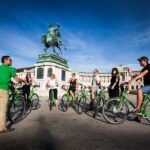
Vienna on two wheels is a fast way in. This 3-hour Vienna Highlights bicycle tour threads you through key landmarks like the Hofburg and Ringstraße, with helpful guidance from locals such as Anita. I especially like the small-group feel (up to 15) and the included bicycles that keep things simple. A fair note: you still need to stay alert for traffic signals, even when you’re mostly on bike paths.
You meet at Piaristengasse 56-58 in the morning and you pedal your way to a set of classic sights before returning to the same spot. The tour runs in English, uses a mobile ticket, and is built for people who want an active city orientation without huge effort. Just plan for weather: it depends on good conditions, and winter can feel sharp even on a short ride.
In This Review
- Key points before you ride
- Meeting in Vienna: Piaristengasse at 10:00 am
- Price and value: $56.86 for 3 hours of momentum
- What the ride feels like in Vienna (and how to stay comfortable)
- The Hofburg start: imperial power up close
- Ringstraße by bike: Vienna’s grand boulevard moment
- Musikverein: the acoustics-and-music stop
- Lugeck and Judenplatz: charming streets with heavy memory
- Am Hof and Volksgarten: old squares, markets, and statues
- Naschmarkt: the best kind of break, a food-driven pause
- Karlsplatz to Schwarzenbergplatz: baroque church and political echoes
- Johann Strauss Monument: the fun finishing note in the park
- Guides and group size: why the experience usually clicks
- Bike safety and smart riding habits (especially if you’re not a cyclist)
- Who this Vienna bike tour suits best
- When to book: 23 days out is typical
- Should you book Bicycle tour – Vienna Complete?
- FAQ
- FAQ
- How long is the Vienna Complete bicycle tour?
- What time does the tour start?
- Where does the tour meet?
- Is the tour in English, and do I need to print anything?
- Are bicycles included?
- What happens if the weather is poor?
Key points before you ride
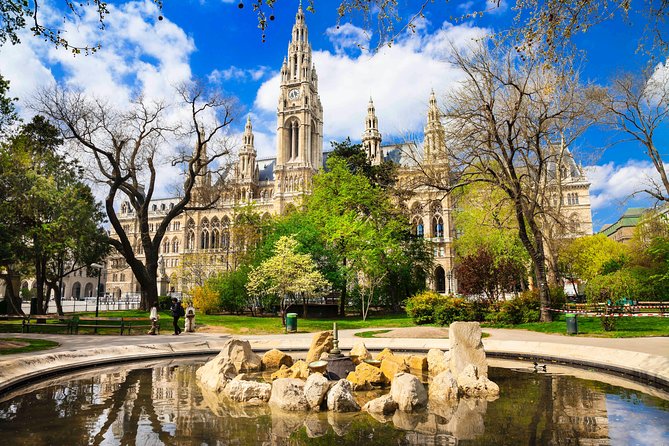
- Included bicycles make it easy to start without hunting rentals first
- Max 15 people means you get real attention, not just a guided blob moving as one
- Most stops are free to enter, so you’re not paying repeatedly to look around
- Bike paths first, but you still ride defensively at intersections and signal lights
- Short, frequent stops help you absorb the city without feeling rushed
Meeting in Vienna: Piaristengasse at 10:00 am
This tour starts at 10:00 am at Piaristengasse 56-58, 1080 Wien and ends back at the meeting point. That loop matters because you don’t have to worry about getting back from a far-off finish, and it’s easier to build the rest of your day around it.
Come a little early. Even with a planned start time, groups sometimes need a few minutes to get everyone fitted and counted. If you’re sensitive to noise or your hearing isn’t great, position yourself where you can hear your guide most clearly before you roll out.
You can also read our reviews of more tours and experiences in Vienna.
Price and value: $56.86 for 3 hours of momentum
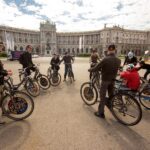
At $56.86 per person, this is priced like a practical orientation tour, not a museum day. You’re paying for three things: a guide, a set route through the center, and the included bikes. And since the stops you hit are largely “look and learn” with free admissions at many locations, you avoid that separate-ticket problem that can pop up on other city tours.
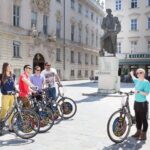
For first-timers, that’s the sweet spot. Vienna is beautiful, but it can also be confusing on foot when you’re trying to connect the dots between palaces, grand boulevards, and markets. On a bike, you cover ground quickly and still get narrative stops where you can pause, look, and ask questions.
What the ride feels like in Vienna (and how to stay comfortable)
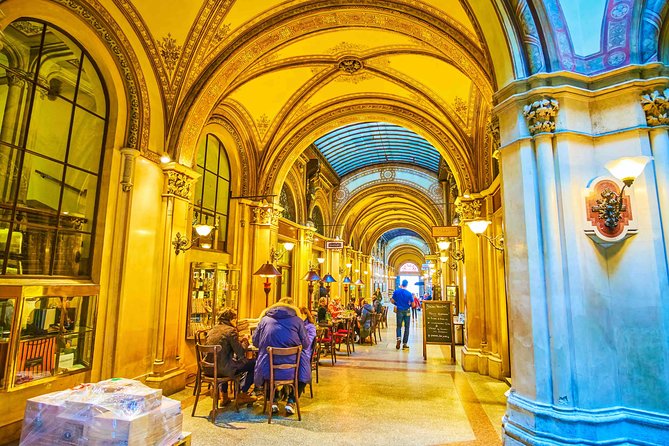
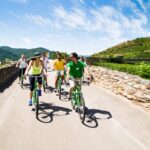
This isn’t a punishing workout. The whole point is to keep you moving while still letting you take in sights on a steady pace. Hills are not the main challenge here; it’s more about riding smoothly in a city where you share space with other road users.
The route uses designated bike paths often, which makes it calmer than you might expect. Still, don’t treat it like a closed track. You’ll want to watch for traffic signals and ride like a careful local: follow the lights, don’t rush ahead, and let the group keep its rhythm.
Bikes are provided and you’re fitted before you start. If you’re the type who needs a helmet, you’ll be glad to know helmets are available free at the shop. Also, in colder months, wear layers. Even when the ride is short, Vienna weather can bite.
The Hofburg start: imperial power up close
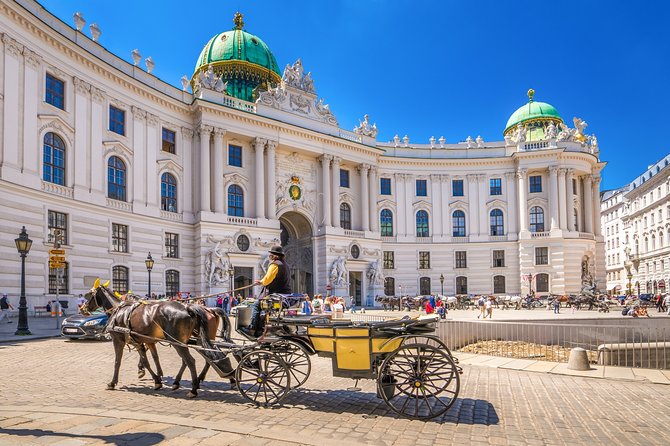
You begin at the Hofburg, former seat of the Habsburg rulers and one of the best places to understand how Vienna became Vienna. This is an imperial complex, not just a single building, and it helps set the theme for everything else you’ll see later.
Even if you don’t plan to go deep into the museums, the exterior scale and setting do a lot of storytelling. It’s the kind of stop where a guide can connect details you’d miss if you were just taking photos.
Practical tip: at the first stop, listen for the “why it mattered” explanation. If your guide is sharing a structure for how Vienna grew, that thread will make later stops easier to follow.
Ringstraße by bike: Vienna’s grand boulevard moment
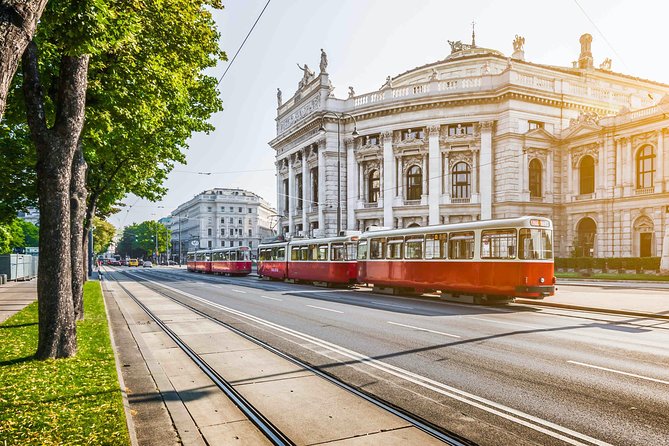
Next comes Ringstraße, the majestic boulevard that wraps Vienna’s historic core. This stretch is basically a highlight reel of architecture: major civic buildings and iconic institutions sit along the route, so your bike becomes the moving frame.
Riding here is one of the best ways to appreciate what makes Vienna feel ceremonial. You’re not stuck staring at one facade; you’re watching a whole corridor of power and culture flow by while your guide points out what’s where and what to notice.
Watch for traffic patterns near intersections. Even though you’re mostly on bike infrastructure, this is where you’ll want your focus most.
Musikverein: the acoustics-and-music stop
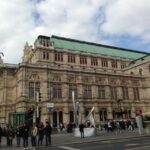
The Musikverein area is a quick stop but a fun one, especially if you like classical music. It’s famous for its acoustics and for being linked to the Vienna Philharmonic and its New Year’s Concert tradition.
If you’re a music person, you’ll feel like you’re standing near a famous stage. If you’re not, the value still holds: Vienna’s identity isn’t only baroque palaces and grand streets. This stop reminds you that sound and performance are part of the city’s brand.
This is also a good time to ask a question like how the hall became so famous, or what makes its acoustics stand out. Guides tend to tailor answers to your interests.
Lugeck and Judenplatz: charming streets with heavy memory
Then you shift from grand architecture to smaller-feeling places with character.
At Lugeck, you’re in a historic square with traditional Viennese architecture and cozy café energy. It’s a pleasant “exhale” stop when the route has moved you through bigger spaces. Use it to take a breather and reset your legs.
After that comes Judenplatz, a square with layered history and an important Holocaust memorial connected to Vienna’s Jewish community. This stop is reflective by nature, and it’s worth leaning in. Your guide’s job here is to help you read the symbolism without turning it into a lecture you can’t process.
A good strategy: keep your phone photos for after you’ve listened. Let the moment land first, then capture what you want.
Am Hof and Volksgarten: old squares, markets, and statues
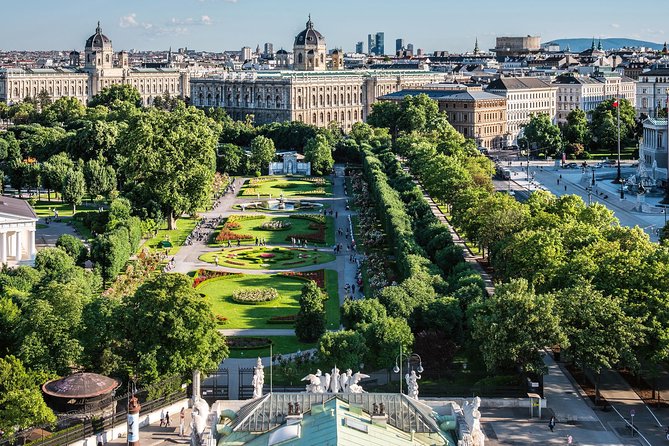
Am Hof is one of Vienna’s oldest squares, with Baroque architecture and a lively market feel. Even when you’re not buying anything, the setting gives you a sense of how everyday city life sits beside the grand imperial story.
Then the tour moves into Volksgarten, a garden that acts like an oasis in the center. You’ll see classical statues, including Sisi statues honoring Empress Elisabeth of Austria. The rose gardens are a nice visual reward if your timing lines up with bloom or just with the garden’s seasonal mood.
A calm garden stop is not wasted time. It helps you absorb the city without constant motion, and it gives you a chance to regroup for the next urban stretch.
Naschmarkt: the best kind of break, a food-driven pause
You get to Naschmarkt, Vienna’s most famous market. This is where the tour turns practical and tastes-focused: fresh produce, spices, and international food influences that make it feel like Vienna is watching the world while staying itself.
Even if you don’t snack heavily, it’s worth spending a moment just looking. Markets train your eyes to notice patterns: vendors, colors, and what locals shop for.
If you like planning your next meal, use this stop to spot ingredients or stalls you want to return to later. A good guide can point you toward what’s worth sampling, and you can follow up on your own time.
Karlsplatz to Schwarzenbergplatz: baroque church and political echoes
Karlsplatz is known for Karlskirche, one of Europe’s standout Baroque churches. This is a cultural hub feel in miniature, and it’s the kind of place where a guide can help you understand the church’s visual language beyond “it looks impressive.”
Then you head to Schwarzenbergplatz, a square with a monumental fountain and a Soviet war memorial element. This is the part of the tour that balances beauty with political history. It’s also a reminder that Vienna’s story includes shifts in Europe, not just one era of emperors and composers.
Ride tip: keep your attention on the junctions and where bike paths merge. These larger squares can feel open, but traffic patterns can still change quickly around you.
Johann Strauss Monument: the fun finishing note in the park
The ride ends with Johann Strauss in a city park setting. This tribute to the king of the waltz is an easy, upbeat way to close the loop, especially after stops that range from imperial palaces to memorials.
Parks are also useful finish points because you can decompress. If you want to continue exploring later, you’ll likely have a better sense of direction than you did at the start.
Guides and group size: why the experience usually clicks
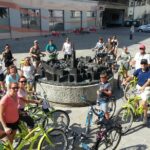
This tour caps at 15 travelers, which is a big deal. In a small group, your guide can correct spacing, answer questions, and keep everyone from getting separated. That personal attention is part of what people love about this experience.
Guide styles vary. Some guides are clearly great at keeping things lively and adding local quirks. Others may speak softly while you’re riding, so it helps to position yourself where you can hear. If you can’t catch a detail, ask for repetition at a stop.
Also, it helps to know that some guides build in practical needs like water and bathroom breaks. That turns a “fun ride” into a smoother, more comfortable outing.
Bike safety and smart riding habits (especially if you’re not a cyclist)
You don’t need to be an avid biker to enjoy this, but you do need basic common sense on the road. Here’s how to make it feel easy:
- Keep your eyes up, not locked on the bike lane edge
- Follow traffic signals and don’t try to match speed by sprinting forward
- Stay predictable: smooth starts and stops keep the group calm
- If your bike feels odd after the fit, speak up right away before you get going
If you prefer extra security, bring your own helmet if you have one. If you don’t, helmets are available free at the shop, which helps remove a common stress point.
Who this Vienna bike tour suits best
This experience is a great match if you want:
- An efficient way to get your bearings fast in the city center
- A mix of architecture, music culture, markets, and thoughtful stops
- A guided route that keeps you from wandering in circles
It’s also ideal for older kids (the route is not framed as strenuous) and groups of friends who want to move together without planning details for each landmark.
If you prefer to spend long stretches inside museums, this might feel a bit too “on the move.” But for most people, it’s a solid way to set up the rest of the trip.
When to book: 23 days out is typical
Most people book this about 23 days in advance, which suggests it fills up enough to think ahead. If your dates are flexible, you can still grab a spot later, but early booking is smart in peak season.
Because the tour depends on good weather, don’t schedule it as your only option. If you’re traveling in a season with unpredictable rain or cold, consider building a backup plan for later in the week.
Should you book Bicycle tour – Vienna Complete?
Book it if you want a guided, active introduction to Vienna’s center with included bicycles and a route that covers the big names like the Hofburg, Ringstraße, and Naschmarkt, plus the quieter memory and garden moments that make Vienna more than postcard views.
Skip it only if you strongly prefer either (1) a deep museum day or (2) a totally car-free ride with zero interaction at intersections. This tour is bike-friendly, but it’s still city riding.
FAQ
FAQ
How long is the Vienna Complete bicycle tour?
It runs for about 3 hours.
What time does the tour start?
The start time is 10:00 am.
Where does the tour meet?
You meet at Piaristengasse 56-58, 1080 Wien, Austria, and the tour returns to the same meeting point.
Is the tour in English, and do I need to print anything?
The tour is offered in English and you use a mobile ticket.
Are bicycles included?
Yes, the bicycle use is included.
What happens if the weather is poor?
This experience requires good weather. If it’s canceled due to poor weather, you’ll be offered a different date or a full refund.