REVIEW · CAPE TOWN
Bicycle Township Tour in Cape Town
Book on Viator →Operated by AWOL Tours · Bookable on Viator
A ride through a township teaches faster than a museum. This Cape Town bicycle township tour takes you into Masiphumelele, a community shaped by apartheid-era informal settlement roots, with stops that mix everyday life, culture, and a bit of South Africa’s traditional healing world. You’ll ride two wheels through local streets, meet people along the way, and share a meal that feels part of the day, not a tourist add-on.
I especially like the built-in human connections: you interact with residents and spend time around kids at the daycare, with your guide helping everything feel respectful and understood. I also like the Masicorp link, since a portion of proceeds supports an NGO dedicated to helping residents build their own opportunities through education and skills.
The main thing to weigh is tone and timing. You’ll spend time in a real, lived-in community (not a staged set), you’ll need moderate physical fitness for cycling, and the creche visit runs on weekdays only.
Key points to know before you go
- Masiphumelele by bike: get a street-level view that walking tours often can’t match
- Meet residents in everyday settings: school, library, computer centre, and church stops
- Creche visit (weekdays): plan around the fact this part doesn’t run every day
- Sangoma traditional healer visit: learn how healing traditions work in local life
- Lunch included: you eat with the rhythm of the community, not after-hours tourism
- Support built in: a portion of proceeds goes to Masicorp
In This Review
- A Bike Ride Into Masiphumelele’s Daily Life
- Where You Start: Chasmay Road and the Right Mindset
- The Drive In: Chapmans Peak or Ou Kaapse Weg Views
- Your Guide Makes It Work: AWOL’s Local Instructors
- Masicorp First: Skills, Classes, and a Clear Purpose
- School, Library, Computer Centre, and Church Stops
- Riding Through an Informal Settlement With Respect
- Creche Visit on Weekdays: How to Handle It Gently
- The Sangoma Visit: Traditional Healing Explained in Context
- Lunch at a Local Restaurant: Fuel and Connection
- Safety, Comfort, and Pace: What to Expect on Two Wheels
- Price and Value: Is $86.27 Fair for What You Get?
- What to Pack and How to Act (So You Help the Right Way)
- Should You Book the Cape Town Bicycle Township Tour?
- FAQ
- How long is the Bicycle Township Tour in Cape Town?
- How much does it cost and how far in advance should I book?
- Where does the tour start?
- Is hotel pickup and drop-off included?
- Is lunch included?
- Can children join, and is the daycare stop always available?
- What should I wear, and is there anything I shouldn’t bring?
A Bike Ride Into Masiphumelele’s Daily Life
If Cape Town is your base, you’ll hear big opinions about townships. This tour doesn’t ask you to judge from a distance. Instead, it uses a simple idea: when you move through a community at a human pace, you notice details, not stereotypes.
In Masiphumelele, your guide helps you read what you’re seeing—why buildings are where they are, how people organize daily life, and what traditions and institutions matter. You also spend time meeting residents and interacting with kids at a daycare center (the creche stop is on weekdays only). It’s not about spectacle. It’s about understanding, and that changes the way you look at Cape Town as a whole.
I think the real win here is that you don’t just “see” a township. You learn how residents describe it, how they share it, and how community spaces like schools and libraries function.
Where You Start: Chasmay Road and the Right Mindset

The meeting point is Chasmay Road in Masiphumelele (Chasmay Rd, Masiphumelele, Cape Town, 7975). You’ll end back at the same place. That matters because it keeps the experience grounded: you’re not constantly turning into a drive-by event.
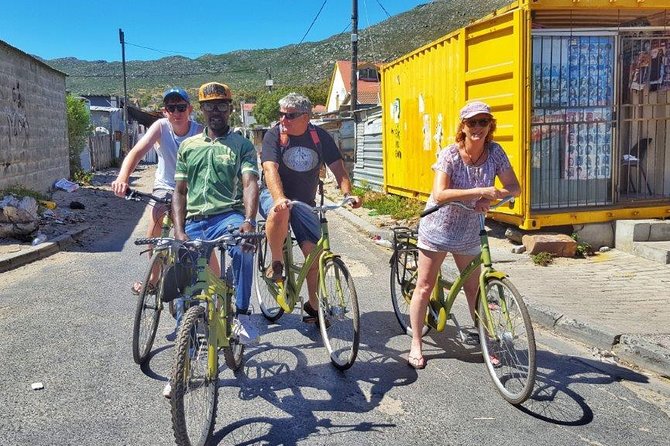
You’ll be on a guided cycle with use of a bicycle and helmet. The tour has a moderate fitness requirement, so it’s best for you if you can comfortably ride for a few hours with stops. It’s not a technical mountain-bike ride, but you’ll want basic stamina.
A quiet but important tip: keep your behavior steady and low-key. The tour provides clear guidance—don’t hand out sweets or money to locals. If you want to give, donate through a local NGO that supports education and housing.
And yes, children must be accompanied by an adult. That rule keeps things safer and easier for everyone involved.
You can also read our reviews of more tours and experiences in Cape Town.


The Drive In: Chapmans Peak or Ou Kaapse Weg Views
One small detail I really like: the ride begins with a scenic drive option. En route, you could travel over Chapmans Peak or Ou Kaapse Weg. Even if you don’t get out for photos, it’s a good way to shift your mindset from city sightseeing to real community time.
This also helps with timing. You’re not rushing from “nice Cape Town viewpoint” straight into a day that asks for patience. You arrive ready to pay attention.
If you’ve already done a lot of scenic drives, you might skip the photo hunt here and treat it as your warm-up. It’s enough to set the stage without stealing time from the main experience.
Your Guide Makes It Work: AWOL’s Local Instructors
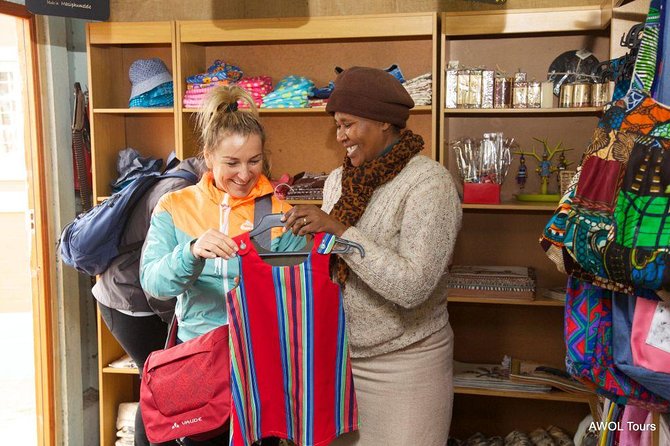
This is a guided experience, and the guide is the difference between awkward and meaningful. AWOL often assigns local guides who live in the area, like Lutho, Shaun, Mike, Lucas, Oliver, William, or Melanie. Expect your guide to explain not just what you’re seeing, but how residents interpret it.
You’ll hear about the township’s cultural background and history from a person with day-to-day familiarity. That’s also why you’re encouraged to dress casually and avoid excessive jewelry. It’s not about looking plain. It’s about keeping the focus on people, not your outfit.
From the way guides are described, the tour tends to feel organized and comfortable—things move at a pace where you can make eye contact, ask questions, and take in what’s around you without feeling herded.
Masicorp First: Skills, Classes, and a Clear Purpose
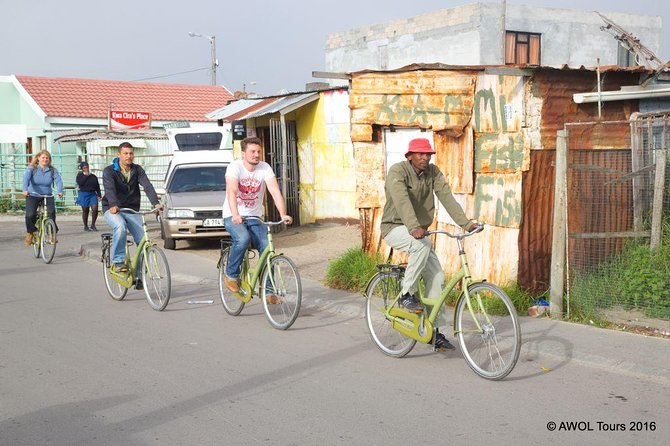
One of the best value parts of this tour is the visit linked to Masicorp, the NGO that gets a portion of proceeds. Starting near local community facilities helps you understand that this isn’t only about sightseeing. It’s about support that keeps going after you leave.
Masicorp is described as a place offering sewing and computer classes. That matters because it reframes the story. You’re not arriving to “help” in a vague way. You’re seeing concrete programs tied to education and skills—things that help residents build options over time.
If you care about responsible tourism, this stop helps you feel good about where your money goes. It’s not a pitch at the end; the support is part of the day.
School, Library, Computer Centre, and Church Stops
As you ride and also walk through parts of the community, you’ll hit key places that shape daily life: a school, library, and computer centre, plus a local church.
These stops do a lot of work for you. They show how people gather for learning, information, and community support. They also help you understand that township life includes institutions and routines, not just housing and streets.
One practical benefit: the guided pacing keeps you from feeling like you’re staring at people. Your guide helps you see the place first, then learn the context behind it.
If religion is part of your own life, the church stop may feel especially moving. If it isn’t, treat it as a cultural space where residents gather, not as a performance for you.




Riding Through an Informal Settlement With Respect
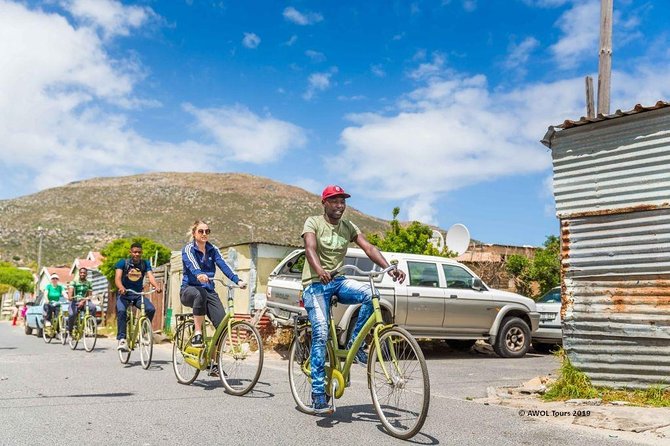
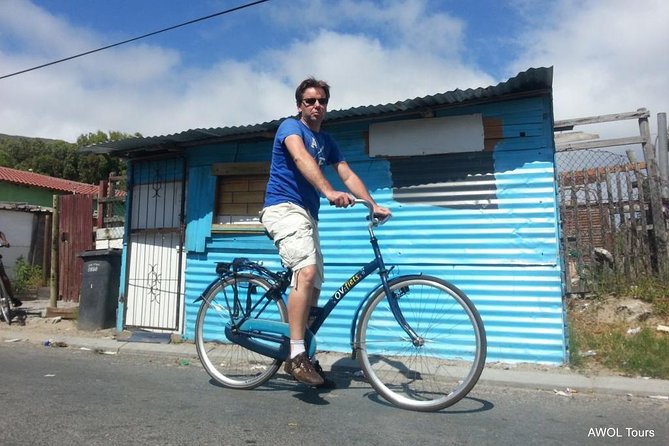
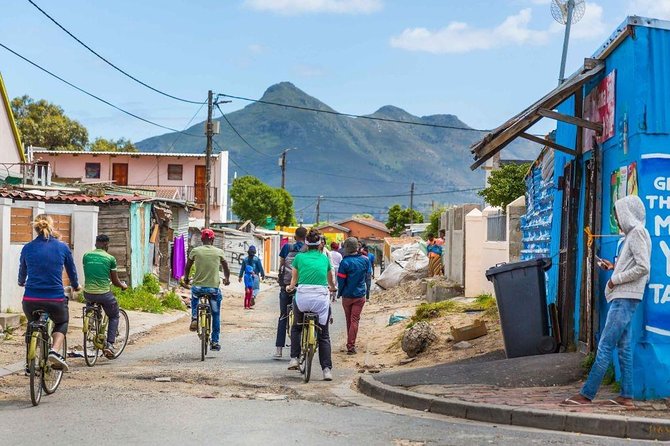
You’ll bicycle through parts of the township that began as an informal settlement during apartheid years. That means the environment you’re riding through may look different from what you expect.
Your guide plays a big role in reducing the “I feel awkward” factor. They help you understand what is appropriate, where to stand, and how to interact naturally. The tour also includes time with kids, which makes respect and calm behavior even more important.
Here’s how I’d approach this part: keep your camera use thoughtful. If someone doesn’t engage, don’t chase. If someone engages, ask or follow your guide’s cue for how to respond.
This isn’t a charity event where you treat residents like helpers. It’s a learning day where you meet people as people.
Creche Visit on Weekdays: How to Handle It Gently
The tour includes interaction with children at a daycare center, but the creche visit is limited to weekdays only. That one detail can decide whether the day feels exactly like you want it to feel.
If your trip lines up with weekdays, you’ll get a more complete experience, including that close-up interaction. If your dates land on a weekend, you might still learn a lot, but you should expect that specific stop may not happen.
Also take the tour’s guidance seriously: don’t give sweets or money. Kids may be curious, but handing out treats can create problems you don’t see. If you want to support, donate through the local NGO path the tour suggests.
A good mindset: talk softly, stay patient, and let the guide handle introductions.
The Sangoma Visit: Traditional Healing Explained in Context
The tour also includes a visit to a sangoma, a traditional healer. This is one of those stops that can go wrong if it turns into a myth-chasing show. The value here is that your guide frames it in local terms so it doesn’t feel like you’re collecting exotic facts.
If you’re curious about traditional healing, you’ll likely appreciate this moment because it’s part of how people live, not just a performance. The key is listening first and asking practical questions only when it feels comfortable.
One consideration: if you strongly prefer modern-only healthcare stories, this stop might not be your style. But even then, it can help you understand how local beliefs shape community wellbeing and identity.
Lunch at a Local Restaurant: Fuel and Connection
Lunch is included. That sounds basic, but in practice it’s a big quality-of-life factor—no scrambling, no hunting for something that suits your schedule, and you get to slow down.
You’ll eat at a local restaurant tied to the community experience. Many people remember this part because it feels like a pause where you can talk with your guide, reflect on what you’ve seen, and just be fed like you’re part of the day.
One practical point: unless specified, food and drinks beyond lunch aren’t included. So bring money for extras if you want it, and keep expectations realistic.
Safety, Comfort, and Pace: What to Expect on Two Wheels
Safety is a frequent concern with township visits, and the way this tour is run aims to make you feel steady. The experience is capped at a maximum of 20 people, which usually helps keep group control manageable.
You’re also given a helmet and a guided route, with stops that include both riding and short walking segments. The pace is described as relaxed enough to allow interaction—eye contact, conversation, and questions—without rushing past the human parts.
Still, keep your expectations aligned. You’ll be outside in a community environment. You’ll share space with local routines. If you want a tour that feels like a private museum experience with perfect surfaces and constant quiet, this is not that.
If you can stay patient, you’ll likely find it easier than you expect.
Price and Value: Is $86.27 Fair for What You Get?
At $86.27 per person, this tour sits in the mid-range for Cape Town experiences. The honest question is whether the package adds value beyond the bike ride.
Here’s why I think it can be worth it:
- You get transport support if you select the hotel pickup/drop-off option, plus private vehicle transport where listed.
- You get bike and helmet, which removes rental hassle.
- You get lunch included, which often makes the day feel less like a paid checklist.
- You get a guided cultural experience with specific stops, including sangoma and creche (weekdays).
- You get built-in support for Masicorp.
The best way to judge value is to compare it to a generic city tour plus a separate donation you’d have to organize yourself. Here, support is part of the structure, not an afterthought.
If you’re on a tight schedule, also note the tour lasts about 3 to 4 hours. That’s long enough to feel like a real outing, short enough to still do other Cape Town plans.
What to Pack and How to Act (So You Help the Right Way)
This tour gives clear do’s and don’ts, and they’re worth following.
Wear casual clothing. Try to avoid excessive jewelry. You’ll be riding, so comfortable shoes help even if you’re mostly on bike time with short walking breaks. Bring sun protection if you run hot.
For behavior:
- Don’t give sweets or money to locals.
- If you want to support, donate to the NGO channel the tour suggests, with education and housing as the focus.
- If kids are around, keep gestures calm and respectful.
Finally, remember: this is a community you’re visiting, not a theme park. The more you act like a thoughtful student, the better the day tends to feel.
Should You Book the Cape Town Bicycle Township Tour?
Book it if you want a Cape Town experience that goes past views and into real daily life. If you’re the type who likes learning from locals—through schools, libraries, community spaces, and even traditional healing—this tour matches that style.
Skip it if any of these are dealbreakers for you: you’re not comfortable cycling with a moderate fitness requirement, you’ll be in Cape Town on a weekend and really want the creche interaction, or you prefer tourism that stays strictly polished and non-interactive.
If you do book, read the tone as you prepare. Bring patience, keep your camera respectful, and let your guide set the pace. Done right, this isn’t just a bike ride. It’s a clearer way to understand Cape Town.
FAQ
How long is the Bicycle Township Tour in Cape Town?
Plan for about 3 to 4 hours.
How much does it cost and how far in advance should I book?
It costs $86.27 per person, and it’s commonly booked about 5 days in advance on average.
Where does the tour start?
It starts at Chasmay Road in Masiphumelele, Cape Town (Chasmay Rd, Masiphumelele, Cape Town, 7975), and it ends back at the meeting point.
Is hotel pickup and drop-off included?
It depends on the option you select. Hotel pickup and drop-off are included if you choose that option, and transport by private vehicle is also listed as included if selected.
Is lunch included?
Yes. Lunch is included in the tour.
Can children join, and is the daycare stop always available?
Children must be accompanied by an adult. The creche/daycare visit is on weekdays only.
What should I wear, and is there anything I shouldn’t bring?
Wear casual clothing and avoid excessive jewelry. You should not give sweets or money to locals; if you want to support, donate through the local NGO that focuses on education and housing.