REVIEW · CAPE TOWN
Cape Town: Guided Bike Tour
Book on GetYourGuide →Operated by AWOL Tours · Bookable on GetYourGuide
Pedal through Cape Town’s stories, not just sights. This guided bike tour gives you a smooth, easy way to connect Cape Town’s history with its everyday city life, from the bright streets of Bo-Kaap to the big-energy Green Point Stadium area. I especially liked the way you get photo moments without rushing, and how the guide brings the city to life as you roll past landmarks like the Company Gardens and Adderley Street. One thing to consider: parts of the route can include traffic and hills, so if you’re new to riding, you’ll want to listen closely during the safety briefing and ride within your comfort level.
The guide experience matters here. On my tour-style research, names like Lucas, Gareth, Eric, Shaun, Bradley, and Leilo show up again and again, and the common thread is clear: guides keep the group together, explain what you’re seeing, and manage the ride with real care. If you get a friendly, steady guide like Lucas (who’s noted for pacing and road awareness), you’ll feel confident fast.
You start at AWOL Tours and spend about three hours cycling the city core. The route links the Victoria & Alfred Waterfront area with the inner city, then works its way toward Bo-Kaap and the Green Point side, so you’re not stuck doing back-and-forth or spending the whole time on one small strip of streets. Wear comfortable shoes and bring cycling clothes, and you’ll get a lot done for the money.
In This Review
- Key things I’d circle before you book
- Why cycling from the Waterfront makes Cape Town click
- AWOL Tours start: bikes, helmets, and a real safety rhythm
- The route through major landmarks: from fort views to downtown streets
- Bo-Kaap: colorful houses, Cape Malay stories, and snack breaks
- Company Gardens, mall stroll energy, and the World Cup-era Green Point vibe
- Green Point eco-park and the oldest working lighthouse in South Africa
- What the $100 price buys you (and where you should plan extra)
- Who should choose this bike tour (and who might not love it)
- Final thought: should you book the Cape Town bike tour?
Key things I’d circle before you book
- Expert-guided route that mixes history landmarks with modern Cape Town stops
- Bo-Kaap photo moments plus a chance to taste local Cape Malay-style snacks on the way
- Green Point Stadium + eco-park area with big views and World Cup-era relevance (2010)
- Company Gardens and St George’s Mall for a classic “city center” feel
- Good pacing for 3 hours, usually with photo breaks and a planned flow through neighborhoods
- Real-world ride notes: some traffic/hills, so your bike comfort level matters
Why cycling from the Waterfront makes Cape Town click

Cape Town can feel like a set of separate postcards—pretty views here, historic buildings there, neighborhoods you have to drive to. This tour turns that scattered feeling into one moving story. Starting from the Waterfront and heading into the inner city helps you build a mental map fast, so later, when you’re wandering on your own, streets make sense instead of blending together.
I like that the tour doesn’t treat Cape Town like a museum. You’ll pass a mix of older fort-style sites and everyday streets where the city’s current rhythm shows through. That matters because Cape Town isn’t only “what happened here,” it’s also “what’s happening here now,” and the bike format keeps you connected to both.
If you’re short on time, this is one of the better ways to get oriented. A three-hour loop won’t cover everything, but it gives you enough geography and context to choose what to revisit afterward.
You can also read our reviews of more tours and experiences in Cape Town.

AWOL Tours start: bikes, helmets, and a real safety rhythm
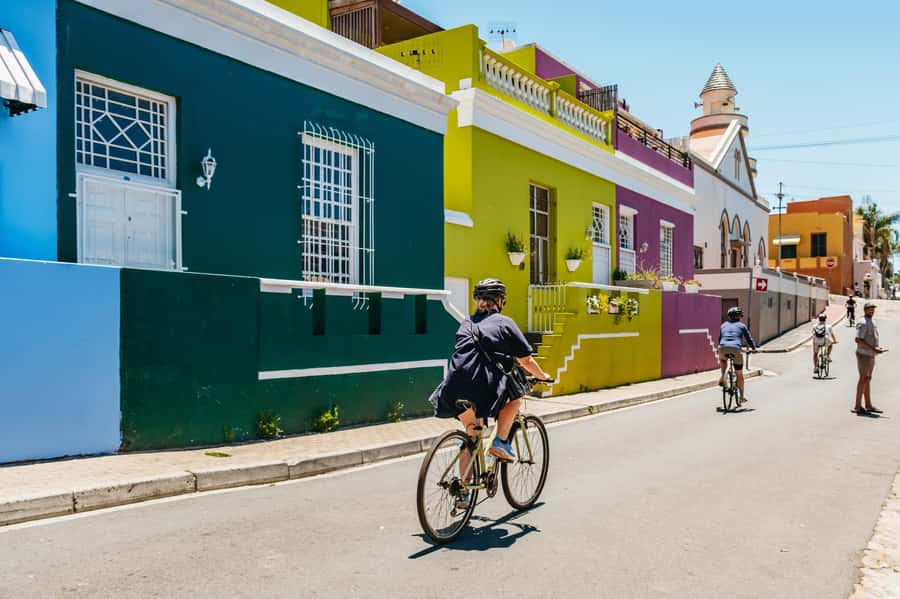
You meet at the AWOL Tours office and the ride starts with a safety briefing and gear check. Bikes and helmets are included, and that’s a big practical win—no hunting for rentals or figuring out local sizing on the fly.
From the feedback people share, guides tend to run the group in a calm, controlled way. Some guides are specifically mentioned for keeping an eye on roads and managing small groups smoothly (like Lucas managing a five-person group). That’s not a small detail. In a city where street conditions can vary, you want someone who treats safety like part of the job, not an afterthought.
Here’s how I’d plan for the ride itself:
- Wear cycling clothing and comfortable shoes (sensible sneakers are best).
- Leave valuables at home if you can. The tour notes that valuables aren’t allowed.
- Avoid high-heeled shoes and skirts, and don’t wear loose clothing that can catch on the bike.
One note from real-world experience: not every departure feels identical. A few people mention that if you’re not confident on a bike, certain roads and hills can be a bit much. So be honest with yourself: if biking in traffic makes you nervous, this is still doable, but you’ll need to ride carefully and stay close to the guide.
The route through major landmarks: from fort views to downtown streets
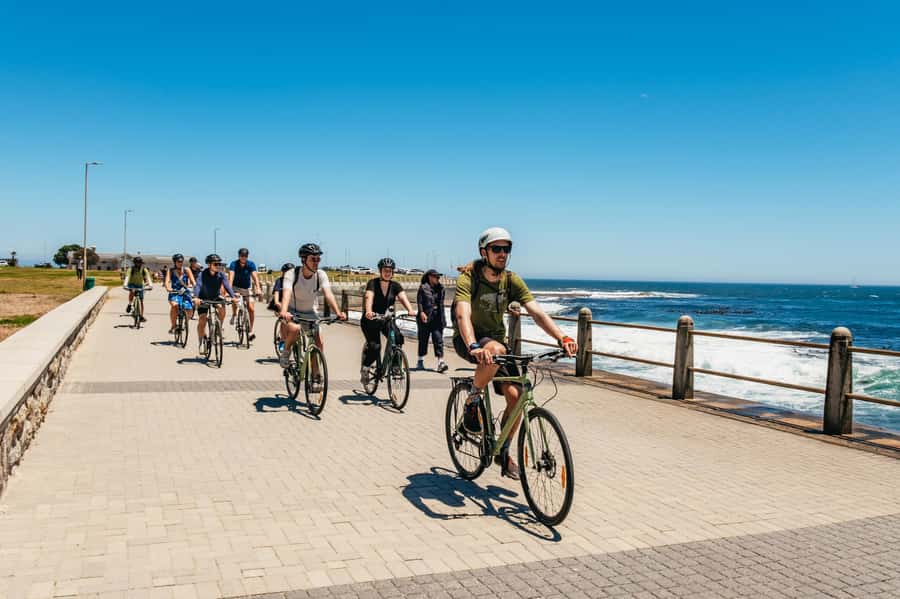
The tour’s backbone is a classic set of Cape Town icons. You’ll move from the Waterfront toward the inner city and work your way through areas where the city’s timeline shows up in architecture and street layout.
One early stop area is the Castle of Good Hope fort. This is a major historic anchor, and it’s the kind of place where seeing it from street level helps more than reading about it later. Forts are all about control—walls, angles, and strategic positioning—and biking past gives you context for how the site relates to surrounding city space.
Then you head along Adderley Street, one of those downtown corridors where motion matters. On a bike, you can take in longer stretches without losing the thread, so you’re not just hopping out at one photo point and leaving. After that, you’ll reach spots like St George’s Mall, where the pace shifts back toward modern city life and shopping energy.
The value here is simple: you get the “big names” of central Cape Town in a format that saves time and reduces transit stress. You’re also more likely to remember what you saw because you experience it as a connected route, not a list of stops.
Bo-Kaap: colorful houses, Cape Malay stories, and snack breaks
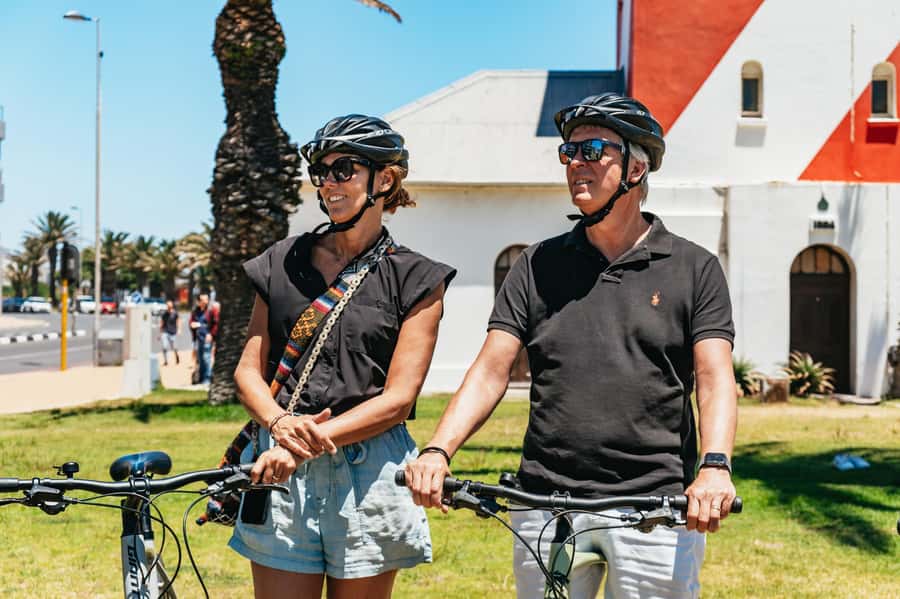
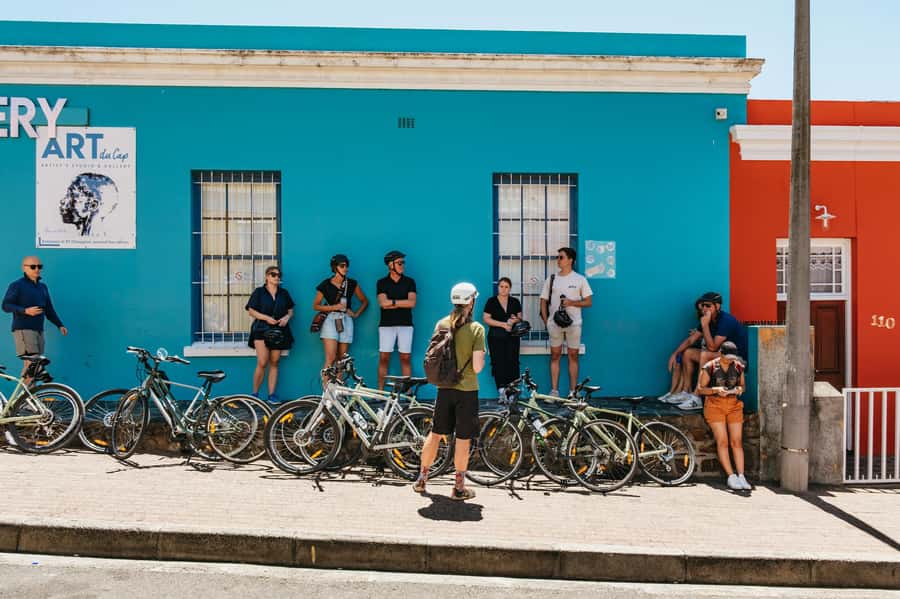
Bo-Kaap is the neighborhood most people come to Cape Town for, and this tour gives you a structured way to experience it. You’ll cycle through and explore this area known for its colorful houses, and the guide provides context so it’s more than just a photo mission.
What I love is that Bo-Kaap shows up as a living community, not just a backdrop. The bike format helps you move at neighborhood scale, so you can understand why streets and stairways feel the way they do as you pass them.
Snack stops show up in the real-world experience. People mention a break at places like Faeeza’s Tea Garden or Faeeza’s kitchen in Bo-Kaap, and some also bring up homemade treats from homes in the neighborhood (like Rashida’s house). The tour information says food and drinks aren’t listed as included, but the ride does include local snack elements. So plan for light tasting breaks rather than assuming a full meal is covered.
Also, be ready for the physical reality: Bo-Kaap can involve some uphill riding. That matters because it can affect how much you enjoy the tour if you’re not used to hills. The good news is the tour is designed for all ages and fitness levels, tailored to you—but you still want to start comfortable, not exhausted.
Company Gardens, mall stroll energy, and the World Cup-era Green Point vibe
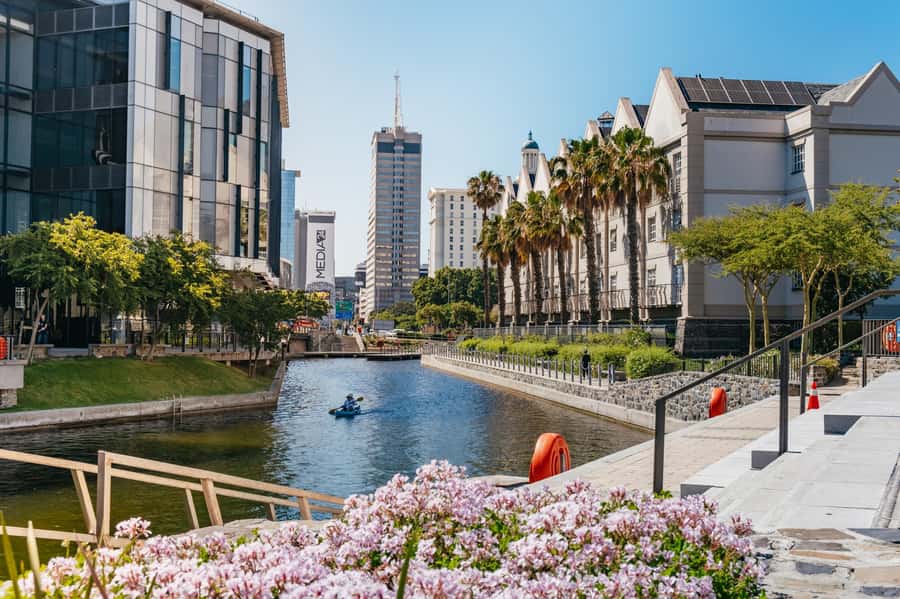
After the historic and neighborhood portions, the tour brings you toward open space and major city landmarks. Company Gardens is a standout because it’s one of those places where you feel the city’s calmer side while still staying in the center of everything. You’ll also pass St George’s Mall, which helps you shift gears back to modern Cape Town’s day-to-day scene.
Then comes the Green Point stretch and the major headline: Green Point Stadium. It served as a host venue for the 2010 FIFA World Cup, and biking near it gives you a clear sense of scale. Even if you’re not a sports fan, stadium architecture and surrounding streets are dramatic, and seeing it from the road makes it easier to imagine the crowd energy from that era.
People consistently mention that the ride is fun and well-paced for three hours. I take that as a sign the route keeps momentum without leaving you in the saddle nonstop. The photo stops also help: you’re not only cycling; you’re also capturing the stops that will matter later.




Green Point eco-park and the oldest working lighthouse in South Africa
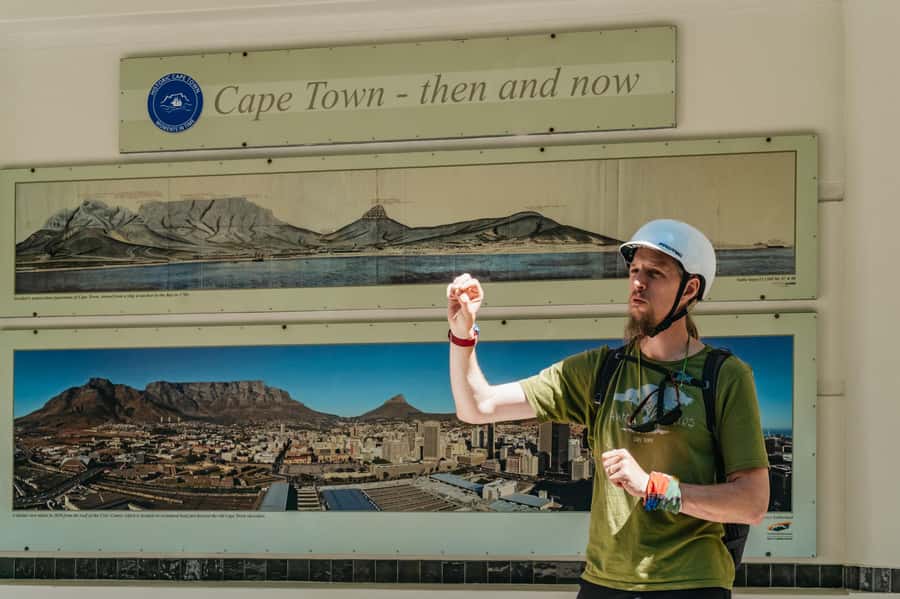
The Green Point side adds two things that fit well with a bike tour: a walkable outdoor feel and a meaningful landmark payoff.
First, you’ll see the newly landscaped Green Point eco-park. This is a good contrast to dense downtown streets. It’s the kind of space where you can reset your pace while still being “on tour,” instead of feeling like you’ve escaped the itinerary.
Then you’ll get to the oldest working lighthouse in South Africa. A lighthouse is one of those objects that becomes more interesting the moment you understand its working role. Seeing it as you ride nearby—rather than as a distant photo—helps the story land. It also gives you a memorable ending touch to the ride because it’s both iconic and grounded in real maritime purpose.
What the $100 price buys you (and where you should plan extra)
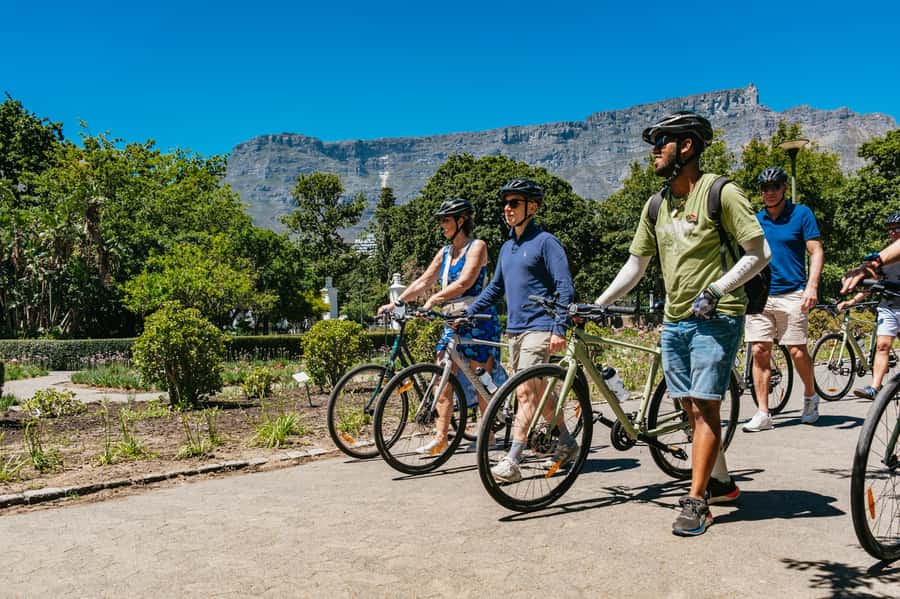
At $100 per person for three hours, you’re paying for three things: a guided route, included bike + helmet, and an interpretation layer that helps you understand why the places matter. If you were doing this with taxis or trying to piece together stops yourself, the cost often climbs fast once you add transport time and local navigation.
The best value shows up when you’re using the tour as an orientation tool. If you’re new to Cape Town, the route from the Waterfront into the city core gives you a foundation for the rest of your trip. You’re also getting context for both “history landmarks” and “contemporary life,” which is exactly what you want in a first few days.
What to budget outside the tour: food and drinks aren’t listed as included. That doesn’t mean you’ll go hungry—snack breaks can happen during the ride—but don’t assume a full meal is covered. Also, if you want extra souvenirs or drinks later, plan for your own spending.
If you’re comparing options, I’d treat this as a “guided movement” experience. The cost isn’t just for sitting and listening; it’s for getting you smoothly between areas you’d otherwise need multiple logistics to reach.
Who should choose this bike tour (and who might not love it)
This tour fits best if you want a structured way to see Cape Town efficiently without feeling stuck on buses. It’s also a strong option if you like learning through walking-or-riding pace rather than standing at one viewpoint after another.
It’s usually suitable for all ages and fitness levels because the ride is tailored to needs. That doesn’t mean it’s effortless for everyone. Some roads may have traffic and hills, and at least one practical note from feedback is that bike confidence matters.
I’d consider skipping or switching to a different format if:
- You have mobility impairments (the tour is not suitable for people with mobility impairments).
- You’re very uncomfortable riding in traffic or on hills.
- You can’t or won’t follow basic safety instructions.
That said, people mention getting the hang of bike riding quickly under a guide’s watchful eye. If you’re nervous, that’s still a reason to talk to the operator beforehand—then decide with clarity.
Final thought: should you book the Cape Town bike tour?

If you want a 3-hour sampler of Cape Town that connects the dots between neighborhoods, forts, city streets, and the Green Point stadium area, I think this is a smart booking. You’ll likely remember more because you’re experiencing the city in motion, not just collecting photos.
Book it if you:
- Want an easy first-day orientation.
- Like guides who tell you what you’re seeing while you ride.
- Can handle some hills and keep your focus during street crossings.
Skip it if you’re likely to be stressed by traffic, or if hills and cycling itself aren’t your comfort zone. In those cases, the same sights might feel more exhausting than fun—so choose a format that matches your energy.
If you do book, bring the right shoes, dress for cycling, and plan on light snack breaks rather than expecting a full meal. Then sit back and let the route do the heavy lifting.