REVIEW · CAPE TOWN
Cape Town: Cultural Bicycle Tour in Khayelitsha Township
Book on GetYourGuide →Operated by One Day Africa · Bookable on GetYourGuide
Pedal through Cape Town’s real side. This cultural bike tour connects street art with neighborhood stories as you ride from Woodstock toward the city centre and on to Bo-kaap, District Six, and major landmarks.
I love the fact that it’s a guided ride, not a self-tour. You get a local guide who helps you notice small details about everyday life and the art scene, plus you cover more ground than you would on foot while still stopping for the important sights. I also like the small-group feel—more time to ask questions and get personal attention while moving through different areas.
One drawback to weigh: the ride can be uneven and hilly, and bike comfort isn’t guaranteed for every body size. A few riders have mentioned fit problems and gear or saddle issues, and there can be traffic that feels intense at times, so come prepared for a physical ride and stay focused.
In This Review
- Key things that make this bike tour work
- Why a bicycle tour beats “just seeing” Cape Town
- Meeting in Woodstock at Salt Circle Arcade (and what to do first)
- Woodstock streets: art-forward riding and an easy start
- City centre route: landmarks plus street art clues
- The Castle of Good Hope stop: photos with context
- District Six: a neighborhood story you can feel on the ride
- Bo-kaap: color, culture, and the hills check
- Company’s Garden: regroup time built into the route
- Group size, guide style, and bike comfort: the real-world balance
- Price and value: is $46 a good deal?
- What to bring, and how to plan for comfort
- Who this tour suits best (and who should think twice)
- Should you book this Cape Town cultural bicycle tour?
- FAQ
- What is the price of the Cape Town cultural bicycle tour?
- What’s included in the tour?
- Do I need to bring my own bike?
- Is hotel pickup or drop-off included?
- Where do I meet for the tour?
- Are food and drinks included?
- What language is the tour offered in?
- Is the tour suitable for pregnant women?
- What cancellation window is offered?
Key things that make this bike tour work
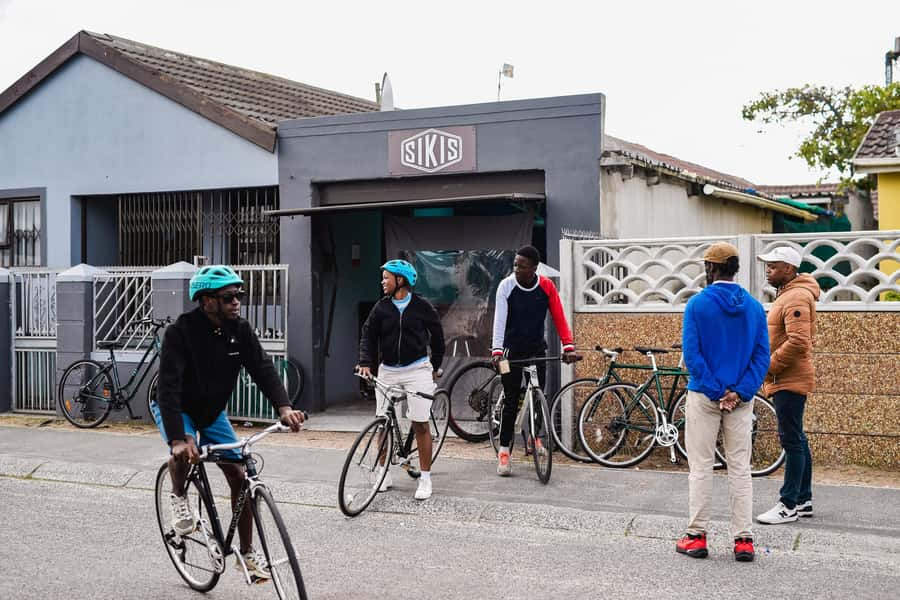
- Local-guide storytelling: you’re not just sightseeing; you’re learning how the city’s art and history connect to real neighborhoods
- Street art stops you might miss alone: your guide points out where the creativity shows up in day-to-day scenes
- More coverage than walking: you pass big landmarks without spending your whole day crossing the city on foot
- Solid core route: Woodstock, Bo-kaap, District Six, Castle of Good Hope, and Company’s Garden are all part of the plan
- Comfort varies by bike: some riders report size, saddle, or gear issues, so it’s worth keeping your expectations practical
Why a bicycle tour beats “just seeing” Cape Town
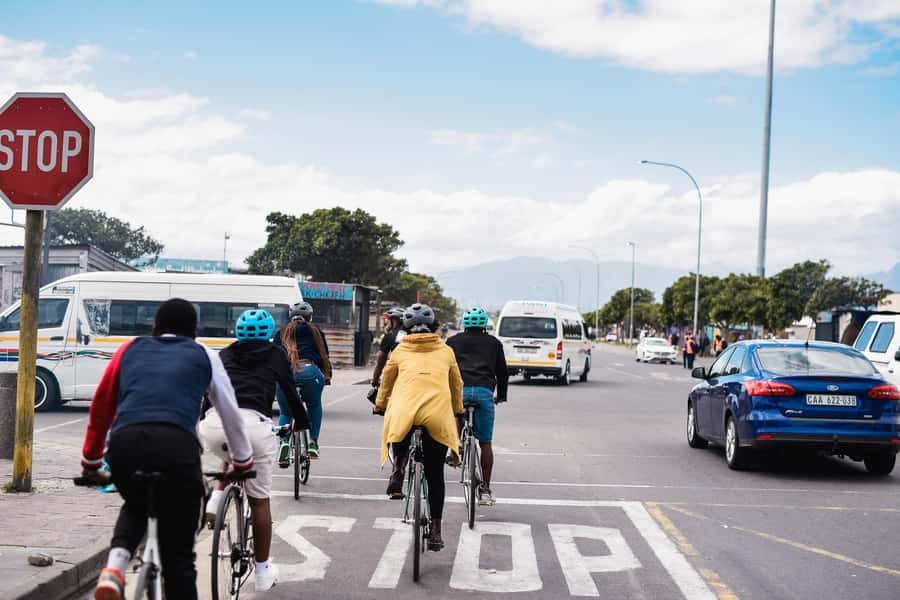
Cape Town is a place where neighborhoods tell stories—if you only hop on and off buses, you tend to miss the in-between streets. Riding a bike slows you down in the best way: you can look, feel the street life around you, and still get from area to area without burning your whole day.
This tour also matches how Cape Town actually feels: different districts with different textures, building styles, and street art scenes. With a guide in front, you get a route that ties those textures together instead of leaving you to guess what matters where. And because you’re moving, you can fit more key sights into limited time than a pure walking tour would allow.
You can also read our reviews of more tours and experiences in Cape Town.


Meeting in Woodstock at Salt Circle Arcade (and what to do first)
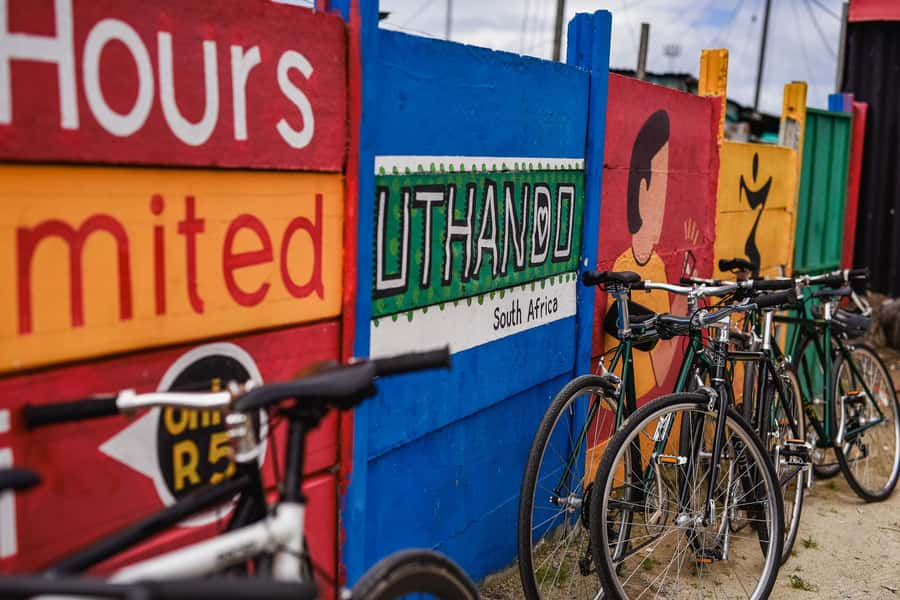
You’ll start at Shop 5 inside the Salt Circle Arcade in Woodstock. This is a good setup because Woodstock is already part of the city’s art-and-creativity orbit, and it keeps the opening of the day grounded and easy to find.
When you check in, treat the first few minutes like a warm-up. Get your helmet on right away, adjust your seating, and take a slow spin in place so you can tell if anything feels off before you hit busier roads. It sounds basic, but with any shared bicycle tour, early adjustments save you discomfort later.
Woodstock streets: art-forward riding and an easy start
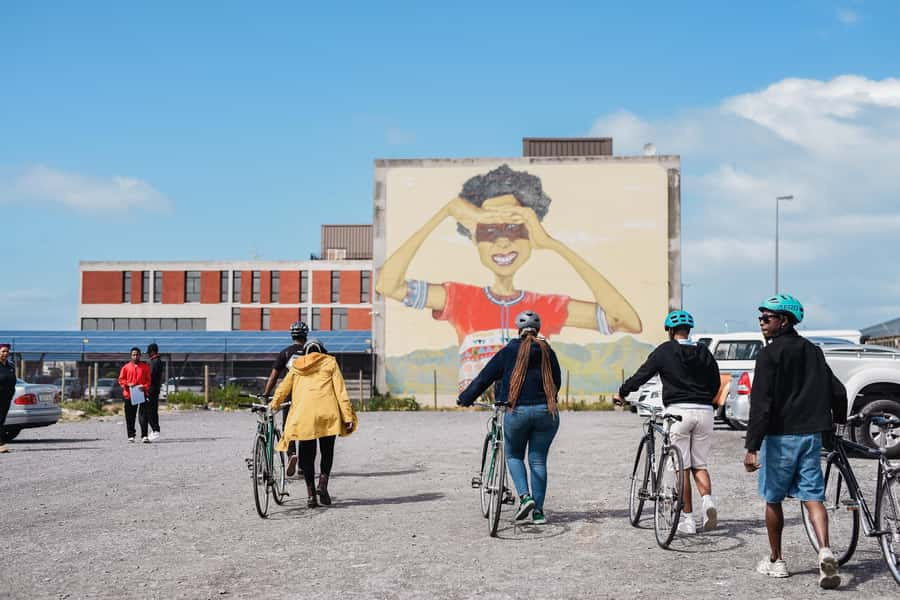
Woodstock isn’t just a “get-on-the-bike” zone here. Your guide leads you into the kind of scenery where street art and everyday life overlap, so you’re not only looking at famous backdrops—you’re seeing how creative work shows up on real streets.
Expect that the ride starts building momentum: short stretches where you’re learning the layout and longer stretches where your guide is pointing out specific spots. If you like photography, this is also where you’ll likely get your first real wins—street art is often best at human height, and bikes keep you at that level.
Tip: wear clothes you can move in. This tour suggests comfortable clothes, and I’m glad it does, because even if the pace is not a race, you’ll still be in motion for long enough that “tight and cute” can turn annoying fast.
City centre route: landmarks plus street art clues

As you roll toward the city centre, the value is how the guide connects the big sights to the smaller visual details. You’re not only checking off famous places—you’re learning where to look for art and historical meaning while you travel.
The route design makes sense for first-timers: you get a practical tour of how neighborhoods relate to each other, without needing to build a plan yourself. And since this is a guided bike ride, you get help translating what you see into something you can remember—what the area is known for, and why it matters to Cape Town’s identity.
One caution: city riding can feel busy. Some riders have flagged difficult traffic and at times dangerous-feeling moments. That doesn’t mean you should skip it—it means you should take the safety briefing seriously, keep a relaxed grip, and stay aware even when the guide is doing most of the work.
The Castle of Good Hope stop: photos with context
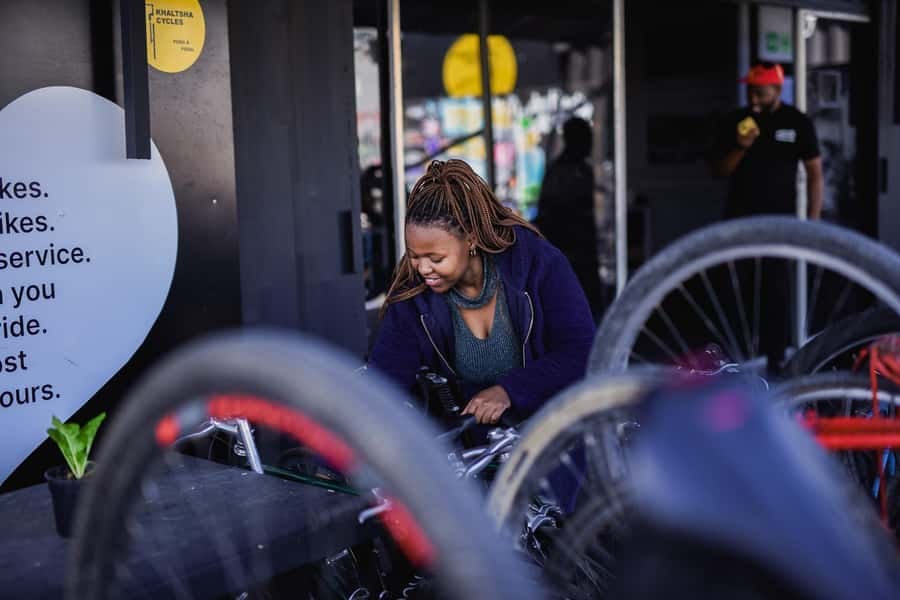
The route passes the Castle of Good Hope. Even if you don’t go inside, you’ll get a strong exterior sense of scale and history just by riding near it. Your guide is there to explain what makes the place meaningful, and that context helps the landmark land in your mind instead of becoming just another building you recognize later.
On a bike, this kind of stop works well because you’re close enough for photos but still moving. You’re not stuck lingering in a long line, and you don’t have to spend your day crisscrossing Cape Town just to get a single landmark moment.
What to watch for: view angles. From a moving frame, the best pictures tend to come from when you stop briefly in a spot the guide chooses. If you want photos that look like you actually know the place, pay attention to where your guide positions the group.




District Six: a neighborhood story you can feel on the ride
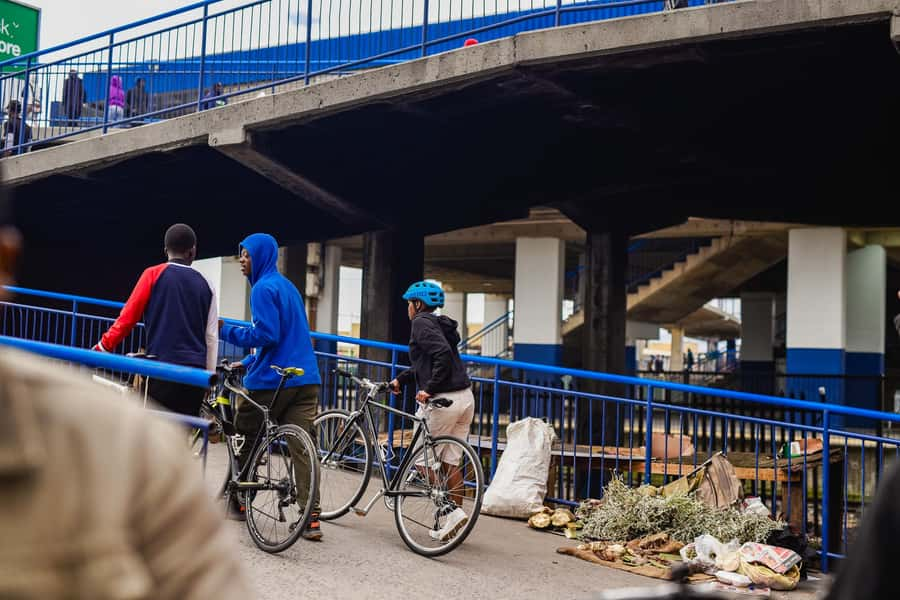
District Six is one of the most important stops on the route. The reason this matters on a bike tour is simple: you’re riding through an area tied to community history, and the guide can put that history into words while you’re physically moving through the surrounding streets.
District Six also pairs well with the street art focus. Even without naming every single mural, you’ll likely notice how public art becomes a voice in the landscape. Your guide’s job is to help you read the visuals—not by giving you a lecture, but by pointing you toward the right details at the right time.
Practical note: this part of the day may involve uneven ground. Some riders have described uneven neighborhoods, so keep your cadence smooth and don’t hesitate to ask the guide to slow down when the pavement turns rough.
Bo-kaap: color, culture, and the hills check
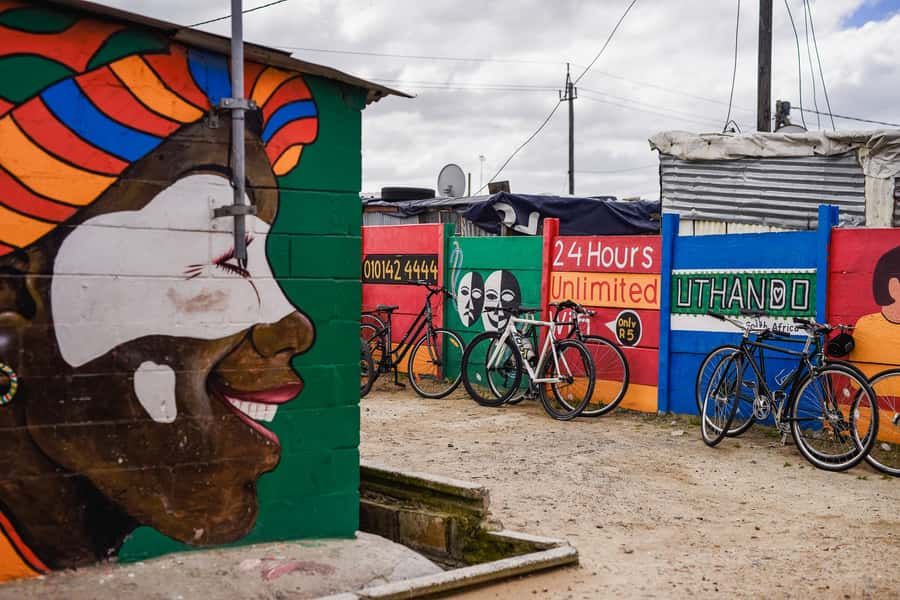
Bo-kaap is where Cape Town’s personality often hits you in the face—in a good way. It’s on the route, and your guide is there to connect the neighborhood look with cultural meaning. You’ll get chances to pause, take in the streetscape, and learn what the area represents in the wider city story.
But Bo-kaap can also be a realistic test of how you feel about hills. One review noted many hills and suggested electric bikes would suit better. Even if you’re an experienced cyclist, plan for effort—especially if you’re not used to stop-and-go riding on slopes.
What I’d do if hills bother you: come early energy-wise, and if something feels too hard, speak up right away so the guide can manage pace and grouping. You’re not meant to suffer quietly.
Company’s Garden: regroup time built into the route
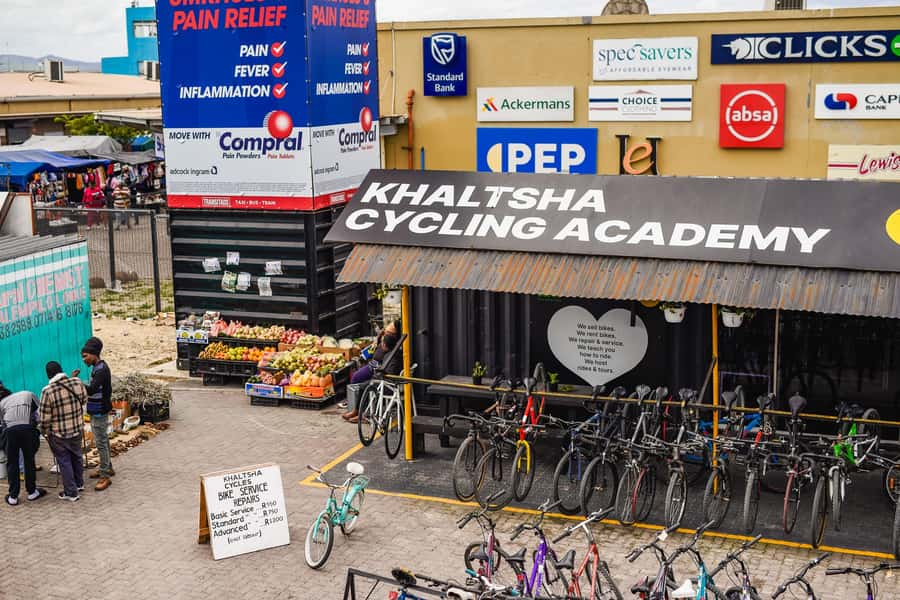
Company’s Garden is another named stop on the tour. This is the kind of place that gives your body a breather while your brain still stays engaged. After riding through denser streets, the garden area can feel like a reset point where you can catch your breath and process what you just learned.
This is also where guided tours shine. Instead of you guessing where to stand or what’s worth noticing, the guide helps you frame the stop—what to look for, and how it ties back to the rest of the ride.
If you’re planning your day around this tour, keep in mind that you’ll end where you started. That means you should stash anything you don’t need in a secure bag before the ride gets active, since there’s no hotel pickup and you’ll be finishing back at the meeting point.
Group size, guide style, and bike comfort: the real-world balance
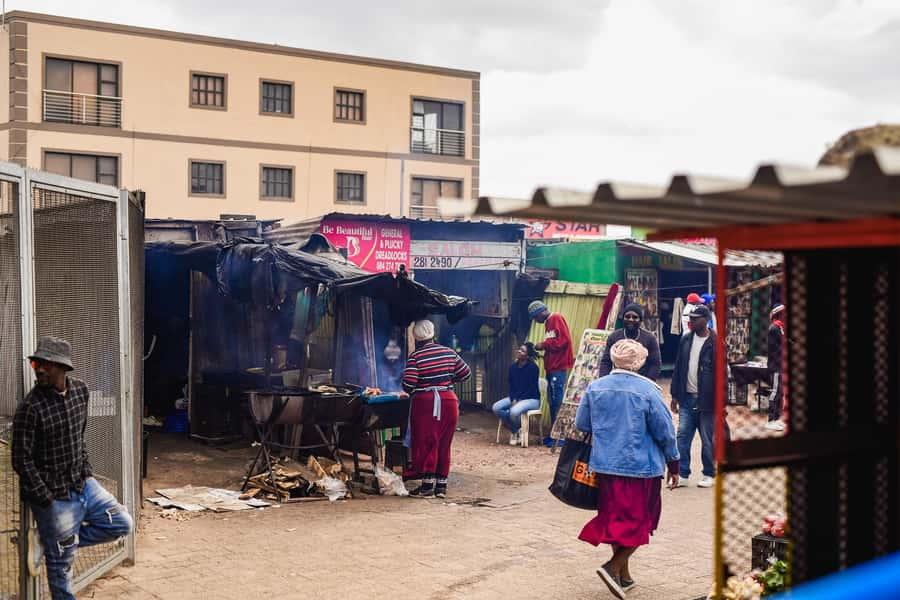
A small-group tour usually means two things: less waiting and more personal attention. Here, that matters because the route moves through a mix of street conditions. In a larger group, you’d feel stretched out and less able to ask questions. With a smaller group, your guide can manage the flow and keep everyone together.
Guide quality is a standout theme. The operator has guides who clearly care about connecting the dots for you. Diego Nkadimeng is one example mentioned for being professional, safety-minded, and big on history and stories behind the sites. Another name that comes up is Shandy, noted for creativity and staying engaged with the group, even when a mix-up led to a different approach on the day.
Still, keep your expectations practical about bikes. Some riders mentioned bikes not suitable for all sizes, plus problems with gears, and even a saddle that felt too hard. That doesn’t automatically mean your tour will have issues, but it does mean you should check fit early and speak up if something feels off.
Price and value: is $46 a good deal?
At $46 per person, this tour is priced to include the essentials that usually cost extra when you travel: bicycle rental and a helmet, plus a local guide who leads the route and points out street art and landmark history. You’re also saving time because the ride route covers multiple districts that would take more effort to connect on your own.
What you’re not paying for: hotel pickup and drop-off, and food and drinks. That affects value because you’ll need to plan a snack strategy and get yourself to the meeting point in Woodstock. But if you want a structured, guided way to see several key areas without spending most of your day on transportation logistics, the price can feel fair.
Also, this is $46 for moving through areas like District Six and Bo-kaap with interpretation, not just sightseeing from the sidewalk. For me, that’s the real cost-benefit equation.
What to bring, and how to plan for comfort
The tour says to bring comfortable clothes. I’d add a few travel-common-sense items, because this is a bike ride through streets that can be uneven and hilly.
- Wear shoes with grip you trust on uneven ground
- Bring water if you tend to get thirsty, since food and drinks aren’t included
- If you’re sensitive to traffic noise or tight streets, mentally prepare for that urban feel
One more planning note: this tour is not suitable for pregnant women. If that applies, skip this one and look for a different format that’s easier on your body.
And if you like flexibility, the operator offers reserve & pay later, so you can hold your spot without paying today.
Who this tour suits best (and who should think twice)
This bike tour is a strong pick if you want a guided, arts-and-history focused route with real neighborhood texture. It’s also ideal if you like the idea of seeing Woodstock, Bo-kaap, District Six, and landmarks like the Castle of Good Hope and Company’s Garden in one connected day plan.
It may be less ideal if you:
- hate hills or are expecting an easy pedal
- get easily bothered by rough pavement
- need very specific bike fit (since some riders have reported size or comfort issues)
If you’re an active traveler who’s okay riding in traffic and can handle a physical day, you’ll likely get a lot out of it.
Should you book this Cape Town cultural bicycle tour?
Yes—if you want a guided ride that focuses on street art, landmark context, and neighborhood stories, this is a smart way to spend time in Cape Town. The guide-led storytelling is the main reason the experience works, and the included bike and helmet make it simple on your end.
But book with your eyes open. Bikes can vary in fit and comfort, and the route can feel hilly with uneven stretches and tough traffic. Also, one thing to clarify before you go: the tour name mentions Khayelitsha Township, while the described route highlights focus on Woodstock, city centre areas, Bo-kaap, District Six, the Castle of Good Hope, and Company’s Garden. If Khayelitsha is a must for you, I’d ask the operator directly which neighborhoods you’ll actually ride through.
FAQ
What is the price of the Cape Town cultural bicycle tour?
The price is $46 per person.
What’s included in the tour?
You get a bicycle, a helmet, and a local guide.
Do I need to bring my own bike?
No. Bicycle rental is included, and you meet the tour ready to ride.
Is hotel pickup or drop-off included?
No. Hotel pickup and drop-off are not included, and the tour ends back at the meeting point.
Where do I meet for the tour?
You meet at Shop 5 inside the Salt Circle Arcade in Woodstock.
Are food and drinks included?
No. Food and drinks are not included.
What language is the tour offered in?
The tour is in English.
Is the tour suitable for pregnant women?
No, it is not suitable for pregnant women.
What cancellation window is offered?
You can cancel up to 24 hours in advance for a full refund.