REVIEW · GUANAJUATO CITY
Private Historical Tour in the Sierra Santa Rosa by Bicycle
Book on Viator →Operated by Cacomixtle · Bookable on Viator
A morning ride through Sierra Santa Rosa feels like a time machine with pedals. You’ll roll past landmarks tied to 18th-century mining and the Camino Real de Tierra Adentro, with real-world stops in Santa Rosa de Lima, Mineral del Monte, and Pastita. It’s a smart mix of motion and meaning, not a museum crawl.
Two things I’d pick right away: the ride is set up for comfort and flow (equipment prep and clear instructions), and you get a private guide who keeps the story grounded and practical, including time with Jose. The only real drawback is that you should show up with moderate fitness and be ready for uneven outdoor roads, especially if you’re not used to biking hills.
In This Review
- Key highlights you’ll care about
- Sierra Santa Rosa by bicycle: what kind of tour this really is
- Pickup, timing, and getting your bearings fast
- The Valenciana neighborhood and the mine story you’ll carry with you
- Santa Rosa de Lima to Mexicanos: riding a Camino Real gap
- The Temple of Mineral del Monte de San Nicolás stop
- Mata Dam: the short break that helps you reset
- Pastita: an old Nahua neighborhood and the name behind paxtle
- Pace, terrain, and what moderate fitness actually means
- What’s included (and why that matters for value)
- Ride with Jose-style storytelling: what private means in practice
- Weather matters more than you think
- Who this tour suits best (and who might want to choose differently)
- Should you book the Private Historical Tour in the Sierra Santa Rosa?
- FAQ
- What is the price of the Private Historical Tour in the Sierra Santa Rosa by Bicycle?
- How long is the tour?
- Is pickup from my hotel included?
- Are entrance tickets included for the stops?
- Do I get a bicycle and water?
- What fitness level do I need?
- What happens if the weather is bad?
Key highlights you’ll care about
- Private, small-group feel: only your group joins, with pickup and a dedicated guide.
- Historical stops with free admission at Santa Rosa de Lima, Mineral del Monte’s temple, and Pastita.
- Camino Real de Tierra Adentro connection: you’ll pedal along a road section linked to this famous route.
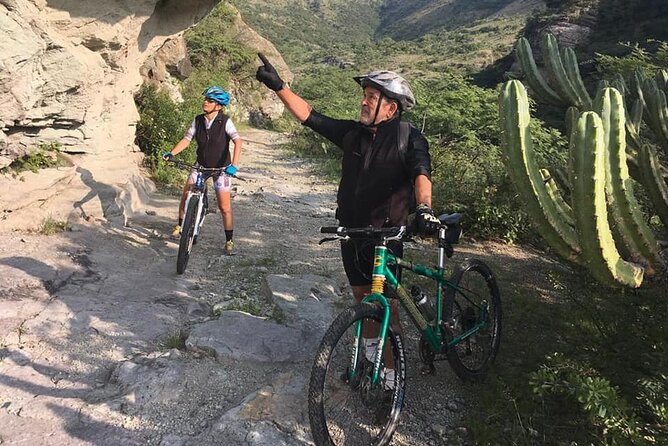
- Downhill-leaning outdoor ride: hills and fire roads outside Guanajuato, with a ride that’s described as technically and physically easy.
- Smart inclusions: bike, bottled water, and accident insurance are part of the price.
- Possible bakery break: one stop includes fresh buns out of the oven.
Sierra Santa Rosa by bicycle: what kind of tour this really is
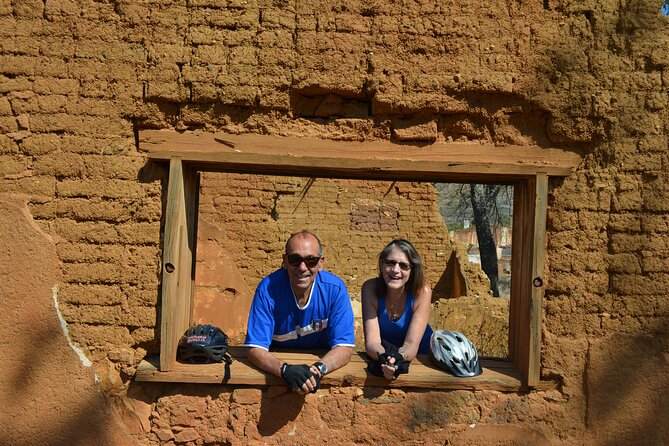
This is a private historical bike tour built for people who want to see the outskirts of Guanajuato without spending the whole day parked on benches. You’ll start in the morning, get picked up at your hotel, and then ride out into the Sierra Santa Rosa area for a mix of viewpoints, neighborhood storytelling, and heritage waypoints.
The “historical” part isn’t delivered as a lecture you endure. It’s delivered as you move—short explanations tied to what you’re seeing right now. That matters, because Guanajuato’s story isn’t just in the city center; it’s also in the routes, roads, and mining landscapes that fed the region.
And yes, it’s also a bike ride you can enjoy. One review described it as mostly downhill on fire roads, which is exactly the sort of detail that changes your day: if you’re craving scenery but don’t want a suffer-fest, this format fits.
Pickup, timing, and getting your bearings fast
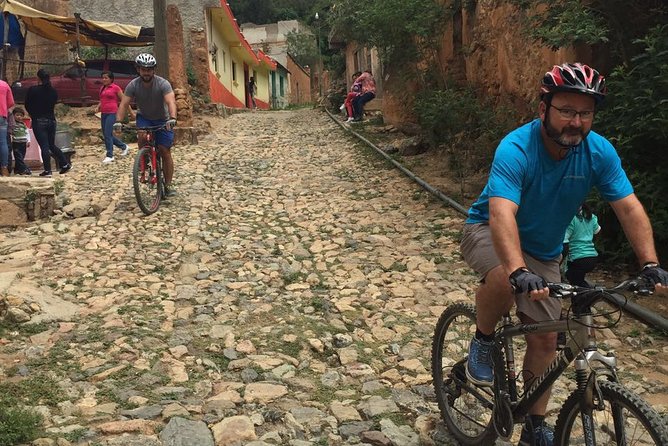
The tour starts at 9:30am. Pickup is offered, and the provider coordinates details with you once you’re at your hotel. That’s a big deal in Guanajuato, where getting across town on your own can mean extra time, extra walking, and extra stress.
The pacing target is about 3 hours 30 minutes total (approx.). That’s long enough to feel like you actually went somewhere, but not so long that you’ll feel cooked afterward—especially with bottled water included.
Before the first ride segment, you’ll get equipment handled and you’ll receive instructions. Even if you’ve biked before, it’s worth paying attention. Outdoors near hills can feel different from smooth city streets, and your guide’s tips will help you stay comfortable and in control.
The Valenciana neighborhood and the mine story you’ll carry with you
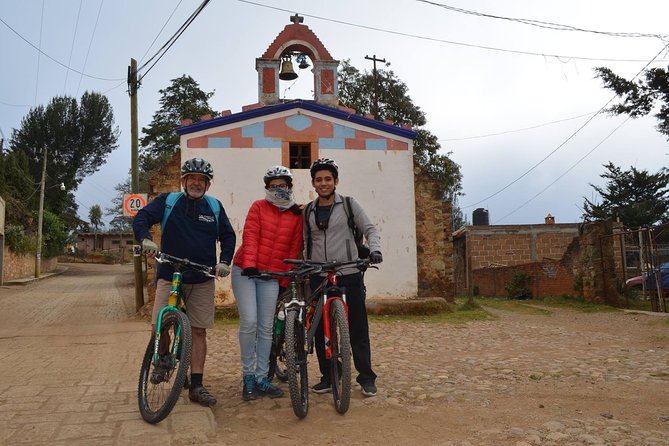
The tour kicks off with a short crossing through the Valenciana neighborhood, where you’ll learn about the importance of a mine in the 18th century. This kind of opener works well because it gives context before you enter the quieter, more scenic areas.
Why it matters: mining shaped where people lived, how roads connected, and how wealth moved in and out of the region. If you understand that early, later stops don’t feel like random checkpoints—they start feeling like chapters.
It’s also a good way to start moving without burning your energy immediately. You’re not climbing hard right away; you’re setting your mental map first.
Santa Rosa de Lima to Mexicanos: riding a Camino Real gap
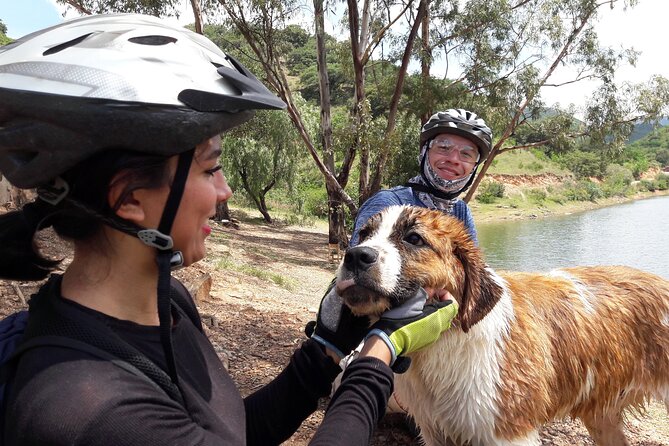
You’ll reach Santa Rosa de Lima, where the team gets you ready and gives instructions. Then you’ll cross a section of road from Santa Rosa de Lima toward Mexicanos. This stretch is part of one of the gaps of the Camino Real de Tierra Adentro.
That detail is the heart of the “history while biking” concept. The Camino Real isn’t just a name on a sign; it’s a network of roads that shaped travel, trade, and settlements across northern Mexico. When you ride a connected segment like this, it feels less like trivia and more like geography in motion.
Stop duration here is about 10 minutes, and admission is listed as free. With a short stop like this, the goal isn’t lingering—it’s marking the spot and moving on so the ride stays fun.
A practical note: this is where your guide’s navigation and pacing matter. Since it’s a road crossing segment, follow guidance closely and keep your focus on the route rather than only on the scenery.
The Temple of Mineral del Monte de San Nicolás stop
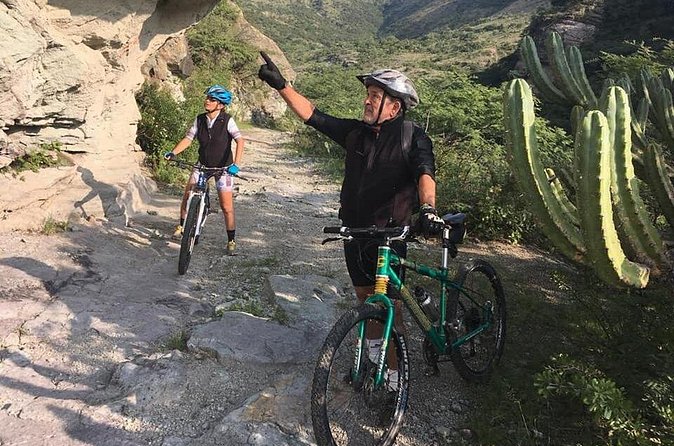
Next you’ll head to Monte de San Nicolás and stop at the Temple of Mineral del Monte de San Nicolás. Admission is listed as free, and the ride continues to keep momentum.
Temples and mining settlements often go together in this region, because the church typically served a growing community tied to work and migration. Even in a short stop, you’ll come away understanding how people organized daily life around the industry and the road access that supported it.
This stop is a good example of what makes the tour balanced: it’s not long enough to drag, but it’s long enough for a real look—especially if you slow down, take in surroundings, and listen for what your guide points out.
Mata Dam: the short break that helps you reset
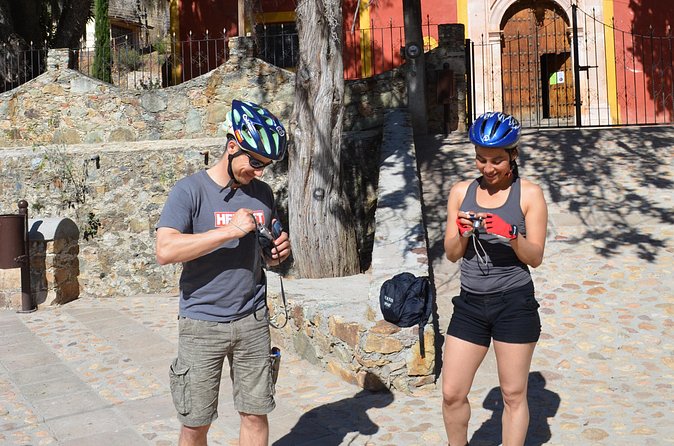
You’ll also make a brief stop at the Mata Dam. Since the timing here is described as a brief stop rather than a long visit, treat it like a breather and a chance to rehydrate and scan the horizon.
Dam areas can change the vibe instantly—more open, more air, and often different views than you’d expect in a mountain ride. It’s also a nice moment for photos without pulling you too far off schedule.
Because snacks aren’t included, this is a spot where you may feel your hunger more if you didn’t plan breakfast. The tour does include bottled water, but you’ll want to handle food yourself.
Pastita: an old Nahua neighborhood and the name behind paxtle
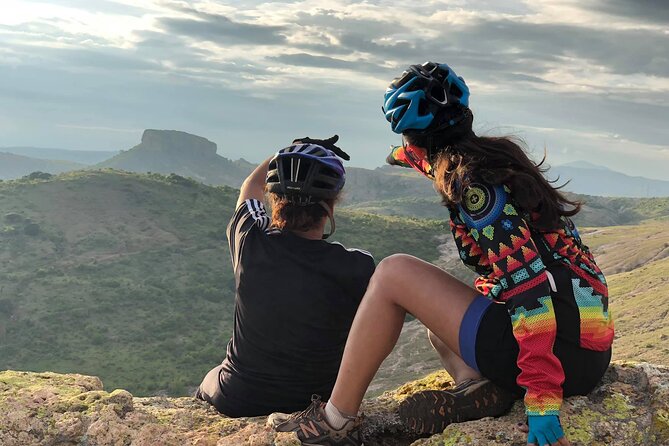
Your final named stop is Pastita, an old neighborhood that was one of the first areas for the Nahua. The story of the neighborhood’s name comes down to paxtle, linked to the meaning behind the local name: Paxtitlan.
That’s a great example of the tour doing more than showing buildings or scenery. It explains how language and local resources connect to place. Even if you’re not a language expert, you can still feel why names matter: they’re like compressed local knowledge.
Time here is about 20 minutes, and admission is listed as free. That extra time compared with earlier stops makes sense. Pastita is the place where you can shift from “ride and learn” to “pause and absorb.”
If you like walking a little and taking your time, use this part to slow down. Look at the street layout, the feel of the neighborhood, and anything your guide points out about how the area developed.
Pace, terrain, and what moderate fitness actually means
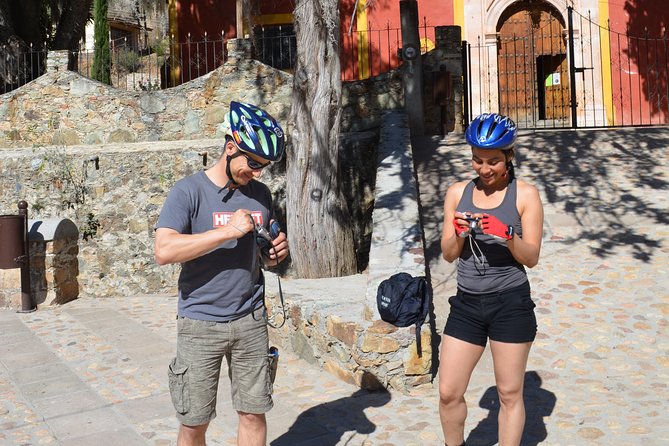
The tour asks for a moderate physical fitness level. Based on the ride descriptions, you should expect hills outside Guanajuato and outdoor roads that can be uneven compared with city biking.
One review described the ride as mostly downhill on fire roads and said it felt technically and physically easy. That’s encouraging, but don’t translate it into “no effort.” “Easy” on hills still means you’ll be pedaling at times, handling your bike on dirt surfaces, and staying alert.
The good news is the tour is structured to avoid burnout. You’re not in a constant grind—there are short stops built in, plus bottled water included. Also, because it’s private, your guide can adjust pacing to your group’s comfort, within reason.
If you’re the type who gets annoyed by long stops, this tour probably still works because most heritage moments are short. If you’re the type who wants maximal sightseeing time, you may wish you had more time per location—but the payoff is staying out in the landscape instead of trapped indoors.
What’s included (and why that matters for value)
For $105.00 per person, you get a lot more than just a bike and a meeting point. Included are:
- Use of a bicycle
- Accident insurance
- Bottled water
- Private transportation
That combination is where the value hides. Renting a bike in many tourist areas can cost enough on its own, and then you still need to solve logistics for getting outside the city. Here, the price bundles bike + transport + safety coverage + basic hydration.
Also, the stops you’re visiting list free admission for Santa Rosa de Lima, the temple at Mineral del Monte de San Nicolás, and Pastita. That’s helpful because it means fewer surprise charges during the ride.
Not included: snacks. I’d treat that as the one missing piece you should plan around. Bring a simple snack if you like, or plan to purchase something locally during a break if your route timing gives you a chance.
Ride with Jose-style storytelling: what private means in practice
The tour is private, so only your group participates. In real terms, that means you’re not stuck listening through a crowd. You can ask questions, you can adjust how much you want to stop and look, and your guide can pace the historical explanations to your interest level.
One review specifically praised Jose for organization and for the ease of the ride. That’s the sort of detail that signals the difference between a generic “bike and follow” outing and a guided experience where the history connects to what you’re seeing.
If you enjoy history but hate dry narration, this format is promising: short segments, clear stories, then back to the ride.
Weather matters more than you think
This experience requires good weather. If conditions are poor, you’ll be offered a different date or a full refund.
For you, the practical takeaway is simple: check the forecast the day before. If there’s rain or heavy cloud, expect the operator to be cautious, and biking on wet or slippery dirt surfaces can change how comfortable the ride feels.
Who this tour suits best (and who might want to choose differently)
This bike tour is a good match if you:
- Want a morning outing with a clear structure and pickup
- Like combining movement with history
- Prefer private guidance over joining a big group
- Feel comfortable with a moderate fitness level and outdoor surfaces
It may be less ideal if you:
- Need long indoor breaks or fully paved routes
- Expect snacks and full meals to be provided (they aren’t)
- Are very sensitive to weather disruptions, since good weather is required
Should you book the Private Historical Tour in the Sierra Santa Rosa?
I’d book it if your idea of a great day in Guanajuato is getting out of the center and learning the region’s story through roads, neighborhoods, and landmark stops. The free-admission pieces, the private setup, and the inclusions (bike, transport, bottled water, accident insurance) make the $105 price feel less like a splurge and more like a bundled, logistics-friendly experience.
I’d hesitate only if you’re looking for a long museum-style deep dive at each location or if your fitness level isn’t comfortable with outdoor hills. Otherwise, this is exactly the kind of tour that turns a morning ride into a memorable route you’ll keep talking about on the rest of your trip.
FAQ
What is the price of the Private Historical Tour in the Sierra Santa Rosa by Bicycle?
The tour costs $105.00 per person.
How long is the tour?
The duration is approximately 3 hours 30 minutes.
Is pickup from my hotel included?
Yes. Pickup is offered, and you’ll confirm pickup details once you’re at your hotel.
Are entrance tickets included for the stops?
Admission tickets are listed as free for Santa Rosa de Lima, the Temple of Mineral del Monte de San Nicolás, and Pastita.
Do I get a bicycle and water?
Yes. The tour includes use of a bicycle and bottled water.
What fitness level do I need?
The tour recommends a moderate physical fitness level.
What happens if the weather is bad?
This experience requires good weather. If it’s canceled due to poor weather, you’ll be offered a different date or a full refund.