REVIEW · COPENHAGEN
Copenhagen: Guided Bike Tour in French
Book on GetYourGuide →Operated by Mercure · Bookable on GetYourGuide
Copenhagen clicks into focus on two wheels. This French-guided bike tour is built around how the city grew, how Denmark’s social model shaped daily life, and how new cycling links change your route. I especially liked getting a clear sense of the city’s urban evolution as we rode, not just stopping for photos.
My second big win was the way the guide tied the stops together with real-world context, from civic buildings to places like Church of Our Saviour and Nyhavn. The one drawback to plan for: you’re on your own bike—no bike or helmet is provided—so you’ll want to rent or bring something comfortable before you arrive.
In This Review
- Quick hits you’ll care about
- Price and what it really costs in Copenhagen
- Finding the meeting spot and catching your guide
- The route mindset: you’re riding to understand Denmark
- Stop-by-stop: what you’ll do along the way
- 1) Starting area: Axelborg / Copenhagen Visitor Service
- 2) Copenhagen City Hall (sightseeing)
- 3) Christiansborg Palace (pass by)
- 4) Copenhagen Stock Exchange (sightseeing)
- 5) Freetown Christiania (pass by)
- 6) Church of Our Saviour (sightseeing)
- 7) Nyhavn (pass by)
- 8) King’s New Square (pass by)
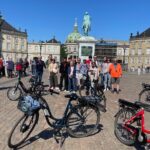
- 9) Amalienborg Palace (sightseeing)
- 10) Gefion Fountain (pass by)
- 11) The Little Mermaid (statue) (pass by)
- 12) Rosenborg Castle (sightseeing)
- 13) Finish near The Round Tower
- What the French guide does (that you’ll feel during the ride)
- Cycling with your own bike: make it comfortable or it stops being fun
- Bicycle bridges: why one category of infrastructure changes the whole day
- Who should book this bike tour in Copenhagen
- Should you book this Copenhagen guided bike tour (French)?
- FAQ
- Is the tour guided in French?
- Does the price include a bike and helmet?
- Where do I meet the guide?
- How long is the bike tour?
- How big is the group?
- Do I need cycling experience?
- Can I rent a bike nearby?
- What sights are included on the route?
- Is there a discount for teenagers?
- Where does the tour end?
Quick hits you’ll care about
- Small group (up to 10): easier questions, smoother pace, and less waiting at stops.
- French live guide: you’ll get stories that connect Danish history, politics, geography, and the economy.
- Recent bicycle bridges: the route includes newer cycling links that make parts of Copenhagen feel more connected.
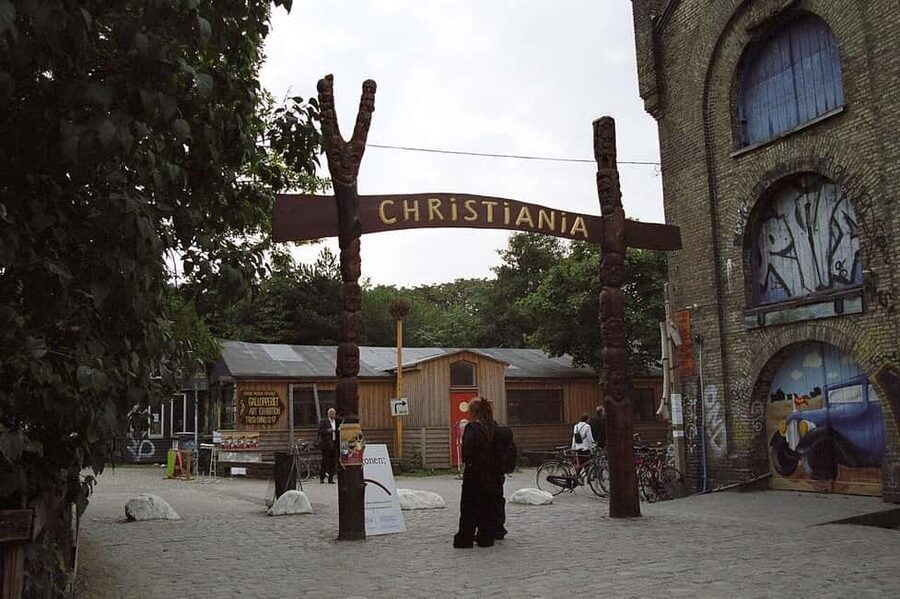
- Christiania pass-by: you’ll cycle near Freetown Christiania’s street art and alternative lifestyle area.
- Teen half-price discount: a nice perk if you’re traveling as a family with teenagers.
- 4 hours on the bike: it’s long enough to cover major sights, but expect it to still feel like cycling.
Price and what it really costs in Copenhagen
At $51 per person for about 4 hours with a French guide, this is priced like a solid city experience rather than a “take a look, take a photo” loop. The main thing to remember is what isn’t included: your bike and helmet.
In practice, that means your budget has two layers:
- The tour price ($51)
- Your bike rental (local shops rent bikes daily starting at €12)
If you already have a bike, or you’re staying somewhere that can rent bikes, your total cost stays straightforward. If you’re starting from scratch, budget for at least one day of rental. Helmets aren’t provided, though helmets are recommended, so if you don’t have one, you’ll likely want to bring it or rent/borrow one locally.
For value, the big question is whether you want guidance that explains the why behind Copenhagen—not just where things are. This tour leans hard on that, with the social-welfare model and city evolution as the story engine.
You can also read our reviews of more tours and experiences in Copenhagen.

Finding the meeting spot and catching your guide
You’ll meet the group in front of the Copenhagen Visitor Service in the Axelborg building. It’s very near the main entrance of Tivoli Garden and the SAS Skyscraper—which is handy because those are easy landmarks to navigate to.
The guide will be wearing a hat or cap, so you should spot them quickly once you’re standing outside.
The cycling portion ends back at the meeting point area, with the route finishing around the Round Tower. That makes it easier to keep your day simple afterward—no awkward “you’re dropped somewhere else” feeling.
The route mindset: you’re riding to understand Denmark
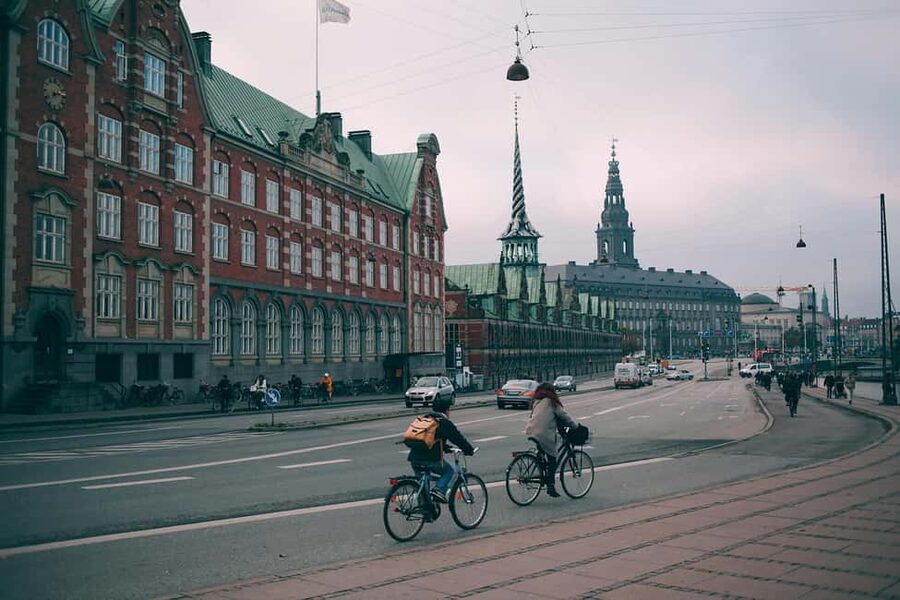
This isn’t a random grab-bag of famous stops. The tour is built to help you interpret what you see through a Danish lens:
- The social welfare model
- How the city’s planning and public choices changed over time
- How modern architecture and urban design fit into daily life
- And how cycling infrastructure—especially the recent bicycle bridges—is part of that story
If you like city tours where the guide connects dots, you’ll likely enjoy this more than a standard route. If you only want a quick hit of landmarks with minimal context, you might feel like the narration slows you down a bit. But in a good way: you’ll come away with an explanation for why Copenhagen feels the way it does.
Stop-by-stop: what you’ll do along the way
Below is how the pacing tends to work based on the stop types: some are sightseeing stops where you’ll slow down and look, others are pass by where you’ll ride past and keep momentum.
1) Starting area: Axelborg / Copenhagen Visitor Service
You’ll begin near Tivoli and the SAS Skyscraper, then get moving on a route that covers a wide slice of the city center. Before you roll out, take a minute to check that your bike setup is comfortable—especially if you rented. You’ll be glad you did when the tour settles into its rhythm.

2) Copenhagen City Hall (sightseeing)
City Hall is an early anchor. This is where the guide’s approach clicks into place: not just a landmark, but a starting point for talking about civic life and public structures in Denmark. Expect your guide to connect the building to how Denmark thinks about public responsibility.
A practical note: if you’re sensitive to crowds near big institutions, go steady on the pedestrian-y sections. The tour is by bike, but city centers still have foot traffic.
3) Christiansborg Palace (pass by)
You’ll pass by Christiansborg Palace while staying in motion. This stop is more about route flow than lingering. If you’re the type who wants time to stop for close looks, consider this a “check it from the bike” moment.
4) Copenhagen Stock Exchange (sightseeing)
This is one of the tour’s “why Copenhagen works” stops. The guide brings in the economic and geographic angles that make the city what it is. You’ll get context on Denmark’s broader systems rather than only looking at the exterior.
If you like a tour where the story shifts from government to commerce, this is a key transition.
5) Freetown Christiania (pass by)
Christiania is cycled past on the main route. You’ll head through the area associated with Freetown Christiania, famous for colorful street art and an alternative lifestyle.
Two things to keep in mind:
- This is pass by, so don’t expect a deep stop-and-explore moment.
- If you’re curious, the tour may spark questions, but it won’t replace a dedicated visit.
For some people, Christiania is the highlight. For others, it’s an atmospheric detour—still worthwhile, but not the full story.
6) Church of Our Saviour (sightseeing)
You’ll stop here for sightseeing. What makes this work on a bike tour is scale: by now you’ve covered enough ground that the city’s geography feels real. The guide will likely fold in Denmark’s social and cultural side, since religious landmarks are often used as reference points for how communities formed.
Plan for a short pause where you can step back and take in the surroundings without rushing.
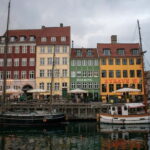
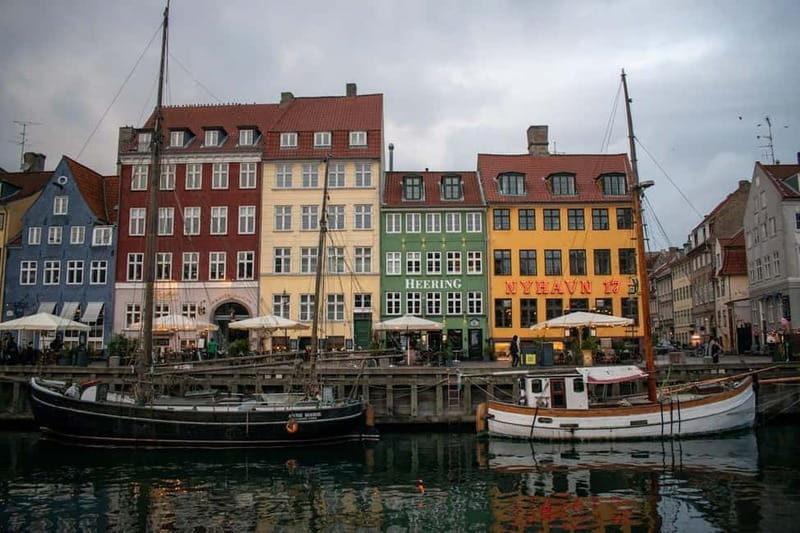
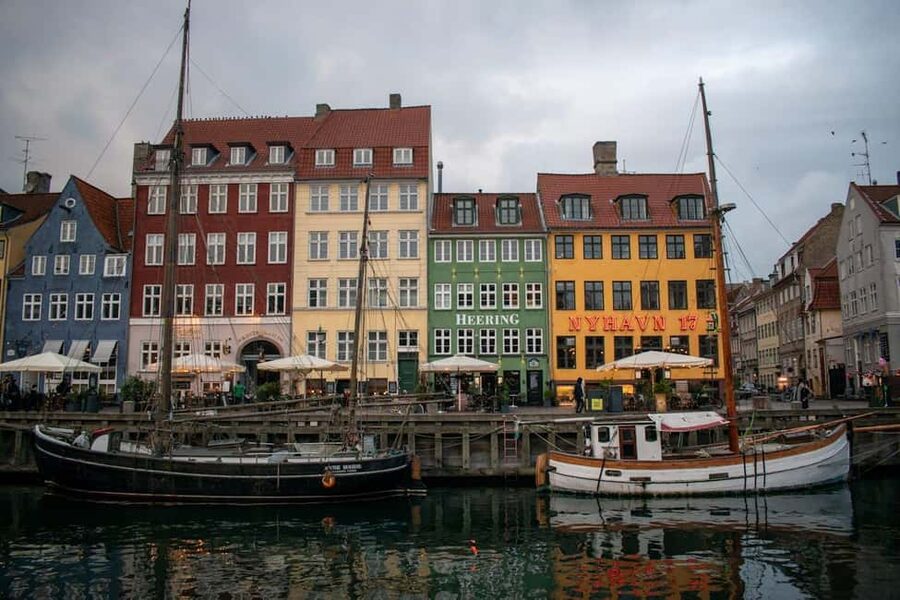
7) Nyhavn (pass by)
Nyhavn comes next as a pass-by moment. You’ll ride past an area most people recognize, but the value here is that you’re not just seeing it—you’re seeing it in sequence with what came before.
The drawback: if Nyhavn is your main must-see, a pass-by might feel too fast. If you’re happy snapping a few looks while continuing, it works well.
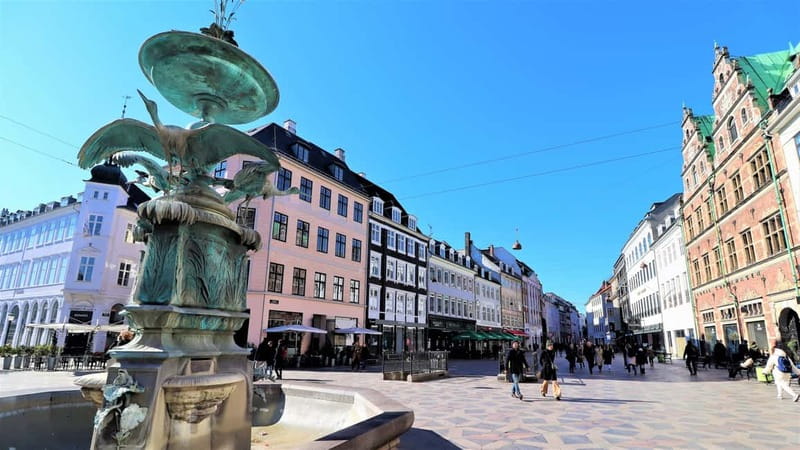
8) King’s New Square (pass by)
You’ll pass through King’s New Square. This is more of a navigation and city-structure moment than a prolonged photo stop. The guide’s narration helps you understand why these squares matter to how Copenhagen is organized.
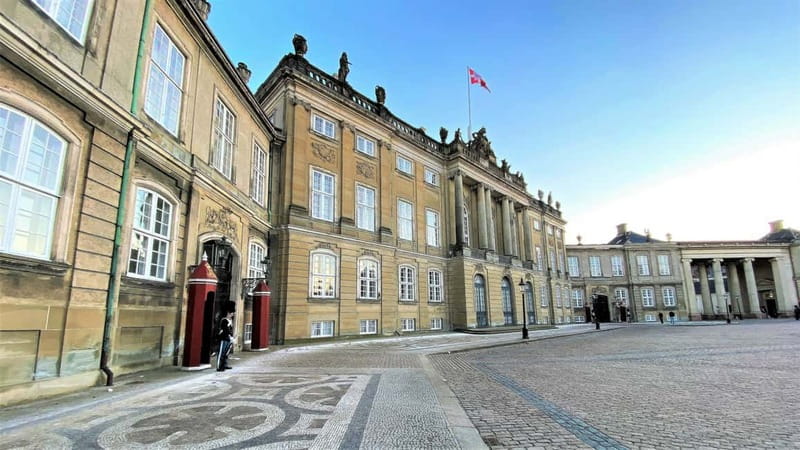
9) Amalienborg Palace (sightseeing)
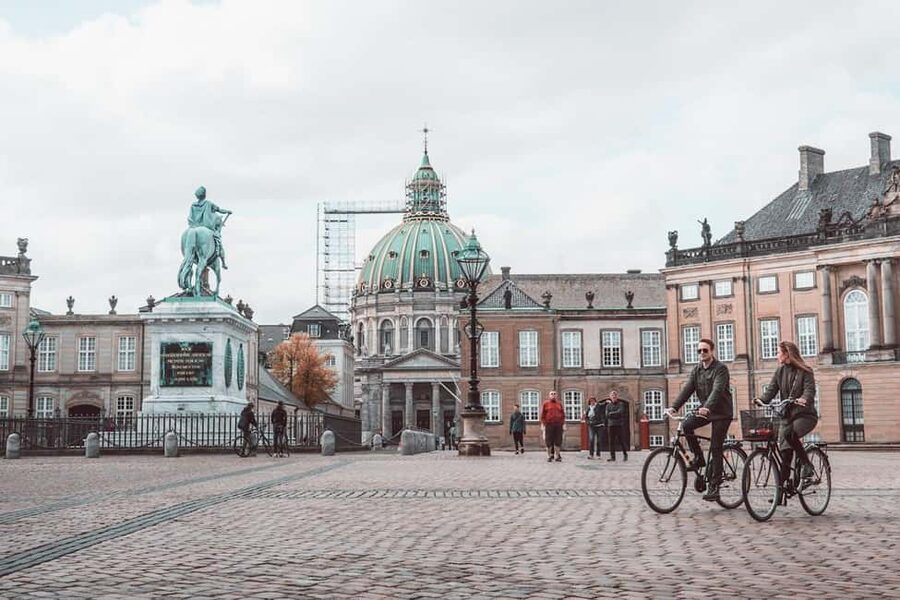
Amalienborg Palace is another sightseeing stop. This is where the guide’s coverage often becomes most “story-forward,” connecting how Denmark’s systems show up in physical places.
If you like royal history and civic identity, you’ll probably enjoy the pacing here because you’re not just watching from afar—you’re getting context.
10) Gefion Fountain (pass by)
Gefion Fountain is passed by. Think of it as another “notice it as you glide past” stop. On a bike tour, these pass-by moments help you keep momentum without turning the whole day into a series of short standstills.
11) The Little Mermaid (statue) (pass by)
The Little Mermaid appears as another pass-by stop. It’s famous, so expect plenty of onlookers in the wider area depending on time of day.
Because it’s pass by, your best move is to treat it like a quick recognition moment. You’ll get the sensation of the neighborhood without spending the tour’s most valuable time parked.
12) Rosenborg Castle (sightseeing)
Rosenborg Castle is a sightseeing stop near the end of the loop. By this point, you’ll likely be thinking: how did the city evolve, and why do these landmarks line up the way they do?
This is a good moment for the guide to pull the themes together—social structures, development choices, and modern-day city planning effects.
13) Finish near The Round Tower
You finish at the Round Tower area and return back toward the meeting point. Finishing here is a nice end cap because it feels like you’re still in the historical center, but you’ve already had time to see how the cycling network threads through it.
What the French guide does (that you’ll feel during the ride)
The strongest praise centers on the guide. The tour stands out because the narration doesn’t feel like a generic “name-and-facts script.” You’ll get French explanations that connect:
- historical angles
- social and political points
- geographic and economic context
That kind of structure matters on a bike tour because your brain is moving fast. When the guide gives you a framework, you don’t just remember where you stopped—you understand what those places mean.
Also, the group is limited to 10 participants, so you’re more likely to get answers to specific questions rather than being squeezed into silence.
Cycling with your own bike: make it comfortable or it stops being fun
The tour doesn’t provide bikes. That can sound annoying until you think about it the right way: you avoid the hassle of trying to ride a bike that fits nobody. You choose your size and your setup, which usually means less adjusting and more actual time riding and learning.
Still, there are a few things to plan:
- You’ll need cycling experience
- Bring your own bike, or rent one daily
- Helmets aren’t provided, so bring one if you have it (helmets are recommended)
Bike rental options exist in town starting around €12/day, but you’ll want to confirm size and comfort before you set out. If your rental is the wrong height or has odd brakes, you’ll feel it quickly on city streets.
Bicycle bridges: why one category of infrastructure changes the whole day
The tour includes recently constructed bicycle bridges. Even if you don’t obsess over engineering, these bridges change your experience in two practical ways:
- They often reduce friction in the route (less stop-and-go, better flow)
- They give you a new perspective as you cross parts of the city without detours
If you’re used to touring by foot, bridges also reframe distance. On a bike, crossing becomes a moment you can actually enjoy—especially when the guide narrates the urban planning behind the connection.
Who should book this bike tour in Copenhagen
You’ll likely have a great time if:
- You can ride confidently in city traffic patterns and don’t mind cycling for 4 hours
- You want a French-guided story of Copenhagen’s systems, not only its photos
- You like the idea of mixing classic sights with a perspective on Denmark’s social welfare model
- Your group is small enough that you’ll actually interact (it caps at 10)
You might want to skip or switch gears if:
- You don’t have cycling experience yet
- You’re unwilling to arrange your own bike rental
- You’re only after short landmark stops and would prefer a walking tour with more time at each site
Should you book this Copenhagen guided bike tour (French)?
If you want Copenhagen explained—why it works, how planning shaped life, and how cycling infrastructure fits into that story—this tour is a strong pick. The price makes sense when you consider what’s included (a French guide and guided route) and what’s not (bike and helmet), and the small group size helps it feel more personal.
Book it if:
- You’ll ride comfortably for 4 hours
- You can bring or rent a good-fitting bike
- French narration is a plus for your trip
Don’t book it if:
- You’re hoping for a hands-off tour with bikes supplied
- You need lots of time for each landmark beyond pass-by moments like Nyhavn and the Little Mermaid
FAQ
Is the tour guided in French?
Yes. The tour includes a live French guide.
Does the price include a bike and helmet?
No. The tour includes the guide and the bike tour, but it does not provide a bike or helmet.
Where do I meet the guide?
Meet in front of the Copenhagen Visitor Service in the Axelborg building, near the main entrance of Tivoli Garden and the SAS Skyscraper. The guide will be wearing a hat or cap.
How long is the bike tour?
It lasts 4 hours.
How big is the group?
The group is small, limited to 10 participants.
Do I need cycling experience?
Yes. This tour requires cycling experience and your own bike.
Can I rent a bike nearby?
Yes. Local shops in town rent bikes daily starting at €12, and rentals are also available at hotels, shops, or via app.
What sights are included on the route?
You’ll have sightseeing and pass-by moments including Copenhagen City Hall, the Copenhagen Stock Exchange, Church of Our Saviour, Rosenborg Castle, Amalienborg Palace, Nyhavn, King’s New Square, Gefion Fountain, the Little Mermaid (statue), and you’ll pass by Freetown Christiania.
Is there a discount for teenagers?
Yes. Teenagers get a half-price discount.
Where does the tour end?
The tour ends back at the meeting point area, with the route finishing around The Round Tower.