REVIEW · COPENHAGEN
Urban Design and Livability E-bike Tour
Book on Viator →Operated by City Bike Adventures · Bookable on Viator
Copenhagen rides like a design manifesto. This 3-hour e-bike tour strings together the waterfront, industry-to-park transformations, and day-to-day public life, with a licensed guide helping you read the city like a plan, not a postcard.
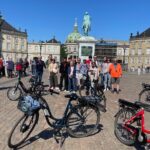
What I like most is the small group feel (up to 10 riders) and the way the route teaches practical ideas about how Copenhagen works. The second thing I really value is the in-person guide storytelling quality—names you could see listed include Basha, Mood, Luke, Pasha, Alex, and Rafael, and the common thread is strong explanations and good humor.
One thing to plan for: it’s still active biking, and most stops are brief (around 10 minutes). If you want lots of time to wander solo, this format may feel a touch fast.
In This Review
- Key highlights worth your attention
- Why Copenhagen’s livability shows up on a bike
- The “3 hours, 10 stops” format: fast, but not frantic
- Meeting point at Holbergsgade 12: get set up, then ride
- Copenhagen Opera House to CopenHill: culture on the water, sustainability with traction
- Christiania and Islands Brygge: freedom of expression meets city reinvention
- Meatpacking District and City Hall Square: design, dining energy, and civic pride
- TorvehallerneKBH and Nyhavn: food hall calories, then maritime color
- Ofelia Plads to The Playhouse: city beaches and sustainable Danish design
- Guides and group size: what makes it feel personal
- Price and value: why $78.10 works for a design-focused day
- Who should book this Copenhagen e-bike urban design tour
- Should you book this Urban Design and Livability E-bike Tour?
- FAQ
- How long is the Urban Design and Livability e-bike tour in Copenhagen?
- How much does the tour cost?
- Is lunch included?
- What is included, and do I need a helmet?
- How big is the group?
- Does the tour run in bad weather?
Key highlights worth your attention
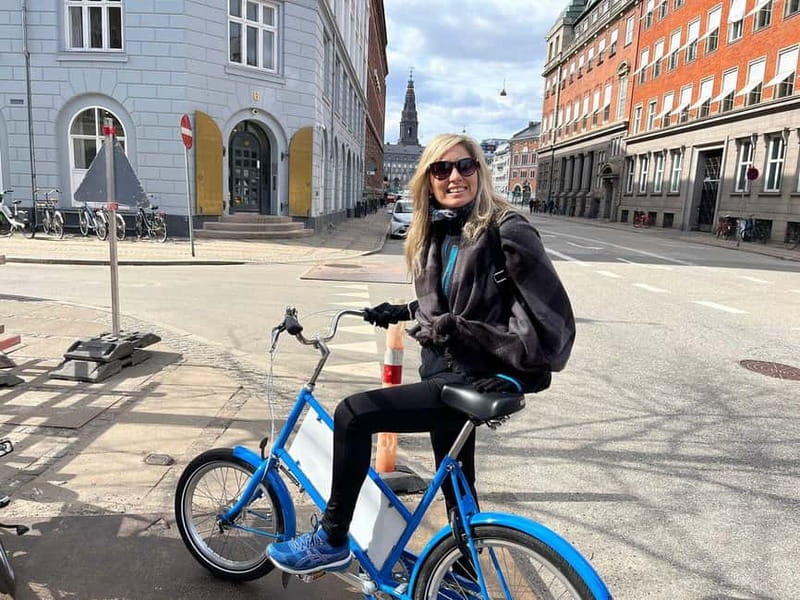
- Up to 10 riders keeps the pace friendly and the group easy to manage
- Free-to-see stops at major landmarks means your money goes to the ride and guide, not entry fees
- CopenHill’s “future sustainability” angle mixes recycling, sport, and public space
- Christiania’s freedom ethos adds an unusual social layer to the city’s design story
- Food + waterfront pairing: TorvehallerneKBH followed by Nyhavn gives you a satisfying rhythm
Why Copenhagen’s livability shows up on a bike
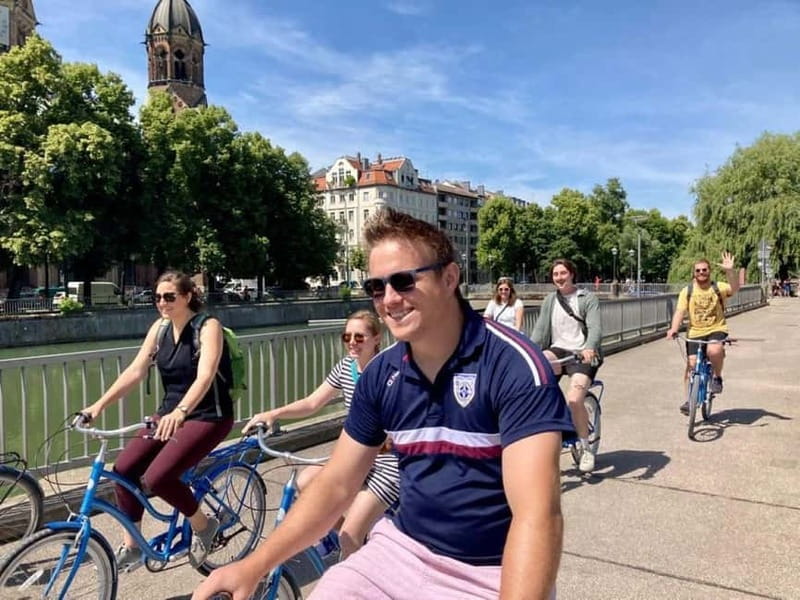
Copenhagen’s big secret is that it’s designed for people who move. On this tour, you’re not just looking at famous buildings. You’re getting a practical feel for how the city shapes daily life—where you can bike, where people gather, how public space is used, and why certain choices make the city easier (and nicer) to live in.
This route also matches the Copenhagen vibe: architecture and planning show up everywhere, from major landmarks to places that feel local and lived-in. The pacing helps, too. You get short stops to reset your eyes, then you roll on before the city gets dull.
You can also read our reviews of more tours and experiences in Copenhagen.

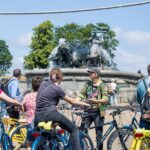
The “3 hours, 10 stops” format: fast, but not frantic
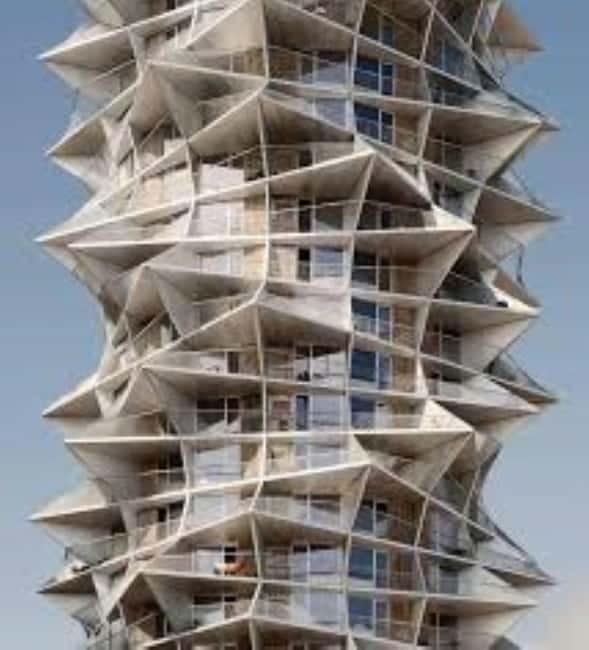
The tour is about 3 hours, and it’s structured around quick, focused photo and orientation moments—roughly 10 minutes at each stop. That time split matters. It keeps you moving through different neighborhoods quickly enough to see patterns, but it still gives you enough minutes to notice details.
You’ll start and end back at the meeting point, so you’re not constantly re-navigating. And since the itinerary is mostly outdoors, you’re getting a true “city on the move” experience rather than a sit-and-stare museum day.
Practical note: there are no meals included. You can grab food before you go or during the tour if something catches your eye.
Meeting point at Holbergsgade 12: get set up, then ride
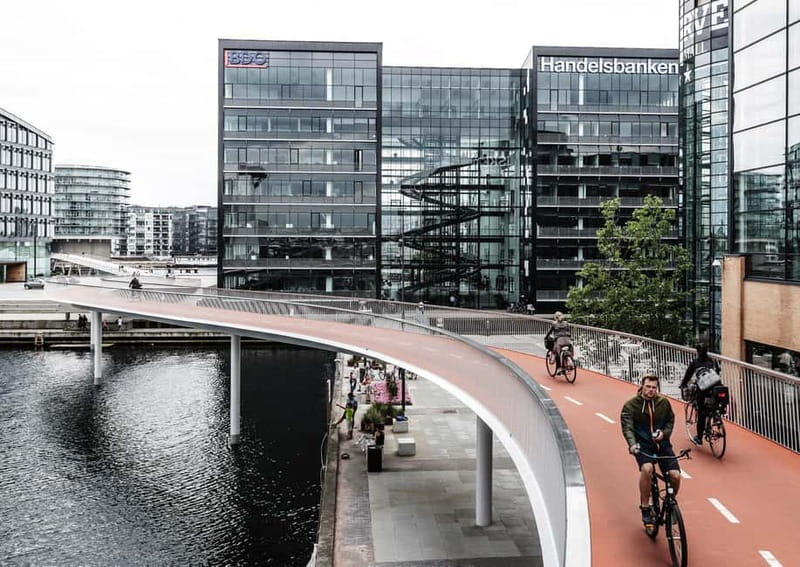
You meet at Holbergsgade 12, 1057 København and the start time is 11:00 am. The location is listed as being near public transportation, which is useful if you’re mixing modes during the day.
Bring whatever makes cycling comfortable for you (water, sunglasses, a light layer). Helmet use is optional—so if you prefer one for comfort, you can bring your own—but the tour does include a helmet option. The electric bike support also helps if you don’t want your trip to turn into a workout.
Copenhagen Opera House to CopenHill: culture on the water, sustainability with traction
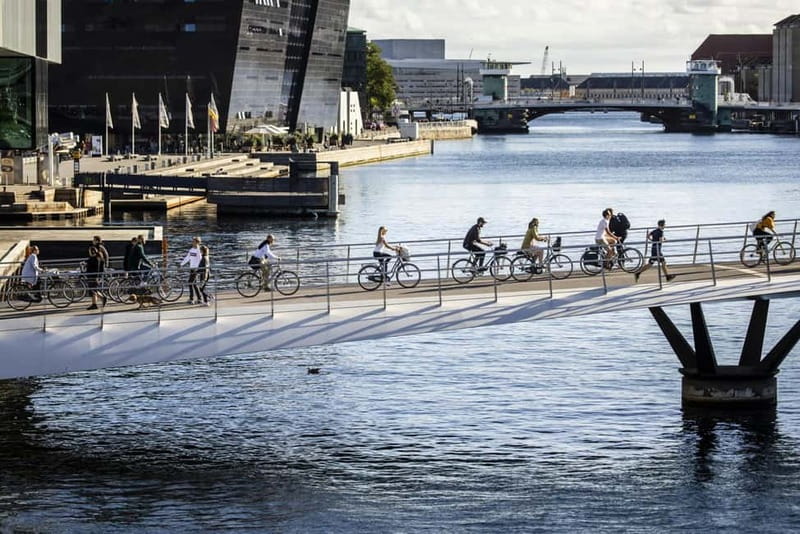
Stop 1 is the Copenhagen Opera House by the waterfront. It’s a modern landmark that signals how Copenhagen treats public-facing culture: visible, walkable, and designed to sit comfortably in the city’s daily flow. Even if you only get a quick look, it’s a strong first visual because it frames the ride as a “how the city thinks” experience, not just a sightseeing checklist. Admission here is free.
Next up is CopenHill, the recycling plant that also plays like a sports venue. This stop is memorable because it’s not a typical industrial site. It’s got a ski slope, a running track, a climbing wall, and a cafe—so the message is clear: sustainability doesn’t have to be gray and distant. It can be public, active, and part of the skyline. Admission is listed as free as well, which makes the time feel especially efficient.
If you like design that mixes functions, this is one of the stops you’ll remember later when you start noticing Copenhagen’s environmental choices everywhere else.
Christiania and Islands Brygge: freedom of expression meets city reinvention
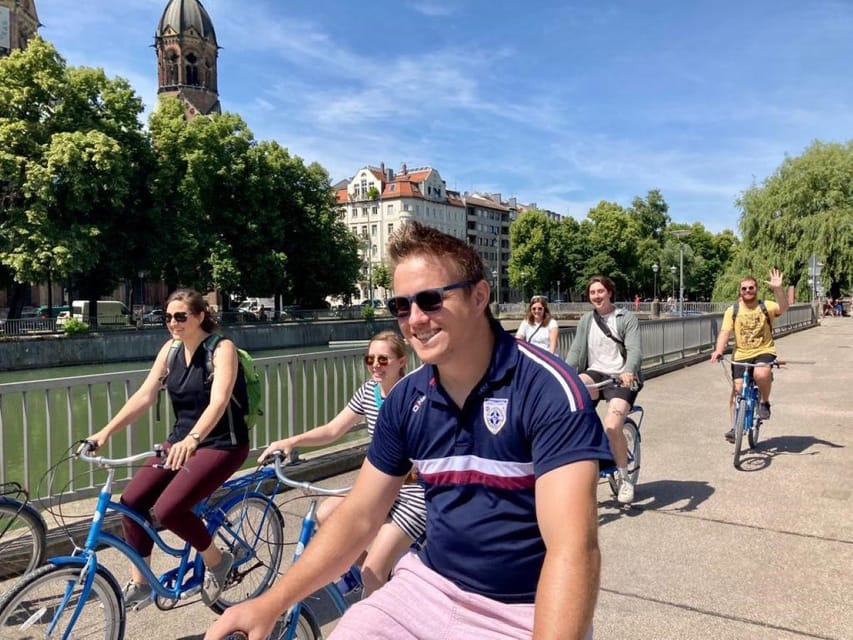
Then you roll to Christiania. This community is built around individual freedoms: freedom of choice, freedom of expression, and artistic freedoms. The value here isn’t only the controversy people talk about online. It’s how Christiania adds a human-scale layer to the city’s design story. It reminds you that livability isn’t just bike lanes and architecture—it’s also social rules, culture, and how people build space together.
From there you head to Islands Brygge, once a more rundown industrial zone now known for greener spaces, swimming areas, and innovative architecture. This is a great contrast to Christiania because the transformation feels city-planned and outward-looking. You can think of it as Copenhagen showing how it turns underused edges into places where people actually go in daylight.
Both stops are free to experience during the tour, and each one gives you a different kind of “why this works” answer—community culture on one side, waterfront redevelopment on the other.

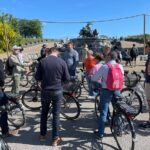
Meatpacking District and City Hall Square: design, dining energy, and civic pride
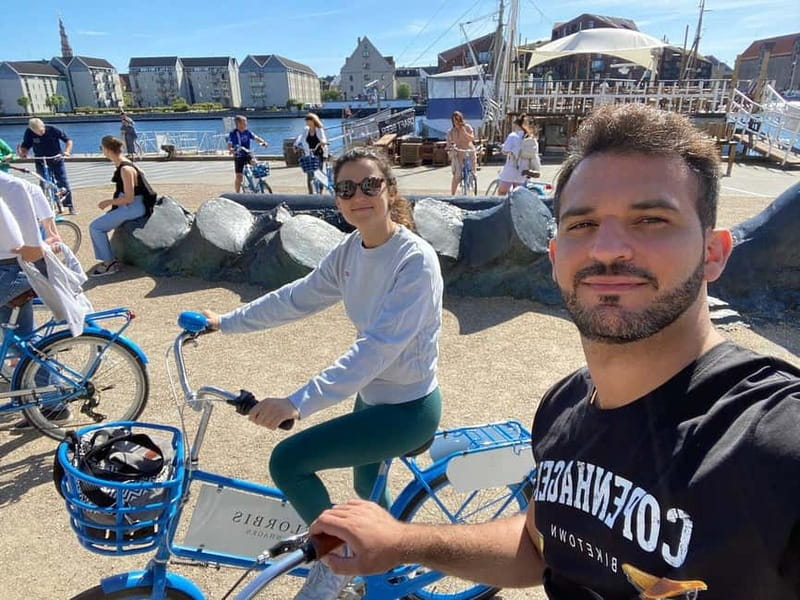
The Meatpacking District Copenhagen is next, and it’s an interesting stop for an urban design tour because it shows how neighborhoods evolve after their original jobs fade. This area used to be tied to butchers’ quarters. Now it’s a mix of artistic energy and culinary mastery, so the street life is part of the story. Admission is free for the stop, and the payoff is more about atmosphere and urban texture than a single building.
Then you reach City Hall Square, right next to Copenhagen’s City Hall and near world-famous Tivoli Gardens. This is where the city’s “public center” identity becomes obvious. Squares matter in livability because they’re the living room of the city—places where people meet, wait, celebrate, and do everyday social stuff.
A quick stop here works well because it sets the tone for what you’ll see in the next areas: the ride will keep switching between iconic landmarks and places where everyday life is the main attraction.
TorvehallerneKBH and Nyhavn: food hall calories, then maritime color
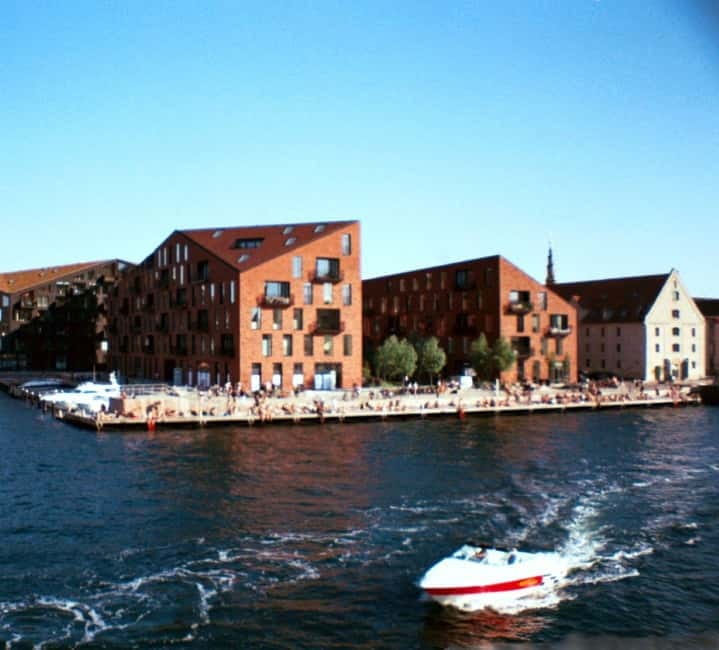
Stop 7 is TorvehallerneKBH, and if you like real food stops over staged attractions, this is worth paying attention to. Copenhagen’s food halls are known for a reason: they offer Danish and international options for different tastes. The tour stop is short, but it’s enough to orient you and help you decide what to hunt later. Admission for this stop is free, which makes it a smart use of tour time since you’re not paying entry fees just to step inside.
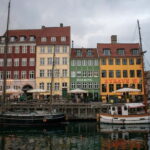
Then comes Nyhavn, the colorful canal that’s still tied to the city’s maritime story. This canal has a long timeline—around four hundred years old—and it feels like Copenhagen’s past speaking in a very walkable way. It’s easy to take photos here, but the real benefit is understanding how the waterfront becomes a public gathering space instead of something closed off.
Together, these two stops hit two sides of Copenhagen life: “what we eat” and “where our city came from.”
Ofelia Plads to The Playhouse: city beaches and sustainable Danish design
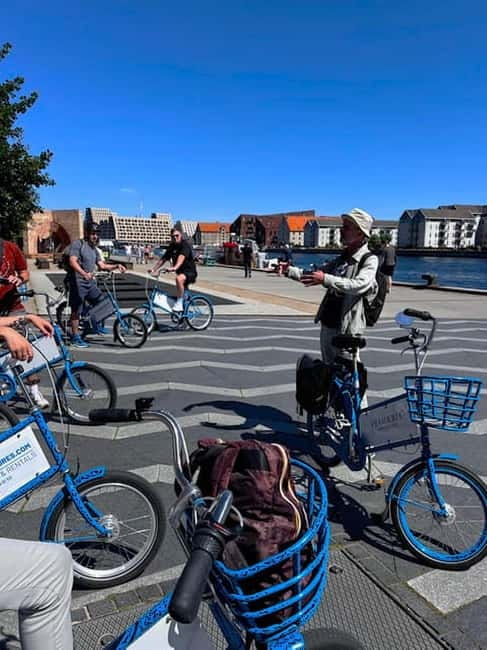
Next is Ofelia Plads, a man-made beach in the heart of the city. The practical value here is that it shows how Copenhagen treats hot-weather life: people swim, sunbathe, socialize, and attend cultural activities in a space that works as both recreation and community. It’s an example of livability design done at human scale—water close to the city center, without needing a long trip outside town. Admission is free.
Finally, you end at The Playhouse (the Royal Playhouse), described as an example of sustainable Danish design and a place that reflects Copenhagen’s character as a city open to all. Even with just a short stop, the idea lands: sustainability and inclusiveness aren’t only policies. They’re visible in how buildings are designed and how public institutions show themselves.
It’s a fitting ending because you finish with the same theme you started with—design shaping behavior.
Guides and group size: what makes it feel personal
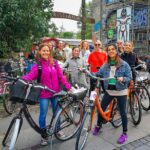
This tour keeps things under 10 travelers, and that matters more than people expect. A smaller group means your guide can answer questions on the fly, slow down when someone spots a detail, and keep everyone together without turning the ride into a race.
The guide quality is also a major part of the experience. Names you may see in this program include Basha, Mood, Luke, Pasha, Alex, and Rafael—and the consistent pattern is strong city storytelling: architecture and design concepts, plus how those ideas connect to everyday Danish life. One guide is even referenced for connecting the architecture story with local culinary insights, which is a fun angle because it ties the built environment to how people actually spend time.
Electric bikes help keep the group together too. For many people, that turns the tour into a smooth city walk with wheels, rather than a biking slog.
Price and value: why $78.10 works for a design-focused day
At $78.10 per person for about 3 hours, you’re paying for three things: the e-bike, the licensed in-person guide, and the ride plan that links neighborhoods you might not connect on your own.
A big value point here is that admission is listed as free at the stops. That means your cost isn’t quietly stacking up behind the scenes. Also, the tour includes bicycle use and an optional helmet, so you aren’t scrambling to source basic gear mid-trip.
This one also tends to be booked ahead—about 23 days in advance on average—which suggests it’s popular enough to plan early. If you care about a specific day and you’re traveling during peak periods, reserving sooner tends to reduce stress.
Who should book this Copenhagen e-bike urban design tour
I’d point you toward this tour if you:
- Want a quick, coherent introduction to Copenhagen’s design logic across multiple neighborhoods
- Like architecture, planning, and the way public space shapes behavior
- Prefer seeing several areas in a single outing without spending your whole day commuting
It may not be your best fit if you:
- Want long museum-style stops or lots of unstructured wandering
- Are sensitive to short riding segments and brief stops (the time at each stop is about 10 minutes)
Should you book this Urban Design and Livability E-bike Tour?
If your goal is to understand Copenhagen fast—how it works, why it feels livable, and how different neighborhoods express the same values—this is a smart, efficient choice. The route balances big landmarks with real city textures: water, food, civic spaces, community identity, and sustainability that isn’t stuck behind fences.
Book it if you enjoy guided storytelling and want to cover a lot of ground with manageable effort. Skip it if you’re looking for deep time in one place. For most people doing Copenhagen for the first time, this format hits a sweet spot: three hours, clear contrasts, and a city you start reading differently right away.
FAQ
How long is the Urban Design and Livability e-bike tour in Copenhagen?
The tour lasts about 3 hours.
How much does the tour cost?
The price is $78.10 per person.
Is lunch included?
No. No food or beverages are provided, but you can buy food before and during the tour.
What is included, and do I need a helmet?
The tour includes use of the bicycle and a licensed or certified in-person guide. A helmet is optional.
How big is the group?
There’s a maximum of 10 travelers.
Does the tour run in bad weather?
It requires good weather. If it’s canceled due to poor weather, you’ll be offered a different date or a full refund.