REVIEW · COPENHAGEN
Urban Design and Livability E-bike Tour
Book on GetYourGuide →Operated by City Bike Adventures · Bookable on GetYourGuide
Copenhagen is a city you can pedal through. This 3-hour Urban Design and Livability e-bike tour shows how planning shapes daily life, using easy electric bikes to connect you with architecture, streets, and the idea of hygge. You’ll start from a shop right near Nyhavn, and the small-group size keeps the ride friendly and question-friendly.
I love two things most: the tour’s clear focus on livability (not just sightseeing), and the way the guide explains how people actually use public space—on bicycles and on foot—to stay connected. I also like that the group stays small (max 10), so you’re not lost in a crowd while you learn what makes Copenhagen feel livable.
One consideration: this is a bike tour, and it’s designed for adults who can comfortably ride for the full three hours. It’s not suitable for children under 10, babies under 1, or people over 70.
In This Review
- Key Points You’ll Care About
- Starting at Holbergsgade: Close Enough to Feel Local Fast
- How Urban Design Turns Into Real Life on Two Wheels
- The 3-Hour Route Rhythm: Orientation, Outside-Centre Streets, and a Design Wrap-Up
- Architecture and Streetscapes: What to Look For as You Ride
- Off the Beaten Path Without Getting Lost
- Price and Value: Is $71 Worth 3 Hours?
- E-Bikes, Pace, and Who This Tour Suits Best
- Should You Book This Copenhagen Livability E-Bike Tour?
- FAQ
- How long is the Urban Design and Livability e-bike tour?
- How much does the tour cost?
- Where do I meet the guide?
- Are the e-bikes difficult to ride?
- Is the tour guide available in English?
- Is the group size small?
- Are helmets included?
- What about rain?
- Is food or drink included?
- Who is the tour not suitable for?
Key Points You’ll Care About
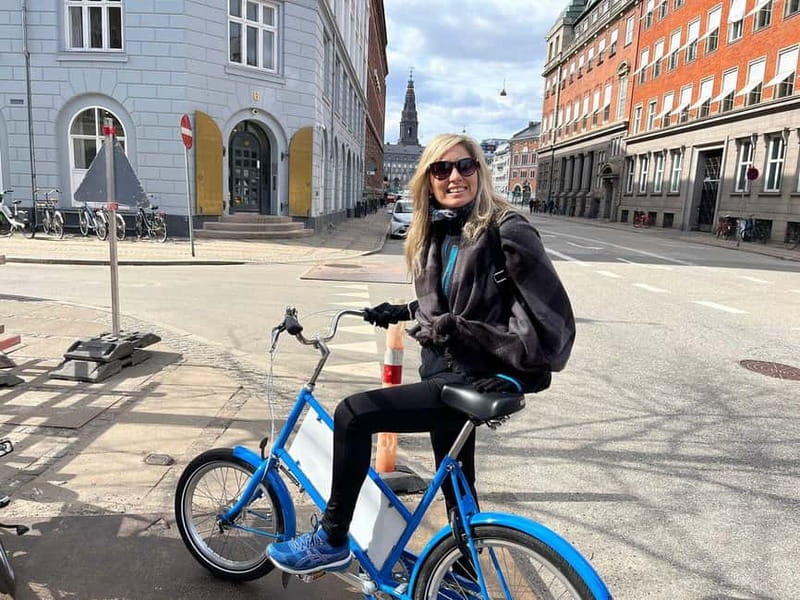
- Easy-to-ride e-bikes make the learning curve small and the experience more relaxed.
- Urban planning + design explain Copenhagen’s “why,” not just the “what.”
- Small groups (10 max) help you ask questions and actually hear the answers.
- Central start near Nyhavn means you’re close to the action before you even roll out.
- Architecture, modern developments, and historic landmarks appear as part of one big urban story.
- Rain ponchos are included, so weather is less of a deal-breaker.
Starting at Holbergsgade: Close Enough to Feel Local Fast
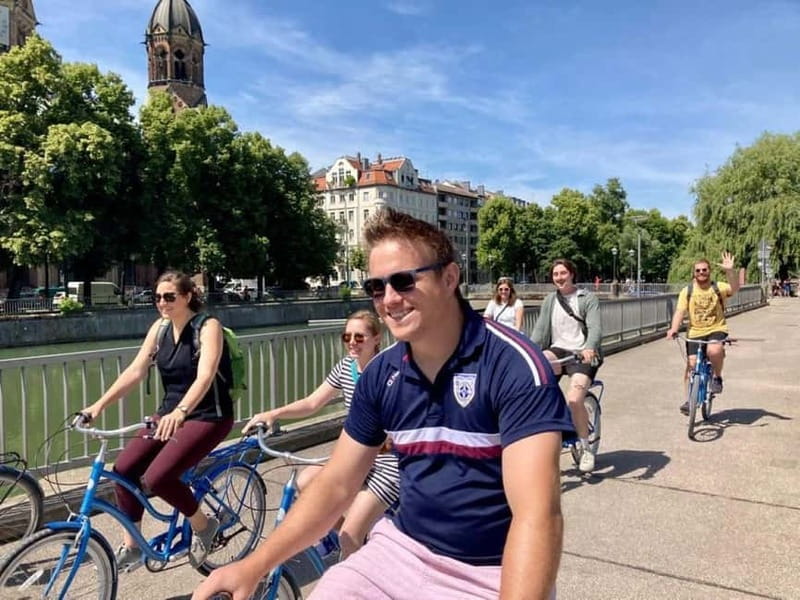
The meeting point is inside the shop on the corner of Holbergsgade and Peder Skrams Gade. It’s a handy location because you’re near the Nyhavn area, so you’re not spending your first hour commuting across town.
Right away, you’ll get the basics: an easy-to-ride e-bike (and optional helmets), plus rain ponchos if the sky looks questionable. This matters because it shifts the vibe from logistics mode into observation mode. The tour is built around seeing how Copenhagen works at street level, so you want your brain on “what’s happening here?” rather than “how do I start this bike?”
Plan to arrive about 10 minutes early. Not because it’s fussy—because a calm check-in sets you up for a smoother ride.
You can also read our reviews of more tours and experiences in Copenhagen.

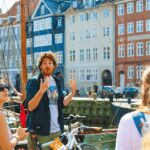
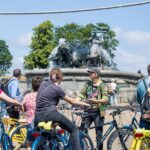
How Urban Design Turns Into Real Life on Two Wheels
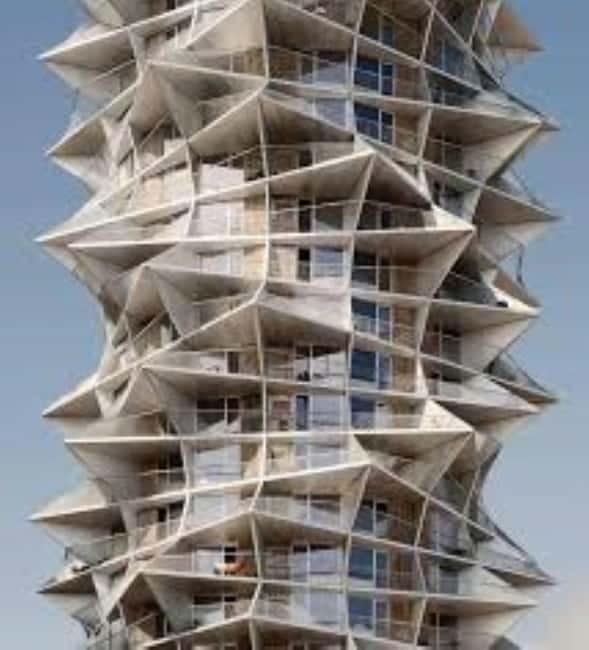
Copenhagen’s reputation as one of the most livable cities isn’t just marketing. On this tour, you’ll learn how the city’s planning supports movement by bicycle and walking, and why that changes the atmosphere of a place.
Here’s what makes this tour different from a typical history loop: it treats the street as the main character. You’ll be riding through areas where everyday activity is visible—people moving around, meeting, pausing, and using public space. That’s the “Copenhagen-way-of-life” the tour keeps coming back to.
You’ll also hear the health and wellbeing angle. The tour emphasizes how physical surroundings affect our mood and comfort—and that’s not abstract. When a city is set up for safe, everyday travel, people spend more time out in public and less time stuck in stressful transport. On a bike, you can spot those design choices quickly because you’re traveling at a pace that lets you notice details.
A practical bonus: because the group is small and the e-bikes are easy, you can keep up without turning the ride into a workout. That means you can actually absorb the urban design explanations as you go.
The 3-Hour Route Rhythm: Orientation, Outside-Centre Streets, and a Design Wrap-Up
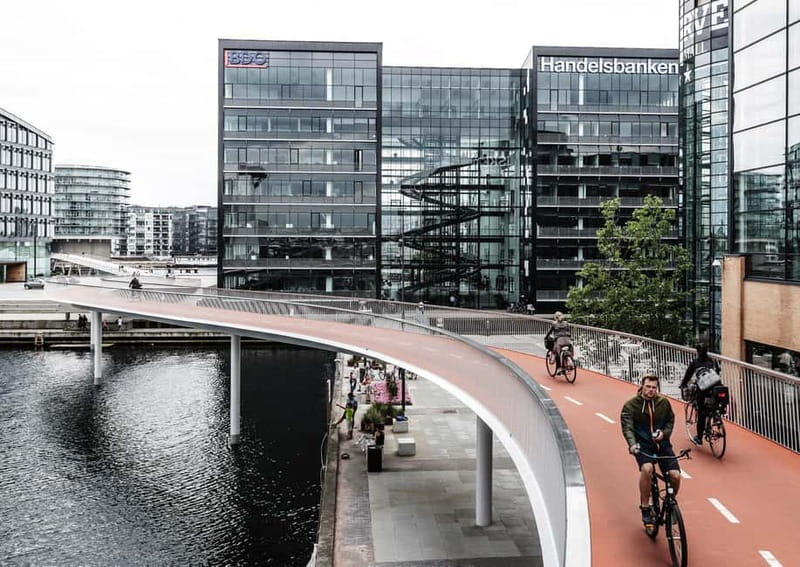
The tour is paced for learning over speed. You’ll experience the city in phases, moving from the familiar central area toward spaces outside the core, then back again with time for questions.
Early part: get your bearings and learn the lens.
Before you go far, the guide frames what you’re meant to notice: streetscape choices, the relationship between buildings and movement, and how urban design shapes daily behavior. The e-bike helps here because it lets you focus on the street instead of fighting hills or tight turns.
Middle part: areas outside the city centre.
This is where the tour earns its off-the-main-track feeling. You’ll explore various parts beyond the core and discover lesser-known historic landmarks, plus modern developments. The “hidden” part here isn’t secrecy—it’s that the ride takes you where normal sightseeing routes often skip. You’ll also get that sense of locals using spaces as part of their routine, not as an attraction.
Later part: architecture + the hygge connection.
The guide weaves in themes around architecture, design, and urban planning, with hygge showing up as more than a word. Hygge is often sold as cozy vibes, but on this tour it’s used as a lens for how spaces feel for people—how design encourages comfort, social contact, and easy public life.
End: questions while it’s still fresh.
The tour explicitly encourages you to ask questions, and the guides are described as eager to answer. This is a big deal because urban planning can feel technical when it’s read as theory. Ask practical questions as they come up, and you’ll leave with clearer ideas about how Copenhagen thinks.
Architecture and Streetscapes: What to Look For as You Ride
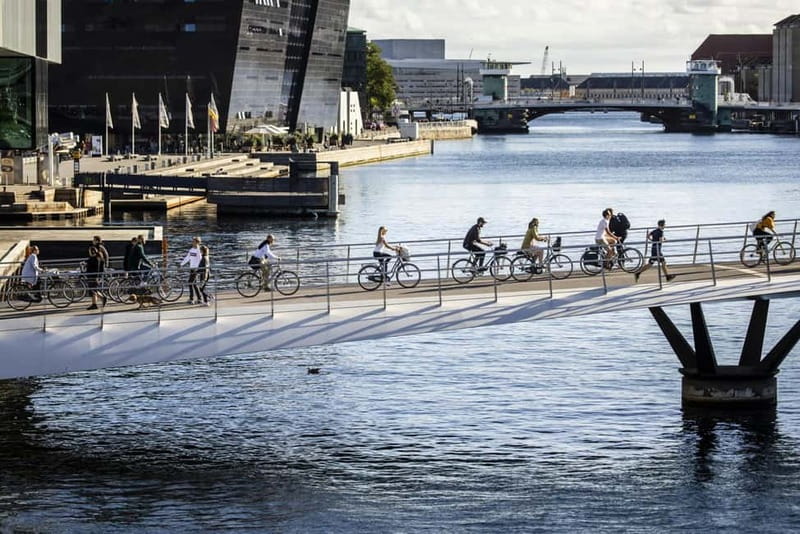
Even with no named stops listed, you can still get a lot out of the ride if you know what to watch for. The tour’s theme is architecture and urban planning, so your job is basically to look at how buildings meet daily movement.
Here are the most useful things to pay attention to:
- How public space invites people to stay. If the city design makes it easy to pause and connect, you’ll see it in how people use sidewalks and shared areas.
- Where modern development fits next to older structures. The tour includes both historic landmarks and modern developments, so you can compare how the city evolves without losing its human scale.
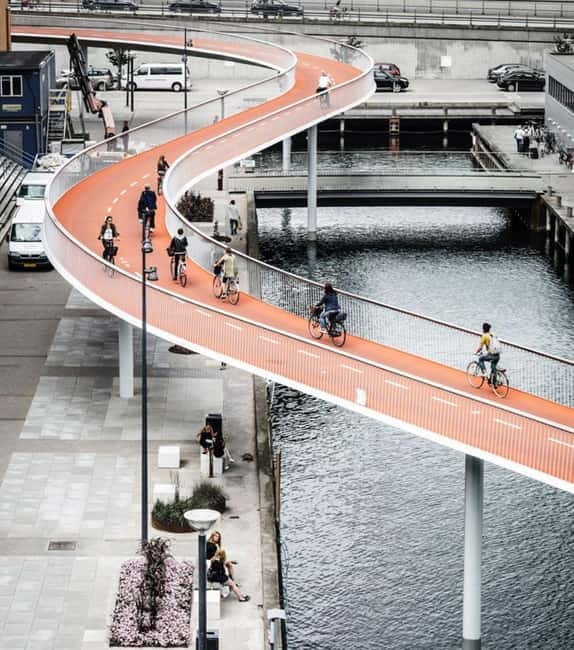
- How streets encourage walking and cycling together. The tour leans hard on the idea that Copenhagen’s planning makes bikes and feet part of the normal rhythm, not a special activity.
- Where the city feels comfortable at street level. That’s where hygge becomes visible: not in candles and scarves, but in how a place supports everyday wellbeing.
This is also where a good guide earns their bike time. In the feedback you’ll come across names like Alex and Federico, and they’re credited with explaining the subject in a lively, varied way—clear enough to understand, entertaining enough to stay awake when you’re learning about urban design for the first time.
Off the Beaten Path Without Getting Lost
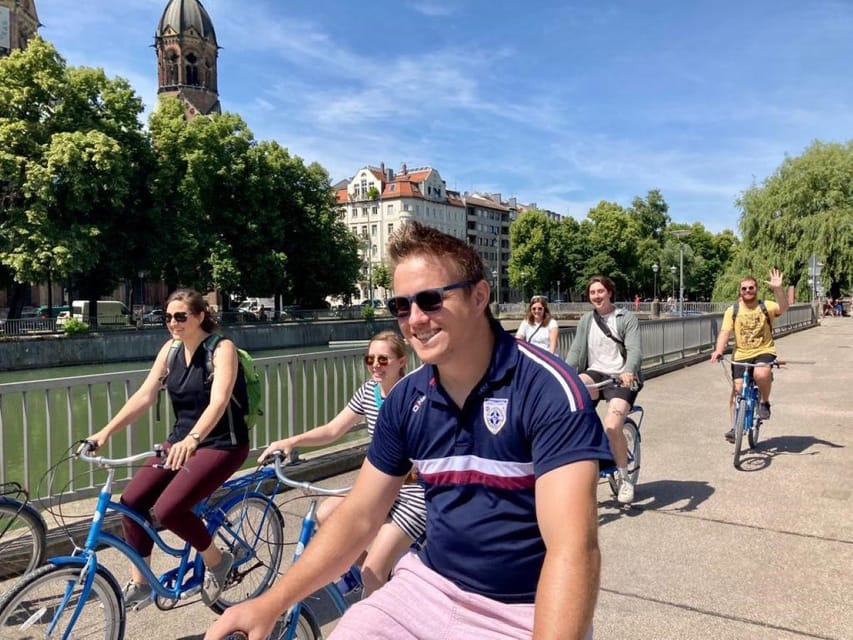
One risk with many “design” tours is that they can turn into a lecture. This one avoids that by keeping you moving and by steering you toward areas beyond the centre.
What makes it feel off-the-beaten-path is the combination of:
- easy e-bike access,
- a small-group size (so you don’t get stretched out),
- and a design focus that highlights everyday use.
Instead of just pointing at sights, the guide connects what you’re seeing to the livability story: why certain planning choices encourage community and mobility.
And because Copenhagen is practically made for cyclists, you get to experience the city as intended: on wheels, at street speed, with the chance to notice how people interact.


Price and Value: Is $71 Worth 3 Hours?
At $71 per person for a 3-hour tour, the value comes from what’s included and what you avoid paying separately.
You do get:
- the easy-to-ride e-bike,
- an expert tour guide,
- optional helmets,
- and rain ponchos.
You do not get food, drinks, or entry tickets to venues. So if you’re expecting a tour that includes lunch or museum admission, you’ll need to plan that separately.
Here’s how I’d judge the price in plain terms:
- If you want Copenhagen design and livability explained while you ride, you’re buying a guide’s time plus the cost of an e-bike.
- If you already know you’ll take an e-bike anyway, this becomes a way to turn that rental into a structured learning experience rather than just transportation.
For most people, the biggest “value” factor is time. Three hours is long enough to get outside the centre and come back with real context, but short enough that it doesn’t feel like a full-day commitment. In a city where transport is fast, that matters.
E-Bikes, Pace, and Who This Tour Suits Best
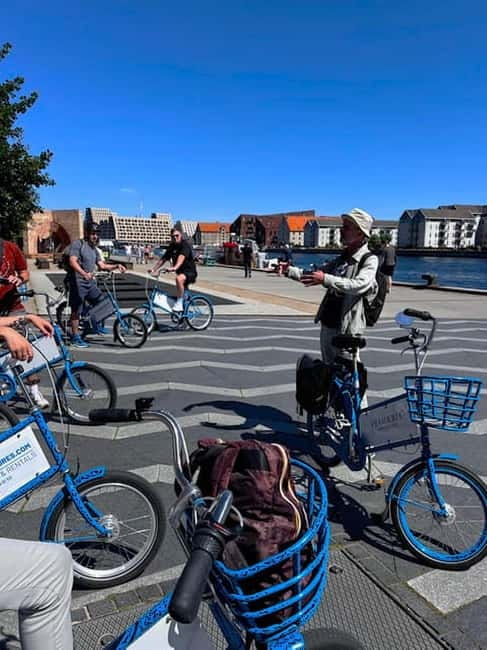
The ride is built for accessibility in the practical sense: easy-to-ride e-bikes help you keep the pace without draining energy. That makes the tour friendlier than classic cycling tours, especially if you’re not a confident cyclist.
But it still is a bike tour. Keep these points in mind from the activity’s rules:
- not suitable for children under 10,
- not suitable for babies under 1,
- and not suitable for people over 70.
If you fall into the allowed age range and you’re comfortable riding a bike for a few hours, this is a strong option—especially if you like explanations and you want context for what you’ll see later on your own.
It also makes sense if you’re the type who enjoys city design—street layouts, public spaces, and the way architecture affects daily life. You’ll get more out of it if you like asking questions, because the guide is set up for that interactive style.
Should You Book This Copenhagen Livability E-Bike Tour?
Yes, with a few smart caveats.
Book it if:
- You want Copenhagen beyond the usual postcard loop, with urban planning and architecture as the main theme.
- You like learning by moving—seeing a concept in real streets rather than only reading about it.
- You prefer a small group (10 max) so your questions actually land.
- You’d rather let an e-bike handle the work while you focus on what the city is doing right.
Skip it if:
- You’re not comfortable riding for three hours, or you’re outside the stated age suitability rules.
- You’re looking for food and big-ticket attractions included in the price.
If you’re curious about why Copenhagen feels so easy to live in, this is one of the more practical ways to get the answer—on two wheels, with a guide steering you toward what matters.
FAQ
How long is the Urban Design and Livability e-bike tour?
It lasts 3 hours.
How much does the tour cost?
The price is $71 per person.
Where do I meet the guide?
You meet at the shop inside the corner of Holbergsgade and Peder Skrams Gade. Check in inside the store.
Are the e-bikes difficult to ride?
The tour includes easy-to-ride e-bikes.
Is the tour guide available in English?
Yes. The live tour guide speaks English.
Is the group size small?
Yes. The group is limited to a maximum of 10 participants.
Are helmets included?
Helmets are optional and included with the activity.
What about rain?
Rain ponchos are included in case of rain.
Is food or drink included?
No. Food and drinks are not included.
Who is the tour not suitable for?
It is not suitable for children under 10, babies under 1, or people over 70.