REVIEW · BATTAMBANG
Customs and Culture Half Day Walk and Bike Tour in Battambang
Book on Viator →Operated by Soksabike · Bookable on Viator
Battambang runs on morning routines, and this tour connects you to them. I love the mix of everyday village life (nets, rice fields, dried fish) and a temple chat with a newly-trained monk, all at a relaxed pace on imported mountain bikes. One thing to consider: you’ll have tuk-tuk pickup, but the tour notes say you won’t get a hotel drop-off at the end.
This is a 3 to 4 hour half-day that starts at 7:30 am, with a small group size (maximum 8 travelers) and a mobile ticket. If you’re the type who gets more out of people and daily work than landmarks, you’ll likely enjoy how often this tour turns into conversation.
Dress for rural settings and bring comfort items: cover your shoulders out of respect, use sunscreen, and plan to carry your own things since the bikes don’t have baskets. I also like that the guide team is English-speaking and first-aid certified, so the “culture” part never feels unsafe or chaotic.
In This Review
- Key reasons this works
- Getting your bike and bearings with Soksabike
- Muslim fishing village life: nets, dried fish, and roles you can see
- Rice fields and food at work: from rice paper to bamboo cooking
- Temple time: Theravada Buddhism and a conversation with a monk
- Khmer crash course: the small language that changes everything
- Lunch with a local family and why the value feels real
- Pace, comfort, and the one logistical catch
- Who this tour suits best (and who should think twice)
- Should you book this Soksabike customs and culture bike tour in Battambang?
- FAQ
- How long is the Custom and Culture Half Day Walk and Bike Tour in Battambang?
- What does the tour cost?
- Do I get pickup from my hotel?
- What time does the tour start?
- Is the tour conducted in English?
- What should I wear or bring?
Key reasons this works
- Imported mountain bikes (Giant, Trek, GT) make the ride comfortable for a half-day outing
- Muslim fishing village + Theravada temple gives you a clear culture comparison in one morning
- A monk conversation adds context to what you’d otherwise only see from outside
- Basic Khmer crash course helps you greet people in their language, not just take photos
- Home-style food and family support add meaning beyond sightseeing
- Small group size keeps it personal and lets the guide slow down when you have questions
Getting your bike and bearings with Soksabike
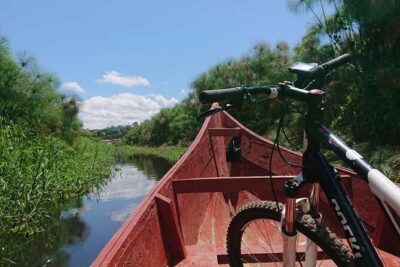
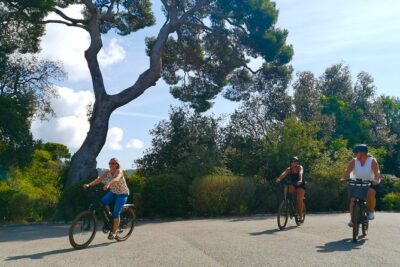
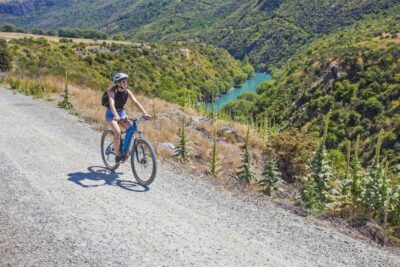
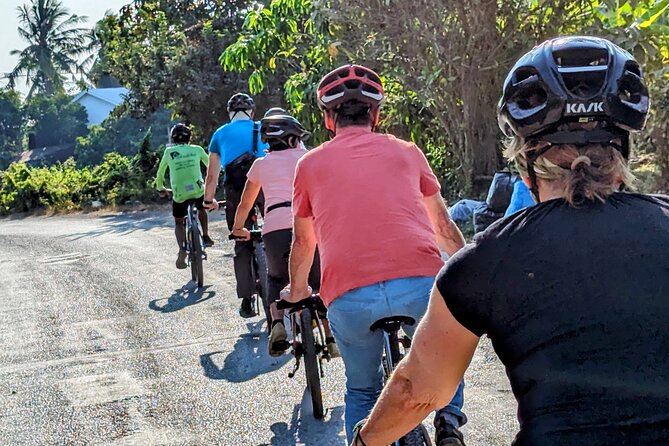
This starts at Soksabike, where you get your helmet and your bike—high-quality mountain bikes from brands like Giant, Trek, and GT. You’ll also get a safety-first briefing from an English-speaking, first-aid certified local guide, which matters on rural roads where things can change fast.
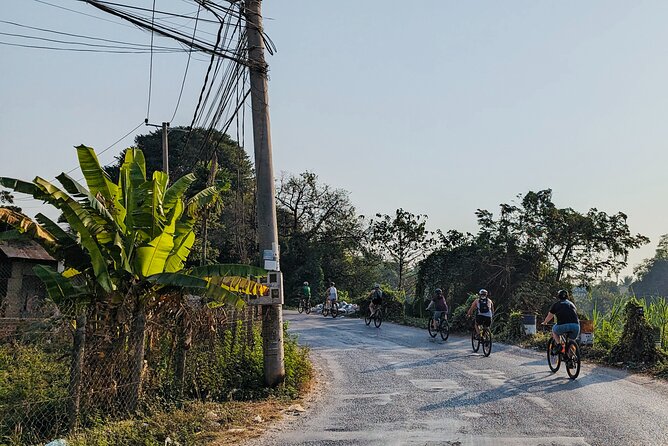
The ride is designed so you’re moving through the countryside without feeling rushed. You’ll also do a quick crash course on basic Khmer, which is less about memorizing phrases and more about getting the rhythm of greeting people properly.
Practical tip: the bikes don’t have baskets, so bring a small backpack for your camera, water extras, or anything you need easy access to. Sunscreen is a must—this tour starts early, but you’re outside the whole time.
You can also read our reviews of more tours and experiences in Battambang.

Muslim fishing village life: nets, dried fish, and roles you can see
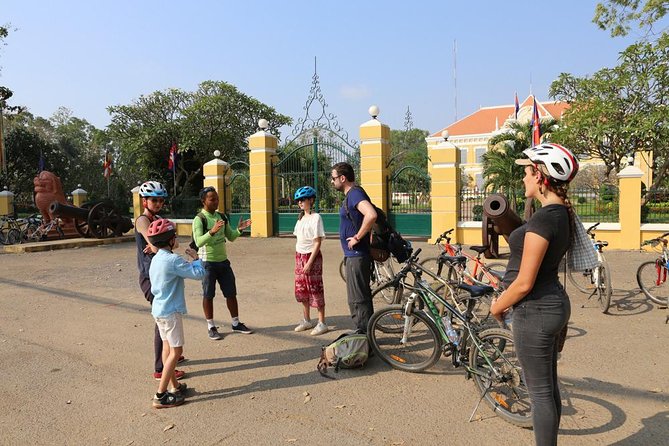
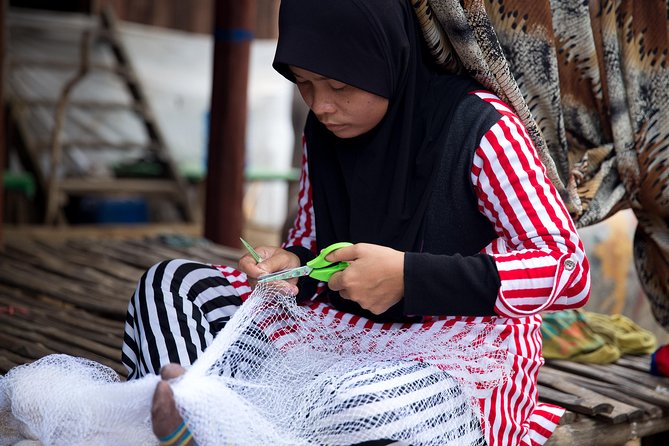
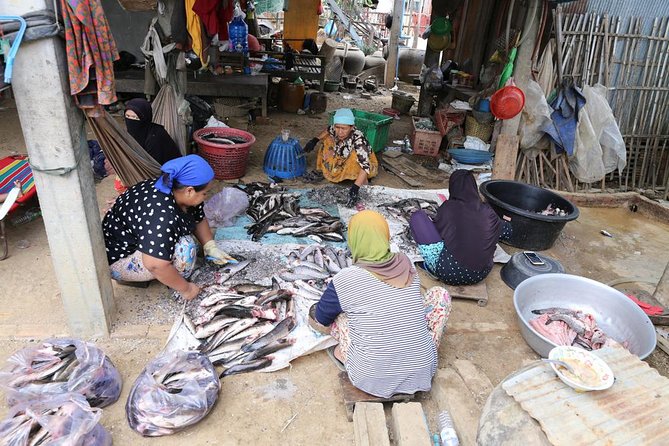
One of the strongest parts of this tour is how it explains work you can actually watch. You cycle into a mostly Muslim fishing village, where you’ll meet artisans and workers involved in things like net weaving and fishing.
Why it matters: in a place like Battambang, food culture isn’t just a menu. It’s tied to seasons, labor, and the practical need to preserve catch. The tour specifically highlights how dried fish plays an important role in everyday cooking, so you’ll understand why that ingredient shows up again and again.
You’ll also stop at a local Muslim cafe for a break. It’s not a tourist pit stop; it’s the kind of pause locals use to reset during a busy morning, and it gives your group a chance to slow down before the next visit.
Note on expectations: you may see active workspaces and smell the realities of food processing. That’s part of why this feels authentic—but if you’re sensitive to strong food odors or dust, pack a little patience along with your sunscreen.
Rice fields and food at work: from rice paper to bamboo cooking
After the fishing village, you roll through countryside where rice cultivation becomes the story. Rice isn’t a background detail here—it’s described as the lifeblood, and you’ll feel that in how the tour connects fields to daily routines.
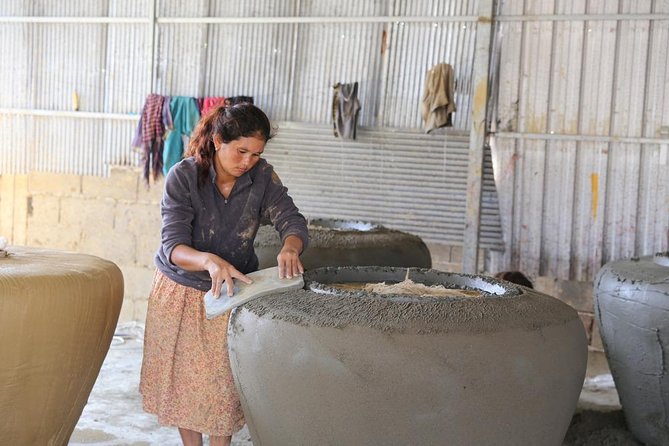
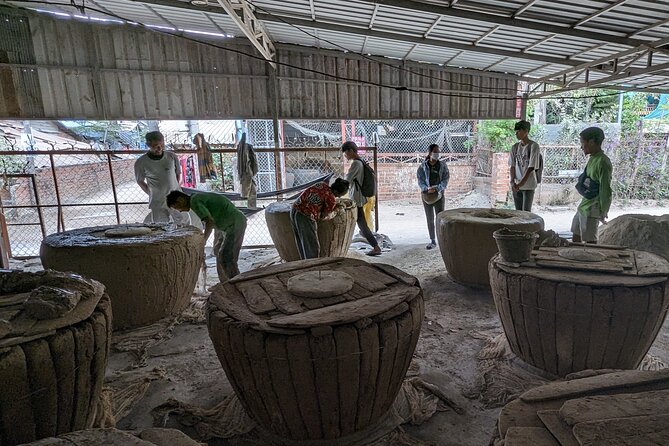
This is also where food turns from “tasting something” into “understanding how it gets made.” In the experiences shared from past riders, the stops can include hands-on-style glimpses of local production such as rice paper, sticky rice preparation, and cooking techniques involving bamboo. Some tours also include tastings tied to local traditions, like rice wine and fruit that’s harvested in season.
A highlight for many people is the snack side of things. You’ll have water and snack along the way, and some participants mention trying a fermented fish snack in addition to other local treats. You don’t have to treat it like a dare—just knowing what you’re eating (and why locals eat it) makes it more interesting.
Also, remember you’re biking. That means you’re seeing the countryside from the inside of morning life—not standing in one place waiting for a photo moment. If you like your travel education served with movement and small talks, you’ll probably enjoy this section.
Temple time: Theravada Buddhism and a conversation with a monk
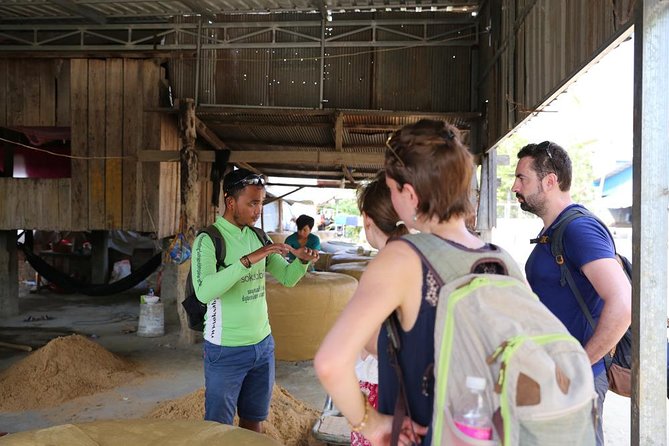
Religion is woven into Cambodian daily life, and this tour uses that fact in a very direct way. You’ll visit a Buddhist temple and discuss Buddhist culture with a newly-trained monk, which is a rare opportunity to ask questions in a respectful setting.
What you get here is perspective. From the outside, temples can look like beautiful architecture and quiet ritual. This adds meaning by explaining why certain customs exist and how Theravada Buddhism shapes everyday behavior.
A practical note: this is still a cultural visit, so you’ll want to dress appropriately. The tour asks that your clothing covers your shoulders out of respect for rural culture. Keep your voice low inside temple areas and treat this like a conversation, not a performance.
And because you came from a Muslim fishing village earlier, you’ll have a sharper comparison in your head. You’re not just learning about one belief system—you’re seeing how different communities live side by side in the same region.
Khmer crash course: the small language that changes everything
I’m a fan of tours that teach language in a usable way. This one gives you basic Khmer so you can greet people and start conversations, instead of standing there with nothing but a smile.
Even a few phrases can shift the whole tone of a visit. You’ll likely use them at market-like stops, during pauses in rural areas, and in the moments between explanations. And if you’re the type who likes talking, it helps you ask quick follow-ups through your guide rather than relying entirely on English translations.
Also, don’t ignore the guide’s role here. You’re not on your own; you’re learning alongside someone who can explain what you’re seeing and help you communicate respectfully. That keeps it fun rather than awkward.
Lunch with a local family and why the value feels real
This tour is built around more than sightseeing. The experience includes a home-cooked Cambodian lunch with a local family, and many past participants mention a meal featuring fish and vegetables—simple, local, and not trying to impress with international flair.
What I like about this setup is that it’s tied to the community. The tour includes compensation to families you visit, which matters because it turns your visit into support rather than extraction. It also helps explain why people seem genuinely open during these kinds of stops: the work of hospitality is respected.
At $37 per person for 3 to 4 hours, you’re paying for more than a bike. You’re paying for the guide time, the use of quality bikes, helmets, and the built-in cultural access: the fishing village connections, the temple conversation, the language lesson, and the food.
Is it a luxury tour? No. But for what it offers—local access, biking, and a real slice of daily life—this price tends to make sense.
Pace, comfort, and the one logistical catch
The ride is designed to be manageable for most travelers, and group size is kept small (up to 8). Several people highlight that the pace feels right—not a suffer-fest, not a stroll that never moves. That balance is important on a half-day. You want energy left for conversation, not just surviving the ride.
You’ll have water and snack along the way, and you can ask your guide about what you’re seeing so the stops stay meaningful, not rushed.
The main drawback is the ending: the tour notes indicate no drop-off at your hotel after it finishes. So plan for a short follow-up ride or walk back into town depending on where you’re staying.
Who this tour suits best (and who should think twice)
This is ideal for you if:
- You want a culture tour with a purpose, not just temple photos
- You enjoy a moderate active morning and don’t need constant sitting
- You like food context—how ingredients connect to daily work
- You’re comfortable wearing shoulder-covering clothing and staying respectful in temple settings
You might reconsider if:
- You dislike biking entirely or have limited physical mobility (even though most travelers can participate)
- You’re not comfortable with rural conditions like heat, dust, and food smells
- You strongly need an end-to-hotel drop-off, since the tour only promises pickup/drop via tuk-tuk and then returns you without that specific service
Should you book this Soksabike customs and culture bike tour in Battambang?
If you want Battambang beyond the usual checklist, I’d book it. The combination of fishing village work, a temple chat with a monk, and a guided Khmer crash course is a smart way to understand the region in one morning. Add in the quality imported bikes and the included snacks and home lunch, and it becomes a solid value for a half-day.
Book it now if you can handle the modest logistical reality: you’ll need sunscreen, respectful clothing, and a small bag since there are no bike baskets. And if your schedule is flexible, it’s worth knowing the tour offers free cancellation up to 24 hours in advance for a full refund.
If your idea of a great tour is mostly air-conditioned comfort and passive sightseeing, you’ll probably prefer something else. But if you like moving through real life—gently, safely, and with context—this is exactly the kind of Battambang morning you’ll remember.
FAQ
How long is the Custom and Culture Half Day Walk and Bike Tour in Battambang?
It’s about 3 to 4 hours.
What does the tour cost?
The price is $37.00 per person.
Do I get pickup from my hotel?
Yes. The tour includes tuk-tuk pickup and drop-off from your hotel, but it notes that it does not include drop-off back to your hotel after the tour.
What time does the tour start?
The start time is 7:30 am.
Is the tour conducted in English?
Yes. The guide is English-speaking.
What should I wear or bring?
Wear clothing that covers your shoulders for rural culture and bring sunscreen. The tour provides water, but it doesn’t offer bike baskets, so a backpack is helpful for anything else like a camera.