REVIEW · BATTAMBANG
Local Livelihood Full Day Bike Tour in Battambang
Book on Viator →Operated by Soksabike · Bookable on Viator
This bike day in Battambang is built around everyday life, not just landmarks. I like how the route mixes village cycling with hands-on food stops, temple time, and a final ride on the bamboo train.
Two things I really love are the chance to taste and learn from the families making products like rice paper and rice wine, and the way the guides keep it human and practical. You’ll also get a mountain bike with a helmet, plus water, snacks, and lunch—so you’re not stuck hunting for food halfway out.
One consideration: it’s a long day (about 7.5 to 9 hours) and you’ll be on a bike for most of it. Also, you’ll need to cover knees and shoulders for temple visits, and the tour doesn’t include hotel drop-off.
In This Review
- Key things to know before you go
- Battambang by Bicycle: Why This Ride Feels Local
- Getting Started with Pickup, Safety, and Kinyei Cafe
- Rice Paper, Rice Wine, and Family Workshops You Can Taste
- Rice Fields, Rural Villages, and Learning Everyday Life
- Khmer Rouge Memorial and Temple Time: History With Context
- French Colonial Sites: Seeing Cambodia’s Layers by Bike
- Homecooked Khmer Lunch in a Traditional House
- The Bamboo Train Ride: Battambang’s Icon in Motion
- Practicalities: Pace, Bikes, and What to Bring
- Should You Book This Battambang Bike-and-Bamboo Train Day?
- FAQ
- What does the tour cost?
- How long is the tour?
- What time does pickup happen?
- Is hotel pickup included?
- What’s included with the biking setup?
- What food and drinks are included?
- Besides cycling, what other major experiences are part of the day?
- Do I need to dress a certain way?
Key things to know before you go
- Small group max 10 keeps the day feeling personal, not like a bus tour.
- Local guides (often university students) explain daily life in good English and help you ask questions.
- Hands-on tastings at family workshops for rice paper, dried bananas, bamboo sticky rice, fish paste, and rice wine.
- Homecooked lunch at a local family’s Khmer house, not a restaurant stop.
- Bamboo train ride ties the afternoon together in the most Battambang way possible.
- Flexible afternoon timing means some stops can shift based on the day’s schedule.
Battambang by Bicycle: Why This Ride Feels Local
Battambang is a great place to cycle because the day’s plan is designed to get you out of the center and into rural rhythm. You’re not just rolling past scenery—you’re stopping where people actually make their living and where religion and history show up in daily life.
This tour is also a smart value if you care about more than photos. For $50, you’re getting a full day with a guided route, a usable bike setup (mountain bike + helmet), water, snacks and tastings, a welcome drink, and a home lunch. That’s a lot to pack into one day, especially in Cambodia where full-day experiences can easily turn into a chain of paid add-ons.
The biggest “feel” of the day comes from the pacing. The cycling is described as gentle enough that most people can participate, and the stops keep the ride from turning into endurance sport. Think: move, learn, taste, rest, repeat.
You can also read our reviews of more tours and experiences in Battambang.

Getting Started with Pickup, Safety, and Kinyei Cafe
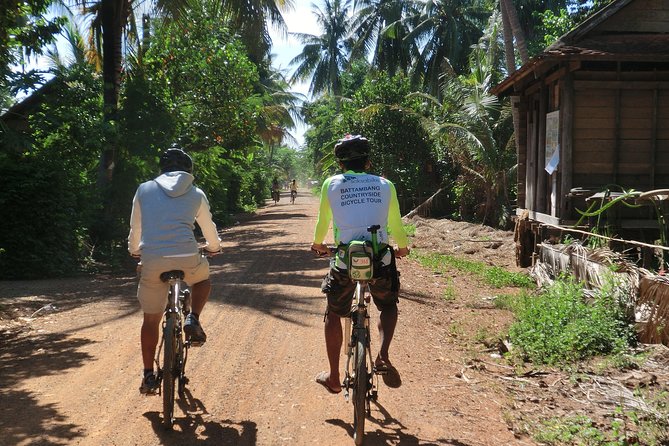
The day starts early, with hotel pickup around 7:20am and an official start around 8:00am. If you want an easy beginning, there’s an option for a welcome drink at Kinyei cafe (included), or you can jump straight into the morning ride.
Before you set off, you’ll get a quick bike safety tutorial and a basic intro to Khmer. It’s the kind of small prep that matters on rural roads—just enough to help you feel steady without turning the morning into a classroom.
A detail I appreciate: the tour has a cap of 10 travelers, so you’re less likely to get separated in the chaos of a larger group. That also helps when you’re meeting families and moving through small spaces.
Rice Paper, Rice Wine, and Family Workshops You Can Taste
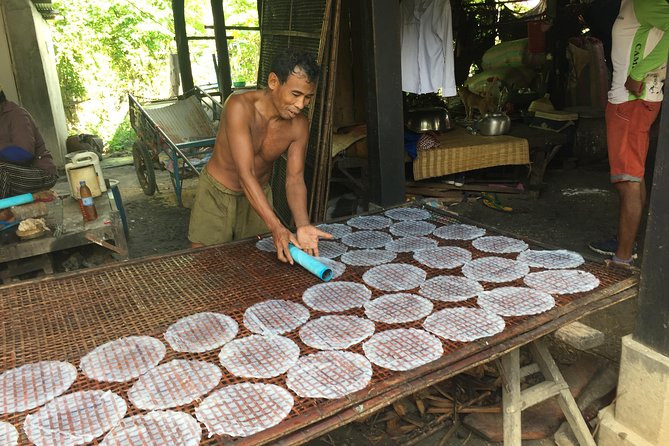
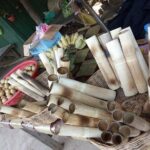
A major part of the day is meeting families who produce traditional items. You’ll visit places connected to products like rice paper, dried bananas, bamboo sticky rice, fish paste, and rice wine.
What makes these stops valuable is that you’re not only looking. You’re tasting and learning what goes into everyday food and small-scale production. Expect snacks and tastings during these visits, and chances to see how work happens inside local homes or workshops.
You’ll also get a snack break in a traditional house with fresh fruit and coconuts. It’s a nice reset point—especially because you’ll likely be out in the countryside with sun and dust in the mix. (Pack water habits into your day, not at the end.)
From what I’ve picked up about the guide style on this tour, the best moments often come when the guide helps translate what you’re seeing into real daily-life context. You might even meet a guide like Pich or Savith, who are known for being friendly and for keeping the explanations grounded in how people live and work.
Rice Fields, Rural Villages, and Learning Everyday Life
After the workshop visits, the route shifts into countryside cycling—often through rice fields and along smaller roads between villages. This is where the tour feels like it’s telling you a story through movement, not just through speech.
You’ll learn about daily life in rural communities, and it tends to land differently than a museum lecture. When you stop next to production, a school, a temple, or a memorial, the information clicks because you can connect it to what your eyes are seeing.
The company also emphasizes that the tour supports families you visit through a portion of the revenue. In practice, that means your presence becomes part of a local circuit rather than a tourist-only detour.
One useful habit for this part: bring your questions down to specifics. Ask what a product is used for, who helps make it, and how long it takes. Your guide can help you frame questions in a respectful way, and the families respond best when it’s clear you’re curious about their routine, not just collecting facts.
Khmer Rouge Memorial and Temple Time: History With Context
Battambang has a complicated past, and this tour doesn’t ignore it. You’ll visit a memorial site for the victims of the Khmer Rouge, which is a heavy stop in the middle of a day that’s otherwise full of food, bicycles, and village streets.
Right after, you’ll shift into a different kind of learning with a temple visit connected to Buddhism and monk-hood. You’ll get background on what monk-hood means in daily life, not just a quick look at buildings.
Two things to keep in mind here. First, dress matters—knees and shoulders covered out of respect for local culture. Second, take your time at these stops. The tour plan moves, but those sites deserve a slower pace in your head, too.
If you’re traveling with kids or older relatives, this section can be a win because the day is broken into manageable chunks. If you’re short on patience for quiet, reflective stops, plan ahead: set expectations with yourself so the memorial visit feels meaningful, not like an interruption.
French Colonial Sites: Seeing Cambodia’s Layers by Bike
After lunch and temple time, you’ll also visit French colonial sites. That mix is part of why I like this tour: it doesn’t force you to choose between “traditional” Cambodia and Cambodia’s colonial-era traces.
The colonial stops are useful because they’re integrated into the cycling day. You’re not hopping from one distant attraction to another. Instead, you can connect how different eras left marks in the same town and how those marks show up in the built environment around Battambang.
If you enjoy walking into a place and having your guide explain what to notice—materials, layouts, purpose—this part will likely work well. Guides on this route are often praised for answering questions clearly in good English, which makes the context easier to follow as you move from stop to stop.
Homecooked Khmer Lunch in a Traditional House
Lunch is one of the most memorable parts for many people on this tour. You’ll eat a homecooked lunch made by a local family in a traditional Khmer house.
What makes this lunch stand out is the setting. You’re eating where the day’s lessons were happening—near production, daily routines, and local culture—not at a restaurant that could be anywhere. You’ll also usually have a chance to talk with your host, depending on how the day flows.
A practical point: the tour includes snacks and water, plus the lunch itself, so you won’t feel like you’re constantly buying food. You’ll still want to pace yourself—tastings earlier in the day can add up.
Also, think of lunch as a cultural moment, not just calories. Be polite with how you handle food, and if you’re offered something you’re not sure about, ask your guide what it is first.
The Bamboo Train Ride: Battambang’s Icon in Motion
By the afternoon, you’ll reach the tour’s signature finish: Battambang’s bamboo train. This is the kind of local oddity that’s easy to treat like a checkbox—unless you pair it with the rest of the day’s context, which is exactly what this tour does.
You’re riding after a sequence of stops that explain how people live, work, remember, and worship. So when you finally get on the bamboo train, it feels less like a stunt and more like a local solution and tradition—something people made, used, and kept alive.
Timing can shift because the tour notes that afternoon stops are flexible and time dependent. That’s normal for real-world tours. If you’re the type who hates uncertainty, treat the bamboo train as a likely afternoon highlight, not a rigid minute-by-minute appointment.
Practicalities: Pace, Bikes, and What to Bring
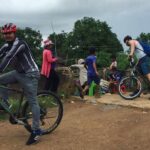
The tour includes a mountain bike and a safety helmet, plus water, snacks, and tastings. Because it’s a full day and the ride is mostly in rural areas, plan for basic comfort: water habits, closed-toe shoes if you have them, and light layers that still keep you covered for temple areas.
Group size is capped at 10 travelers, which helps keep the cycling from turning into a slow-moving line. Still, you should expect stops to take time because you’re interacting with families and doing tastings.
You’ll also want to know that the tour includes pickup, but it does not include hotel drop-off. The tour returns you to the Soksabike office, so have a plan for getting back to your hotel from there.
Finally, the day runs about 7 hours 30 minutes to 9 hours. If you’re hoping for a short afternoon escape, this isn’t that. If you want a single day that teaches you Battambang in a way a guidebook won’t, it’s exactly the length you need.
Should You Book This Battambang Bike-and-Bamboo Train Day?
I’d book this tour if you want your Battambang day to feel grounded in real life: village work, home cooking, temple context, and a bamboo train ride that lands better because you understand the place first.
It’s especially worth it if you like small groups, clear guiding, and food-related learning. The tour is built around meetings with families who make rice paper, dried bananas, bamboo sticky rice, fish paste, and rice wine, and the day includes tastings so you leave with more than memories.
Skip it only if a long day on a bike sounds like stress for you, or if you know you’re uncomfortable with temple rules and quiet memorial moments. Also, if you hate the idea of ending back at the office rather than at your hotel, arrange your return in advance.
If you get the chance to ride with someone like Pich, Savith, Pek/PEK, Phalla, or Pictou, you should expect a guide who can explain daily life and help your questions land well. For $50, that combination—cycling, culture, food, and the bamboo train—adds up to a day with real value.
FAQ
What does the tour cost?
The Local Livelihood Full Day Bike Tour in Battambang costs $50.00 per person.
How long is the tour?
It runs about 7 hours 30 minutes to 9 hours.
What time does pickup happen?
Pickup is offered around 7:20am, with the tour start time listed as 8:00am.
Is hotel pickup included?
Yes, hotel pickup is included. Hotel drop-off is not included.
What’s included with the biking setup?
You get a mountain bike and a safety helmet.
What food and drinks are included?
You’ll have one free drink at Kinyei cafe, snacks and tastings at stops, bottled water, and a homecooked lunch with a local family.
Besides cycling, what other major experiences are part of the day?
You’ll visit a Khmer Rouge memorial, a local temple, French colonial sites, and you’ll ride Battambang’s bamboo train.
Do I need to dress a certain way?
Yes. You should dress with knees and shoulders covered out of respect for local culture.