REVIEW · BATTAMBANG
Full day tour by bicycle & tuk tuk,bamboo train,bat cave,villages
Book on Viator →Operated by Battambang Bicycle Tour · Bookable on Viator
Bikes, bats, and bamboo trains in one day. This full-day Battambang tour mixes real working villages with major local sights, plus the kind of food stops that make the day feel personal instead of rushed. I really like how you’re fed along the way with rice paper rolls, banana chips, and other snack samples.
What I love most is the way the guide ties together what you see and why it matters. You’ll hear Buddhist background and Khmer Rouge history at key stops like Wat Samrong Knong, then move on to everyday Battambang life by bike and tuk-tuk.
One possible drawback: the schedule is long (about 9 hours 45 minutes), and not everything is included. Lunch isn’t part of the price, and the bamboo train tickets cost $5 per person extra, so plan for that budget.
In This Review
- Key highlights you’ll actually feel
- Morning bike and tuk-tuk setup in Battambang
- City sights: colonial streets, Wat Dom Rey Sor, and Lok Ta Dombong Kranhun
- Wat Samrong Knong and the Pol Pot era, explained where it happened
- Bamboo train route through villages, farms, and bridges
- Bat caves at Phnom Sampov: killing cave views, cannon, gun, monastery, stupa
- Food sampling, rice wine, and market-style stops that keep the day human
- Price and value: how $25 adds up when you factor in tickets and transport
- Who this tour suits (and who should choose something else)
- Practical tips to make the day smoother
- Should you book the Battambang bicycle and bamboo train tour?
- FAQ
- What time does the tour start in Battambang?
- Is pickup from my hotel included?
- What’s included in the $25 per person price?
- What’s not included?
- Do I have to hike to the Phnom Sampov viewpoint?
- How big is the group?
Key highlights you’ll actually feel
- Morning bike + tuk-tuk combo keeps the day moving without exhausting you the whole time
- Wat Samrong Knong connects a 300-year-old temple to the Pol Pot era
- Bamboo train ride plus a route through fruit farms, pagodas, and a suspension bridge
- Phnom Sampov bat caves includes the killing cave area, viewpoints, and cave entry tickets
- Food sampling along the route, from snack bites to rice wine learning
Morning bike and tuk-tuk setup in Battambang

This tour runs as a full circuit around Battambang’s highlights, starting in the morning with pickup from your hotel. The timing can feel like a small puzzle at first: the meeting point is 8:00am, while the tour begins at 9:00am. Either way, it’s built for daylight and for getting you out of town before the heat climbs.
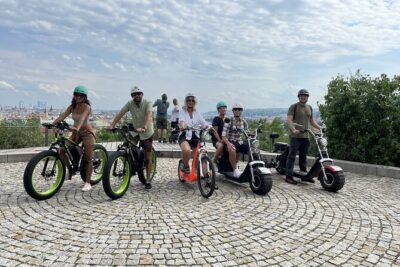
You’ll ride a bicycle with a local guide, but it’s not a one-transport-only day. A tuk-tuk driver/guide is also part of the experience, and that matters. It means you can cover more ground and shift modes when the route gets slower, longer, or simply more practical for groups. The tour is capped at 10 travelers, so it feels more like a day with a small crew than a big bus tour.
You’ll also get water and snack support from the start. That’s not just comfort—it helps you enjoy the long day, especially when you’re moving from historic sites to countryside and back.
You can also read our reviews of more tours and experiences in Battambang.

City sights: colonial streets, Wat Dom Rey Sor, and Lok Ta Dombong Kranhun
Early on, you explore Battambang itself before heading out toward the countryside. You’ll see France colonial buildings (a reminder that this city didn’t grow only around Khmer eras), and you’ll also visit temple and local landmark stops as you get your bearings.
One stop named in the route is Wat Dom Rey Sor, along with Lok Ta Dombong Kranhun. The big value here is not checklist viewing. It’s context. Battambang’s layout and its religious landmarks are part of how Cambodians understand the land, the community, and the past. Even if you’re tired after morning pickup, it helps to start with these shorter, grounded stops rather than launching straight into a long ride.
There’s also a practical side: this early segment helps your guide set expectations for the day—how much biking you’ll do, what the pacing will feel like, and what kinds of questions you can ask. Guides on this tour (I’ve seen names like Reed and Rith) tend to work in a friendly Q&A style, so you’re not stuck listening to a monologue.
Wat Samrong Knong and the Pol Pot era, explained where it happened

Wat Samrong Knong is the history stop that gives the day real weight. The route describes it as an old Buddhist temple built more than 300 years ago. But it also served as a prison during the Pol Pot regime, and your guide spends time explaining the Pol Pot period there.
This is one of those moments where pacing matters. It’s not just “see a building.” It’s the combination of age and trauma that makes the site intense. The temple’s long timeline makes the history feel less abstract—because the place itself existed long before the conflict, and the conflict used it in a very specific way.
If you’re the type who worries history tours will be too heavy or too vague, this setup works because you get guidance directly at the site and you’re given time to process. A long day can feel overwhelming, but here the time budget is built in (the route lists about 3 hours), so you don’t feel yanked onward before it lands.
Bamboo train route through villages, farms, and bridges
After Wat Samrong Knong, you head toward the bamboo train area. This is where the tour turns lighter in tone, but not shallow.
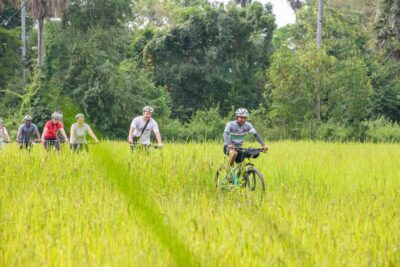
First, you travel through smaller villages and along farm scenery. You’ll see fruits farms, a local pagoda, and even a suspension bridge on the way to the bamboo train station (described as the original bamboo train). This matters because the bamboo train ride itself is short, but the lead-in gives you a real sense of how everyday life looks between Battambang town and the outskirts.
Then comes the bamboo train ride: it’s listed as included in the experience by way of a ride time, but the bamboo train tickets are not included. Plan on $5 per person extra for the ticket. That’s the biggest predictable add-on cost on the day.
What should you expect from the ride? Think of it as fun transportation with a story. Bamboo trains are a Battambang signature, but the bigger win is that the tour places you there with time and context, not as a rushed “snap and go” stop.
Bat caves at Phnom Sampov: killing cave views, cannon, gun, monastery, stupa
Phnom Sampov mountain is where the tour becomes memorable in a different way. This is the bat cave area, and the route also points to the killing cave, plus the big cannon, gun, monastery, and stupa you can view from above.
You’ll have a choice for reaching the top: hike or take a motorbike up. That flexibility is genuinely useful. If you’re biking enough already in the morning, you may prefer the motorbike option to save your legs for the viewpoints. If you like walking and want more time outside in the fresh air, you can choose the hike.
Once you’re up there, the point isn’t only the bats. The route explicitly includes the killing cave area, and that gives the site deeper meaning. You’re seeing physical evidence tied to Cambodia’s dark twentieth-century chapters, but the day is also shaped by the scenic payoff: the top views are part of why people come.
The bat cave admission is included on the tour, so you won’t be doing last-minute ticket hunting before the climb. The overall time for this segment is about 2 hours, which is usually enough to get the experience without turning it into a long slog.
Food sampling, rice wine, and market-style stops that keep the day human
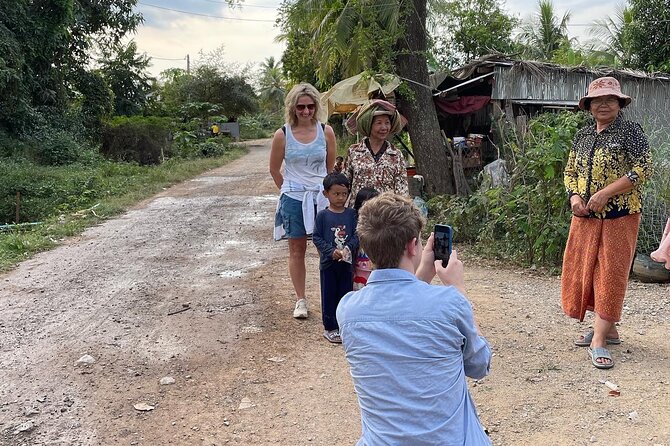
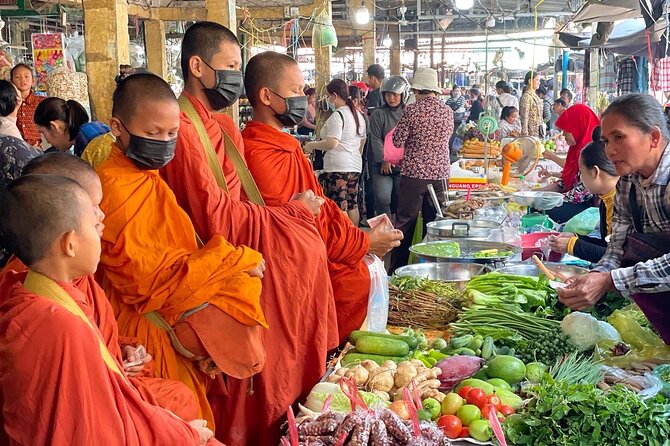
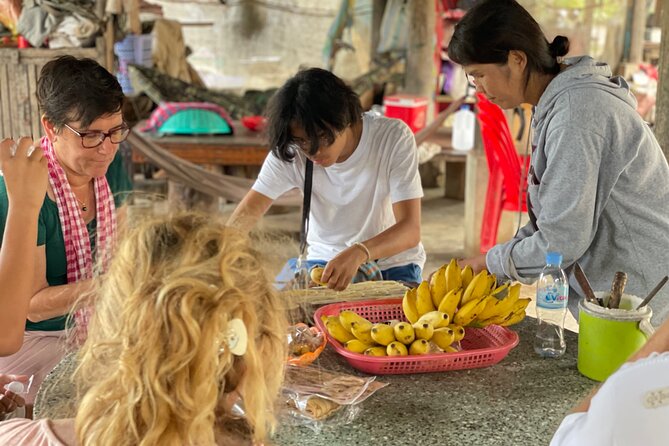
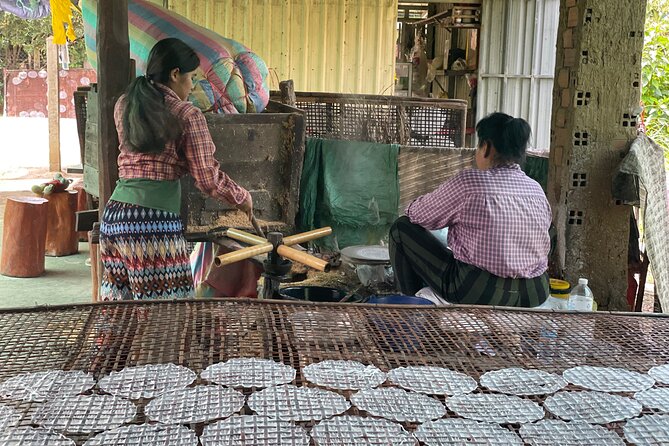
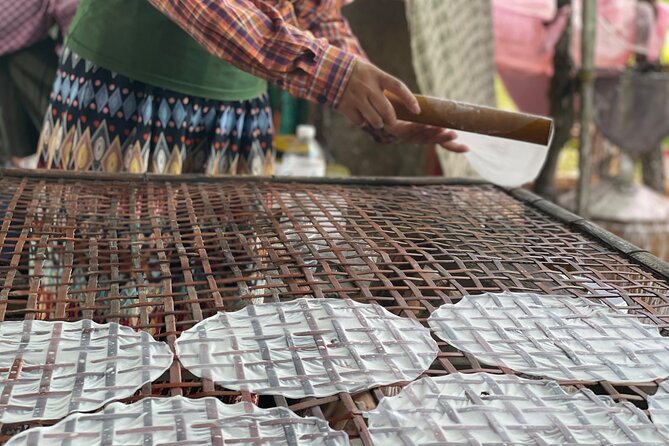
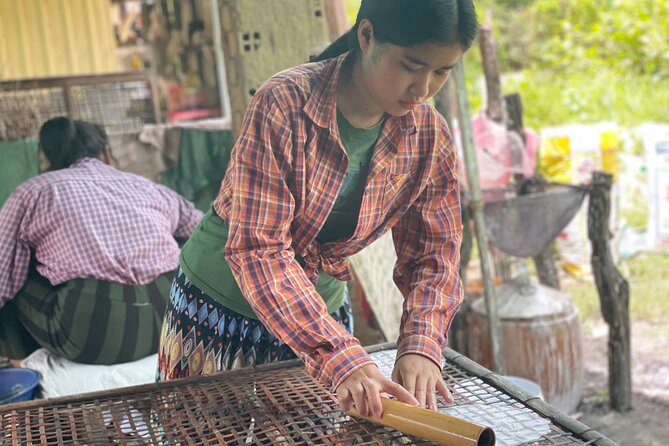
A big part of why this tour works for many people is the food. The day includes snacks and samples like bamboo sticky rice, spring rolls, and dry banana, plus general snack bites such as rice paper rolls and banana chips. You’re also told to expect water throughout the day, which is a simple but essential comfort when you’re outdoors for hours.
The route also mentions a rice wine factory stop before you return to your hotel. That’s a clever addition because it shifts you from watching history and countryside into seeing local production. Rice wine and related spirits have long been part of rural livelihoods, and a factory visit (even a short one) helps you connect what you taste to how the community works.
There’s also mention of a popular fish market during the busier half-day in the countryside/industry rhythm. Even if the exact amount of time there varies by day, the idea is clear: you’ll get more than scenery. You’ll see how people actually earn a living and how local goods move through the city.
Between biking, temples, and caves, your appetite will probably stay awake. Bring this day as a full-meal mindset—even though lunch isn’t included.
Price and value: how $25 adds up when you factor in tickets and transport
At $25 per person, this tour is priced to be accessible, and it includes a lot more than a simple “bike rental plus a guide.”
Here’s what’s included based on the tour details:
- Bicycle, tuk-tuk driver/guide, and a local guide
- Water and snacks
- Donation to a local family
- Donation/samples to test along the way (including specific snack items)
- Ticket for killing cave and bat cave
What’s not included:
- Lunch
- Bamboo train tickets ($5 per person)
- Personal expenses
That means your main budget uncertainty is lunch and the bamboo ticket. If you grab lunch elsewhere, you’re still likely to come out with a day that feels packed. You’re paying for multiple experiences and multiple forms of transport, plus guided context at religious and historical sites.
Also, the tour is small (up to 10 people). In Southeast Asia, that can make a big difference in how much time you get to ask questions and how easily the day flows between stops.
Who this tour suits (and who should choose something else)
This tour is a strong fit if you want a day that mixes three things: people, places, and meaning.
You’ll probably enjoy it most if:
- you like cycling at a comfortable pace (not a hardcore fitness challenge)
- you want Khmer Rouge and Buddhist context tied to real locations
- you enjoy eating small local snack portions while moving
- you’re curious about how rural industry works, not only top sights
You might want to skip or adjust if:
- you’re sensitive to heavy historical sites and prefer only light cultural stops
- you hate long days and would rather have a half-day plan
- you strongly prefer meals being included (since lunch isn’t)
The day also includes choices and outdoors time—especially around the Phnom Sampov climb—so wear practical clothing for heat and uneven paths.
Practical tips to make the day smoother
A few simple things can make a big difference on this kind of day:
- Bring cash for lunch and for the bamboo train ticket ($5 per person). You’ll want it ready rather than scrambling mid-day.
- Wear shoes you don’t mind getting dusty. You’ll be on bikes and walking around temple and cave areas.
- If you’re choosing the hike up Phnom Sampov, plan for a bit of a climb. If you’d rather save energy, the motorbike option is part of the plan.
- Use the snack support as your fuel. With multiple tasting stops, you may not feel hungry in the usual “lunch-hour” way—but you should still budget for lunch since it’s not included.
- Pack a small layer for comfort. Caves and shaded areas can feel cooler, even when the day starts warm.
If your guide mentions local timing or what to focus on at each stop, lean into it. The best experience is when you treat it like a conversation, not a ride-along.
Should you book the Battambang bicycle and bamboo train tour?
I’d book this tour if you want a full Battambang day that doesn’t feel like a string of unrelated stops. The standout strength is how the day links daily life (villages, farms, market energy, local production like rice wine) with sites that explain Cambodia’s past (temples and the Pol Pot era, then the killing cave context at Phnom Sampov). Add in the bamboo train and the bat cave ticket inclusion, and you get a lot for the money.
Skip it if your ideal day is only light sightseeing, or if you really don’t want any extra ticket costs and you want lunch guaranteed. But for most people—especially those who like hands-on, grounded travel—this tour is an efficient way to see Battambang from street level to countryside to cave viewpoints.
FAQ
What time does the tour start in Battambang?
The meeting point is listed as 8:00am, and the tour begins in the morning at 9:00am.
Is pickup from my hotel included?
Yes. Pickup is offered.
What’s included in the $25 per person price?
The tour includes bicycle use, a tuk-tuk driver/guide, a local guide, water and snacks, a donation to a local family, samples of foods along the way, and tickets for the killing cave and bat cave.
What’s not included?
Lunch and personal expenses aren’t included. Bamboo train tickets are also not included (they cost $5 per person).
Do I have to hike to the Phnom Sampov viewpoint?
No. The route offers a choice: you can hike or take a motorbike up to view the killing cave area.
How big is the group?
This tour/activity has a maximum of 10 travelers.