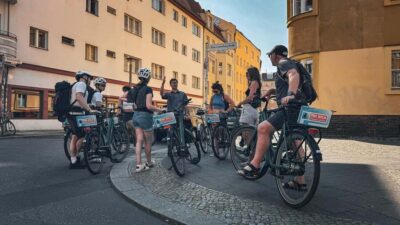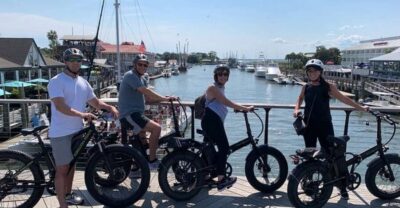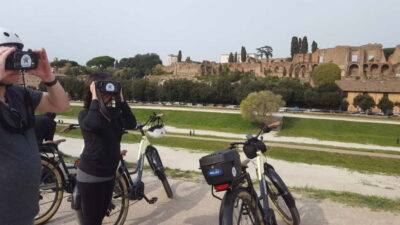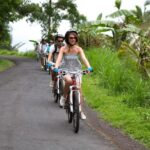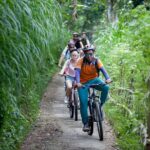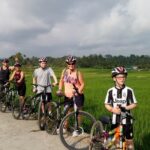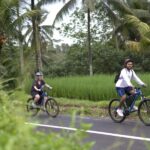
Electric biking turns Ubud into an easy day out. This 3-hour ride around rice paths and villages pairs fat-tire comfort with a local guide who keeps you moving at your pace. I like that it feels active without being exhausting, and that you’re not just looking at scenery—you’re hearing how people live and work.
My favorite parts are the Sok Wayah rice-field route and the stop at Tegalalang Rice Terrace, where you get classic terrace views without spending extra time figuring things out. I also really like the value: for about $34 you get the bike, water, snacks, a local guide, hotel pickup/drop-off in Ubud, and a meal afterward.
One thing to consider: even on an ebike, you still ride narrow lanes and you’ll hit a mix of paths and roads. If you’re nervous on traffic or you don’t feel confident on a bike yet, you may want to start with the lowest power setting and take the guide’s route instructions seriously.
In This Review
- Quick hits before you go
- Electric Fat Bikes Around Ubud: What You Actually Get for $34
- Getting to the Start: Pickup, Meeting Point, and Timing
- Riding Sok Wayah: Narrow Paths, Rice Fields, and How the Ebike Helps
- Tegalalang Rice Terrace Stop: Photos, Layout, and Photo Stops That Make Sense
- Traditional House Visit and Snacks: A Real-LIfe Look at Balinese Daily Life
- Lunch on the Terrace and That Final Stretch Back to Ubud
- Safety, Road Mix, and Who This Tour Fits Best
- Tips to Make the Ride Easier: Power Levels, Rain Gear, and Confidence
- Should You Book This Electric Bike Tour in Ubud?
- FAQ
- How long is the electric bike tour in Ubud?
- Where does the tour start?
- Does the tour include hotel pickup and drop-off?
- Is lunch included?
- What’s included with the bike and ride?
- Do I need to buy a ticket for Tegalalang Rice Terrace?
- How many people are in a booking?
- What if it rains?
- What kind of fitness level do I need?
Quick hits before you go
- Fat-tire ebikes for rougher rice paths: wider tires help on uneven, narrow routes.
- Small group size: up to 10 travelers overall, and a maximum of 6 per booking.
- Tegalalang Rice Terrace, no extra ticket: the terrace stop is handled in the tour.
- Traditional house visit + snack: you’ll see daily home life, not just viewpoints.
- Local lunch included: you finish with a meal on the shop terrace.
- Guides focus on safety: names that show up often in great feedback include Wayan and Ketut.
Electric Fat Bikes Around Ubud: What You Actually Get for $34
At roughly $34 for about 3 hours, the big value here is what’s bundled. You’re not paying separately for a bike, a guide, water, snacks, or hotel transfer within Ubud—you’re buying one organized morning/afternoon experience that ends with lunch.
And because the bikes are electric, the tour isn’t only for hardcore cyclists. You still pedal if you want, but the motor helps you keep momentum on small hills and along long, stop-and-go country lanes.
The tour also has an authenticity angle that’s easy to miss in many “rides”: you’re taken to a traditional house for a snack and an explanation of how a Balinese family compound works. That adds context to what you see outside—rice terraces, village life, and the rhythms of daily work.
You can also read our reviews of more tours and experiences in Ubud.


Getting to the Start: Pickup, Meeting Point, and Timing
This tour runs from Ubud with both morning and afternoon departures. If you’re staying in Ubud, you get hotel pickup and drop-off within the area (by an air-conditioned vehicle), which saves you from the hassle of figuring out local transport on day one.
Your formal start point is listed at Puri Bebengan, Jl. Kajeng, Ubud (near public transportation). Even if pickup is included, it’s useful to know where the meet point is in case you coordinate your own arrival or want an easy backup plan.
A couple practical points that matter:
- You’ll get a mobile ticket, which is usually faster at check-in.
- The group is small enough that you can actually hear your guide and get help if you’re still getting used to the bike.
Riding Sok Wayah: Narrow Paths, Rice Fields, and How the Ebike Helps
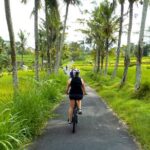
The core of the ride happens around Ubud via the Sok Wayah rice-field paths. This is the part that makes the tour feel different from a simple city bike loop. You’ll cycle through narrow lanes bordered by cottages and rice paddies, with plenty of chances to pause for photos.
The ebike is the star here. Reviewers repeatedly call out how much easier it is to cover the distance and handle uphill sections compared with a regular bike. One person even described choosing how much power they needed using different bike settings—so you can ride more actively or let the motor do more of the work.
That said, electric doesn’t mean effortless. One review noted that the bikes didn’t always provide enough assistance on uphill stretches. Another mentioned the start can feel challenging if you’re new to cycling on tight paths through rice areas. So the best mindset is: expect some focus, not a leisurely stroll.
Also note the road mix. Several riders describe occasional road segments in addition to paths. Two experienced guides usually supervise the group, and that structure is what helps the ride feel controlled even when there’s traffic around.
Tegalalang Rice Terrace Stop: Photos, Layout, and Photo Stops That Make Sense
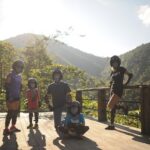
Tegalalang Rice Terrace is the big scenic anchor of the tour. You’ll pause in the area and take in the terrace views, which are the reason most people come to Ubud’s rice-country in the first place.
What I like about this stop in practice is timing and context. You’re not arriving cold after hours of random driving. You’re already in cycling mode, so the terrace stop feels like a payoff: the route sets you up to understand what you’re seeing—valleys, paddies, and the way the landscape is shaped for growing rice.
This stop is also described as having admission ticket free, which helps your budget stay predictable. If you’ve ever been burned by “viewpoint” fees, that’s a small but real win.
One small consideration: terrace areas can have lots of photo angles, so you’ll want to keep an eye out for foot traffic while your guide arranges group stops. The goal is great photos, not getting separated on crowded steps.
Traditional House Visit and Snacks: A Real-LIfe Look at Balinese Daily Life
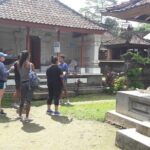
The traditional house stop is one of the most praised parts of the entire experience. You’ll visit a home setting where your guide explains family life and how the compound works, and you’ll have a snack there.
Why it matters: a rice terrace is beautiful, but without context it can feel like a backdrop. The house visit connects the scenery to the people who live next to it. You learn how daily routines, community help, and home space fit together in village life.
You’ll also often see that the guides don’t rush you. Several comments highlight guides being patient and checking your comfort, especially when the terrain gets narrow or when riders are still adjusting to ebike handling. Names showing up in positive feedback include Wayan and Suradnya Inyoman, with others like Ketut and Nyoman mentioned as well.
One practical note: a short snack visit is included, but some tours may also include a coffee tasting break as an extra stop. If you’re not into coffee plantation shopping, you can treat the tasting like a quick cultural pause and skip any buying.

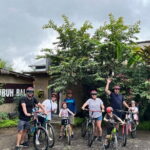
Lunch on the Terrace and That Final Stretch Back to Ubud
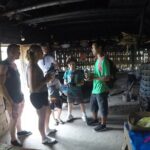
When the ride ends, you’ll have lunch on the terrace at the company’s shop. This is a nice finish because it turns the tour from purely cycling into a complete half-day meal plan.
A couple reviews mention the noodles as a standout, which tells me the lunch isn’t just a token meal. And because the lunch is included, you avoid the common Bali problem of choosing between an overpriced restaurant you don’t like and a place that’s too far to get to after your ride.
After lunch, you’re taken back to Ubud accommodation. Since pickup and drop-off are part of the deal within Ubud, you don’t need to hunt for transport when you’re tired and slightly sun-kissed.
If you’re planning the rest of your day, I’d schedule something low-stress afterward. Even with ebike help, you’re still riding through uneven paths, and most people feel it in their legs at least a bit.
Safety, Road Mix, and Who This Tour Fits Best
Safety is a theme that comes up again and again. Guides are described as making sure riders stay together, and in rain they may provide raincoats. One review specifically praises rain gear brought along when weather turned.
That said, this is not a “sit on the back of an e-bike” tour. Your comfort level matters because:
- You ride narrow sections through rice areas.
- You may pass through busier streets at times.
- You still need to steer and brake as a rider, not as a passenger.
If you have moderate physical fitness, you should do fine. The tour is described as moderate fitness level, but ebike assistance helps a lot. Still, if you have mobility limits that make narrow-path balance hard, think twice.
Best fit:
- You want an active but manageable Bali day.
- You like scenery with real village context.
- You’re okay doing some bike riding on mixed terrain.
Less ideal if:
- You’re extremely uncomfortable around motorbikes and cars.
- You hate uneven surfaces and tight turns.
- You want zero-road exposure and only flat paths.
Tips to Make the Ride Easier: Power Levels, Rain Gear, and Confidence
Here’s how to get the most out of the ebike without fighting it.
Use the power to match your confidence. If you’re brand new to cycling—or you’re unsure about hills—start with higher assist and work down only when you feel steady. One rider said they used different settings to decide how much help they needed, and that’s exactly the smart approach.
Arrive with bike basics already in mind. Even though the route includes easy cruising through rice paddies, narrow paths demand attention. Keep both hands on the bars, don’t over-brake on downhill bits, and follow your guide’s spacing.
Bring a plan for weather. The tour needs good weather. If it’s canceled due to poor weather, you’ll be offered a different date or a full refund. And if rain starts during your ride, you might be given raincoats—still, you’ll feel better with quick-dry clothes and closed shoes.
Expect photo stops that help, not interrupt. Guides are praised for taking pictures and pausing at good moments. But you still want to stay aware—standing around is part of the scenery, and narrow paths make it important not to wander.
Finally, if you’re worried about the coffee stop pattern that shows up in some experiences, treat it as a optional-interest break. The tour’s core value is the rice paths, terrace views, and the traditional house explanation—not any shopping side-quest.
Should You Book This Electric Bike Tour in Ubud?
Book it if you want a half-day that feels both sporty and human. It’s one of the best setups for visitors who want rice terraces plus village context without turning the day into a slog.
I’d skip it or look for a different ride if you’re very nervous about narrow paths or mixed traffic. Even with ebikes, you still have to ride like a cyclist.
If you go, do yourself a favor: pick the pace that matches your comfort, use the motor settings, and trust the guides—Wayan, Ketut, Nyoman, and others are repeatedly praised for safety and good English. For about $34 with pickup, lunch, bike, and transfers inside Ubud, this is strong value for a memorable Ubud day.
FAQ
How long is the electric bike tour in Ubud?
The tour runs for about 3 hours.
Where does the tour start?
The meeting point is listed at Puri Bebengan, Jl. Kajeng, Ubud, Bali. The activity ends back at the meeting point, and hotel pickup/drop-off is provided within Ubud.
Does the tour include hotel pickup and drop-off?
Yes, pickup and drop-off within Ubud are included, and an air-conditioned vehicle is used. Pickup outside Ubud isn’t included, though it can sometimes be arranged.
Is lunch included?
Yes. You’ll have a meal at the end of the tour on the terrace of the company’s shop.
What’s included with the bike and ride?
Bike rental and gear, bottled water, snacks, and a local guide are included.
Do I need to buy a ticket for Tegalalang Rice Terrace?
Admission ticket is marked as free for the terrace stop.
How many people are in a booking?
There’s a maximum of 6 people per booking, and a maximum of 10 travelers for the activity.
What if it rains?
The experience requires good weather. If it’s canceled due to poor weather, you’ll be offered a different date or a full refund. Raincoats are mentioned in guide feedback, if weather changes during the ride.
What kind of fitness level do I need?
The tour is described as suitable for travelers with moderate physical fitness. You should still be comfortable riding and steering on uneven, narrow paths.