REVIEW · UBUD
Ubud: Rice Terraces & Villages Half-Day Fat Tire E-Bike Tour
Book on GetYourGuide →Operated by Egobike Bali Tour · Bookable on GetYourGuide
Fat-tire e-bikes make Ubud feel easy. This half-day ride threads together Cekingan Rice Terraces and quieter village lanes, with a local English-speaking guide (from Wayan to Kadek and Made) and plenty of chances to stop, look, and ask questions. You also get the real “why” behind the irrigation system that keeps the paddies alive.
I especially liked the mix of views and village time, plus the Balinese lunch in Ubud at a local restaurant that doesn’t feel like an assembly line. One consideration: there’s still some riding through Ubud streets and narrow countryside paths, so if you freeze up on a bike, you’ll want to take the warm-up and ask for extra pointers right away.
In This Review
- Top reasons this Ubud e-bike tour works
- Entering Ubud by fat-tire e-bike (and why that matters)
- Getting the “subak” story at Cekingan Rice Terraces
- How Tegalalang village time feels different from a standard photo stop
- Temples, back roads, and what your guide points out along the way
- The Street of Love farm stop: cycling through real paddies
- Lunch in Ubud: a Balinese meal that ends the ride well
- Price and logistics for a 4-hour half day
- Who should book (and who should skip) this e-bike ride
- Final call: should you book this Ubud rice terrace and village e-bike tour?
- FAQ
- How long is the Ubud Rice Terraces & Villages half-day e-bike tour?
- Where is pickup available?
- What time does pickup happen?
- What’s included with the e-bike?
- Is lunch included?
- Do I need prior experience riding a bike?
- What’s the group size?
- Are there height and weight limits?
Top reasons this Ubud e-bike tour works
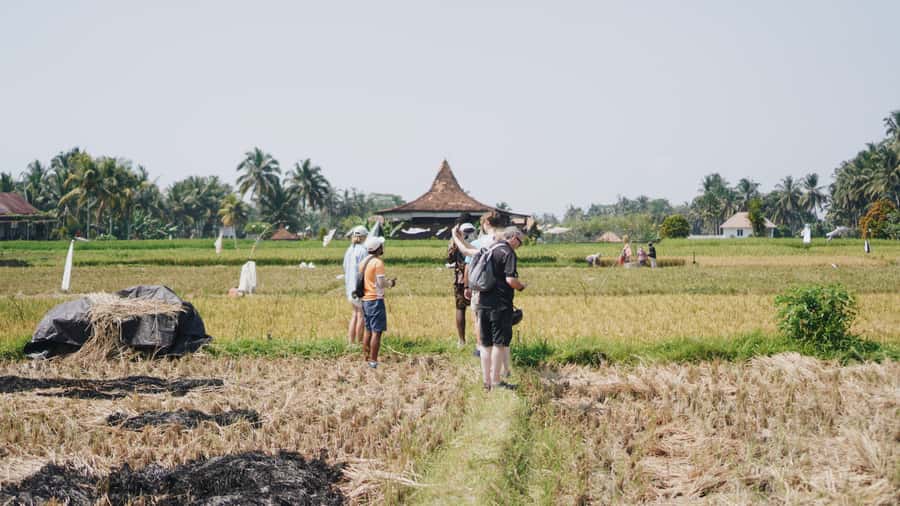
- Cekingan Rice Terraces subak irrigation: UNESCO-level water logic you can see working.
- Small group size (10 max): enough people for fun, not so many you lose the guide.
- Village-temple stops: cultural context along the route, not just scenery.
- Fat-tire e-bikes with easy assist: a big help on hills and uneven tracks.
- Lunch in Ubud: a sit-down Balinese meal included after the ride.
- Guides who create photo/video memories: many groups get a recap from the team.
Entering Ubud by fat-tire e-bike (and why that matters)
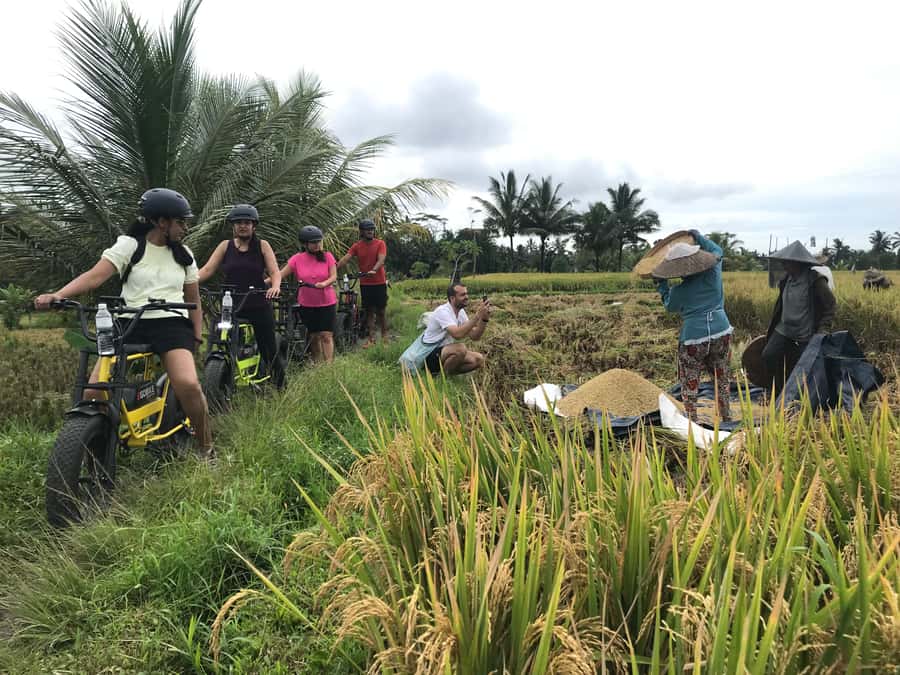
This is a practical way to see more than just the main streets of Ubud. You’re picked up from your accommodation in the Ubud area (max 5 km from the center), then you head to the starting point. The whole tour lasts about 4 hours, which is a sweet spot when you want countryside views without losing an entire day.
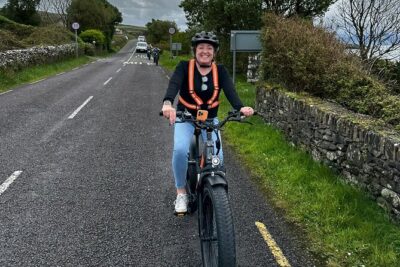
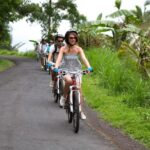
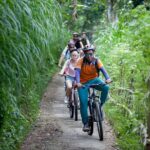
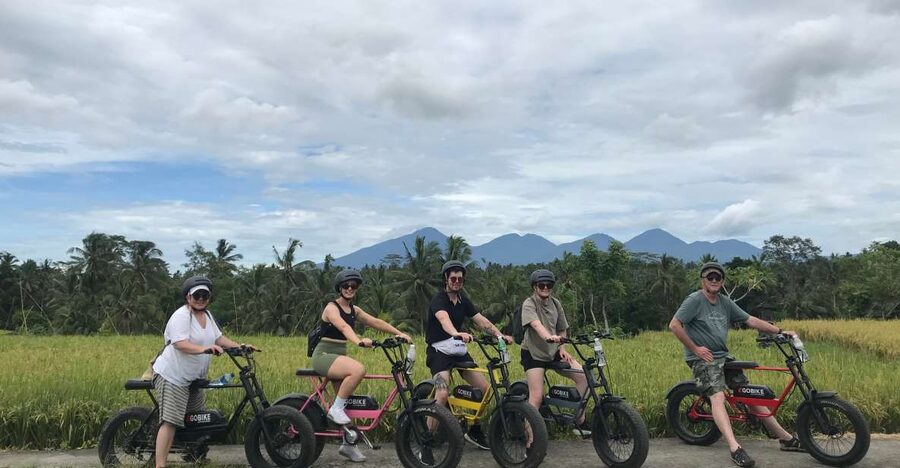
Once you arrive, you get helmeted and set up with a well-maintained fat tire e-bike. The fat tires help with traction on dirt and uneven lanes, and the electric assist makes hills and slower village roads far less tiring. In other words: you’re still cycling, but the e-bike keeps the day from turning into a sweaty endurance test.
The guides also tend to pay attention to comfort and safety. One group noted extra support when someone wasn’t confident on the bike, including quick problem-solving during the ride. That’s the kind of backup you appreciate—especially if you’re new to e-bikes.
You can also read our reviews of more tours and experiences in Ubud.


Getting the “subak” story at Cekingan Rice Terraces
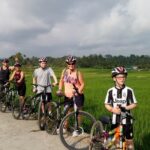
Cekingan Rice Terrace is the big visual payoff, but the best part is understanding what you’re looking at. The subak irrigation system is UNESCO World Heritage, and your guide explains how this traditional water management creates an artificial ecosystem. Translation: it’s not just a pretty field—there’s a whole community system deciding how water moves and how rice grows.
At the terrace viewpoints, you’ll get that classic layered look: green steps of rice with canals and water channels feeding the paddies. This is the place to slow down, take photos, and listen. If you normally speed through attractions, this stop rewards you for being present because the guide’s explanation connects the water system to daily farm life.
Practical note: in Bali’s daylight, you’ll feel the sun. Bring sunscreen (many people recommend it), and use the time stops wisely—walk a little, then rest in shade when you can.
How Tegalalang village time feels different from a standard photo stop
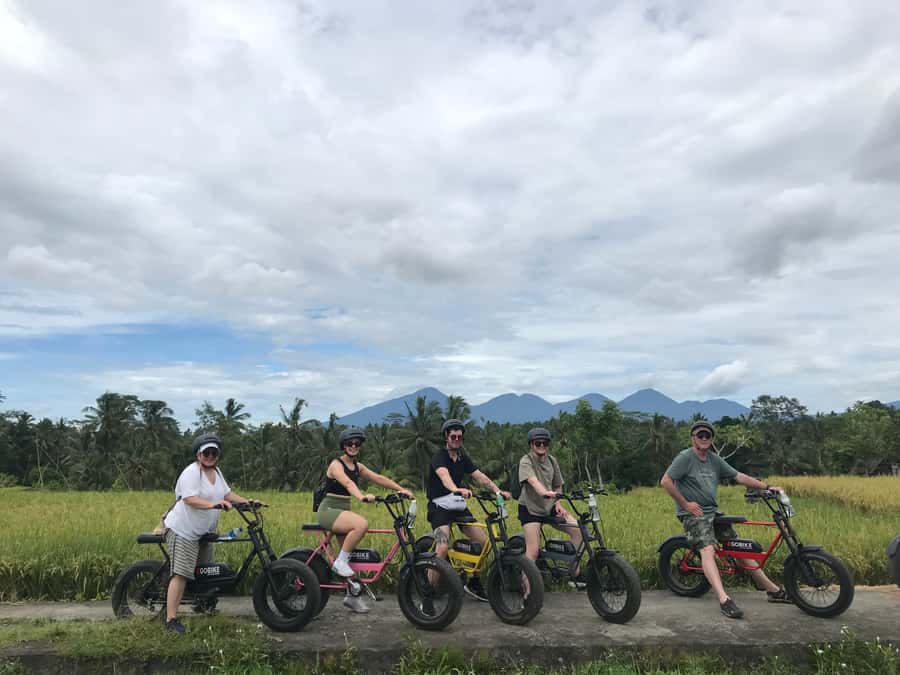
Tegalalang is where the tour shifts from “wow scenery” to “daily life.” You’ll have time for a photo stop and then a visit with a guided walk/ride through the village atmosphere. The emphasis here isn’t only on views; it’s on understanding what locals do and how the countryside supports them.
This part of the tour is also a good place to ask questions. Your guide will typically explain daily habits, how homes and temples fit into life, and what you’re seeing as you ride past fields and small buildings. In places like this, the real value is noticing details you’d miss from a viewpoint alone—water channels, footpaths, and the way villages are laid out around land and farming.
One small drawback: the roads and paths can feel narrow, and you may have moments where you’re riding through more active Ubud-area streets before you’re back in the quieter lanes. If you’re nervous, take it slow, keep a steady line, and don’t be shy about asking your guide to pace the group.
Temples, back roads, and what your guide points out along the way
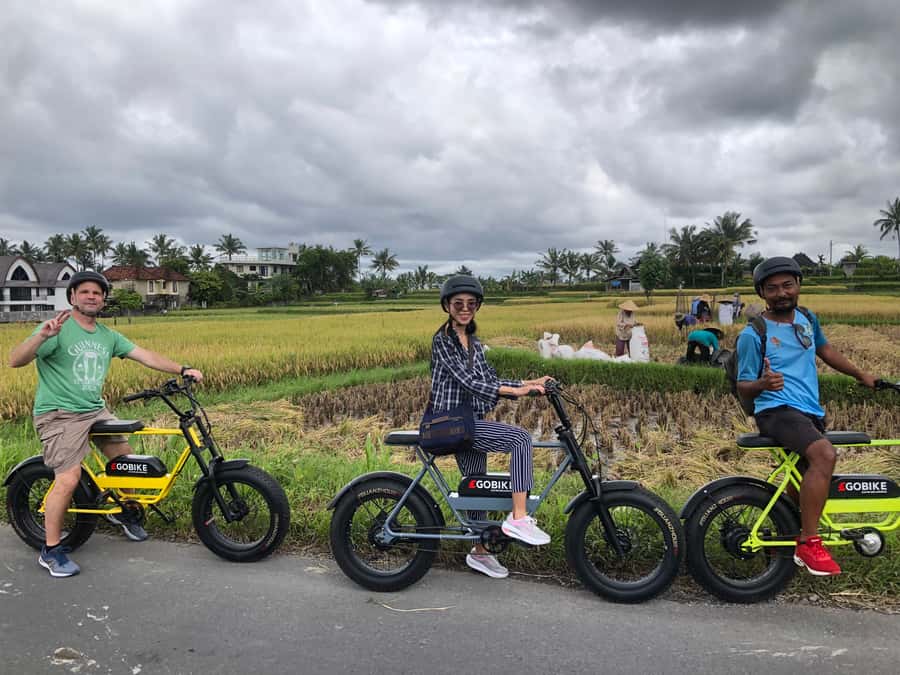
Between rice terraces and village time, you’ll make cultural stops at village temples along the route. This is important because it prevents the day from becoming just a scenery drive with a bicycle. You’ll learn how Hindu practice shows up in everyday spaces—offerings, temple structures, and the rhythms of village life.
The route also tends to include back roads rather than staying locked into the most obvious tourist corridors. That matters for two reasons:
- You get a calmer, more local-feeling ride.
- You can actually see how far-reaching Ubud countryside is, even when you’re starting from town.
Some groups also enjoy extra quick stops depending on the guide’s plan. Coffee and tea tastings show up often enough that it’s worth expecting a brief break if it’s part of your group’s route. If you’d rather skip it, guides have shown willingness to tailor the day—so it’s worth telling your guide what you want to prioritize.
The Street of Love farm stop: cycling through real paddies
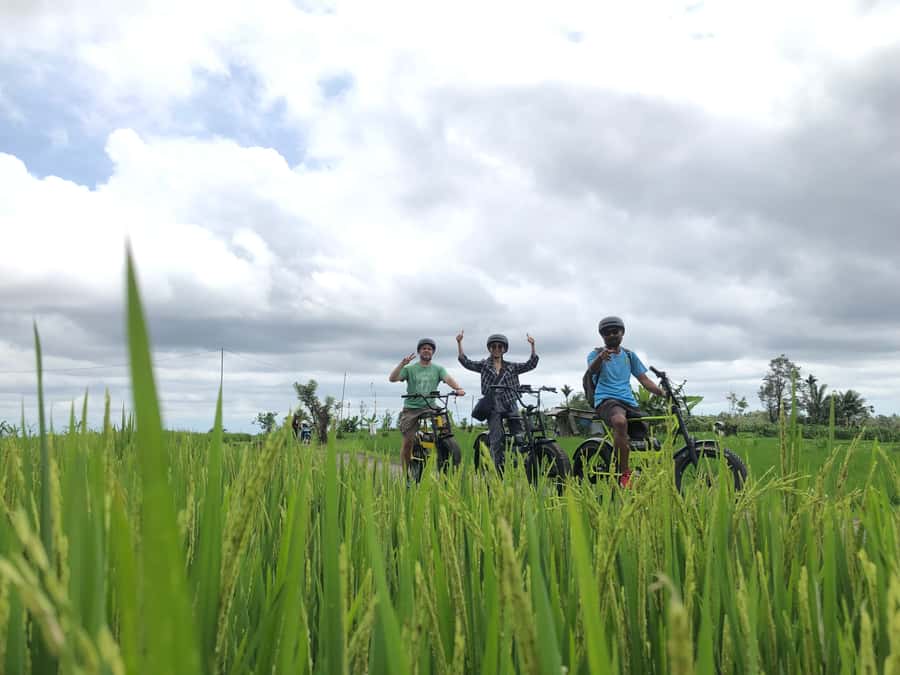
A highlight early on is the ride through lush, ripening rice fields at the farm of Jalan Cinta (Street of Love). This stop is more than a postcard pause. It’s your chance to experience the paddies up close while you’re moving, not standing still on a crowded platform.
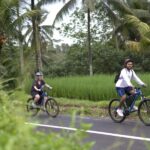
E-bikes make this section enjoyable because you can focus on the surroundings. You’re not fighting every hill; you’re rolling through the rhythm of farm lanes and water-lined paths. The electric assist means you’ll likely arrive at each stop with enough energy to actually enjoy it—not just survive it.
If you’re traveling with someone who’s unsure about biking, this is one of the best sections to reassure them. The scenery is rewarding, the pace is manageable, and the guide can help with controls so the day stays fun.

Lunch in Ubud: a Balinese meal that ends the ride well
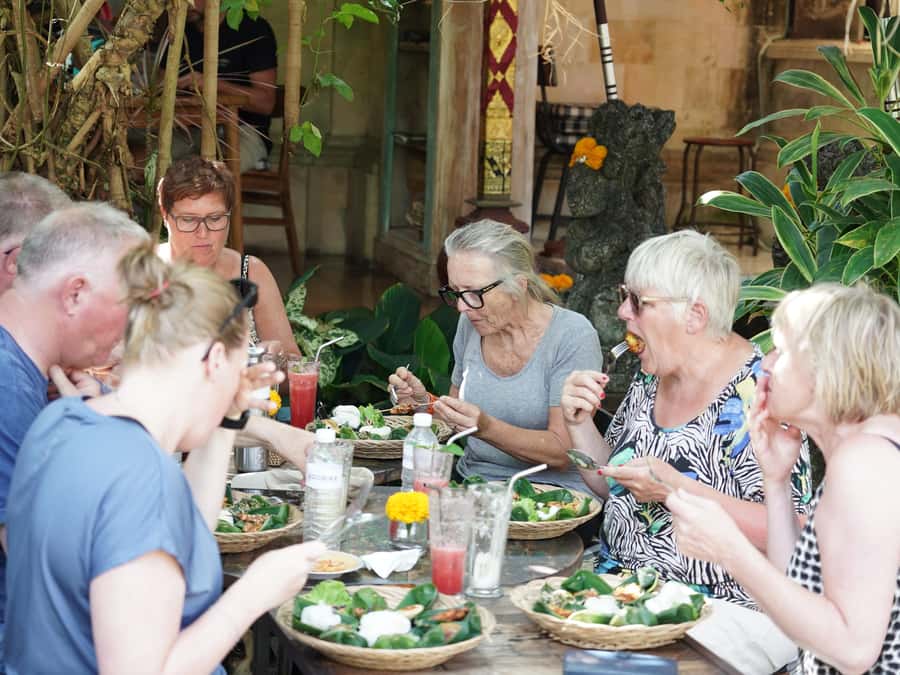
After the ride, you finish with lunch in Ubud, typically at a local restaurant/warung-style spot. This is included, and it’s one of those “small things that matter” because it removes a big decision from your half-day. You don’t have to scramble for food after you bike; you sit down and refuel as the day winds down.
Many people enjoyed the lunch as a real highlight, calling it delicious and satisfying without feeling generic. The best part is timing: you’re done with the active portion, but you’re still in the Ubud area early enough to continue your day comfortably after drop-off.
If you’re planning what to do next, consider booking something light afterward. You’ll likely still feel a little sun and exertion, even with e-bike assist—so keep your evening plans relaxed.
Price and logistics for a 4-hour half day
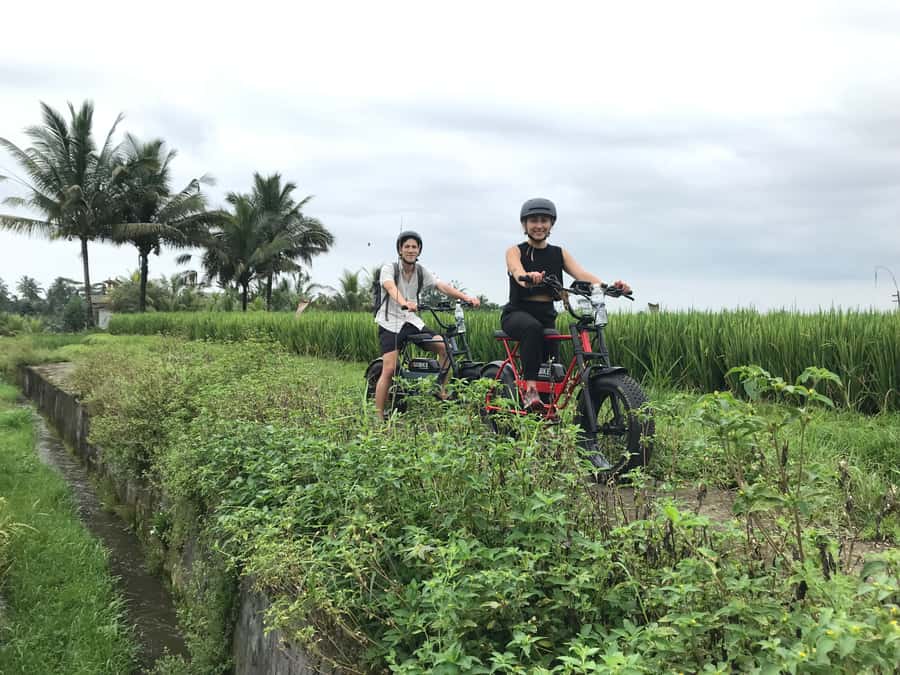
At $33 per person, this tour is priced in a way that fits a classic “half-day swap.” You’re paying for more than a ride: hotel pickup and drop-off in the Ubud area, the e-bike and helmet, an English-speaking guide, water, and lunch are all included. For a short window of time, that bundle adds up.
It also helps that the group is capped at 10 participants. In a small group, the guide can actually manage traffic flow, regroup on turns, and give meaningful explanations. That’s not just comfort; it’s the difference between a ride you remember and a ride you blur together.
Pickup timing is part of the plan. You’re asked to wait in the hotel lobby 60 minutes before your scheduled pickup time, and pickup happens within a 5 km radius of Ubud’s center. If your hotel is just outside that zone, you’ll need an alternative arrangement.
One more logistics point: you should arrive ready to bike. Wear shoes you’re comfortable walking in, and keep sunscreen, water awareness, and a light layer in mind for the day’s heat.
Who should book (and who should skip) this e-bike ride
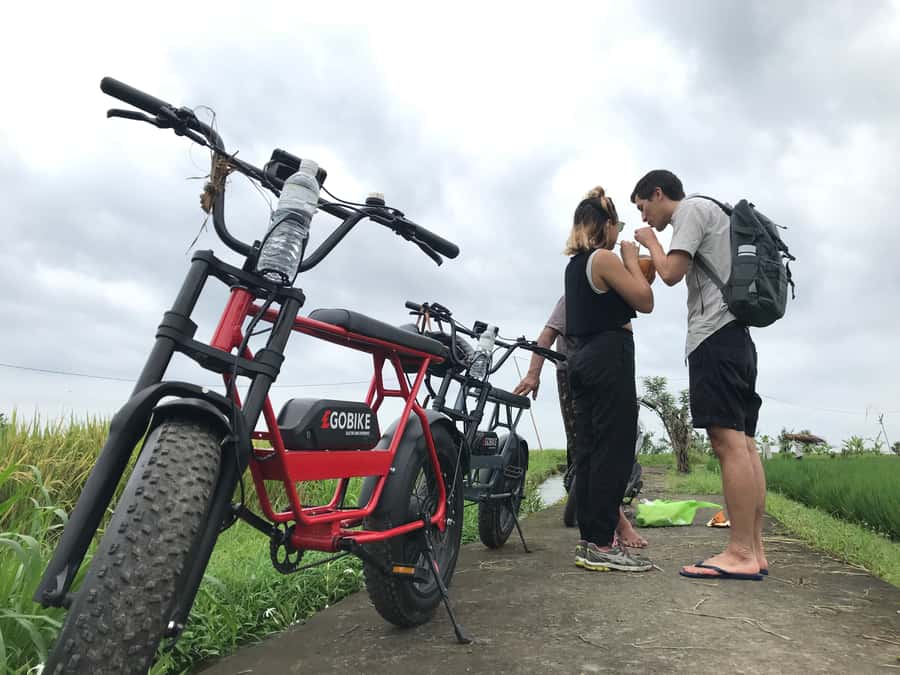
This is best for people who want a countryside and culture mix in a short time. If you enjoy rice terraces, village life, temples, and guided storytelling, you’ll likely feel like you got your money’s worth fast.
It’s also a good match if you’re not a strong cyclist. The e-bike assist makes it easier, and multiple groups highlighted how smooth the bikes feel once you learn the controls. Guides have also shown patience with first-timers, including extra encouragement and real safety focus.
Skip it if any of these apply:
- You can’t ride a bike.
- You’re over 260 lbs (118 kg).
- You’re under 4 ft 9 in (150 cm).
And if you get anxious around traffic, know there can be brief riding through more active parts of Ubud before you’re fully in the quieter countryside lanes. Ask for a slower start and use the warm-up time to get comfortable.
Final call: should you book this Ubud rice terrace and village e-bike tour?
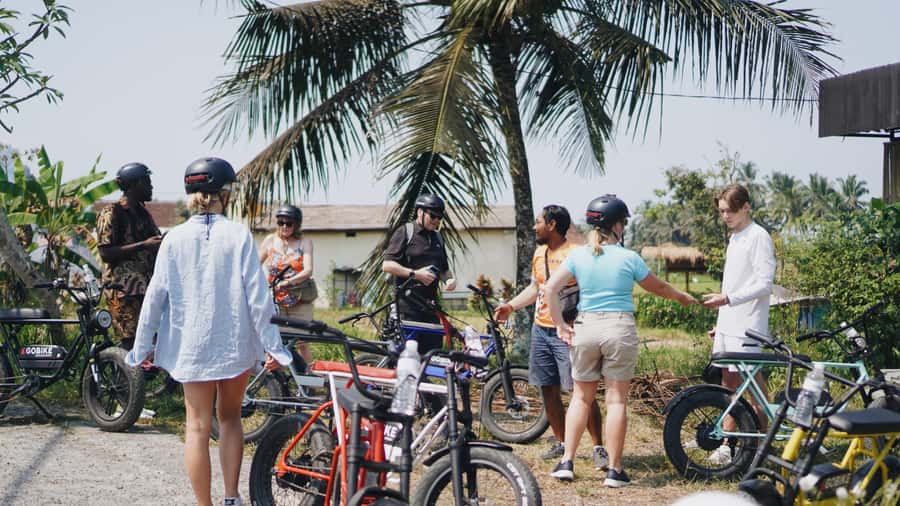
Yes, if you want the easiest way to combine Cekingan subak irrigation views, Tegalalang village time, and a proper included Balinese lunch—without burning a full day. The small group size, English guide, and e-bike setup make the experience feel manageable, even on a tight schedule.
No, if you want a purely car-free, off-the-grid adventure with zero street riding. This tour is mostly countryside, but it does connect places, and you’ll still cycle through some town areas to move between stops.
If you book, go in with one mindset: treat it like a guided walk-through that happens to roll on two wheels. You’ll get much more out of it.
FAQ
How long is the Ubud Rice Terraces & Villages half-day e-bike tour?
The tour lasts 4 hours.
Where is pickup available?
Hotel pickup and drop-off are included for accommodations in the Ubud area, up to a max of 5 km from the center.
What time does pickup happen?
Pickup is included and you’ll wait in your hotel lobby 60 minutes before the scheduled pickup time. Pickup is provided 1 hour before activities start.
What’s included with the e-bike?
You get an e-bike and a helmet, plus a cycling guide, water, and a raincoat if necessary.
Is lunch included?
Yes. Lunch at a local Balinese restaurant in Ubud is included.
Do I need prior experience riding a bike?
It’s not suitable for people who can’t ride a bike.
What’s the group size?
The group is limited to 10 participants.
Are there height and weight limits?
Yes. The tour is not suitable for people over 260 lbs (118 kg) or under 4 ft 9 in (150 cm).