REVIEW · UBUD
Kintamani Cultural and Nature Cycling Tour ( Manual Bike )
Book on Viator →Operated by Greenbike Adventure · Bookable on Viator
This ride turns Ubud scenery into a hands-on countryside day. I love how the route stays mostly downhill and car-light, plus how the guides talk you through daily life, temples, and village crafts. One thing to consider: you’re on manual bikes, so gear issues (and uneven lanes) can matter if you’re not comfortable riding carefully.
I also like that you get food built into the plan: coffee stops plus a proper lunch at the end. The timing is long enough to feel like a full outing (about 7 to 9 hours), so plan your day around it. If you want an easy ride with minimal thinking, this is pretty straightforward—but keep your eyes up because the countryside has narrow paths and occasional rough spots.
In This Review
- Key takeaways before you pedal
- Why this Kintamani cycling route feels worth $33
- Manual bike style: easy in effort, real in attention
- The day in motion: your route from plantation coffee to temple finish
- Greenbike Adventure coffee break: start easy, learn fast
- Tegalalang rice terrace photo stop: quick, classic, and short
- Kintamani start points: Abuan village and local home visit
- Taro village coffee break and Gunung raung temple
- Bresela rice fields and irrigation viewing
- Payangan finish near Hyang Api Temple, then lunch at Greenkubu
- The guide factor: why names like Gede, Ben, and Wayan matter
- What can go wrong (and how to protect your ride)
- Who this tour fits best
- Price and value: what’s included versus what you’re skipping
- Should you book the Kintamani Cultural and Nature Cycling Tour?
Key takeaways before you pedal
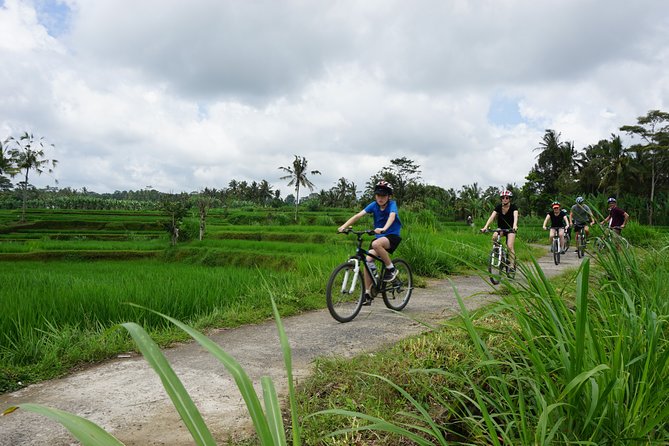
- Mostly downhill manual-bike route for an easy-going challenge with great payoff
- Ubud pickup and round-trip transport so you’re not stitching together logistics
- Village visits plus rice-terrace photo stops instead of only scenic lookouts
- Coffee breaks, lunch, and snacks included so you’re not hunting food mid-ride
- Two-guide setup in practice (lead and sweep) to help with pace and safety
- A temple-and-irrigation focus (Gunung raung and rice irrigation details) beyond sightseeing
Why this Kintamani cycling route feels worth $33
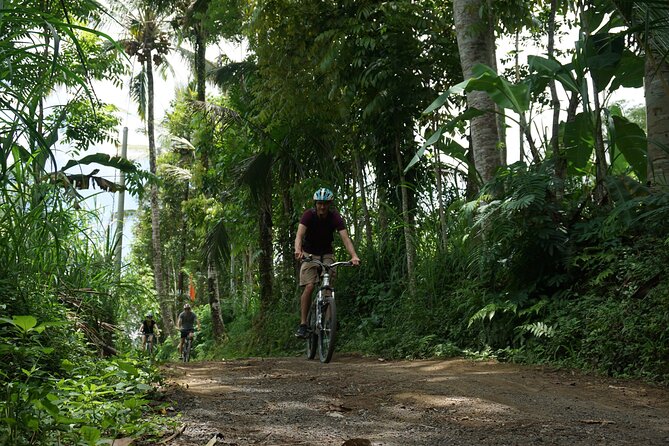
For about $33 per person, you’re buying more than a bike ride. You’re paying for a long countryside outing that includes transport from Ubud, guide interpretation, and multiple food stops. That combination is what makes it feel like good value, especially in Bali where getting out to the right places can otherwise cost time and money.
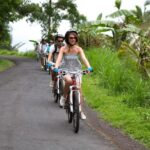
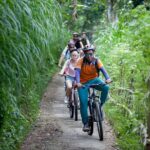
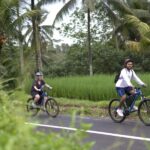
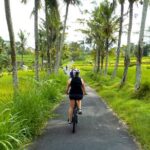
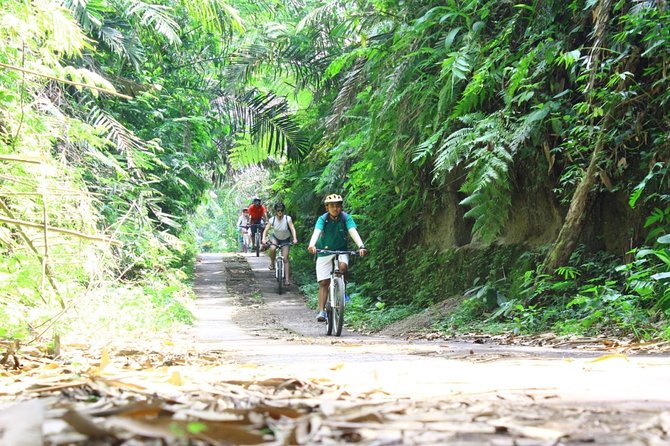
What I like most is the “away from crowds” effect. Instead of only hitting the usual viewpoint stops, you ride through lanes that feel like local daily routes—along rice fields, village edges, and forest sections. The result is a day that feels less like an Instagram detour and more like a moving conversation.
You can also read our reviews of more tours and experiences in Ubud.
Manual bike style: easy in effort, real in attention
This is a manual bike tour, and that’s the key practical detail. In real life, that means you’ll want to be comfortable shifting gears and slowing down smoothly, especially on narrower lanes. The good news: the ride is described as very downhill—one guide-led account put it around 95% downhill—so you’re not fighting elevation the whole time.
Still, keep your expectations honest. Some paths can have bumpy patches and tight corners. Even when the guides do a great job pointing out hazards, you’ll still need steady focus the way you would on any local road. And if your bike’s gears behave oddly, you’ll want to flag it early so the ride stays fun.
A small but smart tip from riders: wear sunscreen and bring bug spray. In December, people also noted the weather can feel cooling—so layers might be useful early morning or later in the afternoon—but you’ll still get sun time during long scenic breaks.
The day in motion: your route from plantation coffee to temple finish
The tour runs about 7 to 9 hours and uses round-trip transport from Ubud. It starts with pickup at your hotel, then you head up to the higher start points before the downhill riding begins. You’ll also get guide support throughout, including help with directions and pacing.
Below is what to expect stop by stop, and why each part matters.
Greenbike Adventure coffee break: start easy, learn fast
Your first stop is at Greenbike Adventure, where you settle in after pickup and drive up to a Balinese plantation area. The coffee break includes pancakes or a smoothie bowl, with gluten-free available if you request it.
This opening works well because it gets you fueled before you commit to the ride. It also sets the tone: your guide starts sharing how Balinese life connects with agriculture, food, and daily routines—so the countryside you’re about to pass through has context, not just scenery.
Practical note: this is the moment to ask the guide how to handle gears and braking comfortably if you’re new to manual bikes. It’ll make the rest of the day feel smoother.
Tegalalang rice terrace photo stop: quick, classic, and short
Next you pause briefly at Tegallalang rice terrace for photos. The stop is short—around 15 minutes—and it’s mostly about grabbing that iconic view and getting back on the road.
Why it’s useful: it gives you a strong “wow” moment without eating your whole riding time. The trade-off is that you won’t have a long wander here, so don’t expect hours of exploring. Treat it like a highlight stop, not the main event.
Kintamani start points: Abuan village and local home visit
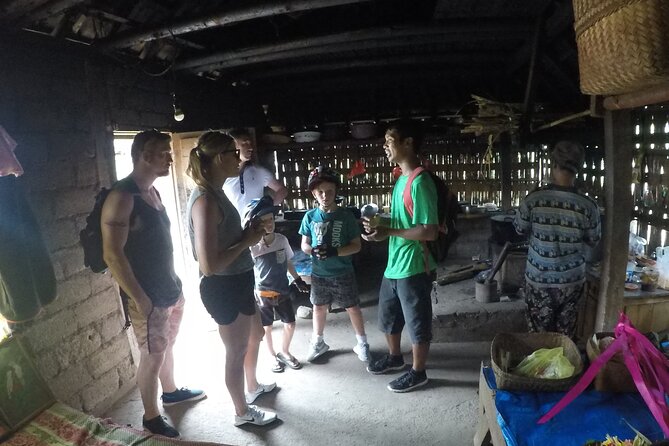
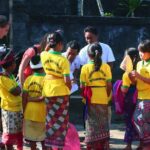
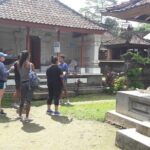
Then you begin the ride from Abuan Kintamani village area. After an initial segment (about 30 minutes of cycling time at Kintamani), you make a stop for visiting one local household in Abuan village.
This is where the tour shifts from scenery to people. A home visit helps you understand how religion, work, and family life flow together in rural Bali. Guides are known for being friendly and for explaining everyday details you’d otherwise miss—like how rice systems tie into community routines.
If you’re hoping for a cultural day that isn’t just “look and leave,” this is one of the best segments.
Taro village coffee break and Gunung raung temple
In Taro village, you get another coffee break and a visit connected to the Gunung raung temple. This portion lasts about 1 hour.
The value here is the combination: food and a spiritual landmark in the same stop. You’ll get a chance to slow down, snack, and listen to guide explanations while you’re surrounded by the kind of everyday village rhythm that makes Bali feel lived-in.
A rider highlight that matches this stop: guides like Wayan and others have been praised for being attentive and answering questions while you ride and pause.
Bresela rice fields and irrigation viewing
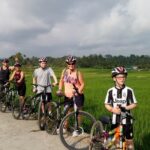
At Bresela, you stop to see rice fields and learn about the irrigation system. This stop is about 45 minutes.
I love this kind of stop because it’s not just about what the fields look like—it’s about how they’re made to work. When your guide points out how irrigation supports the rice cycle, the whole “rice terrace beauty” idea becomes more practical and real.
This is also a good rest moment. Even if the ride is downhill, your body still works—gripping, balancing, and steering on narrow sections. A field-and-irrigation break keeps the day comfortable.
Payangan finish near Hyang Api Temple, then lunch at Greenkubu
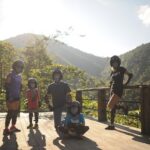
Your ride finishes around Hyang Api Temple in Payangan (about 30 minutes for the stop). After that, lunch happens at Greenkubu Restaurant and Swing (about 1 hour), with lunch included.
This is the wrap-up portion. If you want a final “Bali postcard” moment, this is where the day comes back to viewpoints and photos, plus you get to sit down and eat without scrambling for a restaurant.
And yes, the swing is part of the stop area name, so you may see people doing quick photo swings there. I’d treat it as optional—your priority is the ride, the village stops, and the meal at the end.
The guide factor: why names like Gede, Ben, and Wayan matter
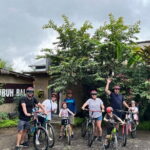
This tour succeeds because of how guides manage the ride and explain what you’re seeing. Many riders praise guides for being friendly, professional, and focused on safety—often with a lead guide and a sweep guide that keeps the group together.
Specific names that came up include Gede (praised for easy directions, pointing out hazards, and giving choices for off-main-road routes), Ben (mentioned for sharing background and making the ride feel authentic), and Wayan (praised for attentiveness and strong Q&A during the countryside segments). Riders also mentioned Gudday, plus Yoga and Madi for helping accommodate requests and keeping kids safe.
What you should take from that: you’re not just getting a driver and a bike. You’re getting someone who tries to explain daily life while also managing the real-world job of keeping riders safe on mixed roads.
What can go wrong (and how to protect your ride)
No tour is perfect, and a few practical issues showed up in experiences shared by others.
The most serious concern is mechanical or rider-control issues. One report mentioned bike gears slipping and jamming, leading to a fall. If your bike doesn’t feel right when you start, speak up immediately. Don’t wait. A quick fix or swap can prevent a bad spill.
Another concern: timing and transport. One account noted the driver was late and that they were then placed in a car with sick family members, leading to them feeling sick afterward. You can’t control other passengers’ health, but you can reduce risk by carrying a water bottle, using basic hygiene, and planning how you’ll handle a slower start if traffic hits.
Finally, remember that this is countryside riding, not a sealed bike path. Narrow alleys, bumpy sections, and occasional hazards mean you should ride confidently, keep a safe gap, and avoid rushing.
Who this tour fits best
This is a strong match if you want:
- a mostly downhill bike day without heavy climbing
- rural Bali views plus hands-on cultural stops
- included meals and breaks that keep the pace comfortable
It also tends to work well for families when riders are comfortable on bikes and the guides can manage smaller children safely. At the same time, because it’s manual-bike riding on country lanes, it’s best for people who can ride and steer calmly.
If you hate any gear shifting or you only ride automatic bikes at home, you should think twice and ask about bike comfort before booking.
Price and value: what’s included versus what you’re skipping
For $33, you get a full day experience with:
- pickup and round-trip transport from Ubud
- guide interpretation
- coffee breaks, lunch, and snacks
- a mix of temple and rice-field stops plus photo moments
You’re also getting a structure that saves your time. Without a guided tour, you’d have to pay separately for transport, find reliable food stops, and figure out which village routes are safe and appropriate for cycling. Here, those parts are bundled into the day.
The trade-off: you’re paying for organization and interpretation, not just bike rental time. If you want purely independent riding with total freedom, this format may feel structured. But if you want local context and simple logistics, it’s a fair bargain.
Should you book the Kintamani Cultural and Nature Cycling Tour?
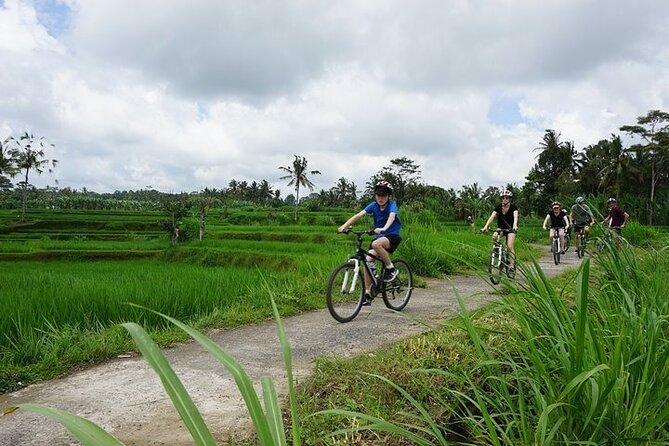
I’d book it if you want a real countryside day out of Ubud with a downhill-focused ride and cultural stops that go beyond quick viewpoints. The mix of rice terraces, village-home contact, coffee breaks, and irrigation talk makes it feel balanced—scenery, people, and food in one long outing.
Skip it (or ask extra questions) if you’re not comfortable on manual bikes, or if rougher lanes would stress you out. Also keep expectations aligned with what a shared-group bike day means: you’ll be riding with others, following a planned route, and pausing at set times rather than roaming freely.
If you’re the type who enjoys slow moments—coffee stops, temple explanations, irrigation viewing—this tour has your name on it.