REVIEW · SIEM REAP
From Siem Reap: Angkor Wat Sunrise and Temples E-Bike Tour
Book on GetYourGuide →Operated by ASEAN ANGKOR GUIDE · Bookable on GetYourGuide
Angkor Wat at dawn beats the daytime rush. This 4:40am sunrise tour uses tuk tuk and e-bikes to get you to the right spots fast, then keeps you moving between major ruins and quieter back routes.
I love the crowd-timed pacing (guides like Mr August have been known to adjust the plan to arrive early at the best viewpoints). I also love the local breakfast at the Royal Swimming Pool of Sras Srang, with classic Khmer dishes and homemade desserts. One drawback to keep in mind: you’re up early and doing real temple walking plus some rougher sandy/rocky road riding on the e-bike.
In This Review
- Key Highlights You’ll Feel on the Day
- Why This Tour Works Better Than a Straight Bus Schedule
- The 4:40am Pickup: Your Time Machine to Better Sunrise Views
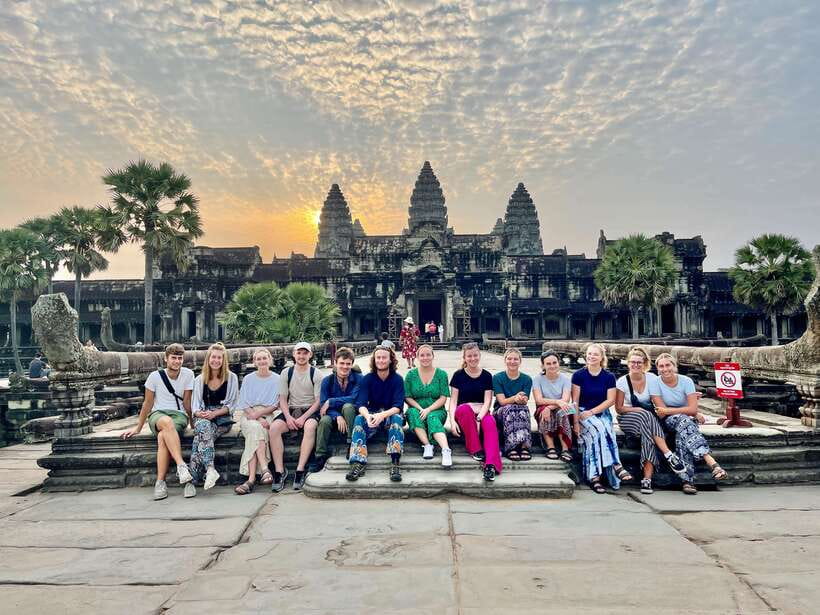
- Angkor Wat at Sunrise: What You’ll Actually Do There
- E-Bikes Inside Angkor Park: Freedom, Safety, and Some Reality Checks
- Ta Prohm and Ta Nei: Jungle Temples That Look Like They’re Alive
- Bayon and the Victory Gate: Smiling Faces and a King’s Signature
- Sras Srang Breakfast and the Siem Reap Market Stop
- The Value Question: $85 for a 9-Hour Temple + E-bike Day
- Logistics and Comfort Notes (So You Don’t Get Surprised)
- Should You Book This Angkor Wat Sunrise E-Bike Tour?
- FAQ
- What time does the tour depart from Siem Reap?
- How long is the tour?
- What’s included in the $85 price?
- Do I need to buy an Angkor pass?
- Which temples are visited?
- Where is breakfast provided?
- Is there a dress code?
- Who is the tour not suitable for?
- Is free cancellation available?
Key Highlights You’ll Feel on the Day
- A sunrise window at Angkor Wat that starts with a dark, flashlight-led walk to the reflecting pool area
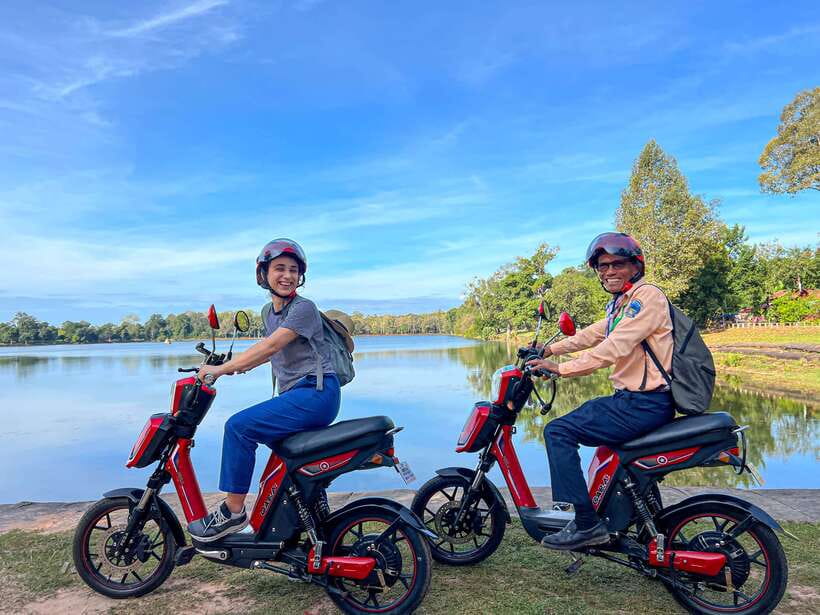
- E-bikes that cut down long walks, so you spend more time looking and less time dragging through heat
- Jungle-wrapped ruins like Ta Prohm and Ta Nei, with roots and trees swallowing the stone
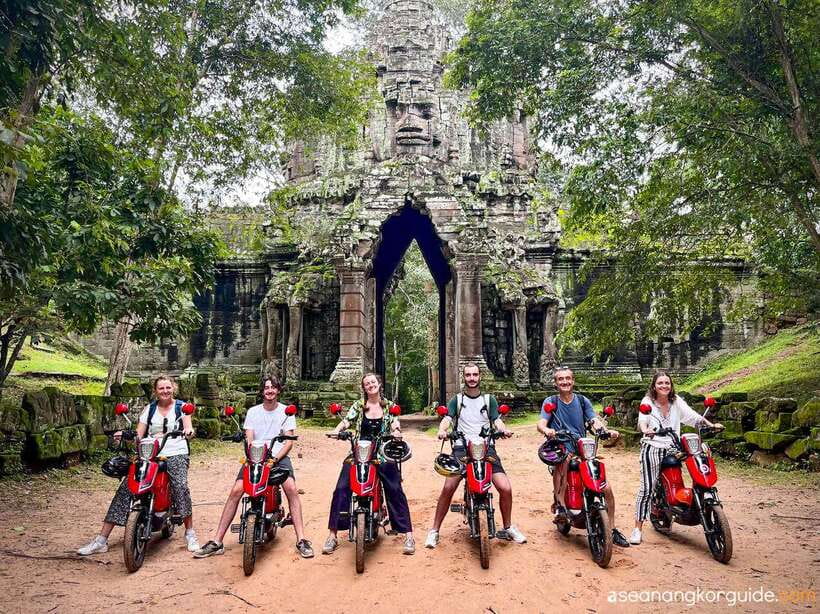
- Bayon’s smiling faces plus the Victory Gate of Angkor Thom, tied to King Jayavarman VII
- Comfort kit and photo help, including ice-cold towels, bottled water, and guides taking photos (Mr August sent photos for one group)
Why This Tour Works Better Than a Straight Bus Schedule
Angkor is popular for a reason, but daytime temple tours can feel like a crowd stand-in: walk, wait, stand in lines, then move on. This tour flips the script. You start early enough to see Angkor Wat with fewer people around, then you ride to the next sites instead of spending the whole day walking between them.
The e-bike part isn’t just a gimmick. With tuk tuk getting you to the sunrise zone, you can move farther around the park than you would on foot. Guides such as Raman, Sa, Mr Ho, Makara, and Jan show up with different styles, but the theme stays the same: keep you safe, keep you comfortable, and get you to the good angles before the masses.
And yes, you’ll still see the big hits. But you’ll also get small, practical moments like market snacks and a real Khmer breakfast instead of only temple-photo stops.
You can also read our reviews of more tours and experiences in Siem Reap.

The 4:40am Pickup: Your Time Machine to Better Sunrise Views
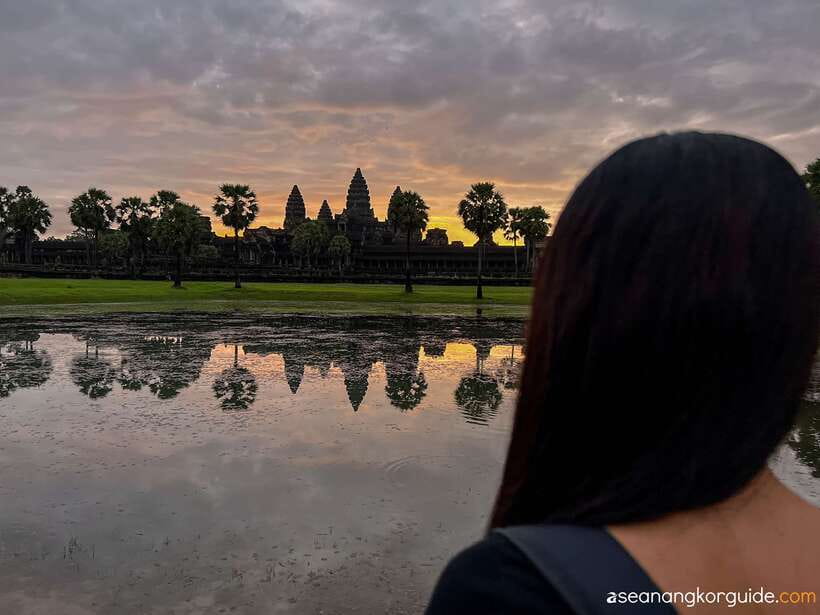
The day begins before your body wants to wake up. Departure is listed at 4:40am, and you’ll meet your guide in your hotel lobby with a note to be ready about 10 minutes early. In the early dark, you ride from Siem Reap to the temple area and follow a quick path that gets you near the main viewing points before the sun starts doing its thing.
What you’re really buying with this early start is control. Angkor Wat sunrise is gorgeous, but it’s also a timing game. One group noted that sunrise landed around 6:30am, and they arrived in time for a roughly hour-long wait. That wait is part of the experience: you watch the light shift, then the carvings and stone reflections start to pop.
Practical tip: bring a light layer. The morning is cooler than midday, and you’ll be standing around before sunrise. Also, make sure you can handle a bit of uneven ground around the entrance and reflecting pool area.
Angkor Wat at Sunrise: What You’ll Actually Do There
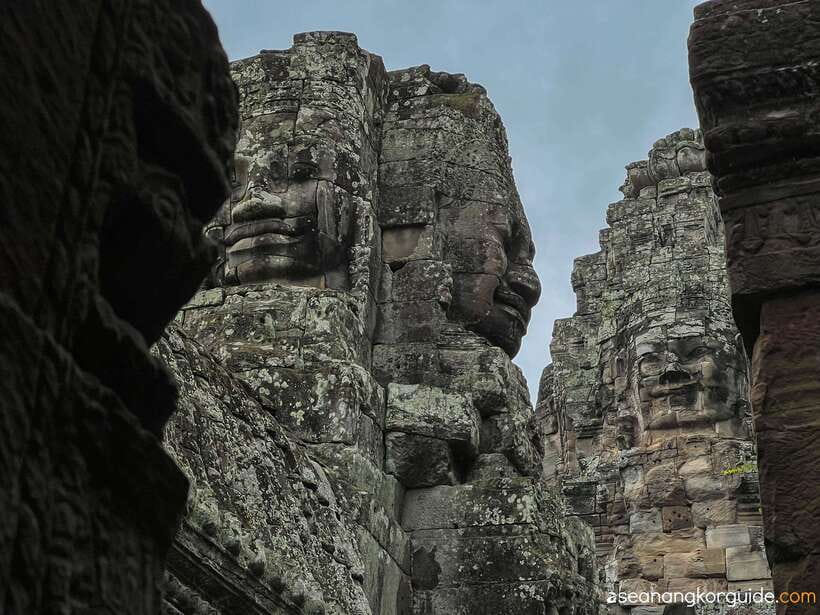
Your schedule includes time inside Angkor Wat after you’re in the sunrise area. The tour description says you may spend about 1 hour and 30 minutes exploring the whole complex, and you’ll get a guide-led flow rather than wandering alone.
Expect a mix of big-picture meaning and close-up details. The guide’s job is to point out the design choices that make Angkor Wat feel so deliberate—symmetry, causeway views, and how the temple layout supports ceremonies and worship.
From what I see in how guides like Mr Ho and Raman explain the site, the sunrise isn’t the only payoff. You learn what you’re looking at while the light is still gentle. Then, later in the day, you’ll spot those details again from different angles as you move on—especially if you take a few minutes for photos between stops.
If it’s cloudy, sunrise may not look like a perfect postcard. One review noted a cloudy morning, but they still found it special. The key is that the timing and atmosphere make the difference, not just the sky.
E-Bikes Inside Angkor Park: Freedom, Safety, and Some Reality Checks
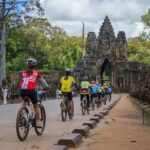
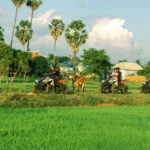
The e-bike portion is the reason many people say this tour feels different from the usual day-trip. Instead of walking from one ruin to another, you zip between sites on small roads.
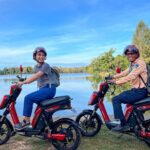
The bikes are described as electric-assisted and easy to operate, with one note comparing them to electric scooters. You’ll feel airflow while riding, which helps in Siem Reap’s heat. The tour also includes a support team approach: one or more tuk tuk drivers follow behind or meet at the next spot, which adds a safety net if something goes wrong.
Here’s the real tradeoff: you need comfortable balance and confidence on uneven surfaces. Some routes can be rocky and sandy. If you’re used to bicycles, you’ll likely be fine. If you’re not, slow down at the start and follow your guide’s pace. One participant even fell off an e-bike, and the guide assisted—so they’re set up to handle minor problems, but you still want to ride carefully.
Why it’s worth it for you: you’ll often reach parts of the route that bus tours can’t, which means less standing in the heat and more time near temple entrances. Reviews specifically mention getting closer than you’d expect and using alternative sides/entrances where crowds thin out.
Ta Prohm and Ta Nei: Jungle Temples That Look Like They’re Alive
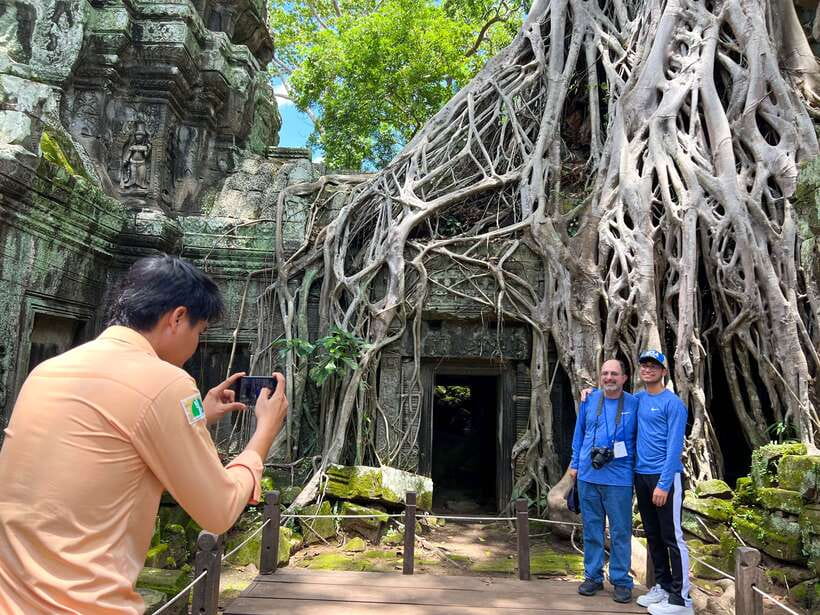
Ta Prohm is famous for a reason. It’s the one where trees and roots tangle through the stone in a way that makes the temple feel halfway swallowed by the jungle. On this tour, you also visit Ta Nei, described as left in its original state and partly overgrown.
When you arrive, pay attention to how the ruins feel different from Angkor Wat. Angkor Wat reads as grand and designed. Ta Prohm and Ta Nei feel more raw and tangled, like nature has been working on the stone for ages. That contrast makes the day click.
The best way to enjoy these stops is to slow down. Look at the roots, notice the way openings frame light, and take a minute to understand the layout before you rush for photos. Guides often connect what you see to stories about the site’s role and the broader Angkor era, so you get more meaning than just visuals.
One more practical point: you’ll do temple walking here, and some areas can have steps and uneven footing. If you’re sensitive to that, go slow and use any guidance from your guide.

Bayon and the Victory Gate: Smiling Faces and a King’s Signature
After the jungle temples, the day shifts to Bayon and the Victory Gate of Angkor Thom. Bayon is known for the famous smiling faces, and the tour context ties these monuments to King Jayavarman VII, who was associated with Mahayana Buddhism.
Bayon is one of those places where your first glance makes sense—those faces are unmistakable. But your guide’s value shows up on the second glance. You start noticing repetition, placement, and how the temple functioned as a monastery and a place used for worship, education, and administration.
Then you reach the Victory Gate, described as a world-famous landmark. This is where the day’s history stops being abstract. The gate feels like a threshold you’re crossing, and it helps you understand Angkor Thom as a whole city with entrances that controlled movement and symbolism.
If you like photography, keep your camera ready here. Multiple guides in the experience have been praised for taking great photos and setting up shots. Even if your own photo skills are good, a guide who knows angles helps you avoid wasting time.
Sras Srang Breakfast and the Siem Reap Market Stop
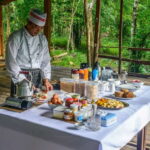
This is one of my favorite parts of the day because it’s not just more temple time. You ride to the Preah Dak village area for breakfast, and the tour specifically places the meal at the Royal Swimming Pool of Sras Srang.
The food details matter because this isn’t a generic hotel breakfast. You get authentic Cambodian options such as Khmer rice noodle with fish green curry soup. There are also desserts like palm cake and steam rice dumplings with palm sugar. One nice touch mentioned in reviews: fruits, coconut, and the cooling comforts that come with the meal.
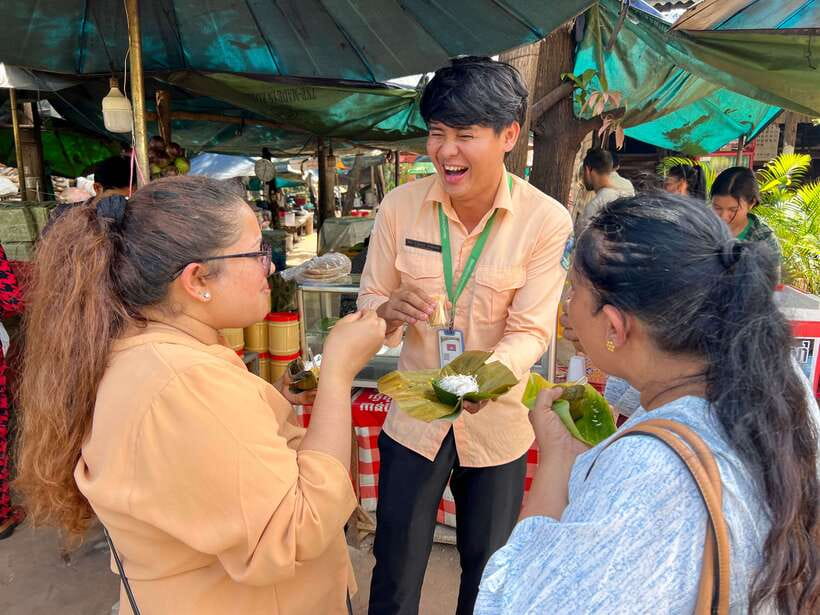
Then you stop at a local market in Siem Reap. This is where you can graze and learn how everyday food works—sticky rice, cakes, fruits, egg noodles, and even more unusual items like fried spiders and scorpions for the truly adventurous. You can keep it simple and stick to the familiar things, but it’s worth walking the stalls slowly with your guide so you know what you’re seeing.
Practical advice: go hungry enough to enjoy it. If you eat too early at the hotel, this meal won’t feel special. Also, if you’re sensitive to spice, tell your guide before you order anything at the market.
The Value Question: $85 for a 9-Hour Temple + E-bike Day
At $85 per person for a 9-hour day, you’re paying for three things: early access timing, e-bike transport, and guided interpretation. That’s why some people say it feels pricier than group bus tours—because it is.
But the value isn’t only about saving walking time. It’s also about quality of experience. You get a guide who can explain what you’re seeing, help you plan your route around crowds, and keep you safe on the roads. The e-bike also changes the day rhythm. You cover a lot more ground while still having stops that feel like they matter.
Add one cost you must plan for: the Angkor pass. A 1-day pass is listed as $37 per person and is not included. So your real all-in temple budget is higher than $85. Still, if you’re only doing Angkor once on your trip, spending for a tour that gets you to sunrise and beyond can be a smart way to protect your time.
Bottom line: if you want maximum temple time plus minimum stress, this looks like good value. If you’re on a strict budget and you don’t care about e-bikes or early crowds, then cheaper group options may make more sense.
Logistics and Comfort Notes (So You Don’t Get Surprised)
A few details can make or break your comfort on a long temple morning.
Clothing matters. Sleeveless shirts aren’t allowed, so bring something with sleeves. You’ll also be in sun later, so light fabric helps, but make sure it still fits the rule.
You’re traveling by tuk tuk and e-bike, so be ready for a mix of vehicle time and walking time. The tuk tuk is used for the start and the end, and it’s also part of the safety system on the roads.
Food is partly covered. Breakfast is included, but lunch and beverage are not. Plan on grabbing lunch afterward on your own. Also, the tour includes cool drinking water, seasonal fruits, and towels, which is a big deal for heat management.
Safety is a recurring theme in feedback. Drivers help keep traffic safe while you switch roads or approach temple sides. If you’re nervous about riding, tell your guide right away at pickup.
Finally, the tour isn’t for everyone. It’s listed as not suitable for pregnant women and for people over 70. If you’re close to either limit or unsure, check your comfort level with your provider before you commit.
Should You Book This Angkor Wat Sunrise E-Bike Tour?
I’d book it if you want: Angkor Wat sunrise, real temple guiding, and a way to move between sites without spending the day trudging in heat. The e-bike format is the biggest upgrade, and the breakfast + market stop makes the day feel more like Cambodia, not only ruins.
Skip it if you dislike early mornings, you don’t feel steady riding an e-bike over rougher roads, or if you need a fully low-walking experience. Temples involve steps and uneven ground, and that’s part of the deal.
If your goal is your best single-day introduction to Angkor—plus comfort support like cool towels and water—this tour fits that mission.
FAQ
What time does the tour depart from Siem Reap?
The tour departs at 4:40 am. Hotel pickup is included, and you should wait in the hotel lobby about 10 minutes before your scheduled pickup time.
How long is the tour?
The duration is 9 hours.
What’s included in the $85 price?
Included are a professional English-speaking tour guide, an e-bike, hotel pick-up and drop-off by tuk tuk, cool bottle of water, seasonal fruits, coconut, towels, and breakfast (local food and home-made dessert).
Do I need to buy an Angkor pass?
Yes. A 1-day Angkor pass is not included and costs $37 per person.
Which temples are visited?
You’ll visit Angkor Wat for sunrise, Ta Prohm and Ta Nei, and Bayon plus the Victory Gate of Angkor Thom.
Where is breakfast provided?
Breakfast is provided in the Preah Dak village area at the Royal Swimming Pool of Sras Srang.
Is there a dress code?
Sleeveless shirts are not allowed.
Who is the tour not suitable for?
It is not suitable for pregnant women and for people over 70.
Is free cancellation available?
Yes. You can cancel up to 24 hours in advance for a full refund, and the booking also offers reserve now & pay later.