REVIEW · SIEM REAP
Angkor Region & Rainforest Bike Tour
Book on Viator →Operated by Angkor Cycling Tour · Bookable on Viator
An early bike ride through Angkor beats the gridlock. This Siem Reap Angkor cycling tour is built for people who want temple views without the crush, using quieter routes and a guided pace across 5 major sites. I like that you get a quality Trek mountain bike and helmet (so you skip the gear hunt), plus lunch and drinks included. One heads-up: the Angkor temple pass is not included, and you’ll also want to be comfortable with some uneven ground and a possible muddy day.
You’ll roll out at 7:30am from Taphul Rd, and the day is structured so you see famous places and some calmer angles too—by bike, not bus. The vibe stays active but not chaotic, and the group stays small, with a maximum of 10 travelers.
The main drawback is simple math and reality: budget for the one-day Angkor pass, dress for active worship rules, and don’t plan on a relaxed sit-down tour. If you’re okay with that, you’re in a great spot for an efficient, scenic day.
In This Review
- Key things worth knowing
- Why Bike Through Angkor Beats The Usual Temple Shuffle
- Price, Temple Pass, and What You Actually Pay
- Getting Started: 7:30am Meeting Point and How The Day Flows
- Rainforest Riding on Two Wheels: The Off-Trail Feeling
- Angkor Cycling Tour Route: Angkor Thom Gates and the Prasat Chrung View
- Angkor Wat and Bayon Faces: What You See Up Close
- Jungle Temples of Preah Khan and Tanei’s Ancient Hospital Site
- Taprom (Ta Prohm) and the Perfect Way to End Your Temple Day
- Meals, Coconut Juice, and Water That Actually Helps
- Dressing for Active Temples in Cambodia (and Avoiding Problems)
- Who This Angkor Bike Tour Fits Best (and Who Should Rethink It)
- Should You Book This Angkor Region & Rainforest Bike Tour?
- FAQ
- How long is the bike tour?
- What time does the tour start, and where do I meet?
- Is a bike and helmet provided?
- What meals and drinks are included?
- Is the Angkor temple pass included in the price?
- Do they pick you up from your hotel?
- What should I wear for visits to active temples?
- How big is the group?
Key things worth knowing
- Skip the rental hassle with a Trek mountain bike and helmet included
- Five temple stops: Angkor Wat, Bayon, Preah Khan, Tanei, and Taprom
- Less crowded routes with rainforest trail riding and off-beat approaches
- Real fuel for a hot day: lunch plus coconut juice and pure drinking water
- Small group feel with a max of 10 travelers
- Mud happens on forest trails, so sunscreen and rain-ready gear are smart
Why Bike Through Angkor Beats The Usual Temple Shuffle
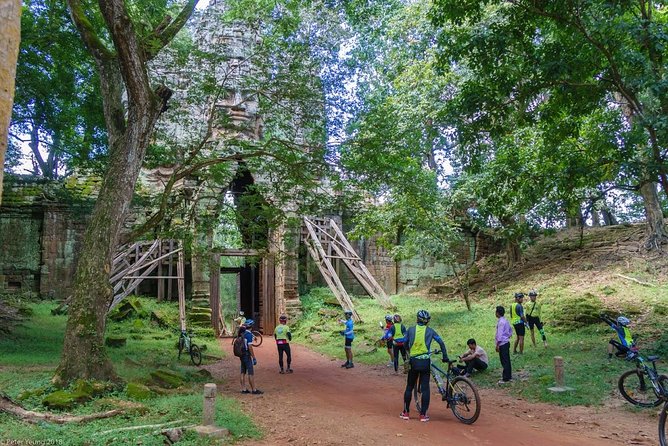
Angkor is spectacular, but it can also feel like a timed queue—tours pouring in, tour buses idling, and everyone trying to photograph the same spot from the same angle. This is why I love the “bike first” approach. You move under your own speed, and you get a chance to take in the temples from routes that are not the most obvious ones.
Instead of only joining the main traffic flow, you ride along rainforest trails and the kind of paths that don’t get packed. That matters because Angkor isn’t just a pretty backdrop—it’s an active spiritual place for Buddhists and local worshippers, with daily prayer and meditation happening in and around the sites. When you arrive by bike on a quieter line, you tend to feel the place more, and you lose less time standing still.
You can also read our reviews of more tours and experiences in Siem Reap.

Price, Temple Pass, and What You Actually Pay
The tour price is $50 per person, and that’s a solid deal if you treat it as “bike + guide + meals + water,” not just transportation. You’re paying for English-speaking guidance, a maintained mountain bike (Trek), a helmet, and a planned day of temple visits with lunch and multiple drinks included.
But there’s one cost you must plan for: the temple pass (37$ for one-day entry). The tour doesn’t include admission. So your real budget is roughly $50 plus the pass. If you already know you’ll buy the pass anyway for an Angkor day, this bike format can feel like better value than paying separately for transport and guide time.
Also note: no hotel pickup or drop-off is included. That doesn’t make the tour worse—it just means you need to get yourself to the meeting point in Siem Reap.
Getting Started: 7:30am Meeting Point and How The Day Flows
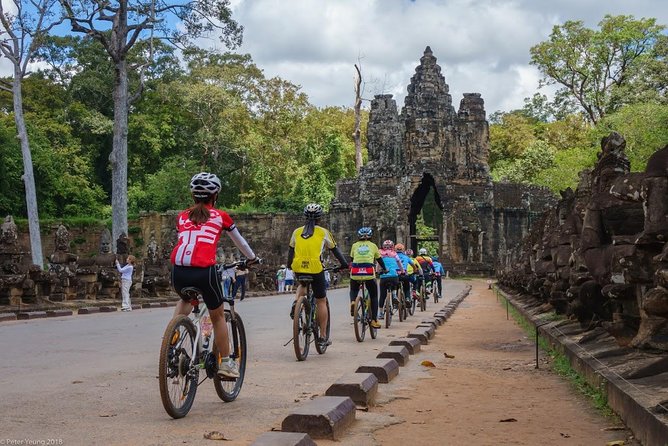
Start time is 7:30am at Taphul Rd, Krong Siem Reap 17252. You’ll end back at the same meeting point. That “loop back” design is practical: you’re not spending the day negotiating rides, and you’re not guessing where you’ll end up.
The early start is a quiet win. Angkor heat builds fast, and temple crowds rise too. Getting moving in the morning helps you keep the ride comfortable and the views easier to photograph.
Your group is capped at 10 travelers, which usually makes a difference. You’ll have time to hear explanations from your English-speaking guide without the whole thing turning into a fast-moving herd.
Rainforest Riding on Two Wheels: The Off-Trail Feeling
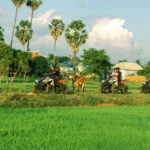
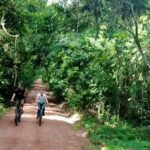
The ride includes an adventurous rainforest trail section—described as a natural, undisturbed path through the World Heritage area. This is the part that turns “temple day” into “Cambodia day.” You’re not just ticking boxes; you’re riding through vegetation that has been around for centuries.
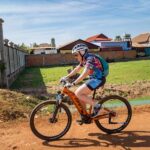
One practical note: the forest trails can be wet and muddy. The good news is that the tour is set up for real riding conditions. The bikes are kept in good working shape, and you’re provided a helmet so you can focus on the trail instead of worrying about safety gear.
Bring sunglasses and sunscreen and plan for rain. If you tend to slip easily on wet ground, wear shoes with solid grip. You’re on a mountain bike, but you’ll still face uneven paths around the temple zones too.
Angkor Cycling Tour Route: Angkor Thom Gates and the Prasat Chrung View
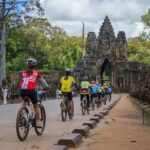
Your temple rhythm starts with Angkor Thom’s defensive world. You’ll pass the South gate of Angkor Thom, which is part of the impressive defensive wall that shaped the city. Even if you’ve seen photos, arriving here by bike gives you a different sense of scale—you’re moving through the spaces rather than only standing at the edges.
Then comes one of the more physical moments: you’ll climb up and venture on the protection wall of Angkor Thom to see the view at Prasat Chrung. This is where your legs get a workout and where the scenery turns into something you actually remember, not just something you captured on a memory card.
After that wall moment, you’ll head through the West gate and North gate of Angkor Thom. These gates help you connect the dots across the broader layout, which is useful because Angkor Thom can feel confusing if you only approach it from one direction.
Angkor Wat and Bayon Faces: What You See Up Close
Angkor Wat is a must, and this day gives you more than a drive-by. You’ll also get a route that flows logically from one major section to the next, helping you understand why these spots mattered.
Then you reach Bayon, famous for its 54 towers and 216 smiling faces. The faces are the headline, but the real value is context: when you visit by guided ride and structured stops, you get help reading what you’re looking at instead of guessing on your own.
I’d treat Bayon as your photo-and-quiet moment. The smiles are iconic, but also look for carvings and how the temple sits in its setting. With a guide explaining what to watch for, you’ll get more out of every photo and less time wondering what’s going on.
Jungle Temples of Preah Khan and Tanei’s Ancient Hospital Site
After the “famous list” temples, the tour shifts toward quieter mood. Preah Khan is described as a temple covered by jungle, and that jungle cover changes the atmosphere in a good way. Instead of only seeing stone, you’re seeing stone with living greenery working around it. It feels less like a postcard and more like a place that has kept evolving.
Next is Tanei, described as an ancient hospital and noted as untouched by archaeologist. That phrasing matters. It signals a slower, more natural feel and less of the polished showpiece vibe you might expect at other major stops. You’re in a section that gives you space to notice the structure and the site’s quieter presence.
One realistic consideration here: jungle temples can mean uneven ground, roots, and more visual clutter from vegetation. Wear clothing you don’t mind getting scuffed, and keep your phone and camera straps secure.
Taprom (Ta Prohm) and the Perfect Way to End Your Temple Day
The tour includes Taprom as one of the final temple visits. Even without a long technical explanation, this stop is one of those Angkor sights most people recognize immediately by visual style and mood.
Why it’s a good ending? By the time you reach it, you’ve already built a mental map of Angkor Wat and Angkor Thom and spent time in the jungle-covered sections. Taprom lands with more meaning because you’ve seen how Angkor shifts from open temple spaces to enclosed, plant-tangled corners.
Plan to take your time here. It’s the kind of stop where you can’t rush without losing the details. Keep your pace steady, follow your guide’s timing so the group stays together, and use the time to zoom out and observe the whole scene—not only the most photographed parts.
Meals, Coconut Juice, and Water That Actually Helps
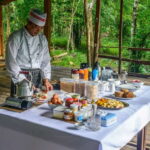
This tour includes lunch, plus coconut water and pure drinking water. That sounds like basic comfort, but it’s genuinely important in Angkor’s heat and humidity.
Coconut water is a smart choice mid-day because it’s refreshing and easy to drink without thinking too hard. Pure water matters because you’re biking and walking around temple sites for hours. I treat this as part of the value of the tour: you don’t have to track down snacks and drinks, and you’re less likely to run out of energy before the last temple stop.
If you have dietary needs, the tour asks you to provide them at booking. That’s the kind of detail that prevents unpleasant surprises later.
Dressing for Active Temples in Cambodia (and Avoiding Problems)
Angkor is not only a historic site. It’s an active spiritual space where Buddhists and local citizens perform daily worship, prayer, and meditation.
That means dress rules apply in sacred palace areas. Revealing clothes such as shorts and skirts above the knees and bare shoulders are prohibited in those sacred palaces. Respectful dress is strongly encouraged.
For a bike day, you want clothing that rides comfortably but also covers you properly once you’re in temple zones. I usually recommend lightweight long pants or knee-length shorts plus a top that covers shoulders. You’ll feel better too, because temple heat is real even when the ride is cool.
Also bring a camera if you care about details. The day is built around viewpoints, faces, gates, and jungle texture—plenty to photograph when the timing is right.
Who This Angkor Bike Tour Fits Best (and Who Should Rethink It)
This is a good fit if you want:
- A bike day with structure: guided stops, logical route flow, and no gear rental headache
- Less crowd time: you’re using hidden or less obvious trails off the main tourist routes
- A mix of temples and nature: you get rainforest trail riding plus major Angkor sites
- A small group feel with a max of 10 travelers
You might rethink it if:
- You don’t want to budget for the 37$ temple pass
- You prefer hotel pickup and drop-off (this tour starts from a specific meeting point)
- You’re uncomfortable with some climbing and uneven areas, including the protection wall climb toward Prasat Chrung
The good news: the tour states most travelers can participate. Still, at booking you must advise passenger height, since bikes need to fit properly.
Should You Book This Angkor Region & Rainforest Bike Tour?
I’d book it if your goal is a high-value Angkor day that combines real movement, less crowd pressure, and guided temple seeing without spending extra time and effort on equipment. The included Trek bike and helmet, plus lunch and drinks, makes the $50 price feel like you’re paying for the whole experience—not just a ticketed activity.
Book early enough that you can lock in your preferred slot. It’s commonly booked about 10 days in advance, so if your travel dates are fixed, plan ahead. If plans change, there’s free cancellation up to 24 hours in advance for a full refund, which makes it easier to commit without stress.
If you’re the type who likes active days, can handle a bit of mud, and wants Angkor from a different angle than the bus crowd, this one is a very practical choice.
FAQ
How long is the bike tour?
The tour runs about 8 hours.
What time does the tour start, and where do I meet?
It starts at 7:30am at Taphul Rd, Krong Siem Reap 17252, Cambodia.
Is a bike and helmet provided?
Yes. You’ll get a premium mountain bike (Trek) and a helmet.
What meals and drinks are included?
Lunch is included, along with refreshing coconut water and pure drinking water.
Is the Angkor temple pass included in the price?
No. The tour does not include admission. The temple pass is 37$ for one-day entry.
Do they pick you up from your hotel?
No. Hotel pick-up and drop-off are not included.
What should I wear for visits to active temples?
Dress respectfully. Shorts and skirts above the knees and bare shoulders are prohibited in sacred palace areas, so plan for clothing that covers appropriately.
How big is the group?
The group is limited to a maximum of 10 travelers.