REVIEW · NARA
E-Bike Nara Highlights – Todaiji, Knives, Deer, Shrine, and Gems
Book on Viator →Operated by Japan Tour Adventure · Bookable on Viator
Nara in three and a half hours by e-bike. This Nara Park loop is built for seeing the big sights plus a few quieter corners, with pedal assistance doing the heavy lifting. You glide past deer, then land at Todaiji and Kasuga, and finish with a stop that most first-timers never plan: a Japanese knife-maker’s original shop.
I love the pacing—you cover ground fast without wearing yourself out between far-apart stops. I also like how the tour mixes “must-sees” with hands-on culture, including Kikuichi cutlery and advice if you want to shop smart.
One thing to consider: this is a shared tour, so a French guide isn’t guaranteed (English gets priority), and the day depends on good weather to run smoothly.
In This Review
- Key highlights you’ll feel right away
- Why Nara Park Works So Well by E-Bike
- Start Point, Timing, and How the Ride Stays Comfortable
- Stop 1: Nara Park Deer Encounters Without the Traffic Headache
- Todaiji’s Great Gate to the Daibutsuden Hall
- Kikuichi Knife Shop: Japanese Cutlery and What to Ask
- Kasuga Grand Shrine and the Lantern Path at a Human Pace
- Ukimido’s Wooden Bridge: The Calm Photo Stop at the South End
- Price and Value: What $92.24 Buys You in Real Terms
- Guides, Safety Breaks, and Why the Small Group Size Helps
- Who This Tour Fits Best (and Who Might Want Another Option)
- Should You Book This E-Bike Nara Highlights Tour?
- FAQ
- How long is the e-bike highlights tour in Nara?
- What’s included in the price?
- Are entrance tickets covered for the major sites?
- Do I need to bring food or drinks?
- Can I request a French-speaking guide?
- Where does the tour start and end?
Key highlights you’ll feel right away
- E-bike saves your legs on a route with hills and spaced-out stops
- Nara Park cycling beats traffic stress and keeps you moving with the guide
- Todaiji’s scale and rituals land hard, from the Great Southern Gate to the Great Buddha hall
- A real knife-maker stop at Kikuichi, not just a quick look
- Kasuga Taisha lantern path photos plus a clear Shinto introduction
- Ukimido’s quiet wooden bridge for calm pictures away from the busiest areas
Why Nara Park Works So Well by E-Bike
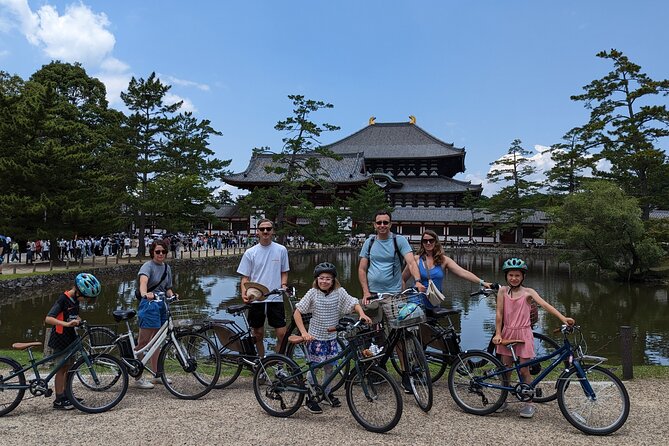
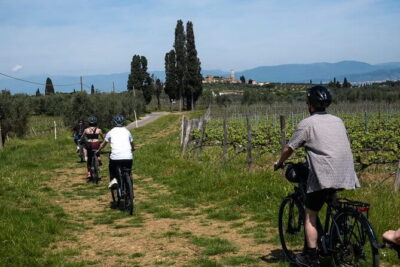
Nara can feel deceptively big once you start walking. The sites are famous, but they’re also spread out, and some stretches have gentle climbs that add up. With an e-bike, you keep your energy for the parts you’ll actually remember: deer moments, temple details, and shrine atmosphere.
Another reason this style of tour fits Nara is simple: you’re not just “getting there.” You’re rolling through the area at a pace that makes it possible to linger. You get guided stops for context, but you also get to breathe between them—so the day doesn’t feel like a stampede.
And yes, an e-bike makes the experience more fun. Even if you’ve never ridden one, it’s the kind of ride that feels approachable, and the guide focuses on keeping everyone comfortable and safe during the route and rest breaks.
You can also read our reviews of more tours and experiences in Nara.
Start Point, Timing, and How the Ride Stays Comfortable
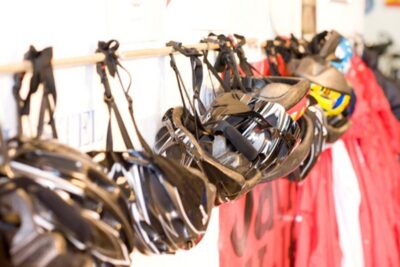
The tour starts at Nara Rental Cycle at 2115-1 Takamaichichō, and it ends back at the same place. That matters because you don’t have to figure out complicated transfers mid-day—you roll into the sights and come back to your bikes at the end.
The duration is about 3 hours 30 minutes. It’s long enough to cover real highlights, but short enough that you’re not giving your entire day to one neighborhood.
The group stays small—up to 12 travelers—which typically makes it easier for the guide to manage pace and spacing. Most people can participate, and the e-bike is there for the practical reason you’d hope for: hills and distance feel much more manageable, especially in heat.
Tip: wear comfortable shoes even though you’re on a bike. You’ll still have short walks at the temples and shrines, plus a few photo stops where you’ll want to stand still for a moment.
Stop 1: Nara Park Deer Encounters Without the Traffic Headache
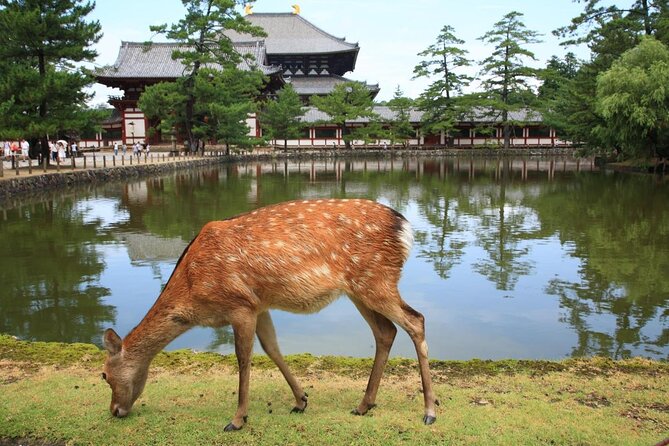
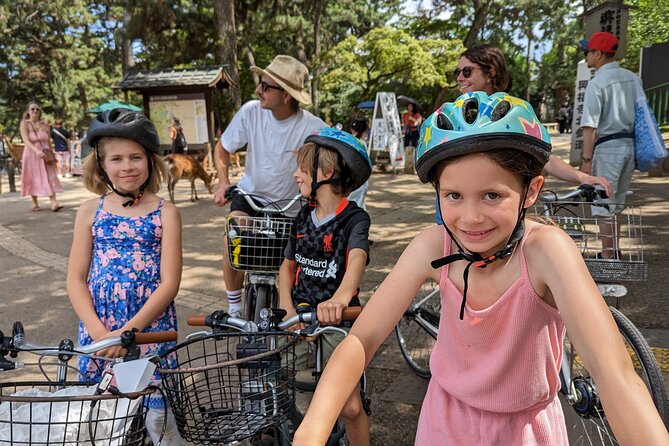
This begins in Nara Park, where the “where are all these deer coming from?” moment happens fast. Cycling through the park helps you avoid spending the day in stop-and-go areas. You follow your guide’s route to keep things smooth and avoid most traffic, so you spend more time looking and less time navigating.
You’ll also get that special Nara feeling: the city and the deer share the same space. Deer calmly cross paths, pause near you, and act like they own the schedule. The tour includes deer cookies so you can participate in a safe, respectful way.
One small but meaningful detail: because the guide is right there, you’ll know the etiquette—how to move through the area and when to let animals and people share the space.
If you come to Nara for the deer, this is the best opening move. You start with the environment first, so everything that follows—Todaiji and Kasuga—feels more connected to place instead of just being a checklist.
Todaiji’s Great Gate to the Daibutsuden Hall
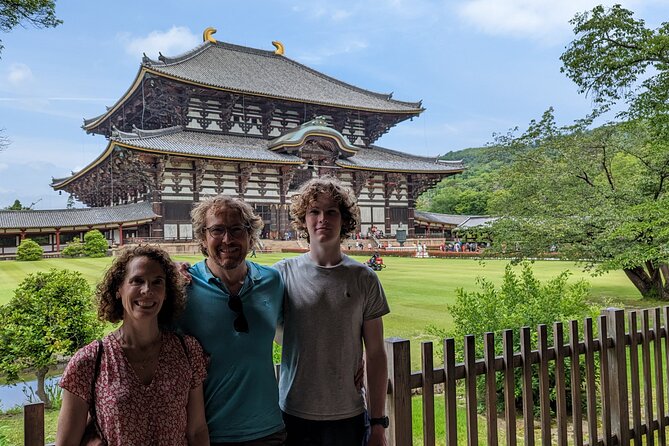
At Todai-ji, you see the temple domain in a dramatic way, starting with the Namdaimon (Grand South Gate). The route builds anticipation: you admire the gate’s architecture and the two fierce guardians that frame the entrance. Even if you only have a short time, the gate gives you instant context for how monumental Todaiji is.
Then you move into the main temple area for a deeper stop at Todai-ji Temple. This is where the tour’s “big wow” factor shows up: the Daibitsuden, where you can see Japan’s biggest bronze Buddha statue. It’s one of those sights that makes your brain switch from travel mode to awe mode.
And there’s a specific ritual moment built into the experience: you get a chance to go through the Buddha’s nostril. It sounds odd until you’re standing there. Then it’s funny, memorable, and very “only in Japan” in the best way.
Possible drawback: Todaiji is popular, and time inside can feel brief if crowds build. That’s not a reason to skip it—just a reason to go in ready to enjoy the highlights rather than study every corner.
Kikuichi Knife Shop: Japanese Cutlery and What to Ask
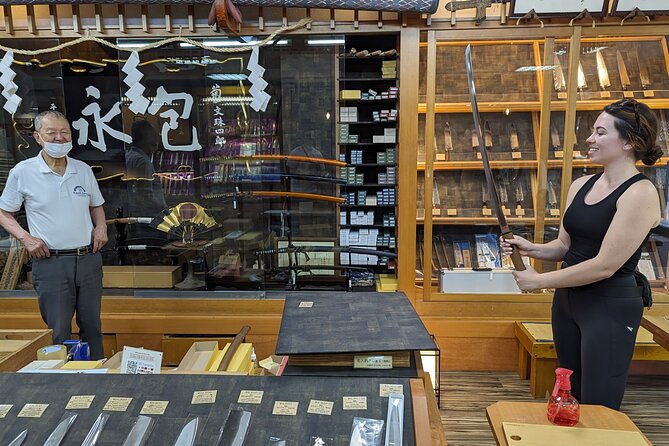
This is the stop that surprised me most, and it’s a big reason the tour feels different from the standard Nara temple circuit. You visit the original shop of Kikuichi, a prestigious knife maker, and you get an introduction to Japanese cutlery.
More than just browsing, you receive guidance on choosing knives and how Japanese knives work. If you’ve ever been tempted by a chef’s knife on vacation, this is where you learn how to ask the right questions. You’ll also hear the company background: the maker was a former katana maker, which helps explain the craftsmanship mindset behind the blades.
What makes this stop valuable for most people is that it connects to daily reality. Knives are not “souvenirs,” they’re tools. A good introduction turns a purchase from random to informed—especially if you’re thinking about bringing a knife home.
Practical note: the tour includes entrance tickets, but it does not include shopping. If you want to buy, keep your budget in mind and plan space in your luggage for carefully packed items.
Kasuga Grand Shrine and the Lantern Path at a Human Pace
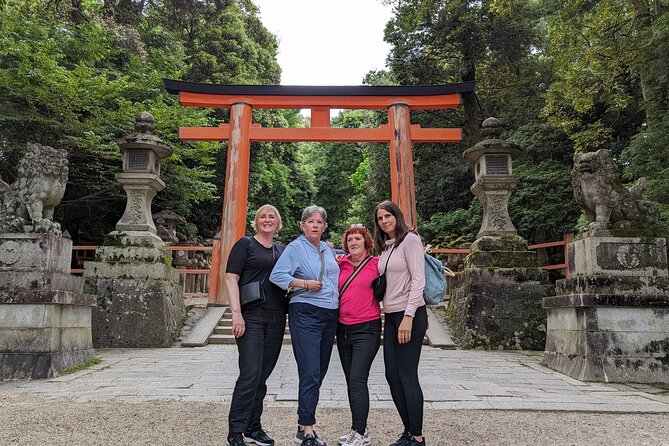
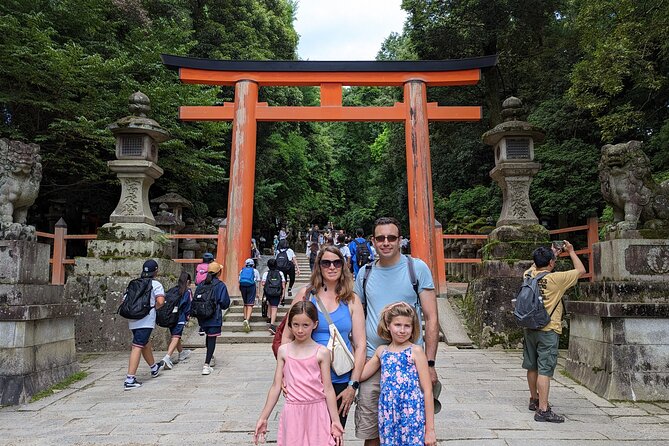
After Todaiji’s scale, Kasuga Taisha feels like a shift in atmosphere. You explore Kasuga Grand Shrine and learn about the spirit of Kasuga, often described as nature’s spirit, with a broader introduction to Shinto along the way.
Then comes the part that photographers chase: the lantern path. The lanterns create a strong visual rhythm, and having a guide helps because you’re not just looking—you’re learning what you’re looking at. You’re more likely to notice details you’d otherwise pass over quickly.
This stop lasts long enough to enjoy the mood without feeling rushed. You get time to admire the lantern path and take in the shrine setting, plus a clear explanation so your visit doesn’t become a blur of signs and gates.
Tip: if it’s busy, keep your camera ready but don’t trap yourself in one spot. Walk the path as the guide suggests, then pause for photos when you find a clean line with less obstruction.
Ukimido’s Wooden Bridge: The Calm Photo Stop at the South End
Ukimido is the kind of place you’re grateful you have time for. It sits at the south of Nara Park and works as a breather between major sites. It’s also a famous photo spot for weddings, which tells you something: people come here for the quiet, not the chaos.
You walk onto a wooden bridge and get a chance to relax in a peaceful atmosphere. The pacing here matters. After temples and gates, this is where your senses unclench.
It’s also a good time for photos that look less like tourist snapshots. The calmer setting helps your pictures feel like a moment in a real place, not just a stop on a route.
This isn’t an “everything will change your life” stop. It’s smaller, yes. But it’s the kind of stop that makes the overall day feel balanced.
Price and Value: What $92.24 Buys You in Real Terms
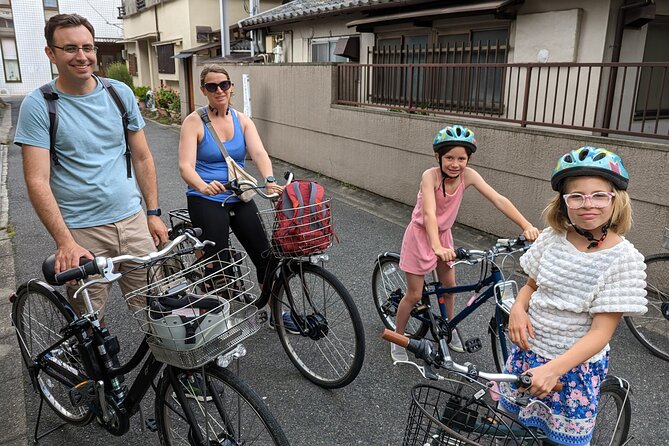
At $92.24 per person for about 3.5 hours, the value comes from what’s included and what it saves you.
You get:
- E-bike use
- a bilingual local guide
- entrance tickets
- snacks (deer cookies)
- souvenir photos taken during the tour, available online
The entrance tickets and guide time are a big part of why this price can make sense. Instead of paying separate entry fees and then stitching together your own plan, you’re handed a route that connects major highlights and a cultural stop without requiring extra planning on your side.
You’re also paying for reduced walking. Reviews tied that directly to enjoyment: the e-bike keeps the day fun, not exhausting. In practical terms, it’s less likelihood of arriving at Kasuga or Todaiji already tired and cranky.
One more value factor: the tour is booked about 31 days in advance on average, which signals it’s in demand. If your dates are firm, book earlier so you’re more likely to get the time slot you want.
Guides, Safety Breaks, and Why the Small Group Size Helps
This tour runs with a maximum of 12 travelers, which makes a noticeable difference compared to big-group sightseeing. The guide can manage spacing, control the flow when people stop for photos, and keep the ride from feeling stressful.
From the guides’ approach—names like Christophe, Jean-Yves, Robert, and Remi appear in past experiences—the consistent theme is care and patience. People highlight that the guides share lots of information while also being conscious about safety and comfort on the bikes, including rest breaks.
That combination is ideal in a place like Nara where you’ll mix pedestrians, deer, and bikes. You want someone who keeps the day moving without rushing you through the moments that matter.
Language note to keep your expectations clear: a bilingual local guide is part of the package, but if you’re requesting a French-speaking guide, it can’t be guaranteed on a shared tour. English gets priority. If French is a must for you, contact in advance to try to match your date.
Who This Tour Fits Best (and Who Might Want Another Option)
This is a great fit if you want:
- a temple-and-shrine day without turning it into a long hike
- deer time plus cultural stops in one session
- an organized route with context at each major moment
- a low-stress way to see Nara Park even if you don’t want to walk between distant areas
It’s also a strong choice for first-timers. You get the headline sights—Todaiji and Kasuga—plus something unexpected at Kikuichi, and then a quieter stop at Ukimido.
Consider skipping (or checking your expectations) if you want total freedom to wander at your own pace for hours. This tour is designed as a structured highlight loop with guided stops and set timing. You’ll have some breathing room, but it’s not a choose-your-own-adventure day.
Should You Book This E-Bike Nara Highlights Tour?
I’d book it if you’re trying to see Nara without sacrificing comfort. The e-bike is the secret sauce: it lets you enjoy more of the area while keeping the day from becoming one long shuffle between attractions.
I’d also book it if you like your tours to include at least one “local craft” moment. The Kikuichi knife stop adds real cultural texture and turns souvenirs into something more thoughtful—especially if you want help understanding Japanese cutlery before you buy.
If your top priority is maximum independence, then you might prefer a self-guided bike rental. But if you want a ready-made route, included tickets, and a guide managing the tricky parts of cycling around a popular park, this is a smart, efficient way to spend a half day in Nara.
FAQ
How long is the e-bike highlights tour in Nara?
It’s approximately 3 hours 30 minutes.
What’s included in the price?
The tour includes e-bike use, a bilingual local guide, entrance tickets, snacks (deer cookies), and souvenir photos taken during the tour and available online.
Are entrance tickets covered for the major sites?
Yes. Entrance tickets are included for the stops on the route, including Todaiji and Kasuga.
Do I need to bring food or drinks?
Food and drinks are not included, but the tour does provide snacks (deer cookies).
Can I request a French-speaking guide?
You can request one, but it can’t be guaranteed for this shared tour. English becomes the priority when guides are mixed by nationality.
Where does the tour start and end?
The tour starts at 奈良レンタサイクル2115-1 Takamaichichō in Nara and ends back at the same meeting point.