REVIEW · KYOTO
Kyoto: Memory Kyoto E-Bike Tour
Book on GetYourGuide →Operated by Historical kyoto bike tour · Bookable on GetYourGuide
Kyoto on an e-bike feels like time travel. You’ll start at Kitano Tenmangū Shrine, glide through backstreets to the Golden Pavilion (Kinkaku-ji), then head west for the bamboo and UNESCO Zen-garden time. This is a 6-hour, small-group way to see the biggest highlights without burning your whole day in slow crowds.
I like two things a lot: first, the way the guides keep the ride safe and organized while still finding quieter streets, which makes Kyoto feel more local than tour-bus hopping. Second, you get the best “temple-and-garden” payoff—especially the Tenryū-ji grounds and Arashiyama’s bamboo atmosphere. One drawback to plan for: it’s active. Even with e-bikes, you need basic awareness (balance, braking, and staying alert) for a full day of riding plus walking.
In This Review
- Key Things That Make This Tour Worth Your Time
- Starting at Memory Kyoto and Kitano Tenmangū Shrine
- Pedaling Past Real Kyoto Streets Toward Kinkaku-ji
- Tenryū-ji Temple’s Zen Garden: Why It’s More Than a Photo Stop
- Arashiyama Bamboo Forest and a Serene Break in the Crowds
- How E-Bikes Change Kyoto (and Why This One Works)
- Price and Value: What $91 Gets You in Real Terms
- Who Should Book This Tour (and Who Might Want Another Option)
- Should You Book Memory Kyoto’s E-Bike Tour?
- FAQ
- How long is the Kyoto Memory E-Bike Tour?
- What stops are included?
- Is the tour guided in English?
- What’s included with the price?
- Where do I meet the group?
- How big is the group?
- Can I cancel and get a full refund?
Key Things That Make This Tour Worth Your Time
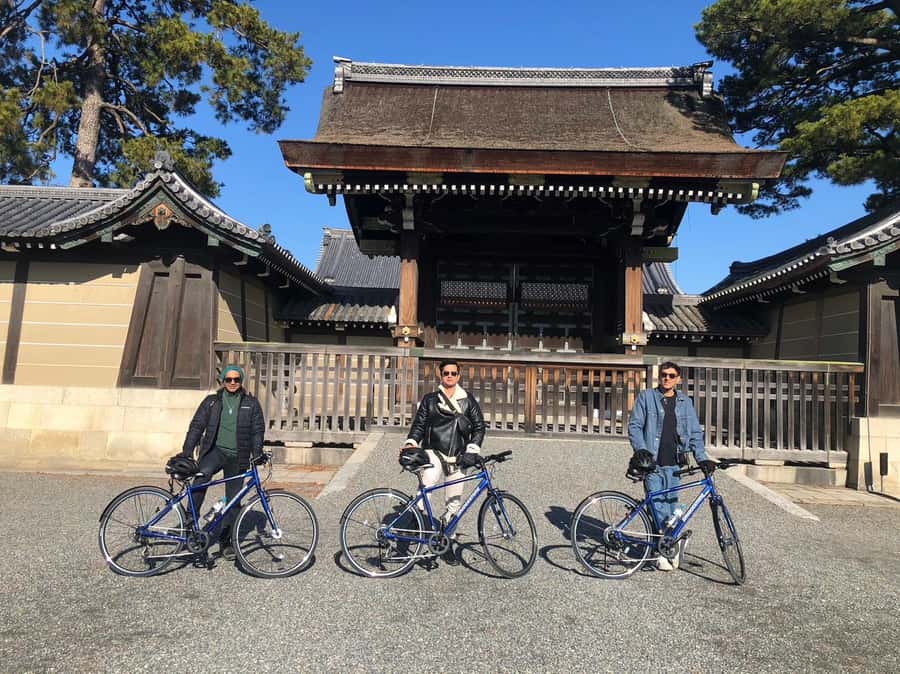
- Small group size (up to 8): easier pacing, more questions, and less waiting around.
- E-bikes that actually make sense: you cover more Kyoto without arriving wiped out.
- UNESCO Tenryū-ji garden time: guided focus inside one of Japan’s most famous traditional garden settings.
- Kinkaku-ji at the right moment: you’ll see the gold-leaf exterior and pond views with narration, not just snapshots.
- Backstreet riding: you’ll cut through residential lanes instead of doing only main-route traffic.
Starting at Memory Kyoto and Kitano Tenmangū Shrine
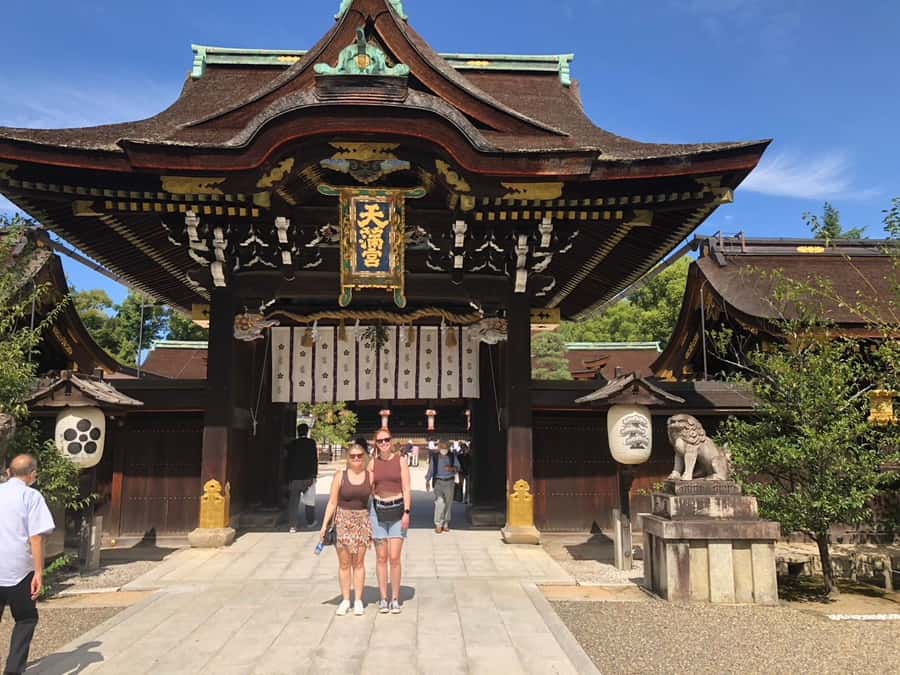
Your day begins at the Memory Kyoto bike tour meeting point—opposite Kirindo drug store. From there, the vibe is simple: get geared up, hop on the e-bike, and learn how the day will flow. You’ll get a bike, a helmet, and a water bottle, which matters more than it sounds when you’re doing a full circuit of stops.
Then comes Kitano Tenmangū Shrine. This is a smart opener because it sets the tone: you’re not starting with the most visually famous place first, you’re starting with Kyoto’s religious roots and stories. The shrine is tied to Sugawara No Michizane, and your guide will connect that name to what you’re seeing—so the site becomes more than a pretty backdrop. That “why this matters” framing shows up again later at Kinkaku-ji and Tenryū-ji.
You’ll also get an early taste of how the tour manages movement. Expect a short guided portion at the shrine, plus time on the bike. That rhythm—ride, stop, walk a bit, listen—helps you avoid the typical Kyoto trap of bouncing between places while missing the meaning.
Practical note: because you’ll be riding right away, I’d treat this start as your warm-up. Even experienced cyclists should pay attention to the first briefing, since Kyoto streets can change from smooth lanes to narrower stretches quickly.
You can also read our reviews of more tours and experiences in Kyoto.
Pedaling Past Real Kyoto Streets Toward Kinkaku-ji
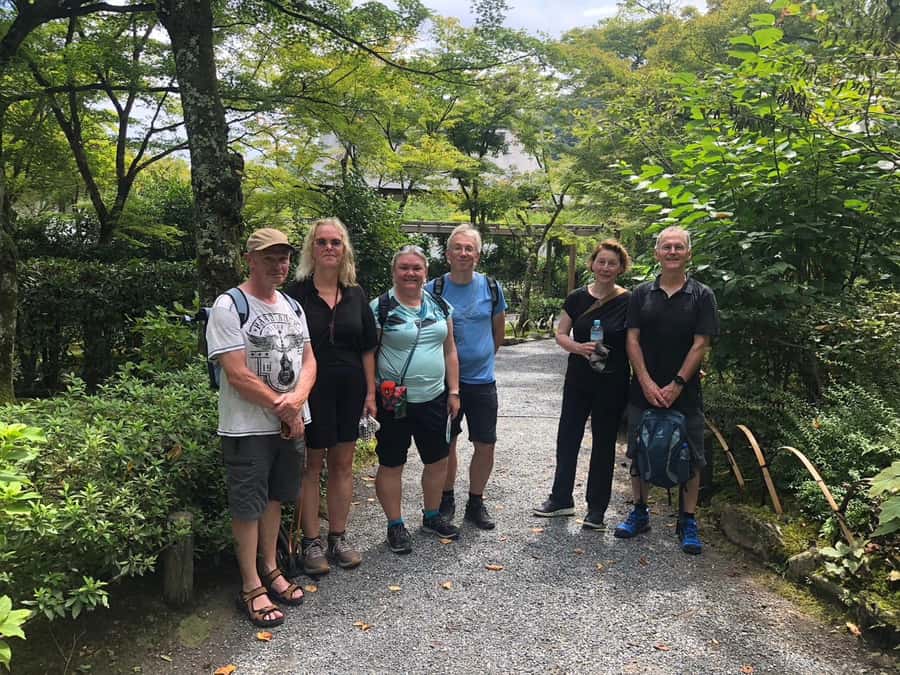
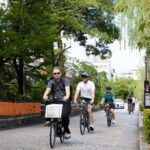
Next stop is Kinkaku-ji, the Golden Pavilion. This is the one most people picture before they arrive in Kyoto, and the tour delivers more than the postcard look. You’ll ride from the shrine area through Kyoto’s quieter streets and back routes, which helps reduce that “am I just stuck in a crowd?” feeling.
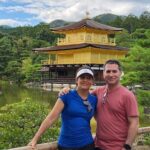
At Kinkaku-ji, the highlight is obvious: the gold-leaf exterior shimmering above the pond. What’s not obvious until you’re there is how much mood changes when you’re given context. Your guide explains what you’re looking at and how the site fits into Zen practice, so the pavilion reads as a designed environment—not just a shiny building.
You’ll get a guided stop here (about 45 minutes of bike time plus guided time on arrival), so it’s not a rushed drive-by. I like tours that let you pause, look back at the pond views, then reorient your eyes to the temple’s layout. That’s especially helpful at Kinkaku-ji, where angles matter and the crowd can shift.
One consideration: Kinkaku-ji is a top attraction, so timing and crowd management matter. During busy seasons (including cherry blossom peaks), guides in this program have shown they can maneuver the group toward photo-friendly spots without turning it into chaos. Still, plan to expect some density at the popular stops. The value here is that the guide helps you make the most of those moments instead of just waiting.
Tenryū-ji Temple’s Zen Garden: Why It’s More Than a Photo Stop
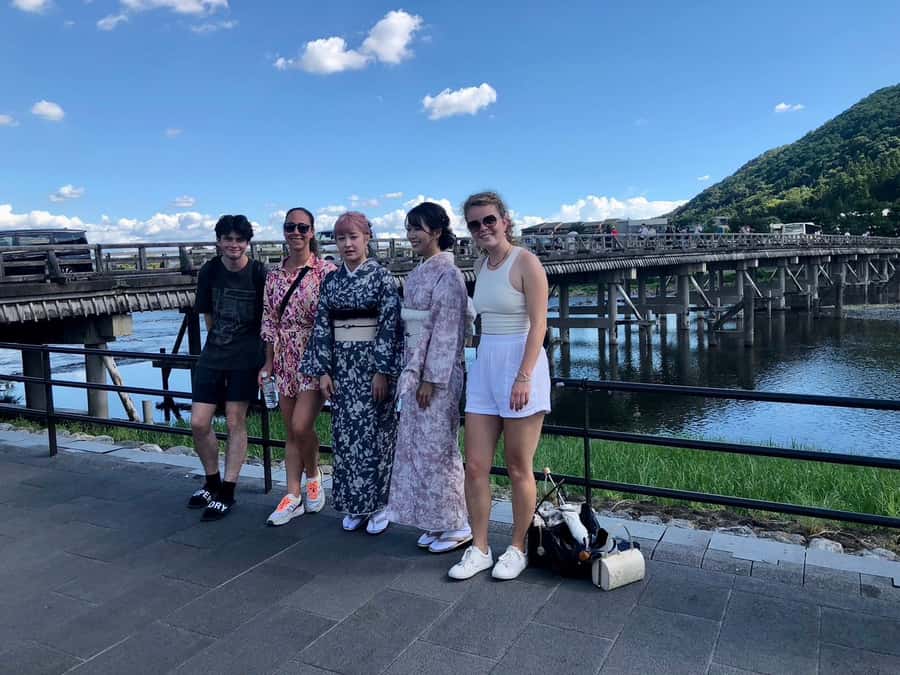
After Kinkaku-ji, you ride to Tenryū-ji Temple. This is where the day becomes more meditative. Tenryū-ji is a UNESCO World Heritage Site, and you’ll spend time inside the temple grounds focusing on the traditional Zen garden.
What makes this stop click for me is the guided pacing. You’re not just walking through green space. You’re learning how the garden is meant to be read—how sightlines, stone forms, and the pond-and-bridge effect all work together. Even if you’re not a garden expert, the explanation makes the experience feel intentional. You start noticing why certain spots feel calm and why others feel like they’re designed to pull your eyes in.
The tour includes a mix of bike and walking here, plus a guided segment and sightseeing time. That structure helps you avoid two common problems: the “too much biking, not enough seeing” issue, and the “too much wandering, no sense of direction” issue. Tenryū-ji lands in the middle, which is exactly what you want from a balanced Kyoto itinerary.
Drawback to keep in mind: this is one of those places where shoes matter. You’ll do walking around garden areas, so choose comfortable footwear you can handle on temple paths.
Arashiyama Bamboo Forest and a Serene Break in the Crowds
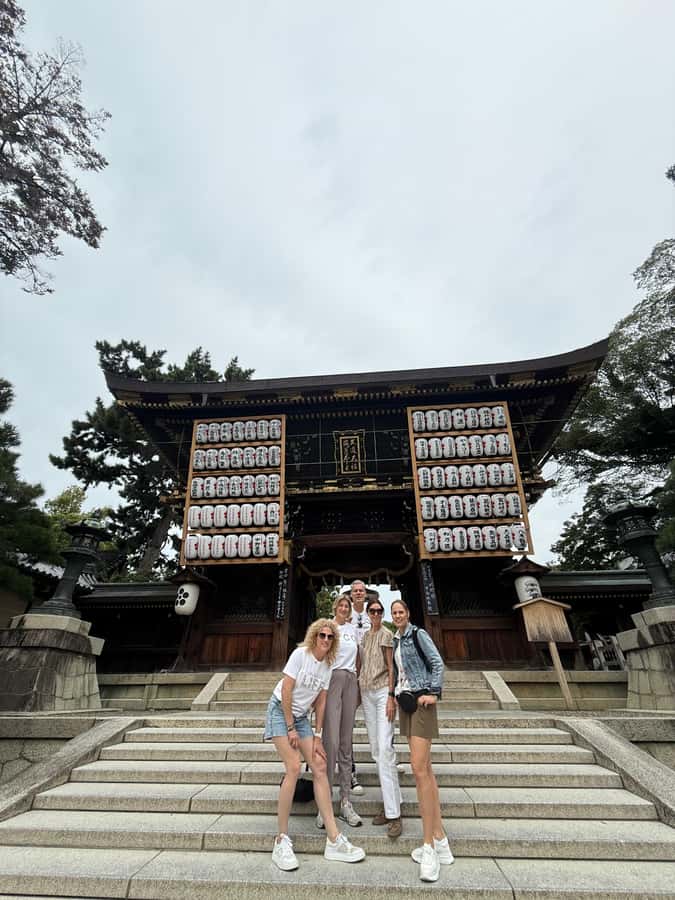
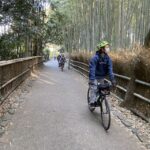
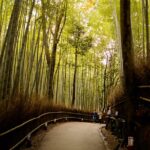
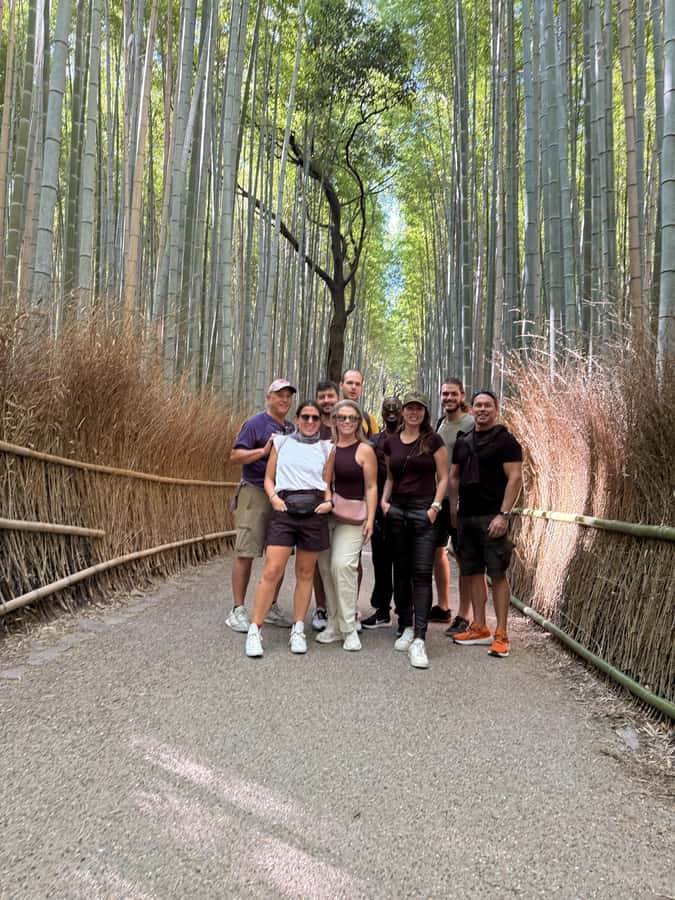
Then it’s Arashiyama Bamboo Forest. If Kyoto has a single “wow” that feels almost unreal, it’s this one: towering bamboo stalks creating an otherworldly hush. Your tour includes time with a photo stop and visiting time, plus guided context.
Here’s the practical advantage of doing Arashiyama as part of an e-bike route: you can plan your movement. Instead of arriving exhausted and late, you’ll be integrated into a schedule that aims to keep the day flowing. In peak season, guides have helped groups manage crowds and find better photo spots, which makes the bamboo experience feel more like a calm walk through atmosphere rather than a nonstop lineup.
Some guides also take the group to nearby viewpoints beyond the main bamboo walkway—one rider specifically noted a stop at a lake close to the bamboo forest that many people would never find on their own. You can treat that as a “bonus possibility” depending on your guide and the route of the day, but the key point is that you’re not limited to the single most obvious photo lane.
After the bamboo, the energy shifts back toward riding. That change of pace is underrated. The e-bike gives you a breather after walking, and the guide’s narration tends to keep the day moving without turning it into a lecture.
How E-Bikes Change Kyoto (and Why This One Works)
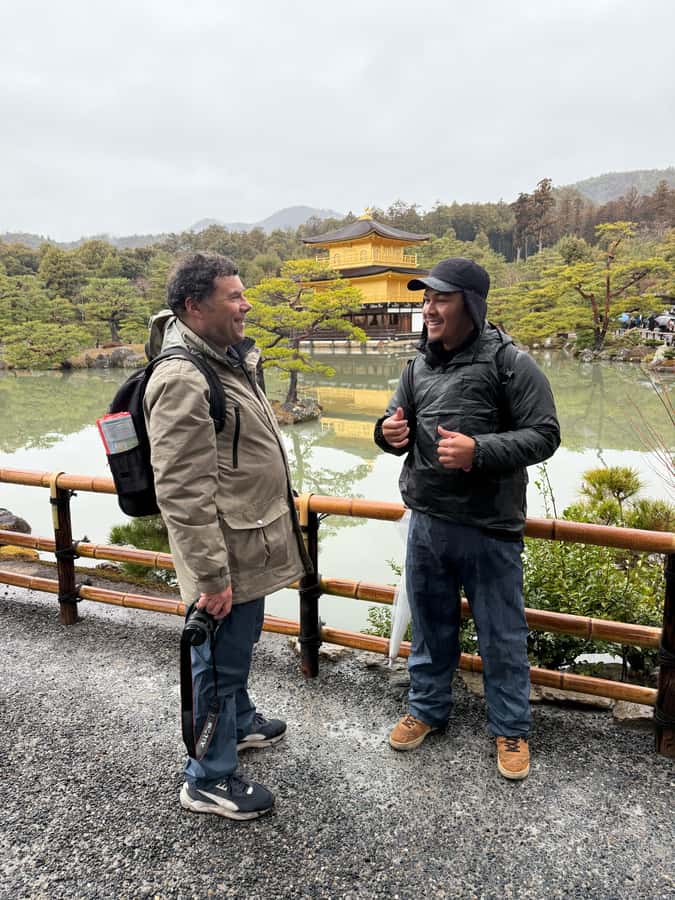
A lot of Kyoto tours involve a hard choice: see more sites by moving fast, or enjoy the city by slowing down. This e-bike format solves a third problem: fatigue. You still get the active part of Kyoto—walking through temples and gardens—but you remove the nonstop aching legs that can derail your enjoyment by late afternoon.
E-bikes also help on a route like this. You’ll connect four major stops—Kitano Tenmangū, Kinkaku-ji, Tenryū-ji, and Arashiyama—plus the in-between streets. That’s hard to do efficiently on foot, and it’s less flexible than taxis for threading through smaller roads.
Based on rider feedback, the bikes are generally well maintained, and the guides actively manage safety. Names that have popped up across the day include Pohan, Diego, Benjamin, Jorge, Beau, and Jodie/Jody. The common theme is control: clear instructions, attention to who’s comfortable, and quiet street routing to avoid heavy traffic.
One thing you should consider: e-bike riding isn’t automatic. Even with pedal assist, you’ll want a basic comfort level. You’ll be turning, braking, and sharing space with pedestrians and bikes. If you’re the type who gets anxious about balance, arrive a bit early so you can practice the first minutes and ask questions.
Heat matters too. Multiple riders have pointed out that being on a bike can feel easier than walking in humidity, especially in summer. Still, bring a practical mindset: water and breaks are part of the day.
Price and Value: What $91 Gets You in Real Terms
At about $91 per person for a 6-hour tour, this isn’t a “cheap” Kyoto add-on, but it also isn’t priced like a luxury private driver day. The value comes from what’s included and how the time is used.
You get:
- All fees and taxes
- An English-speaking guide
- E-bike and helmet
- Water bottle
When a tour includes fees and provides the bike setup, it reduces the add-on costs that can surprise you on a self-planned day. You’re also paying for routing and interpretation—the difference between simply seeing temples and understanding why each one matters.
The small-group limit (up to 8) is also part of the value equation. Smaller groups spend less time waiting, and they tend to get more interaction with the guide. Many guides mentioned across bookings—like Pohan and Diego—are described as friendly and willing to answer questions, which is exactly what you want when you’re trying to connect Shinto and Zen ideas to the visible world.
If you’re comparing this to doing the same day on your own, the money isn’t about convenience alone. It’s about compressed learning time and fewer navigation headaches. You get to focus on the sights instead of constantly checking routes, finding entrances, and figuring out where the best pond/bridge angles are.
Who Should Book This Tour (and Who Might Want Another Option)
This tour fits best if you want Kyoto’s major sights plus the feeling of moving like a local. It’s a good choice for:
- First-time visitors who want a structured “greatest hits” day
- People who dislike long walking days but still want temple-and-garden time
- Travelers who prefer quiet side streets over nonstop main-road crowding
- Anyone who wants explanation tied to Sugawara No Michizane, Zen gardens, and Shinto temple meaning
It may not fit as well if:
- You have limited comfort with riding and bike safety concepts, even with e-bike assistance
- You’d rather spend your day completely at your own rhythm without any guided timing
- You’re expecting a purely walking tour (this is a mix of biking and walking, by design)
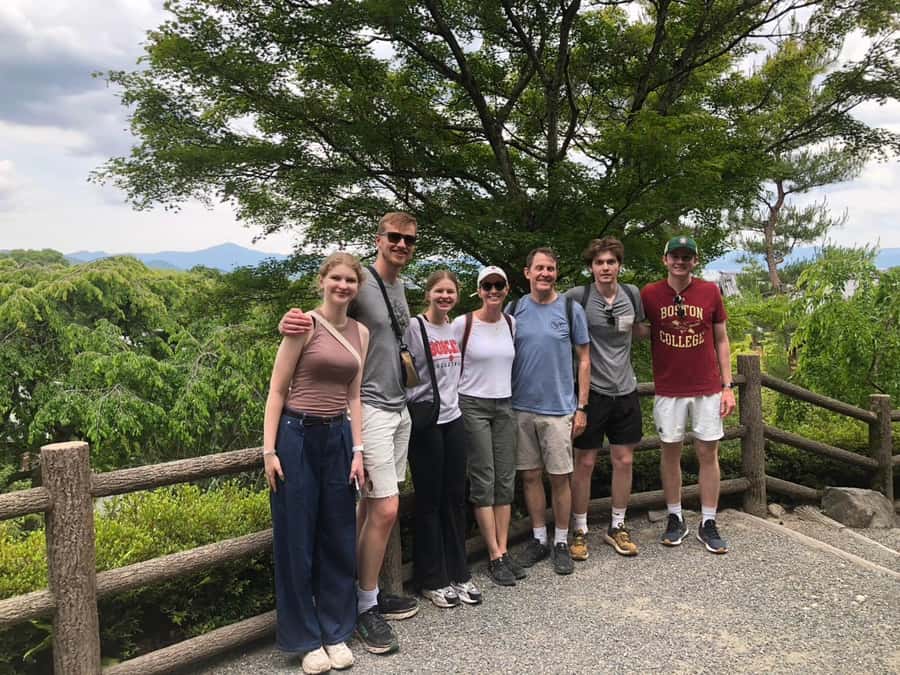
Age note: it isn’t suitable for children under 2 years. Beyond that, families with older teens have enjoyed it, but you should judge based on your group’s comfort with riding.
Should You Book Memory Kyoto’s E-Bike Tour?
If your goal is to see Kitano Tenmangū, Kinkaku-ji, Tenryū-ji, and Arashiyama in one smooth day without turning Kyoto into an endurance test, I think it’s a smart buy. The guide-led context is a big part of why the experience works, and the e-bikes make a difference in how you feel when you reach the last stop.
Book it if you want:
- Safety-first riding and clear direction
- More than photo stops—especially at Tenryū-ji’s Zen garden
- A small-group day that still covers a lot
Skip it if you know you don’t do well with bike riding or you want a purely self-paced wander day.
FAQ
How long is the Kyoto Memory E-Bike Tour?
The tour runs for 6 hours.
What stops are included?
You’ll visit Kitano Tenmangū Shrine, Kinkaku-ji (Golden Pavilion), Arashiyama Bamboo Forest, and Tenryū-ji Temple.
Is the tour guided in English?
Yes. The tour has a live English-speaking guide.
What’s included with the price?
The price includes all fees and taxes, an expert English guide, use of the bike and helmet, and a water bottle.
Where do I meet the group?
Meet opposite Kirindo drug store.
How big is the group?
This is a small group limited to 8 participants.
Can I cancel and get a full refund?
You can cancel up to 24 hours in advance for a full refund.