REVIEW · MONTREAL
Non Touristy Pink Bike Tour by Spade & Palacio
Book on Viator →Operated by Spade & Palacio Tours · Bookable on Viator
Hot-pink bikes lead you off the tourist track. You’ll ride with a local guide through street art stops and real neighborhood blocks, including the Leonard Cohen mural, plus a park picnic with local craft beer. The only real catch: it depends on good weather, and you should be comfy riding in bike lanes and on the road.
I especially liked the way the tour balances city icons with quieter corners—Mount Royal Park in the morning, then the back streets of Plateau and the Gay Village later. And the bikes aren’t just props: they’re refurbished locally in Mile End and rebuilt on fresh old frames with a bright pink makeover. If you prefer low-friction, mostly walking routes, this one may feel a bit too bike-first.
In This Review
- Key Points You’ll Actually Care About
- Getting Your Bearings in Montreal’s Real Neighborhoods
- Meet-Up at Saint-Denis and the Pink-Bike Setup
- Mount Royal Park: The Morning Stop That Explains the City
- Leonard Cohen Mural: Street Art With a Story (Not Just a Wall)
- Plateau Mont-Royal: Back Alleys, Parks, and Lunch in the Neighborhood
- Quartier des Spectacles and Jazz-Festival Spaces
- Old Port Overlook: A Hidden Vantage Point for the River Views
- The Village (Gay Village): Pedestrian Time and LGBTQ+ Context
- La Fontaine Park: Understanding Montreal’s Park Culture
- How Tough Is the Ride, Really?
- Guides: The Difference Between Seeing Montreal and Getting Montreal
- Price and Value: Why $55.62 Can Feel Like a Bargain
- Who Should Book This Tour (and Who Might Skip It)
- Should You Book the Non Touristy Pink Bike Tour?
- FAQ
- How long is the Non Touristy Pink Bike Tour?
- What’s the group size limit?
- What’s included in the price?
- Is a picnic lunch included, and is there beer?
- Where does the tour meet?
- Is there hotel pickup or drop-off?
- What places will we stop at during the ride?
- How hard is the biking?
- Does the tour require any info from me in advance?
- What happens if the weather is bad?
- Can I cancel and get a full refund?
Key Points You’ll Actually Care About
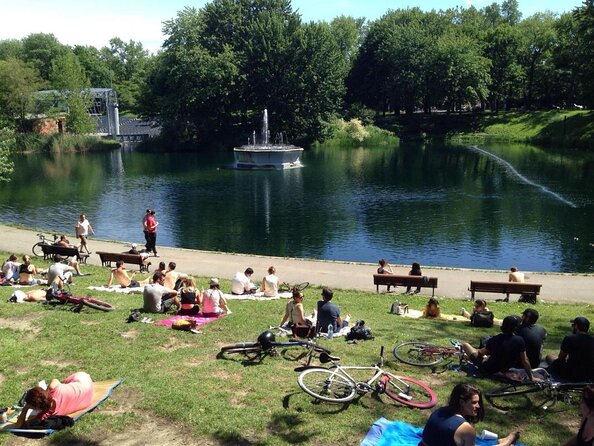
- Hot-pink bikes made in Mile End: refurbished frames get a color-and-character upgrade.
- Small group (max 10): you get real attention at murals, parks, and neighborhood stops.
- Street art with context: you don’t just see murals—you learn what they mean to Montreal.
- Picnic lunch + local craft beer: a relaxed break in a park setting, not a rushed “snack stop.”
- Parks and festival-area viewpoints: from La Fontaine Park to Quartier des Spectacles and jazz-festival spaces.
Getting Your Bearings in Montreal’s Real Neighborhoods
Montreal can feel like two cities at once. The big-name highlights are easy to spot. The daily life—the people, the walls, the parks, the little routes—takes more time. This tour is built to shortcut that second part. In about half a day, you stitch together a view of Montreal’s street art scene, its park culture, and the character of major neighborhoods like Plateau and the Village.
The price is also a strong deal when you look at what you get. You’re paying for a full guided experience, not just bike rental. You get the bike, a helmet, and lunch, plus an actual local guide who knows where people go when they’re not chasing postcards. At $55.62 for a roughly four-hour outing, the value lands best if you want a guided route that covers a lot without turning into a checklist.
You can also read our reviews of more tours and experiences in Montreal.
Meet-Up at Saint-Denis and the Pink-Bike Setup
The meeting point is at 3801 R. Saint-Denis, Montréal, QC H2W 2M4. It’s also close to public transportation, so you’re not stuck with a long taxi ride just to start your day.
One more detail I appreciate with tours like this: the bike setup. The staff helps get everything ready so you can roll out without a long scramble. And when you hop on, you’re riding a locally refurbished bike—new life for older frames, done right there in Mile End—finished with that unmistakable hot pink look. It sounds playful, but it’s practical too. When bikes are maintained and sized well, the tour feels easier from minute one.
A quick admin note that matters: you’ll be asked for your height during booking so the bike fits correctly. If you’ve ever spent a vacation with a seat that’s too high or too low, you know that one “small” mistake can ruin a whole afternoon.
Mount Royal Park: The Morning Stop That Explains the City
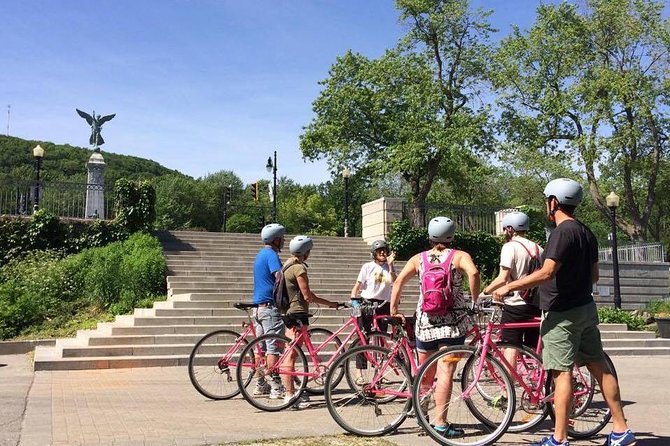
The tour begins with a stop at Jeanne-Mance Park, at the foot of Mount Royal. This isn’t treated as a “take a photo and go” moment. You learn why locals care about this area and how it connects to the founding of the city.
Why this stop works: Mount Royal is a visual anchor for Montreal. Once you understand the mountain’s role, the rest of the day makes more sense. Later, when you ride through neighborhoods with their own identities, you’ll feel less like you’re moving randomly across a map and more like you’re reading the city in chapters.
Time on the ground is brief—about 15 minutes—but it’s enough to set the context before you hit the street art.
Leonard Cohen Mural: Street Art With a Story (Not Just a Wall)
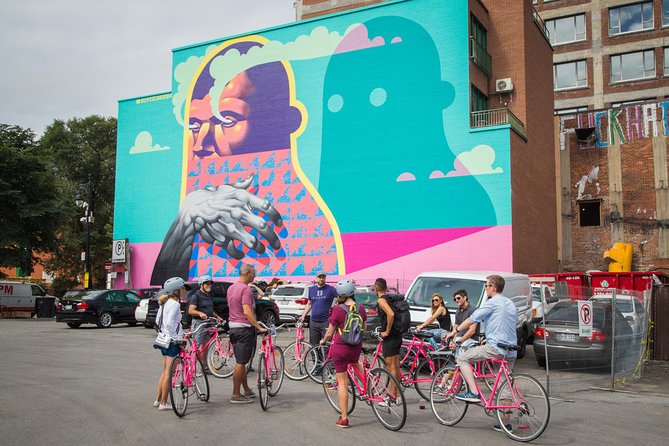
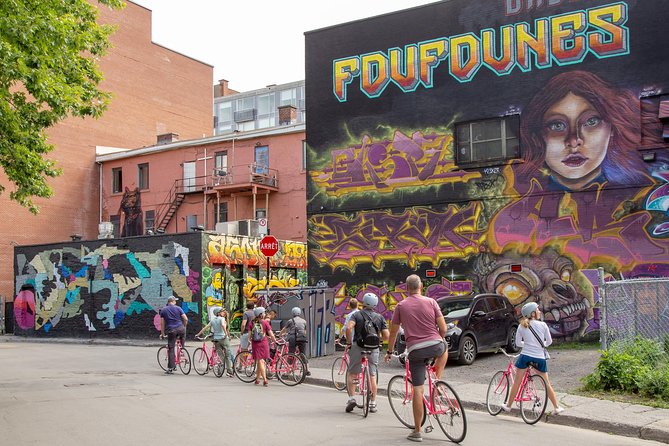
Next up is the Leonard Cohen Mural, one of Montreal’s big cultural touchstones. You’ll spend about 35 minutes here, with the guide explaining why the mural matters and pointing out other related street-art works along the route.
Here’s the big value: murals in Montreal aren’t just decorations. They’re part of how neighborhoods talk to each other—about identity, politics, memory, and pop culture. When your guide connects those dots, you start noticing more than the art’s style. You start recognizing themes, references, and the city’s sense of humor.
If you like art that has local meaning—rather than art that’s just “instagrammable”—this is one of the stops that justifies the whole tour.
Plateau Mont-Royal: Back Alleys, Parks, and Lunch in the Neighborhood
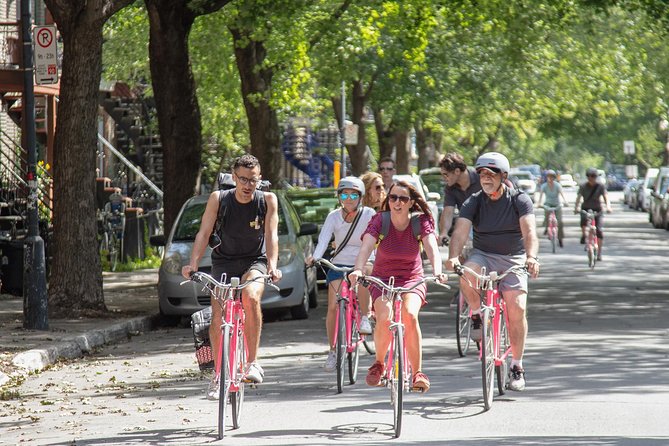
Plateau Mont-Royal is where the tour becomes more about Montreal as a place where people live. You bike through back green alleys and residential streets, checking out parks and street art along the way. This is the part that slows down just enough to feel like you’re wandering with a local friend who knows where the interesting turns are.
You’ll also spend a good chunk of time here, and it’s where your picnic lunch happens in a park setting. The lunch includes the picnic food and you’ll also have local craft beer as part of the experience. In other words, it’s not a “grab and run” meal. It’s a proper break.
Practical detail: lunch timing can feel like the high point for a lot of people because you’re refueled and the pace stays relaxed. If you’re the type who gets cranky after long sightseeing, plan to look forward to this.
One more thing I like about the Plateau portion: it shows you Montreal’s neighborhood rhythm. You don’t just see the famous parts. You see the in-between spaces—where art shows up on walls and parks feel like real community rooms.
Quartier des Spectacles and Jazz-Festival Spaces
After Plateau, you move toward Quartier des Spectacles, Montreal’s cultural hub. You’ll get a 15-minute stop focused on festivals and art venues in the area. This is a good way to understand how the city’s arts scene operates, not only what’s performing right now.
Then you head to Montreal International Jazz Festival main stage territory, spending about 10 minutes. Even if you’re not there during the festival season, the guide helps you connect the festival footprint to Montreal’s broader identity: a city that loves music, public performances, and seasonal energy.
This section can be useful even for people who aren’t “festival people.” It helps you read the city’s calendar. After this, you’ll know where to look if you want live music later in your trip.
Old Port Overlook: A Hidden Vantage Point for the River Views
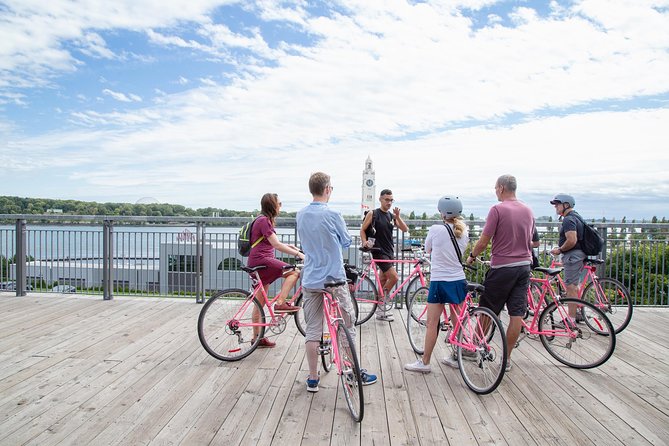
From the cultural zones, you ride to the Old Port of Montreal and a hidden viewpoint to look over the port and river. The stop is about 15 minutes—just long enough to enjoy the view without turning into a long detour.
Why this matters on a bike tour: you need a visual breather. Street art is great, but it’s also busy for your eyes. A river and port overlook resets you. It also gives you a sense of Montreal as a city shaped by waterways and trade, not just culture.
The Village (Gay Village): Pedestrian Time and LGBTQ+ Context
In The Village, the tour shifts gears for about 20 minutes. You hop off the bikes to enjoy a 1 km pedestrian mall and spend time learning about Montreal’s LGBTQ+ community.
This is one of the more human-feeling segments of the day. You’re not just rolling past storefronts. You’re walking in an area designed for people to linger, talk, browse, and take photos. The guide’s focus helps you understand the neighborhood beyond aesthetics and nightlife.
Photo opportunities are a natural side effect here. But the better reason to go is context—how the community shaped the streets and how the Village fits into Montreal’s larger identity.
La Fontaine Park: Understanding Montreal’s Park Culture
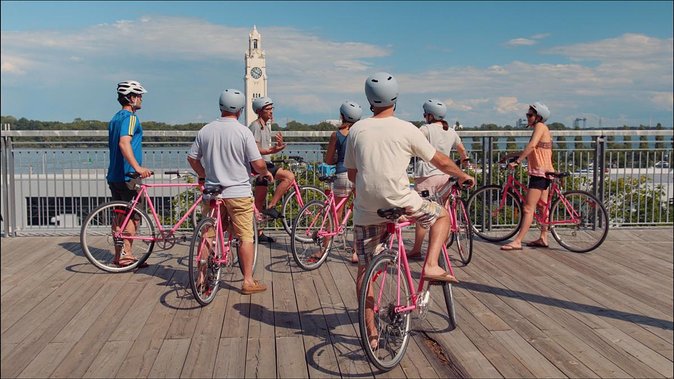
The day ends with a ride through La Fontaine Park. You’ll spend about 20 minutes cruising the park and getting a feel for park culture in Montreal.
Montrealers don’t treat parks as leftover green space. They’re a living part of the city’s schedule—hangouts in summer, places to relax, and settings for everyday social life. When your guide points out how locals use parks, you start seeing why Montreal feels so livable.
It’s also a nice closing note. After neighborhoods, murals, and festival zones, this last segment feels calmer and more restorative.
How Tough Is the Ride, Really?
The tour is designed for moderate fitness. You don’t need to be an athlete. Several guides run a route that stays mostly easy, with only occasional small hills.
That said, you do want basic comfort riding in bike lanes and on roads. One reason this tour earns strong marks is that people feel safe and supported while moving through city traffic patterns at a manageable pace. You’re not doing technical bike work. You’re doing steady city cruising.
Also, the bikes are generally described as well maintained and easy to ride. For some riders, even with no need for an e-bike, the experience felt straightforward—especially with the pace and frequent stops.
Guides: The Difference Between Seeing Montreal and Getting Montreal
This tour really works because the guide is the product. You might ride with different hosts—people like Jeff, Rufus, Felix, Chris, or Danny have led groups. What ties them together is that they don’t rattle off facts like a school lecture. They keep the information moving with the route, so you’re learning while you’re still enjoying the ride.
What you can look for in a good guide here:
- quick, useful neighborhood context at each stop
- explanations that connect murals, parks, and street scenes
- a pace that keeps everyone engaged but not rushed
If you’re traveling solo, this kind of small group and friendly hosting can also help you feel more at ease. Riding with a guide who’s comfortable answering questions makes the city feel less like a self-navigation test.
Price and Value: Why $55.62 Can Feel Like a Bargain
Let’s talk value without hand-waving. This is roughly a four-hour experience that includes:
- a bicycle and helmet
- a local guide
- lunch
- a picnic setting in a park
- and local craft beer
If you try to build a DIY version—bike rental, helmet, a guided route you’d trust, plus lunch and drinks—you’ll usually end up paying more than expected. And DIY won’t give you the why behind the murals, why the neighborhoods matter, or which viewpoints are worth the effort.
Where the price may not feel as perfect: if you already know Montreal well and you mostly want the “top 10” sights, this tour leans into neighborhoods and street art rather than only famous landmarks. It’s a local-leaning experience.
Who Should Book This Tour (and Who Might Skip It)
Book it if:
- you want street art and neighborhoods, not just downtown monuments
- you like the idea of a guided ride that gives you a practical sense of direction fast
- you enjoy parks and want to understand how Montrealers use them
- you’re traveling with friends, as a couple, or even solo and want a small-group vibe
You might skip it if:
- you prefer tours that are mostly walking or mostly inside
- you don’t feel comfortable riding in bike lanes and on the road
- you’re only interested in a small set of landmark photos and don’t want neighborhood context
Should You Book the Non Touristy Pink Bike Tour?
If your goal is to feel like you understand Montreal after day one, I’d say yes. This tour is built for connection: between the art on the walls, the way parks shape daily life, and how neighborhoods tell different stories. The hot-pink bikes make it playful, but the real win is the guided perspective—especially at stops like the Leonard Cohen mural and the Village.
Before you book, check one thing: your comfort level with bike lanes and city riding, plus the weather. When conditions are good, it’s an excellent way to get out and see Montreal the way locals move through it—on two wheels, with lunch waiting at the end of the ride.
FAQ
How long is the Non Touristy Pink Bike Tour?
It runs for about 4 hours (approx.).
What’s the group size limit?
The tour has a maximum of 10 travelers.
What’s included in the price?
You get lunch, a local guide/professional guide, use of bicycle, and use of helmet.
Is a picnic lunch included, and is there beer?
Yes. There’s a picnic lunch in a park with local craft beer included.
Where does the tour meet?
The meeting point is 3801 R. Saint-Denis, Montréal, QC H2W 2M4.
Is there hotel pickup or drop-off?
No. Hotel pickup and drop-off are not included.
What places will we stop at during the ride?
You’ll visit stops including Mount Royal Park (Jeanne-Mance Park), the Leonard Cohen Mural, Plateau Mont-Royal, Quartier des Spectacles, the Montreal International Jazz Festival area, the Old Port viewpoint, The Village (Gay Village), and La Fontaine Park.
How hard is the biking?
It’s aimed at travelers with moderate physical fitness. The ride is generally described as manageable, but you should be comfortable riding in bike lanes and on the road.
Does the tour require any info from me in advance?
Yes. You should send your height with the name of the traveler it belongs to so the bike can be fitted properly.
What happens if the weather is bad?
The experience requires good weather. If it’s canceled due to poor weather, you’ll be offered a different date or a full refund.
Can I cancel and get a full refund?
Yes. You can cancel for a full refund if you cancel up to 24 hours in advance of the experience’s start time.