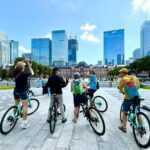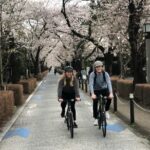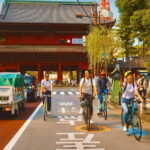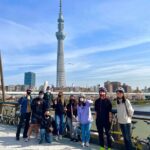
A bike ride turns Tokyo into a story. In about three hours you’ll cover roughly 18 km, mixing major stops like the Imperial Palace gates and Tokyo Station with street-level details you’d miss on foot. I love the e-bike option for real-world hills and heat, and I like that the guidance stays hands-on and practical with guides such as Show and Naoki.
The one thing to plan for is cycling comfort: you should feel OK riding in active traffic and around pedestrians, since this is part sightseeing, part city mobility. Also, if you want a helmet, plan to pay extra (rental is ¥1000) and bring cash.
In This Review
- Key points before you pedal
- How this 3-hour ride helps you read Tokyo fast
- Choosing pedal vs e-bike: heat and hills are the real deal
- Price and value: why $59.45 can be a smart use of half a day
- Getting set up: where you start, what to bring, and how the tour runs
- Stop 1: Zojo-ji and that Tokyo Tower photo moment
- Stop 2–4: Imperial Palace perimeter, guards, and Otemon gate photos
- Stop 3: Tokyo Station Marunouchi Ekimae Hiroba and the red-brick landmark
- Stop 5: Akasaka Palace (State Guesthouse) and what that extra fee means
- Stop 6: Japan National Stadium and Olympic Tokyo energy
- Stop 7–8: Aoyama Street to Cat Street, where style changes fast
- Stop 9: Shibuya Crossing on a bike is a whole different feeling
- End near Yoyogi Park and Harajuku: turn the ride into your afternoon
- Who should book this bike-and-e-bike tour
- Should you book this Tokyo bike tour?
Key points before you pedal
- 18 km in 3 hours: a fast way to cover a lot of ground without racing on foot
- Bike or e-bike: e-bikes make climbs and warm weather feel much more manageable
- Small group (max 7): easier pacing, tighter route control, and better time at stops
- Photo-friendly landmarks: Tokyo Tower backdrops and classic gates at the Imperial Palace area
- English + Japanese, in-person guide: clear context for what you’re seeing as you ride
- Rain handling included: raincoat is provided on rainy days
How this 3-hour ride helps you read Tokyo fast
Tokyo can feel like a nonstop blur. This tour makes it legible. You get the rhythm of the city because you’re moving at bike speed, not train speed and not walking speed. That means you can actually notice the details: building shapes, street layouts, and how neighborhoods shift block by block.
The route is built for time. Three hours is short enough that you’ll still have energy afterward, but long enough to connect big landmarks with the surrounding streets. You ride by well-known places like the Imperial Palace and Tokyo Station, then you continue into areas that are more about what it feels like to be there—Aoyama’s design-forward streets, Shibuya’s fashion lanes, and the approach to Shibuya Crossing.
And you’re not stuck in “stop, look, move on” mode. The ride includes short breaks at each point, which matters because Tokyo can be crowded and you’ll want a moment to orient yourself.
You can also read our reviews of more tours and experiences in Tokyo.
Choosing pedal vs e-bike: heat and hills are the real deal
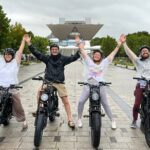
This tour is designed so you don’t have to be a serious cyclist. Still, Tokyo has hills and long stretches of road where your legs will notice the difference between a standard pedal bike and an e-bike.
If you’re visiting in warmer months, an e-bike is the easiest way to keep the experience fun. In the reviews, people consistently highlighted how the e-bike made the tour feel smoother, including for climbs. On pedal bikes, a few riders felt the pace could be more demanding—especially when the group hit hills or you had to keep moving through denser pedestrian areas.
If you’re unsure, here’s the practical rule I’d use: choose e-bike unless you’re confident riding steadily in traffic and you want the workout. The e-bike also helps you arrive at photo stops feeling fresh instead of drained.
Price and value: why $59.45 can be a smart use of half a day
At $59.45 per person for a three-hour small-group ride, the value mostly comes from what you get bundled in:
- Bike use included (so you’re not hunting down a rental)
- In-person guide (English and Japanese)
- Bike insurance
- A mini pouch for your phone, wallet, and keys
- A raincoat if the weather turns
- Bike support through the route, including turn-by-turn guidance as you move through busy zones
What’s not included is mainly the stuff that can blow up your time: food and drink, and optional items like a helmet rental. If you’re trying to “do Tokyo” in a tight schedule, this bundling is the point. You spend your morning or afternoon riding and learning, not figuring out logistics.
It’s also a good deal if your priority is coverage plus context. Paying for a bike and then taking public transit between landmarks often adds up in time, not just money. Here, the route is set so you can see multiple areas without constantly switching modes.
One small heads-up: I’ve seen a note that different bike options can have different pricing. Before you lock it in, double-check what you’re selecting at checkout so there are no surprises.
Getting set up: where you start, what to bring, and how the tour runs
The tour meets near Shibakoen in Minato City, at Shiba Park Building (2-chōme 21). The end point is near Yoyogi Park and the Harajuku area, with the final finish at Bell of Peace 1 in Jinnan (a shopping and dining area between Yoyogi Park and Shibuya). From there it’s about 5 minutes to Yoyogi Park and 10 minutes to Shibuya Station on foot.
You’ll want moderate physical fitness. That doesn’t mean you need to be athletic, but you should be able to pedal steadily for portions of the ride and handle short stops for photos. The group size is capped at 7 people, which usually keeps the route manageable.
What’s included and what you should plan for:
- Included: bike, raincoat on rainy days, mini pouch, bike insurance, and an English/Japanese guide
- Not included: food and drink, helmet rental (¥1000, bring cash), and child seat setup (¥3000 if requested in advance with cash)
Also, if you’re bringing valuables, use the mini pouch. Phones matter here because the tour is photo-friendly, and you’ll want them accessible without digging through a bag every time.
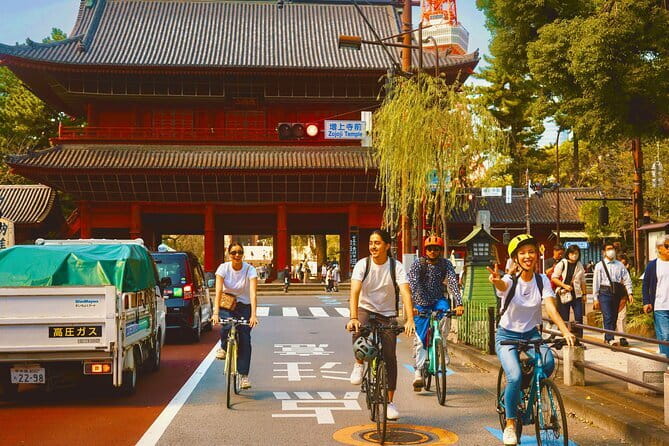
Stop 1: Zojo-ji and that Tokyo Tower photo moment
The ride opens at Zojo-ji, a famous temple area where you can frame a classic shot with Tokyo Tower in the background. The time here is short—about 15 minutes—so don’t plan to wander deeply. Instead, use it for quick orientation, photos, and a look at the temple grounds.
If you’re lucky, you may be able to go inside, which adds a bit of surprise value. Admission is listed as free. Even with limited time, Zojo-ji works well as a first stop because it “signals” the tour’s style: landmark scenery plus cultural context.
A practical tip: treat this like a photo sprint with a calm pause. Tokyo Tower angles are picky. If you’re aiming for a specific photo composition, spend your first few minutes checking the best view before the rest of the group moves on.
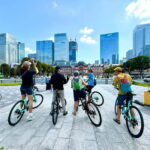

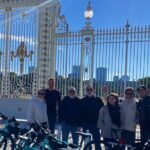
Stop 2–4: Imperial Palace perimeter, guards, and Otemon gate photos
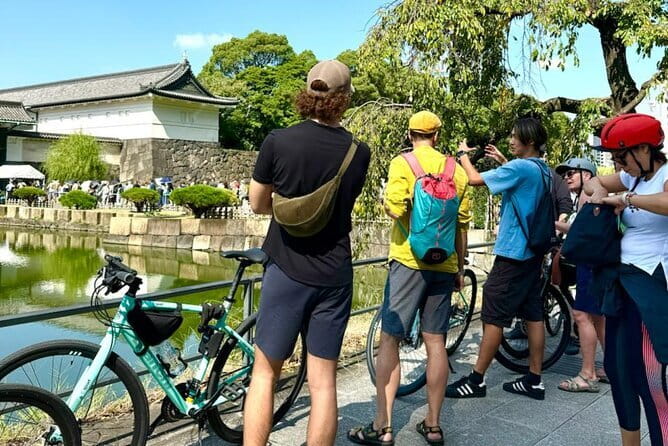
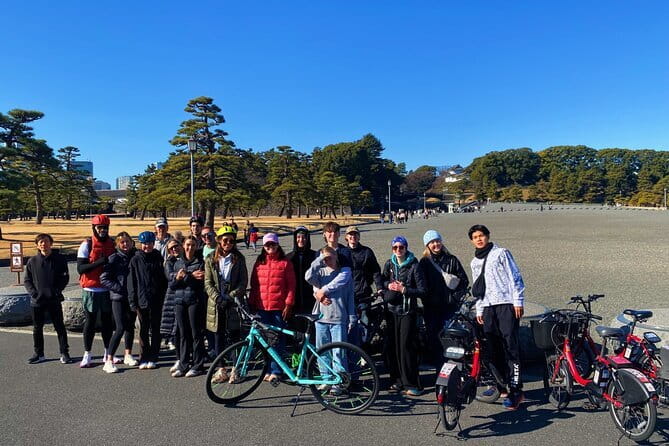
From Zojo-ji, you move into the Imperial Palace area. You’ll see the entrance and guards during a brief stop (about 10 minutes). That short time is enough to notice how the site is managed—order, spacing, and the sense of “restricted space” shaping the streets around it.
Next comes Otemon Gate (Kokyo Otemon Gate). This is the main entrance you’ll want to photograph. The stop is about 10 minutes, and admission is free. Think of this as the tour’s “classic architecture” beat: clean lines, gate silhouettes, and a place where your camera doesn’t need to work hard to get a good shot.
This sequence matters because it teaches you something beyond the photos: Tokyo’s most high-profile institutions don’t feel like distant monuments here. They shape the feel of nearby streets, traffic flow, and pedestrian behavior.
One caution: the Imperial Palace stops are photo-heavy and crowd-sensitive. If you’re traveling with limited mobility, plan for standing room and quick transitions rather than long lounging.
Stop 3: Tokyo Station Marunouchi Ekimae Hiroba and the red-brick landmark

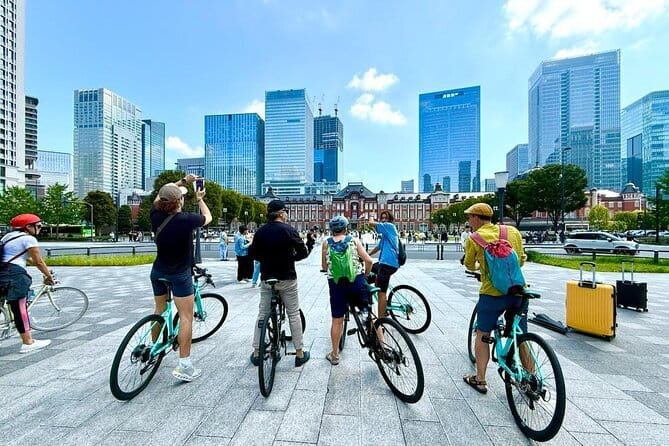
Then you roll into the Tokyo Station Marunouchi Ekimae Hiroba area. Tokyo Station’s red-brick facade, opened in 1914, is the star. The stop is about 10 minutes, and admission is free.
This is one of those places where you’ll feel the contrast between old and new Tokyo. Tokyo Station reads like a historical landmark, but it’s also a machine for modern movement. Seeing it from the street level gives you a better “feel” than just passing through on a platform.
If you like architecture, this stop is a nice palate cleanser between the ceremonial Imperial Palace area and the more contemporary vibe heading toward Shibuya.
Stop 5: Akasaka Palace (State Guesthouse) and what that extra fee means
A short stop (about 5 minutes) takes you to Akasaka Palace (State Guesthouse). It’s originally built as a royal villa and now functions as a state guesthouse. Admission is marked not included.
This stop is less about a long visit and more about understanding what you’re seeing from the outside and through the context the guide provides. If you specifically want to enter, you’ll need to be prepared for the extra cost, since it isn’t included in the tour price.
Given the tight timing, if you’re the type who wants “inside access,” consider whether you’d rather spend your time elsewhere and use this stop mainly for photos and explanation.
Stop 6: Japan National Stadium and Olympic Tokyo energy
You then visit Japan National Stadium, the venue associated with the 2020 Tokyo Olympic and Paralympic games. The stop is about 15 minutes, and admission is listed as free.
This is a helpful stop because it anchors modern Tokyo’s global identity. You’re not just looking at old buildings or ceremonial gates; you’re seeing where the city hosted world-level sports events, and the scale of the venue makes the point quickly.
It’s also a nice pacing break. A longer stop than most helps you reset before the ride turns more neighborhood-and-shopping focused.
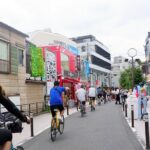
Stop 7–8: Aoyama Street to Cat Street, where style changes fast
The tour then shifts into two short “street feel” segments:
- Aoyama Street (about 5 minutes): high-end fashion brands and distinctive architecture
- Shibuya Cat Street (about 5 minutes): a route tied to fashion culture, including vintage shops
These are short for a reason. The goal isn’t to shop for an hour. It’s to give you a taste of how Tokyo’s identity changes as you move across neighborhoods.
If you like design and people-watching, these minutes add up. Even if you don’t buy anything, you’ll start recognizing differences in street layout, storefront style, and the general flow of pedestrians.
Also, these short stops work well for photos, because you’re not stuck waiting for a single dramatic viewpoint while the rest of the group moves on.
Stop 9: Shibuya Crossing on a bike is a whole different feeling
Yes, you bike through Shibuya Crossing, and the stop is about 5 minutes. Admission is free.
This is the most kinetic moment on the route. Cycling through a place famous for crowd choreography feels surprisingly different from watching it from the sidewalk. You move through it with guidance, so you’re not just taking in the chaos—you’re experiencing the city’s organized movement.
A practical note: Shibuya is busy. You’ll want to stay alert, keep your speed under control, and follow the guide’s cues. This is exactly where feeling comfortable around pedestrians matters.
End near Yoyogi Park and Harajuku: turn the ride into your afternoon
The tour ends at Bell of Peace 1 in Udagawacho/Jinnan, finishing near Yoyogi Park, close to Harajuku Station, and also within walking distance of Shibuya Station.
This location is smart. Yoyogi Park gives you a breather after the traffic-focused ride. If you want to keep exploring, you’re positioned right in the zone where you can hop into shopping streets and casual dining without spending extra time getting there.
If you’re planning the rest of the day, I’d treat this ending like your reset point. You already covered the high-demand “headline sights.” Now you can choose your next move based on energy: park stroll, nearby browsing, or heading toward Shibuya.
Who should book this bike-and-e-bike tour
I’d point this tour toward you if you want:
- A fast introduction to Tokyo in a half-day
- A route that mixes big landmarks with more street-level neighborhoods
- A small group with a guide who helps you understand what you’re seeing
- The option to ride an e-bike so the day stays enjoyable in warm weather
It’s especially strong if you like the idea of learning through movement. You get context at stops, but you also get “how the city works” through the act of riding.
I’d think twice if:
- You’re not comfortable biking near pedestrians and traffic
- You want long, sit-down museum-style time at a single location
- You expect lots of indoor access everywhere (some stops are brief by design)
Should you book this Tokyo bike tour?
Yes, I think you should book it if your goal is efficient Tokyo orientation with good pacing. For $59.45, you’re buying a guide-led route, bike use, and smart stop timing that lets you see major sites plus side streets without turning the day into logistics.
Choose the e-bike if you want to protect your energy, especially in summer or if hills worry you. If you prefer standard pedaling and you’re comfortable in busy areas, you can enjoy it that way too, but keep your expectations aligned with a city-riding format.
If you want one simple decision rule: book it when you have a short window and you want a guided “story of Tokyo” at bike speed, not just a list of landmarks.