REVIEW · MONTREAL
Montreal: Downtown and Old Montreal Highlights Bike Tour
Book on GetYourGuide →Operated by Fitz Montreal · Bookable on GetYourGuide
Old Montreal looks better when you ride it. This tour pairs iconic sights with on-the-bike stories so the city clicks fast.
I especially like the way the route mixes major landmarks with quieter laneways, so you get both the postcards and the everyday Montreal. The small group size (max 10) also makes it easier to feel comfortable and stay together.
One watch-out: there’s no hotel pick-up, and you do need proper riding shoes plus water for about 3 hours on mostly-flat bike paths.
In This Review
- Key highlights you’ll feel right away
- Old Montreal, Then Real Montreal: How the Ride Works
- Where You Meet and Get Rolling at 87 Rue de la Commune Est
- Old Port and Place des Festivals: The City’s Built-In Stage
- Place d’Armes and Notre-Dame Basilica: Big Landmarks With Helpful Context
- Habitat 67: Modern Montreal in the Middle of the Old-Street Story
- The Lachine Canal Stretch: Peaceful Riding, Real Geography
- The Farine Five Roses Sign: One Neighborhood Detail, Big City Meaning
- Gay Village: Culture You Can Sense Without Overthinking It
- Why the Breaks Every 15 Minutes Make This Tour Better
- Price and Value: What $87 Buys You (And What It Doesn’t)
- Getting the Most Out of the Day: Small Tips That Matter
- Who Should Book This Montreal Highlights Bike Tour?
- Should You Book It? My Quick Decision Guide
- FAQ
- How long is the Montreal Downtown and Old Montreal Highlights Bike Tour?
- About how far will I bike?
- Is the route hard?
- How often do we stop?
- What’s the group size?
- What’s included in the price?
- What should I bring?
- What footwear is not allowed?
- Where does the tour start?
- Is this tour offered in English?
Key highlights you’ll feel right away
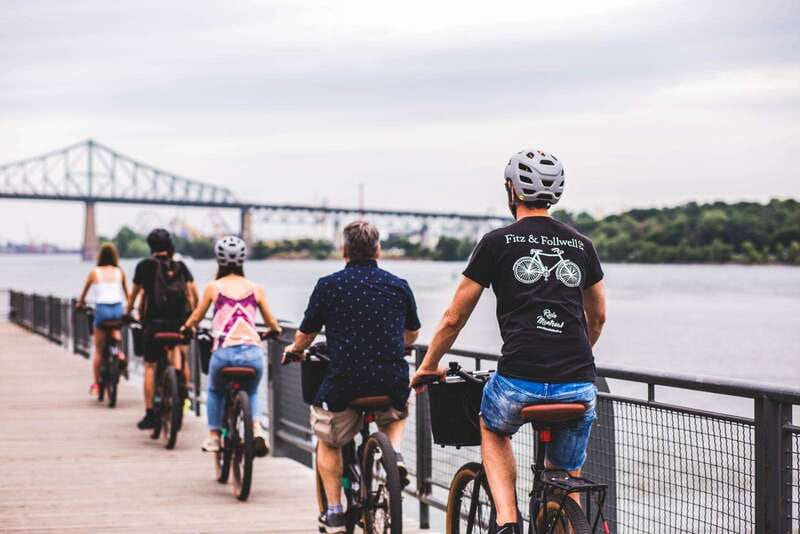
- Small group (10 max): easier pacing and a more personal guide experience
- Frequent 15-minute story stops: you don’t just look, you understand
- Old Port to the Gay Village: big “coverage” for one short afternoon
- Mostly-flat bike paths (about 15 km / 10 miles): active without being a hard workout
- Notable stops you’ll recognize: Notre-Dame Basilica, Habitat 67, Lachine Canal, Farine Five Roses
- Good tour leadership: guides consistently prioritize safety and clarity
Old Montreal, Then Real Montreal: How the Ride Works
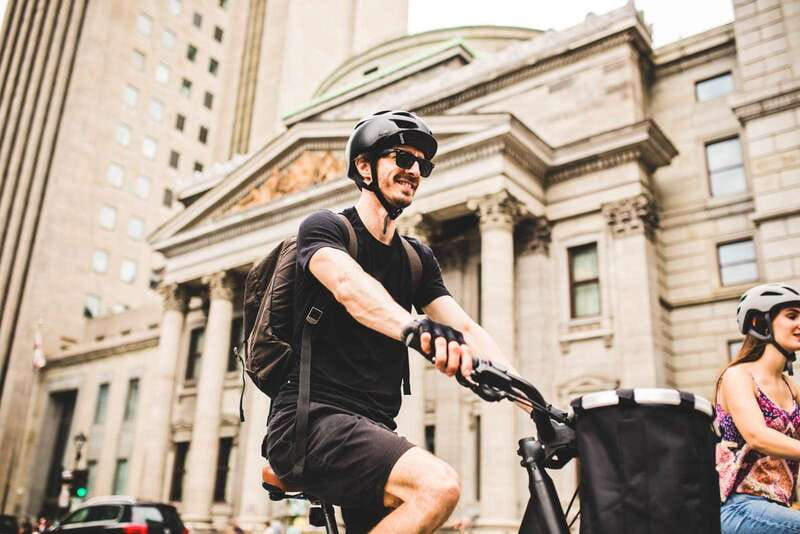
This is one of those tours that makes Montreal feel manageable on day one. You start in Old Montreal and within a few minutes you’re pedaling through the parts of town that shape how people actually live here—history, architecture, and modern culture all in the same ride. It’s also timed well: the tour runs about 3 hours, with roughly 2 hours of actual riding, plus short breaks for stories and a longer pause for regrouping.
You’re not thrown into a sprint either. Most of the route uses bicycle paths that are mostly flat, and the pace is relaxed enough that you can take in the scene without constantly checking your breathing. The guide stops every 15 minutes or so, which matters more than you’d think. You get time to look around, ask questions, and get context while things are still fresh.
And the guides bring personality. I’ve seen names like Rod, JF, Rene, Darren, Martin, Jeff, Mahar, and Catherine attached to tours like this, and the pattern is the same: they’re passionate about the city and they’re happy to help you understand what you’re seeing. You’ll also get practical ideas for what to do next, including food suggestions near the tour area.
You can also read our reviews of more tours and experiences in Montreal.


Where You Meet and Get Rolling at 87 Rue de la Commune Est
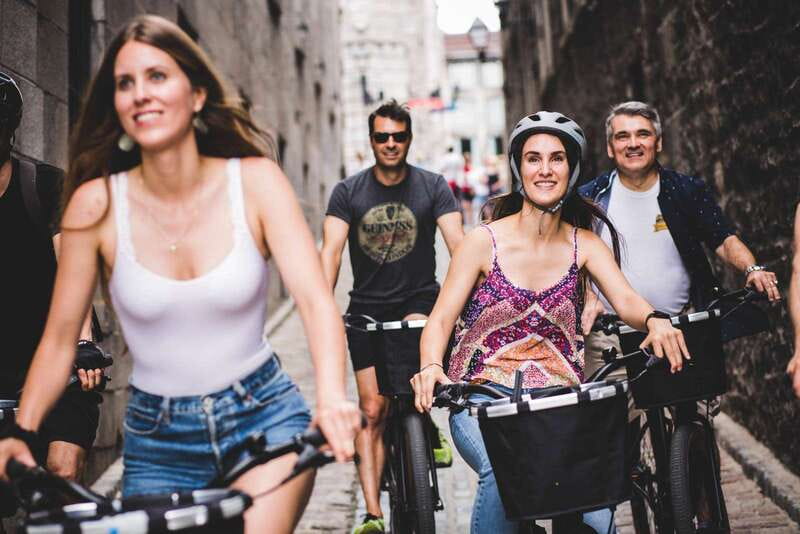
Your start point is 87 Rue de la Commune Est, right in the heart of Old Montreal. Arriving here gives you two wins right away: you’re in a walkable historic zone, and you’re also near the kind of streets where neighborhoods start blending into each other. If you like the idea of building a mental map quickly, this meeting location helps.
Once you’re there, you’ll get fitted with a city bike, a helmet, and a basket. That basket sounds small, but it helps a lot if you pick up anything during the ride or need to carry a bottle after your first stop. You also don’t need to bring fancy gear. The tour info keeps it simple: bring water, wear comfortable clothes and shoes for riding, and skip sandals or flip flops.
If you’re traveling solo, the small group structure is a plus. Limited to 10 participants, you’re not fighting your way through a crowd, and it’s easier to hear the guide when they explain what you’re looking at.
Old Port and Place des Festivals: The City’s Built-In Stage
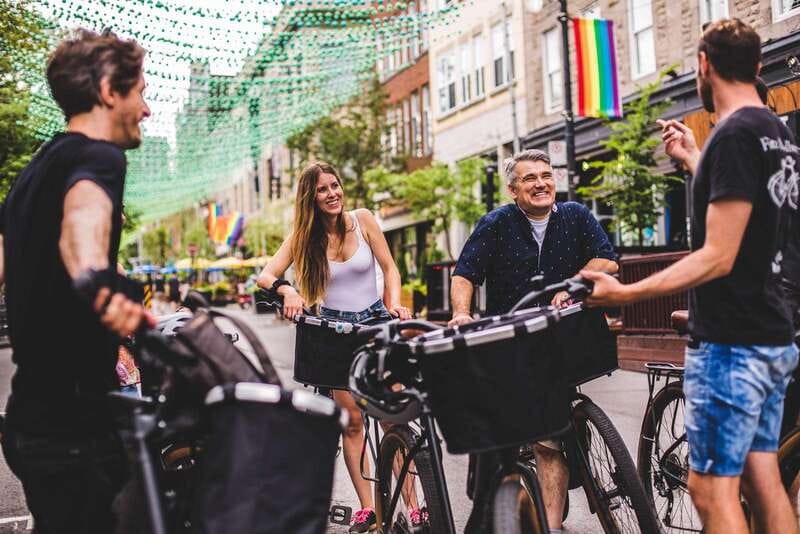
The ride begins in the historic orbit, with the Old Montreal/Old Port area setting the tone. This is where Montreal shows off its older identity—stone, river energy, and that sense of place you only get when buildings have been standing through generations of change.
From there, you’ll head into Place des Festivals. This area is a good reminder that Montreal doesn’t live in the past. It’s a city that stages culture, and that shows up in the spaces people gather—music, events, and public life. Even if you’re not attending a specific festival, you’ll feel why this area matters.
Here’s what I like about this part of the tour: you’re not just seeing views. The guide’s story stops help connect the dots between the city’s economy and the way public spaces are used. You’ll hear how the Old Port’s role shaped Montreal’s development, and how cultural identity forms when the city keeps reinventing itself.
Place d’Armes and Notre-Dame Basilica: Big Landmarks With Helpful Context
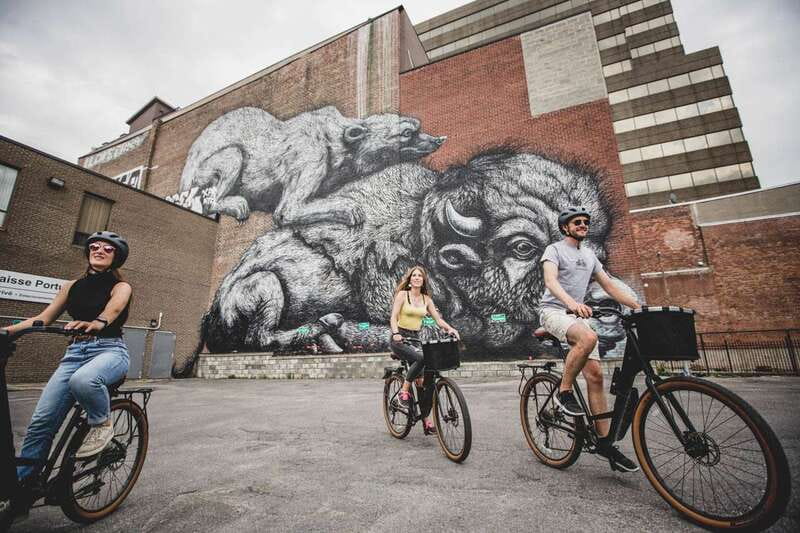
Next you’ll work your way toward Place d’Armes and Notre-Dame Basilica. These are the kinds of landmarks most people photograph fast and then move on from. The difference on this tour is timing and explanation. You’ll get the background you need so the buildings don’t feel like random stops.
What stands out here is the contrast. Montreal is French in many ways, but it’s also tied to British influence and later waves of development. The tour helps you see how those layers coexist instead of canceling each other out. If you’ve ever wondered why the architecture looks like more than one story, this is where it starts making sense.
Also, the guide pacing is useful. You won’t be racing from one landmark to the next. Short breaks every 15 minutes give you time to look up, read details if you want, and ask questions without the tour feeling like a checklist.
Habitat 67: Modern Montreal in the Middle of the Old-Street Story
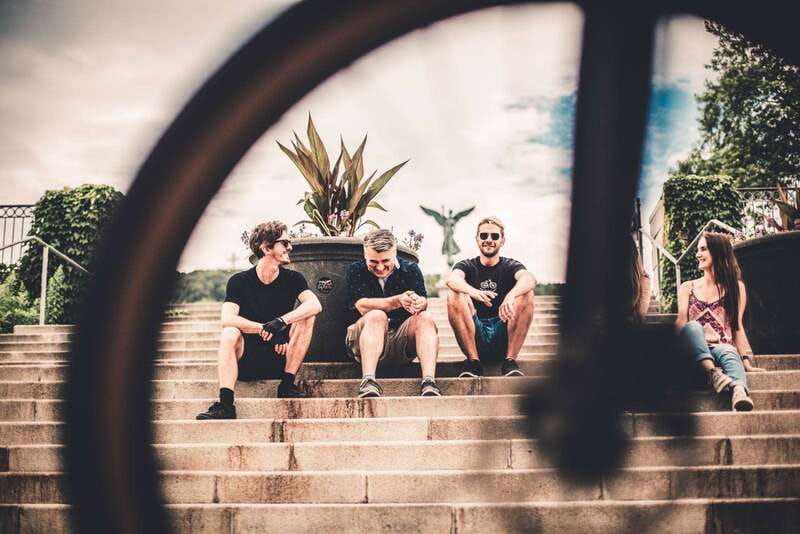
One of the most memorable shifts is heading to Habitat 67. This stop is important because it’s Montreal showing its future-minded side—solid, designed, and unmistakably different from the older streets around it.
It’s also a good “mental reset” point during the ride. After the historical areas, you get a clear reminder that Montreal’s identity isn’t frozen. The guide will connect it to how the city keeps changing, and you’ll come away with a better sense of where Montreal’s creativity shows up beyond art galleries.
This isn’t a long “stand still” moment either. You’ll see it, hear the story, then keep moving. That keeps momentum while still giving you understanding.


The Lachine Canal Stretch: Peaceful Riding, Real Geography
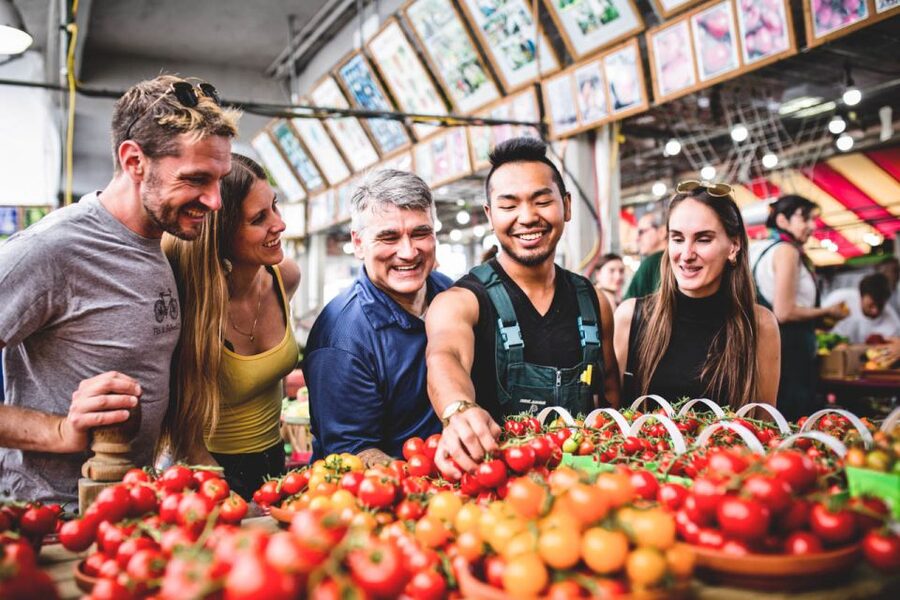
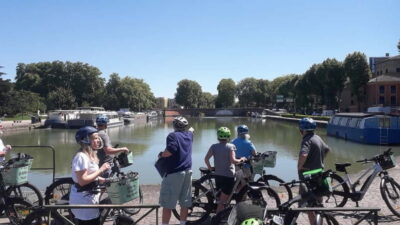
Then you’ll shift toward the Lachine Canal. This part of the ride is a great example of how the tour goes beyond the downtown highlights. Canal-side cycling tends to feel calmer and more open, and that helps you reset between the denser central zones.
The guide’s narration adds value here too. Instead of treating the canal like scenery, you’ll understand why this type of geography mattered to the city’s growth. You’ll also get more context about Montreal’s broader past—plus a thread of Indigenous heritage and how First Nations history fits into the story of the city.
If you like travel that’s more than photos, this segment delivers. Even if you’re not a bike enthusiast, canal riding makes you feel the layout of Montreal in your legs. You start to recognize the city’s rhythm—how neighborhoods shift, how green space interrupts the built environment, and how distance feels different by bike than by car or foot.
The Farine Five Roses Sign: One Neighborhood Detail, Big City Meaning
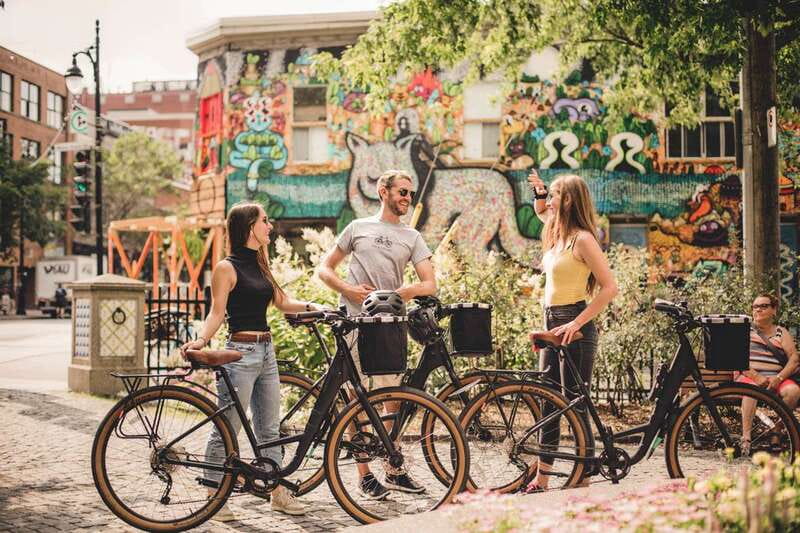
The Farine Five Roses sign is a classic kind of Montreal landmark: industrial-era identity turned into a visible cultural marker. It’s the sort of thing many people miss unless they’re looking for it, and it’s exactly why this tour works. You get the headline sights—plus a few details that tell you what the city used to be and how it still remembers.
The value here is the explanation. A sign like this isn’t just a photo. It’s a reminder that food, trade, and local industry are part of Montreal’s story. When your guide ties it into the broader context, you end up seeing the city as a living system rather than a set of attractions.
Gay Village: Culture You Can Sense Without Overthinking It
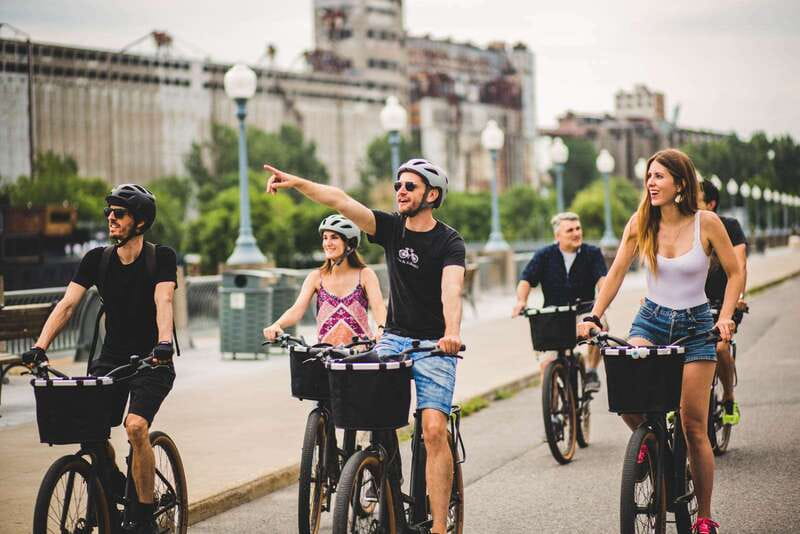
As the tour heads toward the Gay Village, the mood often shifts in a way that’s hard to fake. This is Montreal showing modern culture in a very visible, street-level way. You’ll get background on how the city’s communities evolved, and you’ll also see a different side of Montreal’s public life.
This stop is valuable even if you don’t plan to spend your entire trip here. Why? Because it rounds out the story. You understand that Montreal isn’t only old streets and grand churches. It’s also nightlife, community, and the everyday expression of identity.
Again, the guide pacing matters. You’re not dropped into a long free-for-all. You get context, then you move on with the rest of the group, keeping the tour’s structure intact.
Why the Breaks Every 15 Minutes Make This Tour Better
I’ve done enough tours to know the difference between “a ride with stops” and “a guided learning experience.” Here, the stops every 15 minutes or so are the secret sauce. You don’t have to wait until the end for the meaningful parts. You learn while you’re still in the environment.
You’ll also have a few short breaks—around 4 to 5—plus a longer break of about 30 minutes. That longer pause helps you reset: grab water, use the restroom if needed, and take a breather without feeling rushed back onto the bike.
This structure is especially helpful if you’re visiting with mixed energy levels. Someone might want to chat a bit longer at a landmark; someone else might just need to catch their breath. The guide builds the tour around those needs.
Price and Value: What $87 Buys You (And What It Doesn’t)
At $87 per person for about 3 hours, this is priced like an experience aimed at “first-day orientation,” not a slow sightseeing day. The value is strongest if you’re the type of traveler who wants context while you’re moving—because the guide is the main attraction here.
What’s included makes the math easier:
- Bike + helmet
- Local guide
- Basket
What’s not included is also straightforward:
- No hotel pick-up
If you’re staying in or near Old Montreal, the lack of pick-up is usually not a deal-breaker. You can simply make the meeting point part of your day. If you’re far away, factor in time to get to 87 Rue de la Commune Est.
In short: pay $87 if you want an organized way to cover Old Montreal, downtown, and a few “beyond the obvious” areas without spending hours planning your own route. If you prefer full freedom with zero structure, you might be happier renting a bike on your own and mapping stops one by one.
Getting the Most Out of the Day: Small Tips That Matter
This tour is practical, but you’ll enjoy it more if you prepare like it’s a real ride.
- Bring water. The tour info is clear about it, and you’ll feel it on a warm day.
- Wear closed-toe shoes and skip sandals/flip flops. Your feet will thank you during small stops and bike restarts.
- Expect 13+ age suitability. Even if the riding is mostly flat, it’s still a bike tour.
- Pack a light layer. Quebec weather can flip fast, and the tour lasts long enough that you’ll notice.
One smart strategy: use the guide’s story breaks to ask what to do next. Multiple guides are known for offering food and activity ideas right after you see the areas in question. That turns the tour from sightseeing into a foundation for the rest of your trip.
Who Should Book This Montreal Highlights Bike Tour?
This tour is a great match if:
- It’s your first visit and you want to get oriented quickly
- You like mixing big landmarks with quieter streets and side areas
- You want to learn about Montreal’s culture, architecture, and economy while riding
- You prefer small groups and a guide who keeps things clear and safe
It’s less ideal if:
- You want a purely self-guided experience
- You’re not comfortable riding a bike for about 15 km total, even at a relaxed pace
- You need hotel pick-up and don’t want to plan your own arrival to the meeting point
Should You Book It? My Quick Decision Guide
Book it if you want a smart, active intro to Montreal that covers Old Montreal, downtown highlights, and the cultural edges like the Gay Village—while keeping the pace relaxed and the learning constant. The combination of mostly-flat bike paths, frequent explanation stops, and solid tour leadership (I’ve seen guides like Rene, Darren, and Catherine deliver this style) makes it a reliable “day one win.”
Skip it only if the idea of 3 hours on a bike feels like too much structure, or if you’re traveling too far from Old Montreal to make the meeting point easy.
FAQ
How long is the Montreal Downtown and Old Montreal Highlights Bike Tour?
The tour lasts 3 hours.
About how far will I bike?
The riding distance is approximately 10 miles (15 km), with about 2 hours of riding.
Is the route hard?
Most of the ride is on bicycle paths that are mostly flat and suitable for all riders.
How often do we stop?
The guide stops every 15 minutes or so for information and stories, plus a few short breaks and one longer break of about 30 minutes.
What’s the group size?
The group is small, limited to 10 participants.
What’s included in the price?
Included are the bike tour, a local guide, bicycle and helmet, and a basket.
What should I bring?
Bring water.
What footwear is not allowed?
Sandals or flip flops are not allowed.
Where does the tour start?
The meeting point is 87 Rue de la Commune Est, in the heart of Old Montreal.
Is this tour offered in English?
Yes, the tour guide provides English.