REVIEW · PISA
Pisa: Self-Guided Bike Tour to Lucca
Book on GetYourGuide →Operated by SMILE & RIDE · Bookable on GetYourGuide
A bike day between Pisa and Lucca is the fast lane to Tuscany. This self-guided ride takes you off the busiest routes, along the Serchio River and the Puccini cycling path, then lands you inside Lucca’s medieval walls.
What I really like is how easy the day feels to manage: you get a touring bike plus an app itinerary and phone holder, so you can ride at your own pace without second-guessing directions. In Lucca, I love the mix of big sights and small details, from the walls-top views to the Guinigi Tower and the narrow streets around via Fillungo. One thing to consider: it’s not a sit-and-look tour. You’ll cover about 25 km each way, and a smartphone is required for the route.
In This Review
- Key things to know before you go
- Why a Pisa-to-Lucca bike day feels like a smart escape
- Following the Serchio River and the Puccini Cycle Path
- Entering Lucca through the walls: towers, Rocca, and big views
- Downtown Lucca highlights you can actually plan around
- Guinigi Tower and the hanging garden effect
- via Fillungo: shops and strolling energy
- Two anchor squares: Roman amphitheater and Piazza Napoleone
- A gourmet stop that fits the bike rhythm
- App navigation, phone holder, and staying confident on route
- How hard is it really? Pace, effort, and bike type
- Price value: what $40 includes (and what it doesn’t)
- Who should book this (and who might prefer something else)
- Should you book the Pisa: Self-Guided Bike Tour to Lucca?
- FAQ
- FAQ
- How long is the Pisa to Lucca bike tour?
- How far do I ride during the tour?
- What’s included in the tour price?
- Are food and drinks included?
- Do I need a smartphone for this tour?
- What language support is available?
- Can I return to Pisa by train with my bike?
- Is the tour suitable for children?
Key things to know before you go
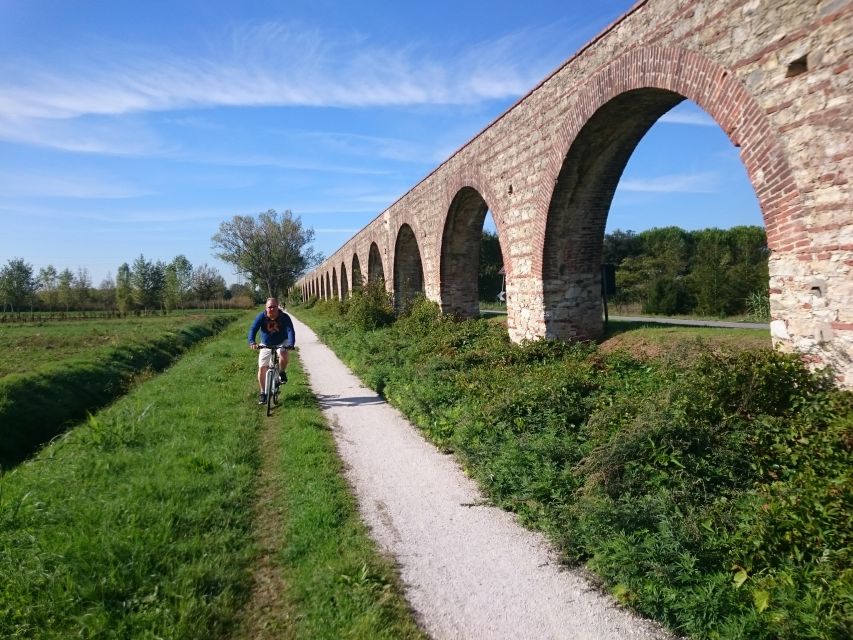
- Puccini cycling path connects the Serchio valley to Lucca, with river scenery that keeps the ride interesting
- Serchio River route follows natural terrain shaped by water jumps and bird-filled terraces
- Lucca’s walls route gets you into the historic center with towers and lookout views over the city
- App navigation + phone holder is built into the experience, and it’s a big part of why it works well
- Flexible return options may be available (regional train with bike supplement, or leaving the bike in Lucca)
Why a Pisa-to-Lucca bike day feels like a smart escape
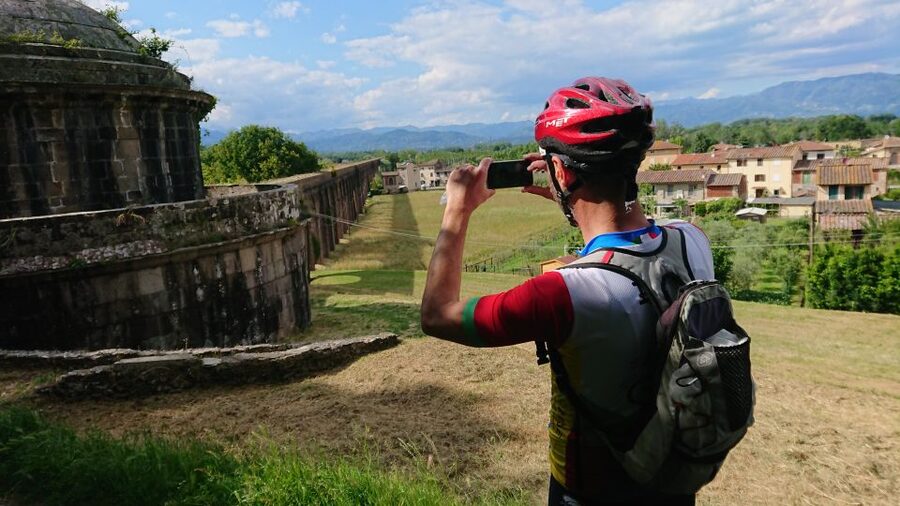
Pisa is famous for a few postcard moments, but your best Tuscany memories often come from the ride between destinations. This tour is designed for that exact payoff: you cycle from Pisa toward Lucca through countryside that’s calmer and more scenic than the main tourist corridors.
The format is also a plus. It’s a self-guided experience with a private group setup, so you’re not stuck matching someone else’s speed. You’ll spend about 5.5 hours riding and exploring, with a clear rhythm: ride out, take in Lucca, then ride back.
Distance matters here. The tour totals about 25 km to reach Lucca and 25 km to return to Pisa. That’s why you’ll want comfortable cycling clothes and a hydration plan from the start.
You can also read our reviews of more tours and experiences in Pisa.
Following the Serchio River and the Puccini Cycle Path
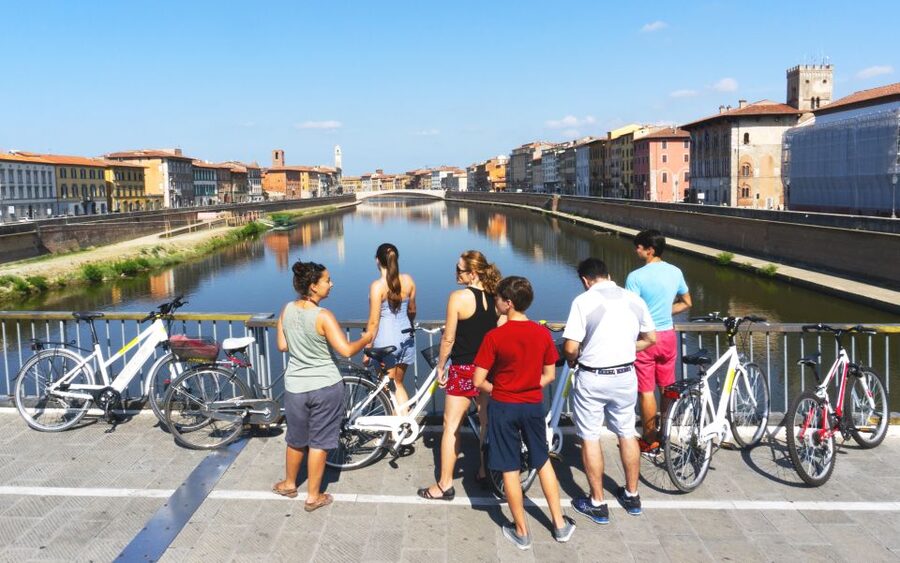
The star of the morning is the route itself. You’ll follow the Serchio River, where the scenery is shaped by the river’s own character—broken by water features and lined with bushy terraces that attract lots of birds. That birdlife detail may sound small, but it changes the whole vibe. You’re not just biking past scenery; you’re moving through an active natural corridor.
Then you shift onto the Puccini cycle path. It’s named for Giacomo Puccini, born in Lucca, which gives the day a nice cultural thread while you’re still enjoying pure riding time. This section is the connection piece: the cycle path ties together the Serchio valley and Lucca, so the approach to the city feels like it belongs to the day—not like a stressful transportation transfer.
Two practical tips make this part smoother:
- Keep your eyes up for crossings and river sections where the path runs over the water. It’s one of the highlights, and it’s also where you’ll want good control and attention.
- Use the app itinerary as a steering tool, not as a distraction. When you’re in motion, quick glances are better than stopping often.
Entering Lucca through the walls: towers, Rocca, and big views
Lucca isn’t a city you fully understand from street level alone. That’s why arriving with the walls in mind is such a smart move.
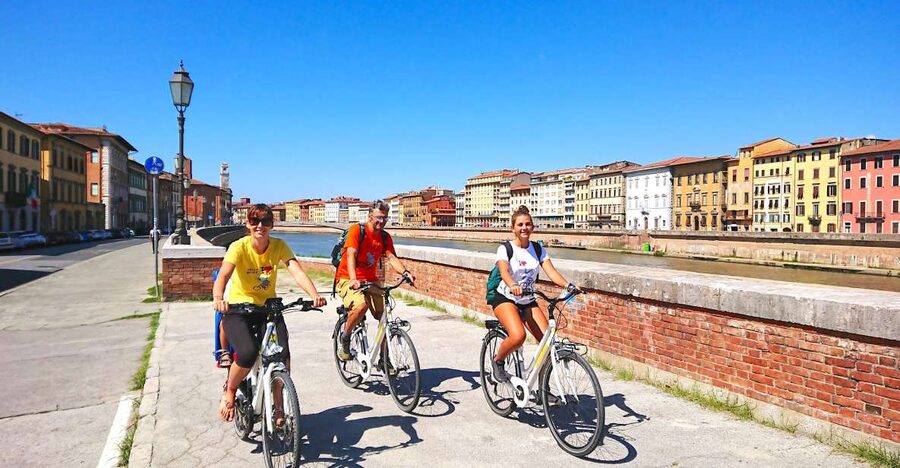
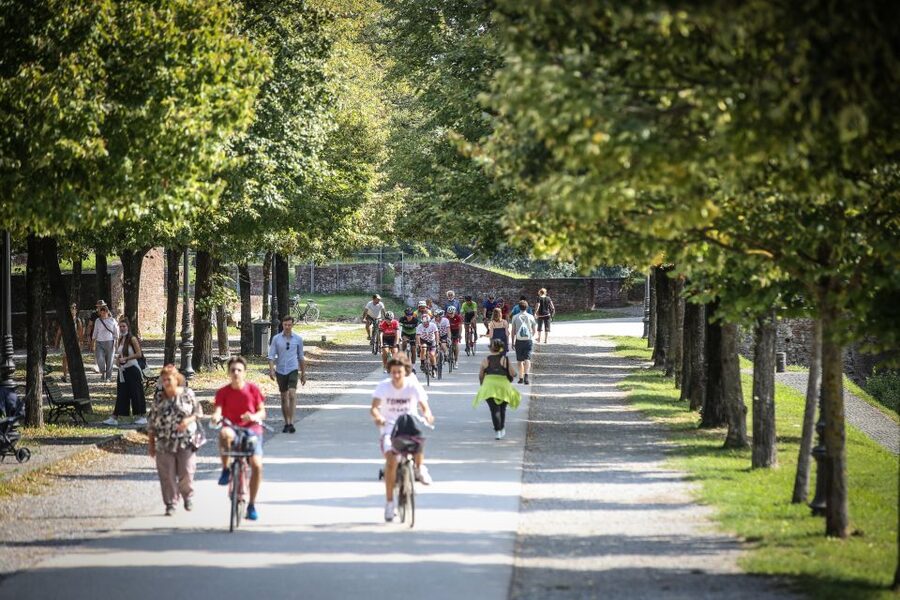
As you near Lucca, the route leads you toward the medieval walls and key structures along the way, including Rocca di Ripafratta. From there, you can take the path above the city walls, where the payoff is the view: you get a sweeping look over Lucca’s rooftops and tower silhouettes, the kind of perspective you usually pay for with time or effort on foot.
Once you’re inside the historic area, the city’s medieval layout really starts to click. You’ll be cycling through narrow streets where towers rise above the roofs, which is exactly why this tour works. It’s not just seeing Lucca; it’s entering it in a way that matches its design.
Small note on timing: because the day is about riding plus exploring, you’ll want to keep your exploration efficient. You’ll get great views without needing to turn it into a full-day marathon.
Downtown Lucca highlights you can actually plan around
Lucca’s center is compact enough that you can feel the major sights without getting lost. Here’s what I’d treat as your main highlights once you arrive.
Guinigi Tower and the hanging garden effect
The Guinigi Tower is famous for the hanging garden on top. Even if you’re not spending time on every attraction, seeing it as you move through town gives you that instant Lucca signature—stone towers with an unexpected, living twist.
via Fillungo: shops and strolling energy
via Fillungo is where you can slow down and enjoy Lucca in a more human way. The street is lined with historic shops, so it’s a natural place to pause, browse briefly, and plan where you’ll stop for a snack later.
Two anchor squares: Roman amphitheater and Piazza Napoleone
Lucca also has major square spaces that act like navigation landmarks in your mind. The squares connected to the Roman amphitheater area and the square of Napoleon help you orient quickly, and they’re useful if you want to structure your time without constantly checking your phone.
A gourmet stop that fits the bike rhythm
This tour isn’t about cooking classes, but it’s definitely about eating well at the right time. In Lucca, you can choose from classic options such as cecina, necci (chestnut pancakes) with ricotta, buccellato, and Lucchese soup.
My advice: pick one main bite plus a drink. With a 25 km return ride waiting, going too heavy at lunch can turn the afternoon into a slug.
App navigation, phone holder, and staying confident on route
The experience includes an application with the itinerary, plus a phone holder. That matters because this is truly self-guided: you’re relying on the route guidance to make the day smooth.
A few practical realities to plan for:
- You need a smartphone for the itinerary.
- Bring the basics like an ID or passport and a credit card.
- Wear comfortable clothes and hydrate early.
One of the best touches from real-world feedback is that the app has worked well for navigation, and the overall service has been friendly and helpful. People also highlighted quick support when they needed it, and yes, there’s even mention of an adorable dog involved with the service vibe. That sort of small human detail can matter when you’re trying to get your bearings fast.
Also, double-check your power situation. If your phone battery runs low, the app becomes less helpful—so start the day with a charged phone and consider how you’ll keep it that way.
How hard is it really? Pace, effort, and bike type
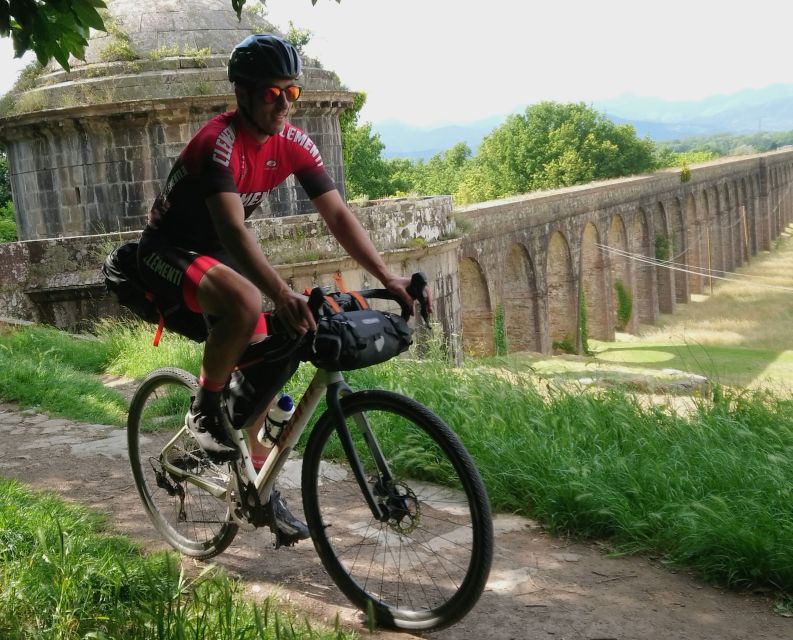
At a total of about 50 km for the day, the tour sits in the “active but doable” category for many cyclists. The ride is described as diverse and fairly easy by people who have done it, and the terrain varies because it follows a river corridor and then transitions toward the city.
What changes the difficulty most is bike type and your comfort level:
- Some riders report using electric bikes, and with those they took about 2 hours each way.
- With standard touring bikes, you’ll likely want a more relaxed pace, with breaks that keep your legs fresh for Lucca and the return.
If you want a simple strategy, do this:
- Start steady, not fast.
- Use Lucca as your “recharge checkpoint” rather than trying to pack in every stop.
- Don’t wait until you’re tired to check your plan. The app itinerary is there to prevent guesswork.
Price value: what $40 includes (and what it doesn’t)
The price is listed at $40 per person, and that’s where the value equation gets interesting.
Included:
- A touring bike
- Application with itinerary
- Phone holder
Not included:
- Hotel pickup and drop off
- Food and drinks
On top of that, there are optional add-ons people can use depending on how they want the logistics to feel:
- You may be able to take a regional train carrying the bikes for a supplement ticket to return to Pisa.
- You may also be able to leave the bike in Lucca for a supplement by asking the bike rental.
So you’re paying for the bike and the navigation backbone—then you pay for your own meals. That’s a fair setup if you like control over food choices and you’d rather spend money on a good local bite than on bundled tourist meals.
Compared to paying for a fully guided day, the self-guided approach keeps the cost low while still giving you a structured route. If you’re comfortable riding and you can use your phone confidently, you’re set up to get good value out of the day.
Who should book this (and who might prefer something else)
This tour is a strong match if you:
- Like cycling through places that feel local, not just sightseeing from one tight loop
- Enjoy structure without strict timing (app-guided, self-paced)
- Want to experience Lucca’s walls and towers in a way that makes sense for the city’s layout
- Are okay covering 25 km each way
It’s not suitable for children under 13, and the smartphone requirement means it’s not the best choice if you don’t want to rely on digital directions. Also, since there’s no hotel pickup or drop-off included, you’ll need to handle getting yourself to the meeting point based on the option you choose.
Should you book the Pisa: Self-Guided Bike Tour to Lucca?
If you want a Tuscany day that mixes scenery with real city atmosphere, I think this is a very good booking. The value is clear: you get a bike, a working itinerary app, and a route that’s built around the Serchio River and the Puccini cycle path, then funnels you into Lucca where the walls and towers do most of the talking.
Book it if you’re comfortable biking a solid distance and you can navigate with your phone. Consider skipping it if you want a low-effort sightseeing day or if you don’t want to manage the self-guided logistics on your own.
FAQ
FAQ
How long is the Pisa to Lucca bike tour?
The duration is 5.5 hours.
How far do I ride during the tour?
You ride about 25 km to reach Lucca and about 25 km to return to Pisa, for a total of roughly 50 km.
What’s included in the tour price?
The tour includes a touring bike, an application with the itinerary, and a phone holder.
Are food and drinks included?
No. Food and drinks are not included.
Do I need a smartphone for this tour?
Yes. A smart phone is required for the itinerary.
What language support is available?
The instructor supports English and Italian.
Can I return to Pisa by train with my bike?
There is a possibility to take a regional train carrying the bikes for a supplement ticket to return to Pisa.
Is the tour suitable for children?
No. It is not suitable for children under 13 years.