REVIEW · NAHA
Okinawa: Afternoon Cycling Tour with Local Guide
Book on GetYourGuide →Operated by イーチャリティ那覇国際通り本店 · Bookable on GetYourGuide
Pedal less, see more in Naha. I like the ride through the street of historic pottery workshops and the payoff of Shuri’s hilltop views over the city; the only real catch is that this is not for you if you can’t comfortably ride a bicycle on streets and small roads.
This is an afternoon tour with electric-assisted bicycles and a guide who keeps the group moving without making it feel like a race. You start near Makishi Monorail station, get a quick safety briefing, then head off into parts of Naha that don’t show up on many quick sightseeing routes.
In past tours, guides like Jojo and Aki have been praised for clear instructions and patience, which matters when you’re navigating uneven sidewalks, parked bikes, and the occasional narrow street turn. If you want a “local lanes” Naha experience with actual context—not just landmarks—this one hits the mark.
In This Review
- Key highlights worth your attention
- Why this afternoon cycling tour works better than a normal sightseeing loop
- Meeting near Makishi Monorail: fast start, clear guidance
- Tsuboya’s pottery streets: where craft feels like daily life
- Quiet Naha lanes: traditional houses and real street texture
- Shuri Castle town: cobblestones, shrines, and “royal-era” walking energy
- The Shuri photo stops and Shureimon look: the “postcard moment” with walking distance
- Hilltop viewpoint break over Naha: the part you’ll remember later
- Asato Shotengai after the tour: where the ride can turn into dinner
- E-bikes, helmets, and intercom: what’s included and why it matters
- Price and value: how to judge if this fits your trip
- Who this tour suits best (and who should skip it)
- Practical tips to make the ride feel smooth
- Should you book this Okinawa cycling tour?
- FAQ
- How long is the Okinawa afternoon cycling tour?
- Where do I meet the tour?
- Is this tour on electric-assisted bicycles?
- How many people are in the group?
- What languages are available for the guide?
- What’s included in the price?
- What should I bring or wear?
- What happens if the weather is bad?
Key highlights worth your attention
- Electric-assisted ride: hills and distance feel much more manageable than a standard bike
- Pottery village streets: Yachimun pottery area, with workshop rows and that old-school craft vibe
- Quiet small roads by bicycle: you get access to lanes that most people won’t reach on foot
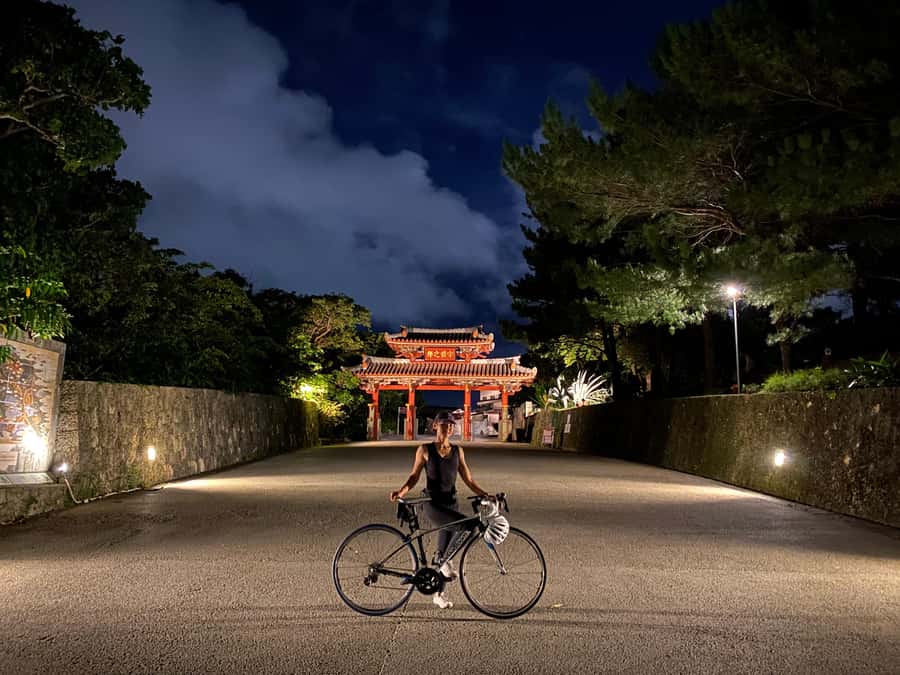
- Shuri Castle town photo stops: cobblestones, temples, and sacred shrines as you roll through history
- Hilltop break with Naha city views: the viewpoint is a real reward after the ride
- Asato Shotengai dinner energy: former red-light district area turning lively with izakayas and eateries
Why this afternoon cycling tour works better than a normal sightseeing loop
Naha can feel spread out. You can either do it the slow way on foot, or you can see a lot more with wheels. This tour nails the sweet spot: about 210 minutes to cover meaningful parts of the city without cooking your legs—thanks to the electric-assisted bikes.
I also like the tone. It’s not “follow the leader, take photos, leave.” You’re riding through everyday neighborhoods, then shifting into historical Shuri. That rhythm makes the city make sense: craft, community life, royal-era streets, and viewpoints—all in one afternoon.
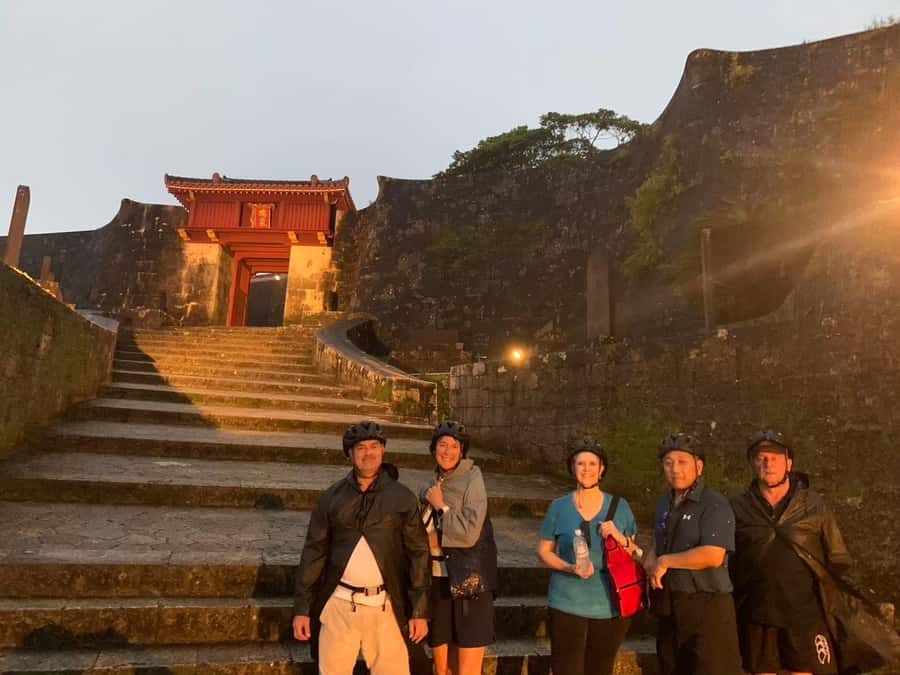
One more practical win: the group is capped at 5 participants. That tends to mean shorter waits, more attention from the guide, and fewer awkward moments when someone can’t quite keep up.
You can also read our reviews of more tours and experiences in Naha.
Meeting near Makishi Monorail: fast start, clear guidance
You’ll meet at the shop near Makishi Monorail station, just a 1-minute walk from the station. The shop is next to Makishi Post Office, so it’s fairly easy to orient yourself.
Once you arrive, you pick up the bikes and get a short briefing for safe riding. There’s also an intercom system, which is a big deal in a city. It helps you hear instructions without you having to whip your head around every time the guide wants you to slow down, turn, or stop for a photo.
A small but useful detail: you’ll want comfortable shoes and warm layers. Even in the afternoon, Okinawa can cool off as evening approaches—especially once you’re up on higher ground.
Tsuboya’s pottery streets: where craft feels like daily life
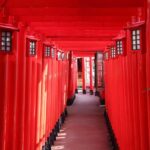
Early in the ride you pass through the pottery district area around Tsuboya (often associated with Yachimun, meaning pottery). This part of Okinawa has a long ceramics thread. The area became a gathering point for pottery kilns from other locations roughly 300 years ago, and it’s kept that identity as a ceramics zone.
On a bike, you don’t just “see” the street. You move through it at neighborhood speed—slow enough to notice details like workshop fronts and the feel of the lanes, but fast enough that it stays fun. The tour also takes you through small roads with a nostalgic atmosphere that you generally can’t reach the same way on foot.
What I’d watch for here is pacing. Pottery streets are visually interesting, and it’s easy to start drifting while you look around. Let the guide set the tempo. You’ll get more of the vibe, and you won’t feel stressed trying to catch back up.
Quiet Naha lanes: traditional houses and real street texture

After the pottery area, you keep rolling through Naha’s local neighborhoods, where a few traditional houses still remain. This is the kind of section that makes a bicycle tour feel worth the money. You’re not just moving between famous sites. You’re seeing how daily life actually looks from the sidewalk-to-street level.
You’ll also ride on roads with fewer crowds, including narrower streets that a bus or walking-only route won’t naturally cover. The guide controls the flow, and the e-bike helps you stay relaxed instead of turning it into a sweaty endurance event.
If you’re the type who likes to understand places, this is a good moment to pay attention. The guide’s explanations give you context for what you’re seeing—so the neighborhood doesn’t feel random.
Shuri Castle town: cobblestones, shrines, and “royal-era” walking energy
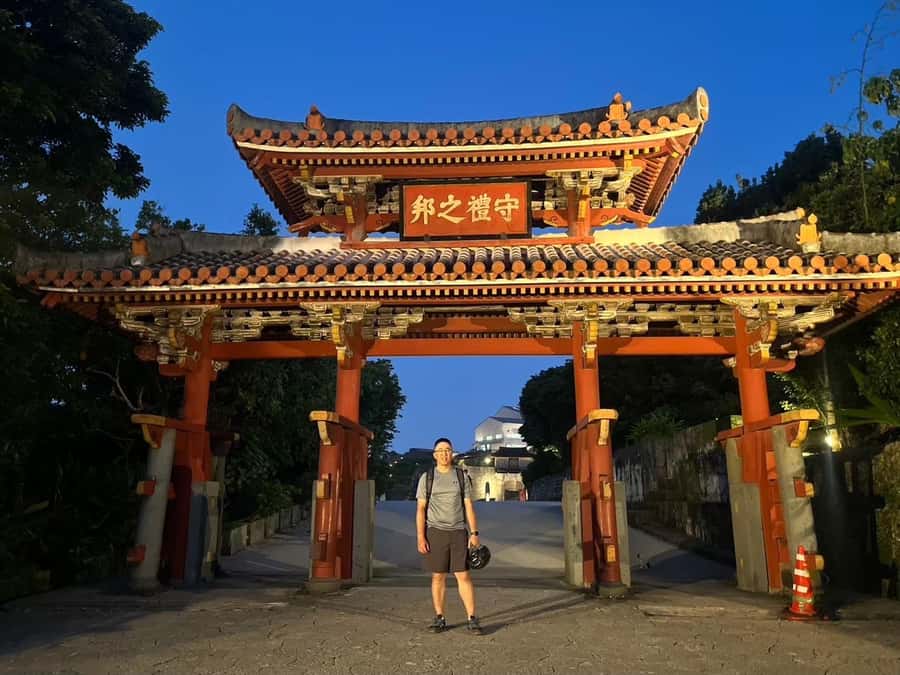
One of the main pulls here is Shuri Castle town, tied to the former Ryukyu Kingdom capital. You’ll ride and stop for photos in areas around the castle zone, where the streets turn more historic: cobblestones, temples, and sacred shrines.
This part works especially well by bicycle because it connects the dots. Instead of doing only the outer approach like many one-time visitors, you experience the layout as you travel through it—turning corners, seeing walls and gates in sequence, and getting photo angles that are hard to line up on foot.
The potential drawback: some streets in historic districts can feel tight. If you’re nervous about bike handling, tell your guide during the briefing. In past tours, guides such as Reiji and Tony have been praised for patience and for explaining history in a way that doesn’t slow the ride down.
The Shuri photo stops and Shureimon look: the “postcard moment” with walking distance
The tour includes time at Shurijo Castle and scenic photo stops. You’ll also pass through areas like Shuri Castle Park, where the plants can look especially strong in seasonal periods.
You’ll see the photogenic combination of illuminated stone walls and the Shureimon gate area. Even if you’ve seen photos of it, experiencing it from the path and viewpoint during an actual afternoon-to-evening shift adds meaning. It feels like the place has a time-of-day personality.
This portion is where I’d bring your warm layer into your day bag. Even if the sun is out, the air can feel sharper once you’re standing still for photos.
Hilltop viewpoint break over Naha: the part you’ll remember later
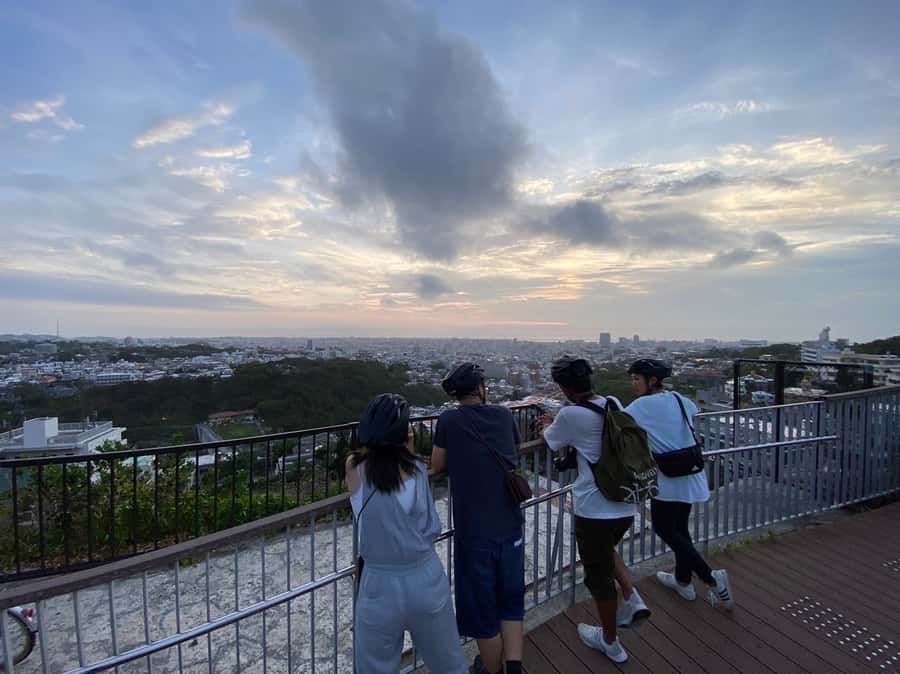
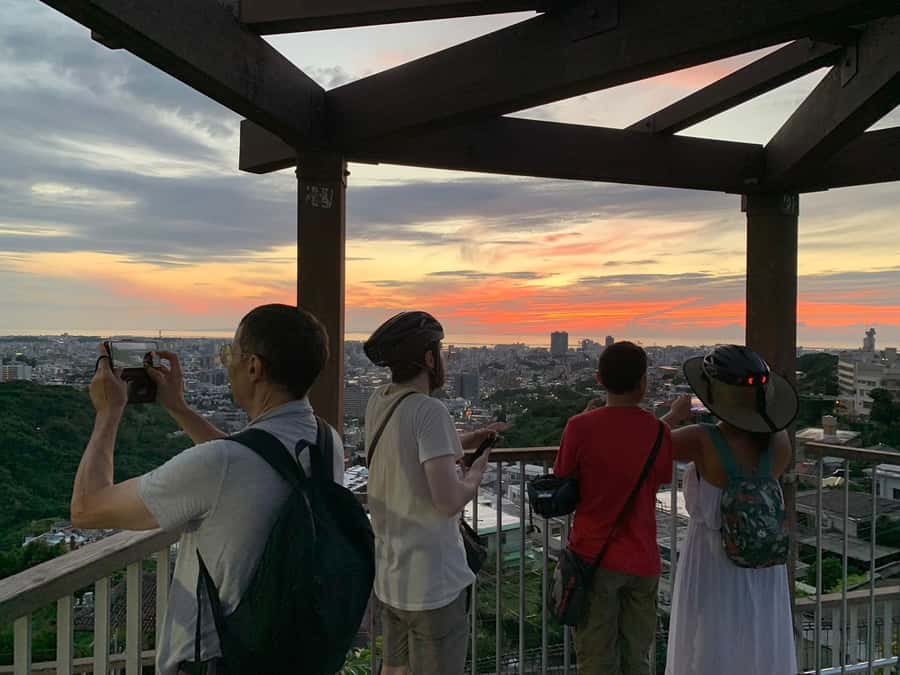
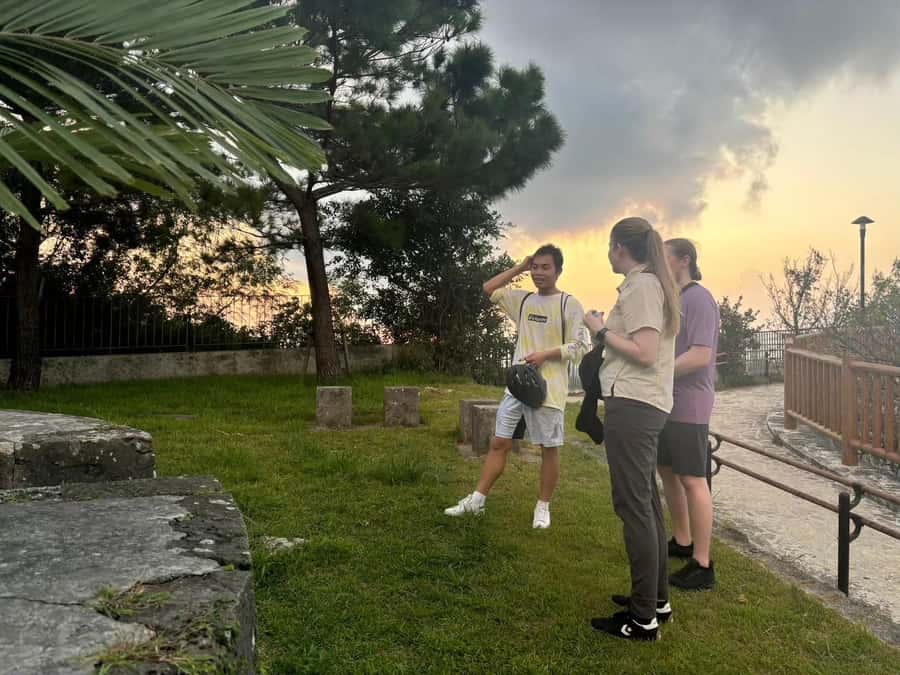
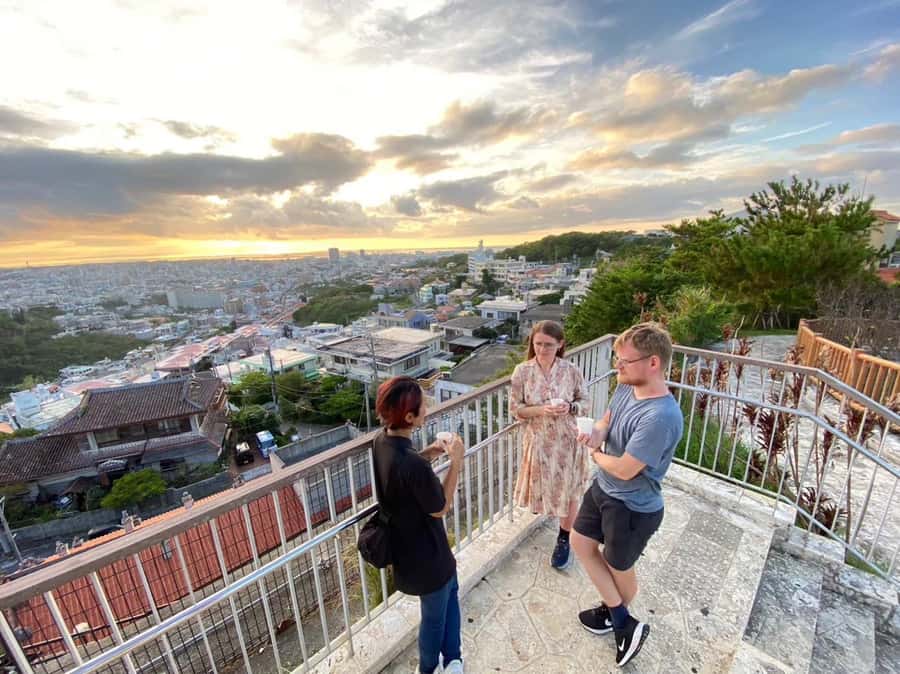
Midway through the experience, you get a break time and a chance to enjoy the view from a hilltop viewpoint overlooking Naha. The tour is scheduled so you can catch strong scenic light, and that makes the viewpoint stop feel like the payoff of the entire ride.
This is not just “look at the city.” It’s a moment to reset. You sit, you breathe, you take photos, and you let the guide’s background explanations land while you’re looking at the layout below.
If you hate standing around, don’t worry too much. This stop is built into the flow of the tour. It’s also a nice contrast: pottery streets and neighborhood lanes on one side, then sweeping Naha cityscape on the other.
Asato Shotengai after the tour: where the ride can turn into dinner

Near the end, you pass through Asato Shotengai, an area once known as a red-light district. By evening, it shifts into a familiar Okinawa rhythm: lively energy with izakayas and other eateries.
The tour ends back at the starting shop, but this is a smart place to keep your evening flexible. If you want a low-effort dinner plan, you can roll straight from tour mode into food mode while the area is active.
I’ll add a practical suggestion: if you’re hungry, plan your dinner quickly. This is one of those streets where things feel best when you arrive ready to walk in and pick a spot.
E-bikes, helmets, and intercom: what’s included and why it matters
For $87 per person (about 3.5 hours on the clock), you’re paying for more than transportation. Here’s what you actually get:
- Bicycle tour + live guide
- Helmet
- Electric-assisted bicycle
- Intercom system so you can hear instructions
That combination is what makes the tour workable for a wider range of visitors. A standard bike tour can quickly become a physical challenge. The electric assistance keeps it fun, while the intercom reduces confusion.
Also note what’s not included: camera mounts and phone holders. If you want steady phone photos while riding, bring your own setup.
Price and value: how to judge if this fits your trip
$87 sounds like “one activity” money, not “cheap add-on” money. But this is the kind of tour where the value comes from the mix:
- Small group of up to 5, meaning more guide attention
- E-bike included, so you’re not renting equipment
- Time-efficient route, covering craft streets, local neighborhoods, and Shuri without you needing to map every turn
If your goal is to see Okinawa’s texture—pottery culture, everyday Naha streets, and Shuri’s historic feel—this tour is a strong use of an afternoon. If you only want one or two major sights and you’re comfortable building your own biking or walking route, you might find other options cheaper.
But if you like guidance and want the “why” behind what you’re seeing, the guide-led format justifies the price.
Who this tour suits best (and who should skip it)
This is best for people who:
- can ride a bike confidently
- want an easier ride with electric assistance
- enjoy a mix of neighborhood life and historic sites
- like photo stops with viewpoints, not just driving past things
It’s not suitable for people who can’t ride a bike and it’s not for wheelchair users, so don’t plan it as your “universal access” city option.
Also consider weather. If it’s severe or the precipitation probability is over 70%, plans may shift and you’ll be contacted the day before. In rainy conditions, riding can lose the relaxed feel that makes this tour fun.
Practical tips to make the ride feel smooth
Here’s how to set yourself up for an enjoyable afternoon:
- Wear sports shoes or other comfortable footwear; you’ll be walking and stopping for photos
- Bring warm clothing for later in the day, especially around the viewpoint
- If you’re unsure about road riding, say so during the briefing. Guides like Jojo and Aki have been praised for clear, patient instruction
- Charge your phone before you go, but remember the tour doesn’t include a phone holder
Should you book this Okinawa cycling tour?
If you want an afternoon that feels personal and local—pottery streets, quiet lanes, Shuri Castle area, and a hilltop view—then yes, I’d book it. The e-bike helps you enjoy the experience instead of wrestling your bike, and the small group size makes it easy to ask questions and stay comfortable.
Skip it only if you’re not confident riding on streets or you prefer to see history mostly by walking at your own pace. Otherwise, this is one of those rare activities where you get movement, context, and a satisfying view without turning your day into a full-day marathon.
FAQ
How long is the Okinawa afternoon cycling tour?
It runs for about 210 minutes, with scheduling in a range of roughly 3 to 3.5 hours.
Where do I meet the tour?
You meet at the shop near Makishi Monorail station, a 1-minute walk away. The shop is next to Makishi Post Office.
Is this tour on electric-assisted bicycles?
Yes. The tour includes electric-assisted bicycles along with a helmet.
How many people are in the group?
It’s a small group, limited to 5 participants.
What languages are available for the guide?
The live guide is available in English and Japanese.
What’s included in the price?
Included are the bicycle tour, guide, helmet, electric-assisted bicycle use, and an intercom system so you can hear instructions.
What should I bring or wear?
Bring comfortable shoes and warm clothing, and wear sports shoes. Warm layers matter because it may get colder later.
What happens if the weather is bad?
If the precipitation probability is over 70% or there is severe weather, the plans may be changed. You’ll be contacted the day before.