REVIEW · KYOTO
Kyoto Bamboo Forest & Golden Pavilion E-Bike Tour
Book on Viator →Operated by Memory Kyoto Bike Tour · Bookable on Viator
Kyoto can feel huge on foot. This Kyoto e-bike tour strings together the Golden Pavilion and the Arashiyama Bamboo Forest with smart pacing, so the day feels active but not exhausting. You pedal through neighborhoods, not just main roads, then step into the temples and shrines that define this side of Kyoto.
I love two things most: first, the route is built around major sights with time for real looking, not a rushed drive-by. Second, the e-bikes make it practical to cover distance while still enjoying the stops (I like that you’re biking, not white-knuckling a workout). If you want an efficient day that still feels human, this one fits.
One consideration: this is a good-weather experience, and you’ll still do some walking once you park the bikes at the temples and garden areas. If rain hits or you’re not comfortable biking in traffic light rhythms and narrow streets, you may find the day less relaxing.
In This Review
- Highlights at a glance
- Getting started at Memory Kyoto Bike Tour (and why it matters)
- Why e-bikes make this Kyoto day doable
- Kinkaku-ji: the Golden Pavilion with pond-reflection time
- Kitano Tenmangu Shrine: plum trees and the god of learning
- Arashiyama Bamboo Forest trail: what makes it feel unreal
- Tenryu-ji: the UNESCO Zen garden you’ll actually understand
- The ride between temples: backstreets, pacing, and small-group flow
- Price and value: what $99.08 really covers
- The guides and the human touch
- Who this Kyoto e-bike tour is best for
- Should you book this Kyoto Bamboo Forest & Golden Pavilion e-bike tour?
- FAQ
- How long is the Kyoto Bamboo Forest & Golden Pavilion e-bike tour?
- Where does the tour start and end?
- What major stops are included?
- Are admission tickets included?
- Is this tour really an e-bike tour?
- What group size should I expect?
- Is the tour ticket mobile?
- Does the tour require good weather?
- What if I cancel close to the start time?
Highlights at a glance
- E-bike convenience for a 5–6 hour Kyoto loop without turning it into a leg-burner
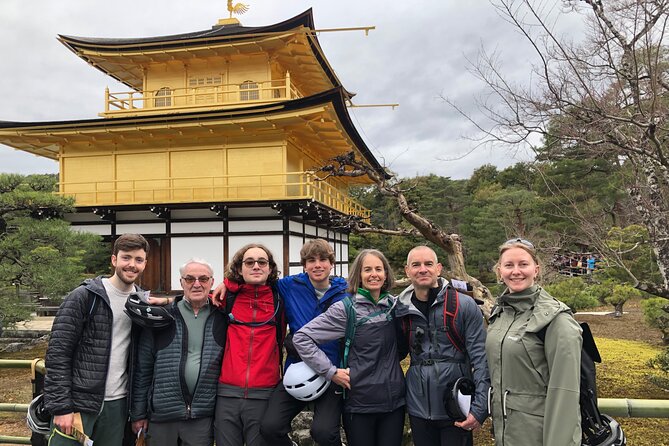
- Kinkaku-ji (Golden Pavilion) with admission included and time to catch the famous pond reflection view
- Arashiyama Bamboo Forest trail built for the classic tall-stalk photo moments
- Tenryu-ji UNESCO garden with admission included and a Zen-garden focus
- Small-group feel with a maximum of 8 travelers for smoother flow between stops
Getting started at Memory Kyoto Bike Tour (and why it matters)
Your day begins at the Memory Kyoto bike tour meeting point in Nakagyo Ward: 8-6 Umaryo-cho, Nishinokyo, Nakagyo-ku, Kyoto (near public transportation). It’s nice when a tour starts somewhere you can actually reach without a long taxi hunt, especially in Kyoto where streets can be confusing if you’re on your own.
From there, you ride and then return to the same location to end. That round-trip structure is underrated: you don’t have to plot a second transit plan after a full temple day, and you can stash small items during the ride with less hassle.
One more small but useful detail: you’ll have a mobile ticket, so you’re not juggling paper confirmations while you’re trying to focus on your route and timing.
You can also read our reviews of more tours and experiences in Kyoto.
Why e-bikes make this Kyoto day doable
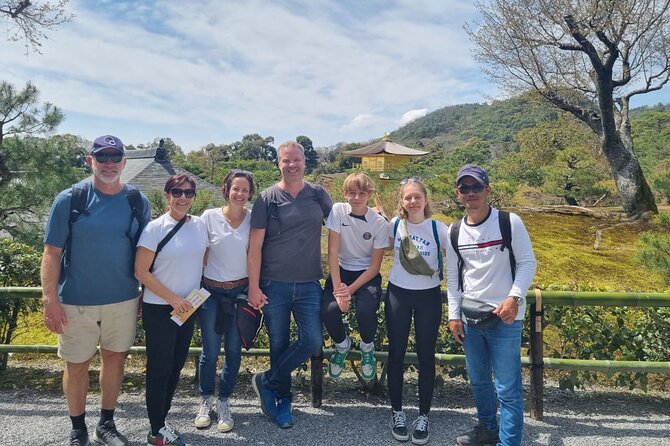
This tour is built around distance plus stops: about 5 to 6 hours with four key segments (Kinkaku-ji, Kitano Tenmangu, Tenryu-ji, and the Arashiyama Bamboo Forest). On a regular bike, that can turn into a grind. With an e-bike, it’s more like a controlled sightseeing glide.
In practice, that means you can spend your energy on what you actually came for: looking closely at temple details, enjoying the garden atmosphere, and taking photos in the Bamboo Forest when the light is right. People specifically mention that the e-bike kept the ride manageable even over a longer route, which is exactly the point here.
Still, e-bike comfort doesn’t erase the need for situational awareness. You’ll be cycling in a real city setting, so expect stop-and-go moments and tighter street segments. If you’re comfortable riding in traffic or busy pedestrian areas, you’ll feel at ease.
Kinkaku-ji: the Golden Pavilion with pond-reflection time
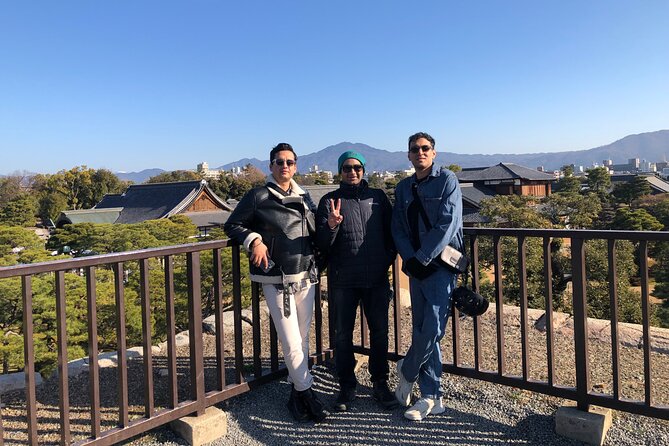
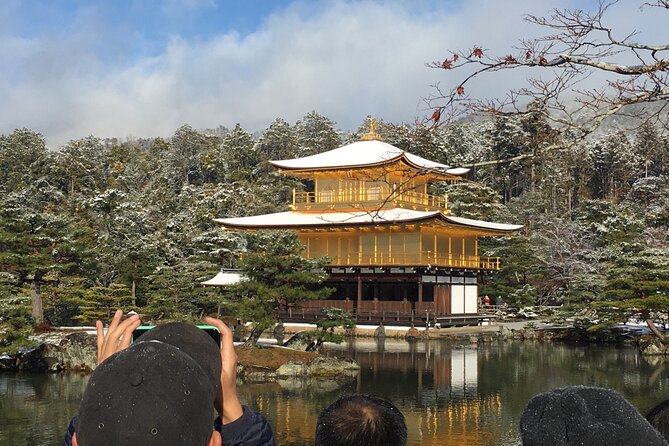
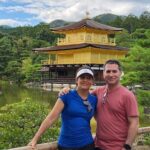
Stop 1 is Kinkaku-ji Temple for about 45 minutes, and the admission ticket is included. The Golden Pavilion’s reputation is earned. The golden-leaf exterior is famous, and the setting on a pond is what makes the views feel so iconic.
What I like about this stop is the way the story and the sight connect. You’ll hear the temple’s origin—starting as a retirement villa—and how it became a Zen Buddhist temple. That context helps you see more than just the shiny facade. Instead of treating it like a photo target, you start noticing layout choices, angles, and the way the pond becomes part of the artwork.
Timing is also part of the value. Even with crowds, 45 minutes is enough to do the essential pond-reflection look, walk through the main perspective points, and avoid the feeling that you only got a quick glance. If you’re the type who wants a moment to slow down for details, this duration works well.
A potential drawback: Kinkaku-ji can attract serious crowds. If you’re easily stressed by lines or standing shoulder-to-shoulder, plan on a bit of pushing through. The guide’s job is to keep you moving efficiently, but the temple popularity isn’t going away.
Kitano Tenmangu Shrine: plum trees and the god of learning
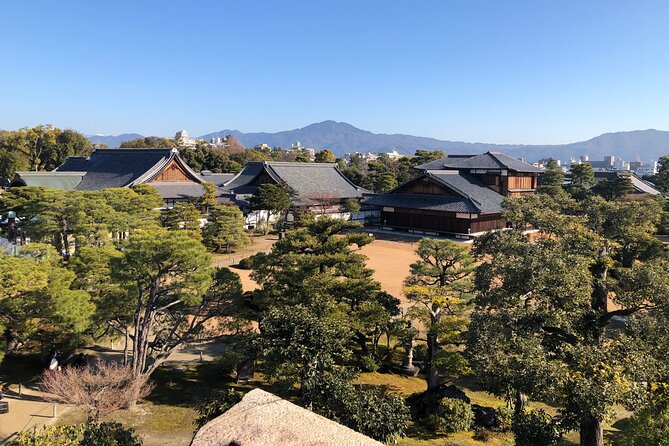
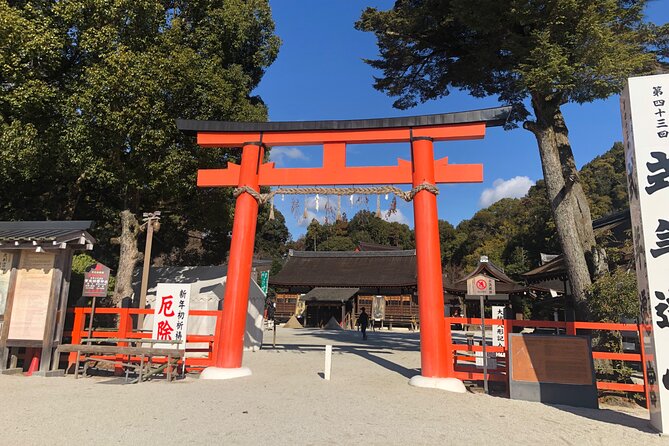
Stop 2 is Kitano Tenmangu Shrine for 30 minutes with free admission. This is a nice palate cleanser after the heavy visual impact of Kinkaku-ji. It’s less about one signature monument and more about a shrine atmosphere tied to tradition.
The shrine’s connection to Sugawara no Michizane, the deity of learning, is a key detail. When you know the shrine is tied to that idea, it’s easier to spot meaning in the design and the way people treat it—less like a tourist stop, more like a place with purpose.
You’ll also hear about the 1000 plum trees, especially relevant in early spring when blossoms can turn the area into a postcard. Even if you’re not there during plum season, it’s useful to know that the spring bloom is one of the shrine’s big seasonal draws. It changes what people pay attention to on a visit.
Thirty minutes is enough to take in the highlights without feeling rushed. If you’re someone who loves gardens and seasonal changes, you might wish you had more time here, but the broader itinerary is already packing in the big hitters.
Arashiyama Bamboo Forest trail: what makes it feel unreal
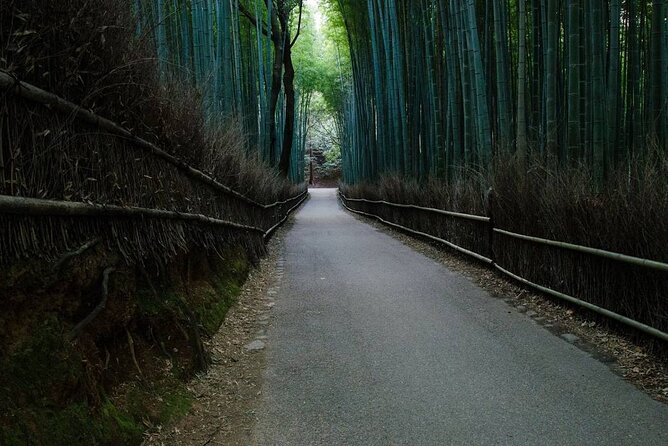
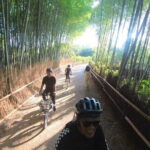
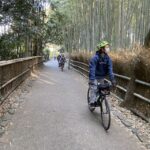
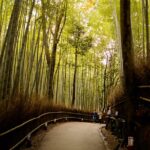
Stop 3 takes you to the Bamboo Forest Trail in Arashiyama for 45 minutes, and the admission ticket is included. This is the moment most people picture when they think of Kyoto bamboo.
The experience isn’t just that the bamboo is tall. It’s the rhythm: trunk rows creating depth, the way the stalks sway, and how quickly the place becomes photo-meaningful. The tour description even points to the bamboo’s reputation for sturdiness, flexibility, durability, and resilience, which is a nice reminder that this isn’t just scenery. Bamboo is a practical plant with a role in Japan’s material life, not only a backdrop.
If you go for photos, this is a win. If you go for atmosphere, it’s also a win. The Bamboo Forest can feel otherworldly because you’re walking through a dense vertical world where the city noise drops away.
The only real caution is crowding and timing. Bamboo Forest routes are popular, and 45 minutes can get busy. Still, it’s long enough to do the classic shots, rotate to different angles, and enjoy the walk without feeling like you’re sprinting through.
Tenryu-ji: the UNESCO Zen garden you’ll actually understand
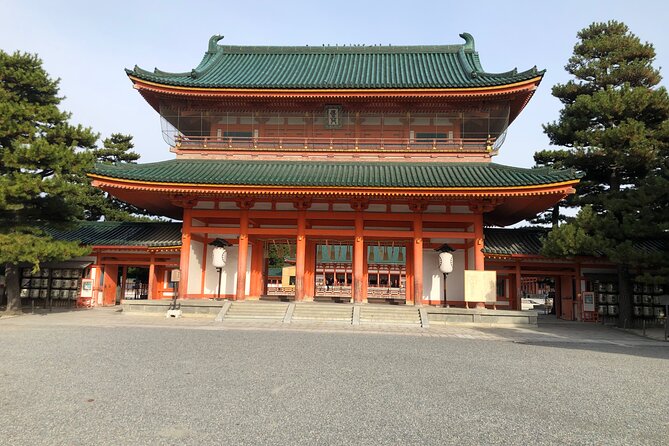
Stop 4 is Tenryu-ji Temple for about 45 minutes, again with admission included. Tenryu-ji is a UNESCO World Heritage site (since 1994), and the focus here is the garden—especially the Zen-garden feel.
This is where a guided stop really matters. A garden can look stunning but still feel like random rocks and water unless someone explains the logic. You’ll get historical and interpretive context so you can read the space better: why it’s arranged the way it is, how sightlines matter, and how the garden supports Zen calm.
Forty-five minutes is a good match for this kind of visit. Gardens reward slower viewing, and the time gives you room to walk, pause, and re-check angles as the light shifts. If you only had 15 minutes, you’d miss too much.
One note: Tenryu-ji is a walking-and-stopping kind of place. If your legs are already tired from the ride, treat this as your chance to slow down and stop trying to rush the whole garden.
The ride between temples: backstreets, pacing, and small-group flow
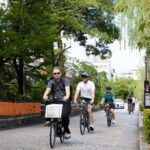
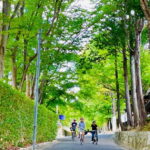
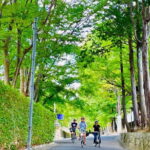
The best part of an e-bike tour isn’t any single attraction. It’s the way the day connects them. This route is designed for backstreets and scenic routes, meaning you see Kyoto as lived-in, not only as a set of famous gates.
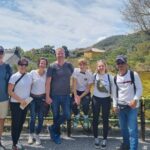
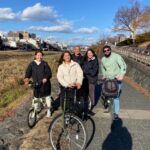
You’ll also benefit from a small group size—maximum 8 travelers—which usually helps with navigation and staying together. You’re not stuck with a massive pack moving like a slow train. The smaller the group, the easier it is to hear explanations and adjust when traffic or pedestrians get tricky.
Pacing matters here. A lot of temple tours either cram everything into a short window or stretch it so long that you burn out. This one lands in the middle: ride, stop, look, then ride again. It’s active but not chaotic.
There can still be “city reality” moments: cyclists spread slightly while waiting at lights, and getting through narrow zones takes care. If you’re the type who hates feeling delayed, keep your expectations flexible. But the overall structure is built to keep the day moving.
Price and value: what $99.08 really covers
At $99.08 per person, this isn’t a budget throwaway. It’s a midrange price for a day that includes:
- an e-bike experience (not just a walking tour)
- guided time across multiple major Kyoto landmarks
- admission tickets included for Kinkaku-ji, the Bamboo Forest trail, and Tenryu-ji
- free admission for Kitano Tenmangu
- a tour designed for a 5–6 hour time window
That combination is where the value comes from. You’re paying for both access and the efficiency of having a guide coordinate route timing and key stops. You’re also paying for a less exhausting way to cover ground, which can matter in Kyoto more than you’d expect.
If you were to self-plan all four attractions, you’d spend time on transit planning, ticket logistics, and route guessing. Here, the order and timing are already set up. That’s what helps this tour feel like a smart use of limited vacation hours.
The guides and the human touch
A major theme from the experience is the quality of the guiding. Names that come up include Diego, Jody, and Jorge, and the recurring pattern is clear: friendly, helpful, and able to explain what you’re seeing in a way that changes how you appreciate the temples and scenery.
You’ll likely notice the difference in practical details too. People talk about how guides handle crowd flow around high-demand sights like Kinkaku-ji, and how they keep the group moving without losing the meaning of the stops. Clear English also comes up in the feedback, which matters a lot in Kyoto because good explanations can take a visit from pretty to personal.
Also worth noting: at least one group had a medical emergency, and the guide helped. That tells you something about the seriousness with which the guides run the day, not just their storytelling style.
Who this Kyoto e-bike tour is best for
This tour is a strong fit if you:
- want a fun, active, eco-friendly way to see Kyoto without doing an all-day hike
- like temples and gardens but also want time-efficient routes
- prefer guided explanations over wandering without context
- enjoy biking and can handle a few stretches of urban cycling
It’s also a good option for families where kids can ride e-bikes, since the structure is designed around manageable stop lengths and guided pacing.
If you dislike crowds, or you’re uncomfortable biking in traffic conditions, you might feel tense on the ride segments. And if you’re hoping for long, quiet temple time with zero standing around, Kyoto’s most famous sights may not suit your vibe.
Should you book this Kyoto Bamboo Forest & Golden Pavilion e-bike tour?
Book it if you want the easiest way to combine Kinkaku-ji, Tenryu-ji, Kitano Tenmangu, and Arashiyama in one guided day, with e-bikes doing the heavy lifting so you can enjoy the sights instead of surviving the commute. The included admissions are a real perk, and the small-group setup makes the tour feel coordinated rather than chaotic.
Skip or reconsider if biking stresses you out, you need lots of downtime, or you’re visiting in rain-prone conditions. Since the experience depends on good weather, you’ll want a plan B—or be ready to accept a date change if conditions are poor.
If you’re aiming for a Kyoto day that balances meaning, movement, and time, this one is hard to beat. It’s the kind of route where you leave with photos, stories, and that calm sense that you actually understood what you saw.
FAQ
How long is the Kyoto Bamboo Forest & Golden Pavilion e-bike tour?
The tour runs about 5 to 6 hours.
Where does the tour start and end?
It starts at Memory Kyoto bike tour in Nakagyo Ward (8-6 Umaryo-cho, Nishinokyo, Nakagyo-ku, Kyoto) and ends back at the same meeting point.
What major stops are included?
You’ll visit Kinkaku-ji Temple (Golden Pavilion), Kitano Tenmangu Shrine, the Bamboo Forest Trail in Arashiyama, and Tenryu-ji Temple.
Are admission tickets included?
Admission tickets are included for Kinkaku-ji, the Bamboo Forest Trail, and Tenryu-ji. Kitano Tenmangu Shrine is free admission.
Is this tour really an e-bike tour?
Yes. The tour is described as an e-bike experience, and e-bikes are part of how you’ll cover the route.
What group size should I expect?
The tour has a maximum of 8 travelers.
Is the tour ticket mobile?
Yes, the tour includes a mobile ticket.
Does the tour require good weather?
Yes. The experience requires good weather. If it’s canceled due to poor weather, you’ll be offered a different date or a full refund.
What if I cancel close to the start time?
You can cancel up to 24 hours in advance for a full refund. If you cancel less than 24 hours before the start time, the amount paid is not refunded.