REVIEW · SANTIAGO CHILE
Santiago: Markets Bike Tour
Book on GetYourGuide →Operated by La Bicicleta Verde · Bookable on GetYourGuide
Cycling Santiago’s food stops beats lingering on foot. You’ll pedal through Barrio Bellavista murals, then roll past real local life as you connect the city’s arts and eating in one easy loop. I especially like how the ride builds context, not just photos, with stops that explain why these places matter.
The second thing I like is the pairing: La Chascona for Pablo Neruda, then hands-on time at major markets. Guides such as Isabella, Marti, and Ray have been described as chatty and attentive, with enough history and culture to make the food stops feel personal.
One thing to plan for: this is a gentle experience, so you’ll spend a decent amount of time on foot in the market areas. That’s great for browsing, but it means you’re not doing a full-on, nonstop biking day.
In This Review
- Key highlights to look forward to
- Why this Santiago markets bike tour fits first-timers
- Getting to the start: Constitución 153 near Baquedano
- Pedaling Barrio Bellavista: murals, bohemian streets, and a feel-good pace
- What to watch out for here
- La Chascona and Pablo Neruda: why this stop matters
- La Vega Central: the market stop that turns into a food strategy
- What you should expect while you’re there
- A possible drawback
- Mapocho River and Mercado Central Seafood: where Chile’s coastline shows up
- Pace, safety, and bike setup: what makes it feel easy
- Helmet and comfort basics
- Who this ride matches best
- Price and value: does $45 really make sense?
- Small-group benefit
- What you’ll learn and what you can do with it later
- Should you book this Santiago Markets Bike Tour?
- FAQ
- How long is the Santiago Markets Bike Tour?
- What’s included in the $45 per person price?
- Where do I meet for the tour?
- Do I need to bring cash?
- Is hotel pickup and drop-off included?
- What languages are the guides?
Key highlights to look forward to
- Bellavista street art on a real cobbled-neighborhood path
- Neruda’s house at La Chascona, with context that helps you understand what you’re seeing
- La Vega Central time to talk Chilean foods and get specific must-try recommendations
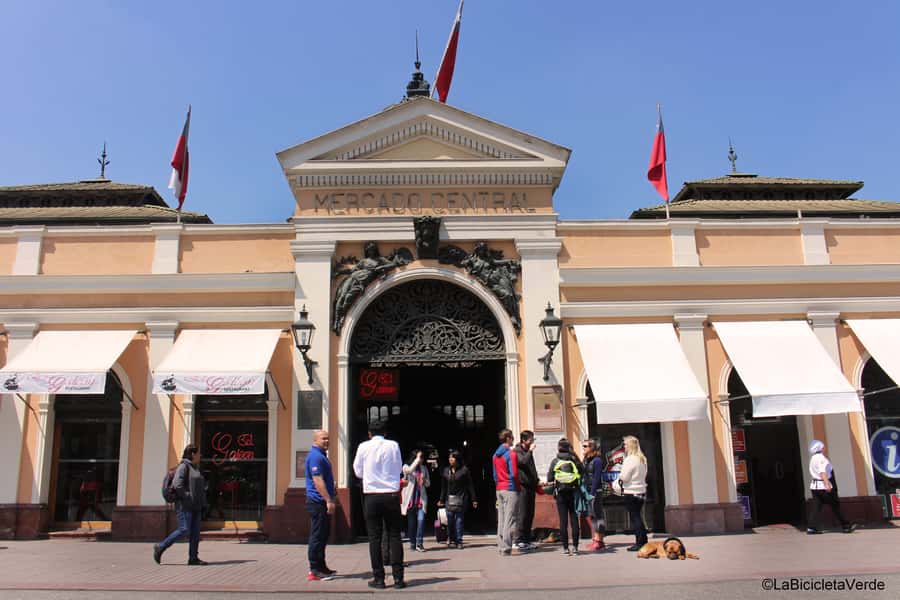
- Central Market seafood stop, a practical taste of Chile’s coastal food culture
- Small-group pacing (max 10) with a guide watching the group closely
- Snacks + drinks built into the tour, including sopaipillas and natural juice
Why this Santiago markets bike tour fits first-timers
Santiago can feel big and a bit complicated on day one. This tour is a smart way to get your bearings fast without committing to a full day of wandering. You’re moving between neighborhoods that look and feel different from each other, and the transitions help you understand how the city works at street level.
What makes it especially useful is the blend of sights and taste. You don’t just pass landmarks. You learn what to look for, then you get to slow down at markets and see ingredients, dishes, and everyday customs up close. If you’re the type who likes a trip that gives you options for what to eat next, this format delivers.
It’s also priced in a way that feels reasonable for what you get: a city bike, helmet, a bilingual guide, and food stops that would cost you extra if you had to do them solo. For a 3-hour outing, it’s a strong “starter kit” for Chilean city life.
You can also read our reviews of more tours and experiences in Santiago Chile.
Getting to the start: Constitución 153 near Baquedano
Your meeting point is Constitución 153, next to Plaza Mori and near Baquedano Metro Station. Show up a few minutes early so you’re not rushing while you’re sorting gear and getting comfortable on the bike.
Since hotel pickup and drop-off aren’t included, plan your own route to Baquedano first. This matters because it keeps the tour compact and keeps the whole schedule on track. If you’re staying in central Santiago, you’ll likely be able to reach the start quickly by metro or a short ride-share.
Also: bring local currency. The tour encourages you to purchase goods at the market, and having cash makes it easy to sample, snack, or buy small items without scrambling.
Pedaling Barrio Bellavista: murals, bohemian streets, and a feel-good pace
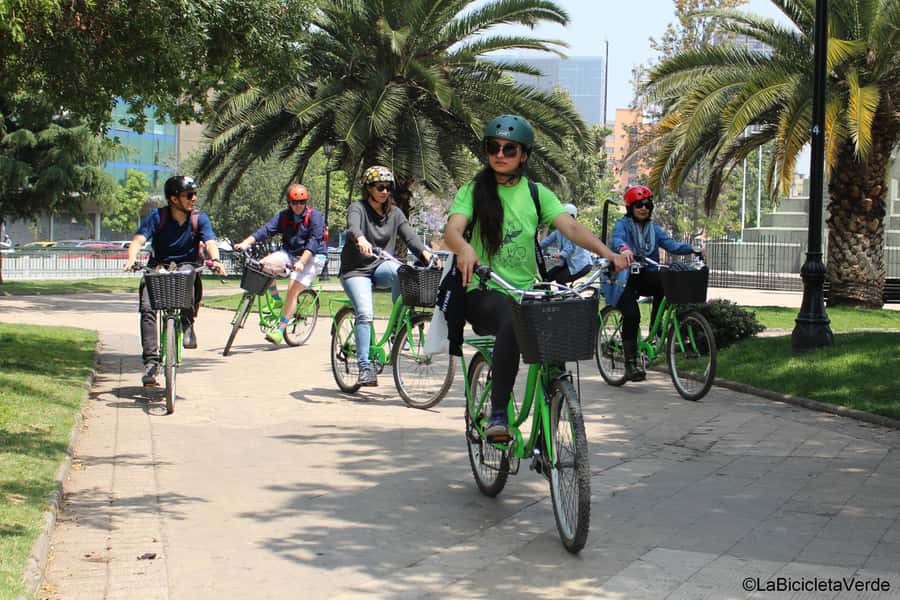
The morning starts in Barrio Bellavista, woven through cobbled streets and colorful murals. This is one of the best ways to experience Santiago’s creative side because you’re not looking at street art from behind glass or from a set viewpoint. You’re actually moving through the neighborhood that produces it.
Expect the ride to feel gentle rather than sporty. Based on how the tour has been described, you’ll spend time pedaling through sections that don’t demand advanced cycling skills. Several guides have also been praised for constantly keeping an eye on safety at crossings and intersections, which is exactly what you want when you’re still learning the city’s rhythm.
If you enjoy nightlife culture, you’ll get context too. The tour frames what you see in Bellavista with a nod to the area’s nighttime energy, street scene, and how locals use these streets beyond daylight hours.
What to watch out for here
The cobblestones and market-side walkways can be a little uneven. That’s not unusual in Santiago, but it does mean you should wear footwear you’re comfortable walking in for a while.
La Chascona and Pablo Neruda: why this stop matters
Next comes La Chascona, Pablo Neruda’s house in Santiago. This is the kind of stop where context really helps. Without some background, you might just see a beautiful property. With a guide’s explanation, you start noticing how the place reflects Neruda’s personality, interests, and the creative life he built around him.
You’ll learn enough about the famous Chilean poet to make your visit feel more connected than sightseeing-by-name. If you already know Neruda, this gives you a deeper reason to care about the details you’ll see. If you don’t know him well, it still works because the tour keeps you oriented to what you’re looking at and why it’s there.
This stop also breaks up the food-focused parts of the day. It gives you a breather from the sensory overload of markets and replaces it with a different kind of Chilean culture: literature, identity, and place.
La Vega Central: the market stop that turns into a food strategy
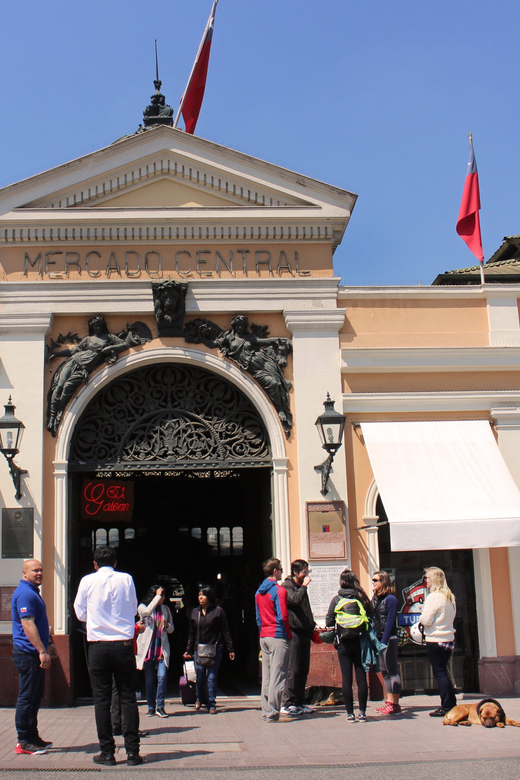
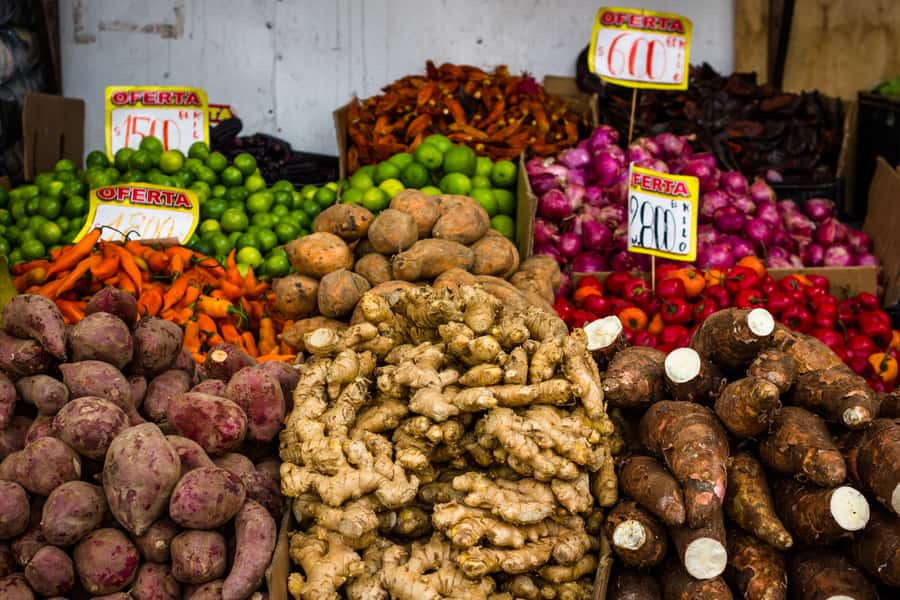
After Neruda’s house, you’ll head to La Vega Central, Santiago’s largest local market. This is where the tour becomes practical. You’re not just browsing produce; you’re talking Chilean traditional foods and culture with a guide who can point you toward what to try.
I like this part because it turns curiosity into decisions. The guide’s recommendations become a quick cheat-sheet for your own next meal. People have also mentioned how guides help with negotiating or choosing fruit, which matters in markets because quality can vary stand to stand.
What you should expect while you’re there
- You’ll likely spend real time inside the market, not just a quick photo stop.
- You’ll get guidance on local favorites, including snack-style bites and drink options.
- You can ask questions and get food logic, not only ingredient lists.
One extra detail that helps: the tour includes a traditional Chilean snack sopaipilla and freshly squeezed natural juices. That means you’re tasting without needing to plan everything on your own.
A possible drawback
Market time can slow you down (in a good way), but it also means less continuous biking. One common note from past participants is that there’s a lot of time on foot in the market areas, and having a bike can feel a bit inconvenient in tight lanes. If you hate walking sections or dislike maneuvering through crowds, this is the one part that could feel less fun.
Mapocho River and Mercado Central Seafood: where Chile’s coastline shows up
After La Vega Central, you’ll ride toward the Mapocho River area and then to Mercado Central Seafood Market. The tour frames this stop in a very Chile-specific way: with over 6,000 kilometers of coastline, seafood isn’t a niche. It’s a core part of daily food culture.
This market stop is valuable because it adds variety. You’ll have seen produce and traditional market life in La Vega Central, then you switch to a seafood setting that feels different in smell, layout, and what people are excited about eating.
It’s also a great time to take photos and ask questions about what seafood looks like before it becomes a dish. If you’re the type who wants to order confidently later, this stop gives you the vocabulary and comfort to talk about what you’re seeing.
Pace, safety, and bike setup: what makes it feel easy
This is listed as a gentle ride and it really shows in how the day is structured. You’re not being asked to crush hills or fight for balance. The route focuses on neighborhoods and city features like Parque Forestal, one of Santiago’s best pieces, with enough scenic cycling to feel like you’re on a bike tour—not just a walking tour with bikes.
Past participants have said routes often use bike lanes and parks, and that street segments felt safe when the group stayed together. Guides have also been described as constantly monitoring the group, especially at crossings. That’s a big deal if you’re not used to city traffic.
Helmet and comfort basics
Helmets are included, and wearing one is mandatory by Chilean law. The tour also provides sunscreen and bottled water, which is practical in a city where sun can sneak up on you.
Some people have also noted bike features like a small basket, which helps for carrying a camera and any market purchases without clinging to a handlebar.
Who this ride matches best
If you’re a first-timer in Santiago and you want an easy, guided highlight mix, this tour suits you. If you love chatting with locals through a knowledgeable guide (and yes, you can run into guides like Diego, Phillipe, or Stefano depending on the day), this also fits your style because the vibe often leans conversational.
Price and value: does $45 really make sense?
At $45 per person for 3 hours, this tour is priced like a smart “use your time well” activity. What you’re buying isn’t just transportation. You’re buying three things that add up fast:
- A beach cruiser city bike plus a helmet
- A professional bilingual guide (Spanish and English)
- Food and drink support: sopaipilla, fresh natural juice, water, and sunscreen
If you had to recreate this yourself, you’d still need a guide to explain what’s worth looking at in Bellavista and markets, plus you’d pay for bikes/helmets and then add food stops on top. Even if you’re a careful budget traveler, this tour gives you a guided route where eating and learning are already built in.
Small-group benefit
Limited to 10 participants, the group stays manageable. That tends to improve pacing, makes it easier for the guide to keep tabs on everyone, and gives you more chances to ask questions at the markets rather than being rushed through.
What you’ll learn and what you can do with it later
This tour isn’t only about what you see during those hours. It teaches you how to navigate Santiago food culture. After La Vega Central, you’ll have a short list of Chilean dishes and snack ideas that help you choose meals during the rest of your trip.
After Mercado Central seafood, you’ll understand what seafood-focused markets look like and how they connect to Chile’s coastline identity. And after La Chascona, you’ll have enough background to enjoy Neruda-related spots and references you might run into elsewhere.
The best part is that it helps you stop guessing. You’ll know what to ask for, what to look at, and where to focus your attention when you’re on your own later.
Should you book this Santiago Markets Bike Tour?
If you want a 3-hour, easy way to connect Santiago’s street art, Neruda culture, and market food, I’d say yes. It’s especially worth booking if you’re:
- in Santiago for a short time and want highlights without doing too much planning
- interested in Chilean food and want recommendations you can act on
- the type who likes a guide who chats about history, culture, and even current events
Skip it if you strongly prefer long continuous biking. This one includes meaningful walking inside market spaces, so it’s not built for riders who want to stay in the saddle the whole time. It also isn’t suitable for wheelchair users.
If your goal is a smart first taste of Santiago—streets, food, and local context—this tour is a solid bet.
FAQ
How long is the Santiago Markets Bike Tour?
The tour lasts 3 hours.
What’s included in the $45 per person price?
It includes a beach cruiser city bike, helmet (mandatory in Chile), a professional bilingual guide, bottled water, sunscreen, sopaipilla, and freshly squeezed natural juices.
Where do I meet for the tour?
Meet at Constitución 153, next to Plaza Mori and near Baquedano Metro Station.
Do I need to bring cash?
Yes, it’s recommended that you bring local currency for purchasing goods at the local market.
Is hotel pickup and drop-off included?
No, hotel pick up and drop-off aren’t included.
What languages are the guides?
The tour is guided in Spanish and English.