REVIEW · MAUI
Haleakala Summit Best Self-Guided Bike Tour with Bike Maui
Book on Viator →Operated by Bike Maui AND Haleakala EcoTours · Bookable on Viator
A volcano bike ride beats the beach. I love the Haleakala summit views and the Fabulous 29 switchbacks that turn a downhill into a grin-factory; the only catch is that self-guided riding asks for real confidence on road traffic, and portions of the route can be affected by closures.
You’ll start from Haiku and get shuttled up in an air-conditioned vehicle, with an NAI certified interpretive guide (Kimo is the name that comes up) sharing history and culture on the way. Then you coast down on custom Kona bikes at your own pace, with no convoy.
This tour works best if you’ve ridden recently and you’re comfortable with a long early morning. It’s not just a “park stroll” day: you’ll earn those views with a solid downhill that’s about 15 miles from around 6,500 ft.
In This Review
- Key highlights you’ll care about
- Entering Haleakala: what that early start really buys you
- Haleakala crater stop: views first, then stories that stick
- Kona bike + windbreaker: why the included gear matters
- The downhill ride: self-guided freedom, real-road responsibility
- Switchbacks inside the park vs roads outside it
- Shuttle to Makawao and the upcountry town ride
- Lunch in Makawao or Haiku: plan for no-host food
- Safety and fitness: who should choose this self-guided style
- Weather rules: the mountain keeps the final say
- Price and value: what $238.59 actually buys you
- Route changes and closures: how to stay flexible
- Who should book this Haleakala self-guided bike tour
- Should you book Haleakala Summit Self-Guided with Bike Maui?
- FAQ
- How long is the Haleakala Summit self-guided bike tour?
- Where does the tour start and end?
- What time does the tour start?
- What’s included in the price?
- What should I bring?
- Is it fully self-guided while biking?
- What fitness level do I need?
- Are there age or height requirements?
- How big is the group?
- What happens if weather is bad or I need to cancel?
Key highlights you’ll care about
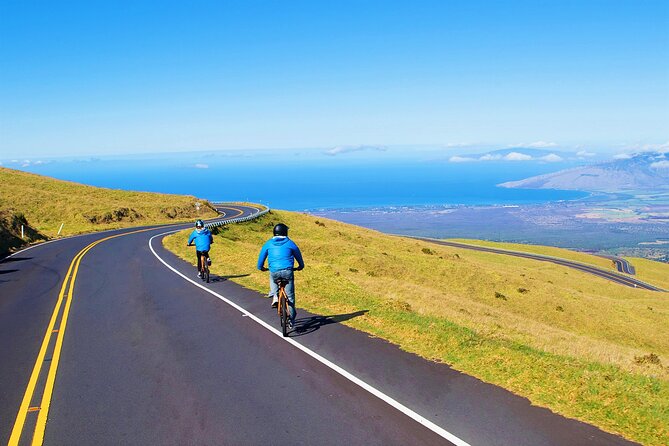
- 15 miles of downhill from around 6,500 ft, paced by you
- Fabulous 29 switchbacks, widely called the best part of the ride
- NAI certified guide stories with Kimo on the shuttle up to the crater
- No convoy, self-guided biking with directions and your own rhythm
- Makawao + Haiku riding after a shuttle drop above Makawao
- Gear included: Kona bike, helmet, and a windbreaker top and bottom
Entering Haleakala: what that early start really buys you
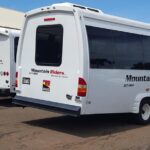
This is a big-mountain day, and the timing matters. The meet-up is in Haiku at 810 Haiku Rd, with a start time of 8:00 am. You’ll be heading toward Haleakala’s summit area before most people are thinking about breakfast, which is part of why the views feel so dramatic.
The shuttle ride isn’t just a transfer. You’ll get interpretive storytelling from an NAI certified guide while you’re on the way up. One guide name that comes up often is Kimo, and his role is clear: make the place feel more human, not just scenic. Expect history and cultural context while you’re climbing, so the crater stop lands with more meaning.
And yes, you’ll still be cold at altitude sometimes. One review described it starting freezing, then shifting to rain showers, then bright sun. That roller-coaster weather is normal up there—so don’t assume you can wear one outfit all day.
You can also read our reviews of more tours and experiences in Maui.
Haleakala crater stop: views first, then stories that stick
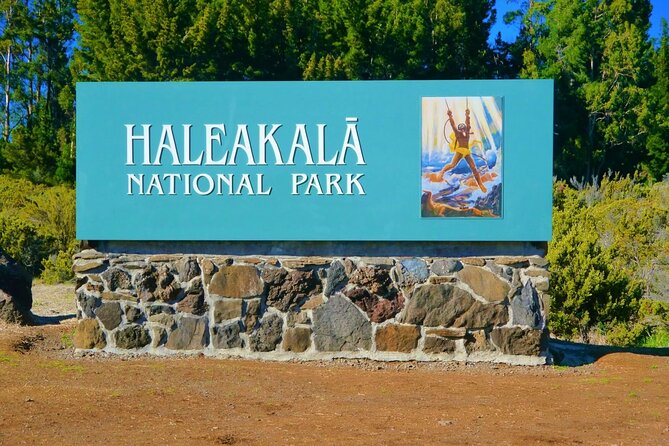
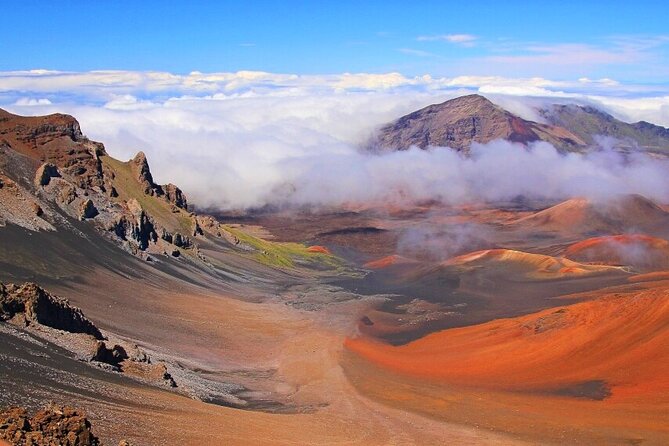
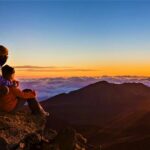
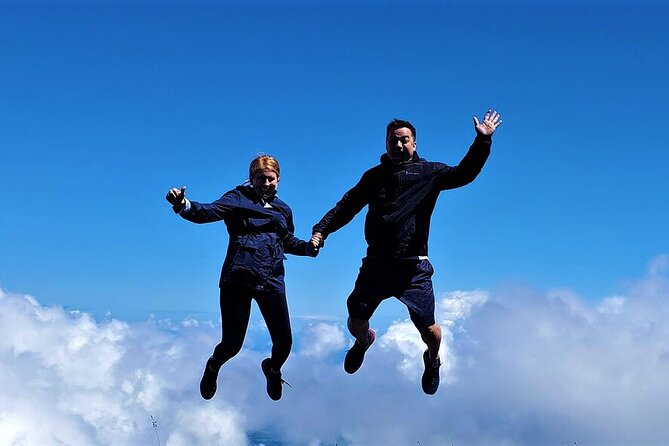
At the crater stop, the focus is the same for everyone: the summit views. Haleakala National Park is the star, and getting to the top area puts you in the kind of sweeping, otherworldly panorama that’s hard to replicate anywhere else on Maui.
What changes the experience is what happens around the sightseeing. The interpretive guide provides stories during the uphill portion, so when you’re standing in that crater atmosphere, you’re not just staring—you’re understanding a bit more about what you’re looking at and why it matters.
If you’re the type who likes to photograph and read a little at each stop, this is your moment. Take your time here. The ride down is the payoff, but the crater stop is where your day’s “wow” starts.
Kona bike + windbreaker: why the included gear matters
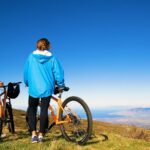
The biking portion is built around custom Kona mountain bikes, plus a helmet and a Helly Hansen windbreaker suit (top and bottom). You also get a Da Kine backpack. That combination isn’t a throw-in—it’s practical for the microclimates you’ll hit.
A summit morning can feel like winter, while the downhill and lower elevations can feel warmer fast. One review called out sunburn from later in the day. With wind + sun + sudden rain possible, that windbreaker suit helps you stay ride-comfortable instead of just “surviving.”
The bike itself is set up for the job: you’re going downhill for about 15 miles. That means the ride is exciting, but it also means you’ll want to be able to handle a bike confidently on real roads—especially once you’re out of the most protected park roads.
The downhill ride: self-guided freedom, real-road responsibility
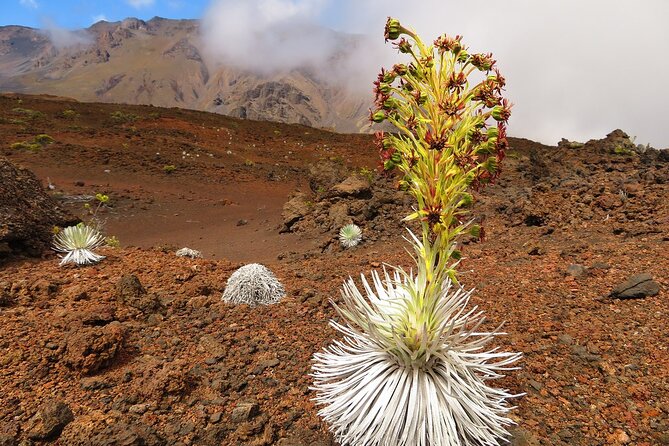
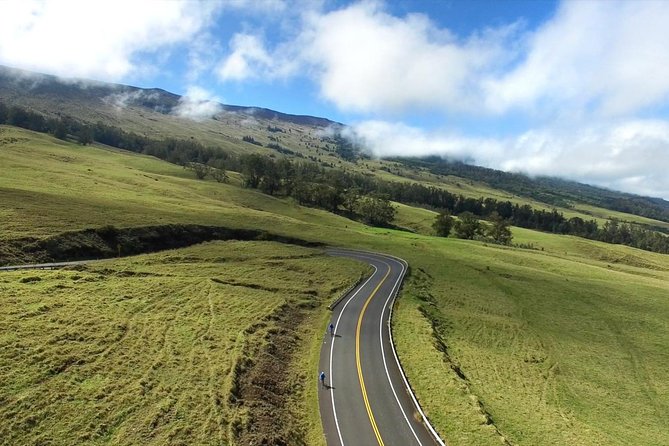
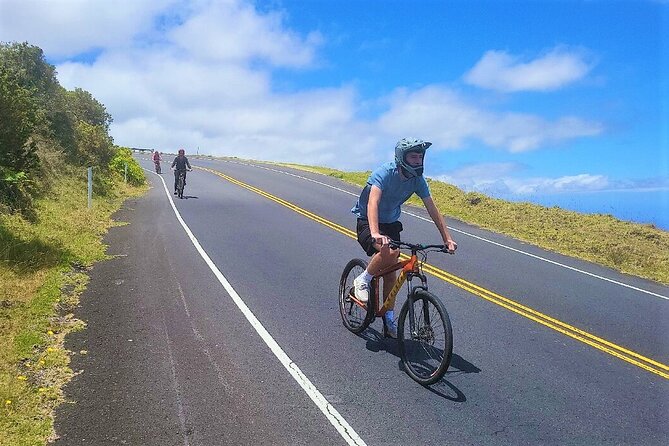
The best part is the descent. After the crater experience, you’ll ride custom Kona bikes from about 6,500 ft down for roughly 15 miles. It’s self-guided, meaning you won’t be in a big guided convoy. You set your own pace, stop when you want, and enjoy the scenery without feeling like you’re stuck behind a group.
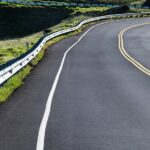
The highlight people talk about most is Fabulous 29 switchbacks. That’s the heart of the ride: repeated turns that make the downhill feel like an ongoing reveal, not just straight gravity.
Now the honest trade-off: self-guided does not mean hands-off. The ride can involve traffic situations, and you may have to ride near the edge of the road. One review specifically noted needing to be careful with traffic but still feeling safe overall. Another comment said you might rely on your phone mapping occasionally if directions need a quick check.
Also pay attention to route changes. Two reviews mention closures affecting parts of the route—one noted a section through Kula being closed to riders, and another said laws removed a middle portion of the ride. You can still get a fantastic downhill, but don’t go in expecting a perfectly identical route every time.
Switchbacks inside the park vs roads outside it
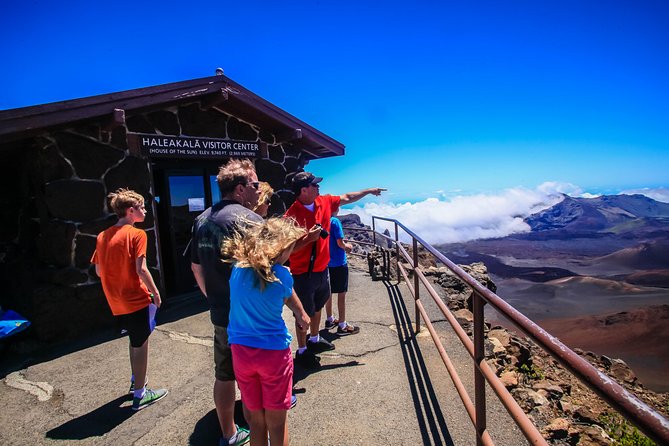
Here’s the practical mental model I’d use before you go: the ride tends to feel easiest (and most fun) when you’re still inside the park roads and in the area that’s designed for this sort of activity.
Once you’re farther away from the park, roads can feel less biker-friendly. One review described the park portion as fun, but the roads becoming less friendly once they exited. Another felt the ride could have ended sooner rather than continuing into local neighborhoods where cars might not share the road the way you’d hope.
So what do you do with that? If you’re nervous about riding on roads with traffic, the self-guided format can still work—but you’ll want to slow down early, keep your head up, and treat every intersection and merge like it matters (because it does).
Shuttle to Makawao and the upcountry town ride
After the main downhill, you’ll be shuttled down to a location just above the historic town of Makawao. That’s a smart sequence: you get the summit descent thrill, then you transition to a calmer slice of Maui life.
From there, you’ll bike through Makawao’s upcountry town feel and continue biking back toward Haiku. The tour ends back at the original meeting point in Haiku, so you’re not stranded with a parking headache.
This segment is less about peak engineering and more about enjoying Maui’s different moods. Makawao is the kind of town where you can feel the “upcountry” vibe without needing to research for hours. If you like small-town walking energy but want it with bike momentum, this part hits the sweet spot.
Lunch in Makawao or Haiku: plan for no-host food
You’ll have time for a lunch break, with options to grab a no-host lunch either in Makawao or Haiku. This is a bring-payment moment: you’ll want a credit card or cash ready.
One practical takeaway: bring your own water and snacks as well. The tour doesn’t include those items. At altitude and during a long ride, you’ll feel it if you try to power through with only whatever you can buy later.
Also keep in mind the weather swings. If you start cold and end sunny, you might want light snacks that don’t require you to sit around too long waiting for the next “right temperature.”
Safety and fitness: who should choose this self-guided style
This experience is for riders with at least moderate physical fitness and recent biking experience. There are also body-size rules: minimum height 4’10” and minimum age 15.
The bike day is long enough that fitness matters, even though much of it is downhill. You’re on a bike for a good portion of the day, and you’re riding roads with some traffic exposure. If you’ve ridden in busy areas before, you’ll feel more at ease.
If you haven’t, consider whether you’d rather have extra help navigating. One review said they changed from self-guided to guided and felt glad they did, mainly because a guide can help you safely handle roads and routes. You don’t need to overthink it, but you do need the right comfort level.
Weather rules: the mountain keeps the final say
This tour requires good weather. If it’s canceled due to poor weather, you’ll be offered another date or a full refund.
That doesn’t just mean “rain ruins everything.” On Haleakala, conditions can change fast—cold, wind, rain showers, then bright sun. So pack for flexibility. Even with the windbreaker suit provided, you’ll still want to handle temp swings by dressing in layers and bringing water.
If you’re hoping for perfect conditions every moment, you’ll be disappointed. If you’re ready for a real mountain day, you’ll likely end up happy.
Price and value: what $238.59 actually buys you
At $238.59 per person, this isn’t a cheap add-on. But when you break down what’s included, it starts to make sense for the experience you’re getting.
You’re paying for:
- an air-conditioned vehicle
- a custom Kona mountain bike
- helmet
- a Helly Hansen windbreaker suit (top and bottom)
- a Da Kine backpack
- all fees and taxes
What’s not included:
- water and snacks
- your no-host lunch
- gratuity
Value here comes from not having to rent bikes, not having to buy the right wind gear, and not having to coordinate your own shuttle plus summit access. For many people, that alone is worth more than the headline price.
Still, I’d treat this as a premium activity for riders who will actually enjoy biking. If you’re biking-curious but hesitant, you might have a better time with the guided option (especially if route changes or traffic feel stressful).
Route changes and closures: how to stay flexible
Two reviews point to an important reality: parts of the ride can be affected by closures or laws, including sections such as a route area through Kula and even a middle portion removed by local rules.
I’d plan for it in your mindset. The switchbacks and summit experience are the core, but you might not ride every exact segment as expected. The good news is the operation is still focused on safety and fun, and you’ll still get an excellent downhill with the program’s structure.
When you arrive, pay attention to pre-ride instructions and follow them tightly. If something is closed, it’s usually because it’s not safe or allowed—so don’t try to improvise your own shortcut.
Who should book this Haleakala self-guided bike tour
Book this if you:
- want the summit views plus a real downhill bike day
- are comfortable riding in traffic-adjacent situations
- like going at your own pace rather than keeping up with a group
- want a day that mixes nature, culture stories, and upcountry town riding
Consider a different format if you:
- don’t have recent biking experience
- get nervous about road positioning or navigating while riding
- want maximum certainty about the exact route segment you’ll ride
This is also a good fit for older kids and young adults who can handle the fitness requirements and enjoy the ride challenge. The minimum age is 15, which gives you a sense of the target group.
Should you book Haleakala Summit Self-Guided with Bike Maui?
If your dream Maui day includes epic views and a downhill that’s genuinely fun, I think this is a strong yes. The Fabulous 29 switchbacks are the kind of highlight you’ll remember, and the combination of a guide-led crater experience plus self-guided biking is a smart structure. You get both context (the stories from Kimo and the interpretive guide) and freedom (no convoy, your pace).
My only caution is simple: self-guided works only if you’re comfortable. Go in with recent biking confidence, be ready for temperature swings, and keep your expectations flexible if closures affect parts of the route.
If you want, tell me your biking comfort level and whether you’re aiming for sunrise timing. I can help you decide if self-guided is the right match or if you should consider the guided version instead.
FAQ
How long is the Haleakala Summit self-guided bike tour?
It’s about 7 hours (approximately) from start to finish.
Where does the tour start and end?
The meeting point is 810 Haiku Rd, Haiku, HI 96708. The activity ends back at the meeting point.
What time does the tour start?
Start time is 8:00 am.
What’s included in the price?
Included are an air-conditioned vehicle, a custom Kona mountain bike, a bell helmet, a Helly Hansen windbreaker suit (top and bottom), a Da Kine backpack, and all fees and taxes.
What should I bring?
Bring your own water and snacks, and bring credit card or cash for a no-host lunch. You may also want to dress for changing conditions since weather can shift during the day.
Is it fully self-guided while biking?
The interpretive guide provides stories and information on the way up, but the biking portion is self-guided and you ride at your own pace with no convoy.
What fitness level do I need?
The tour is for travelers with moderate physical fitness, and recent biking experience is required.
Are there age or height requirements?
Minimum age is 15. Minimum height is 4’10”.
How big is the group?
The maximum group size is 48 travelers.
What happens if weather is bad or I need to cancel?
This experience requires good weather. If it’s canceled due to poor weather, you’ll be offered a different date or a full refund. Free cancellation is available up to 24 hours in advance for a full refund.