REVIEW · SAO PAULO
São Paulo: Street Art Bike Tour
Book on GetYourGuide →Operated by Urban Bike SP · Bookable on GetYourGuide
Street art here has a pulse. This São Paulo Street Art Bike Tour strings together major sights like Avenida Paulista and MASP with the graffiti alleys of Vila Madalena, so you’re not just looking at art in theory—you’re riding through the city that makes it. Along the way you also get green-space breathing room at Ibirapuera Park, which keeps the day from feeling like a nonstop sprint.
I especially like how the tour blends famous landmarks with street-level walls that don’t fit museum rules. Second, the guiding feels practical and culture-led; one guide named Arthur in particular connects what you see on the streets to how São Paulo works.
One consideration: you’re on a bike for about 210 minutes, and it’s not suitable for children under 13, so you’ll want to be comfortable riding and paying attention in traffic-heavy areas.
In This Review
- Key things to know before you go
- Why biking São Paulo makes street art easier to understand
- Portinha 183 Café: start smart with coffee and bike check
- Avenida Paulista and Casa das Rosas: modern power with a pause for thought
- Parque Trianon and MASP: architecture and breathing room
- Vila Madalena: Beco do Batman and the street-art system
- Ibirapuera Park finale: Niemeyer buildings and museum culture
- Price and value: what you’re paying for at $160 per person
- Who this tour suits best, and who should skip it
- Practical tips to make the ride feel smooth
- Should you book the São Paulo Street Art Bike Tour?
- FAQ
- How long is the São Paulo street art bike tour?
- Where does the tour meet, and how do I get there by metro?
- What’s included in the ticket price?
- Is this a small-group tour?
- What languages are the guides available in?
- Is the tour suitable for children?
- Can I cancel for a full refund?
- Do I have to pay when I book?
Key things to know before you go
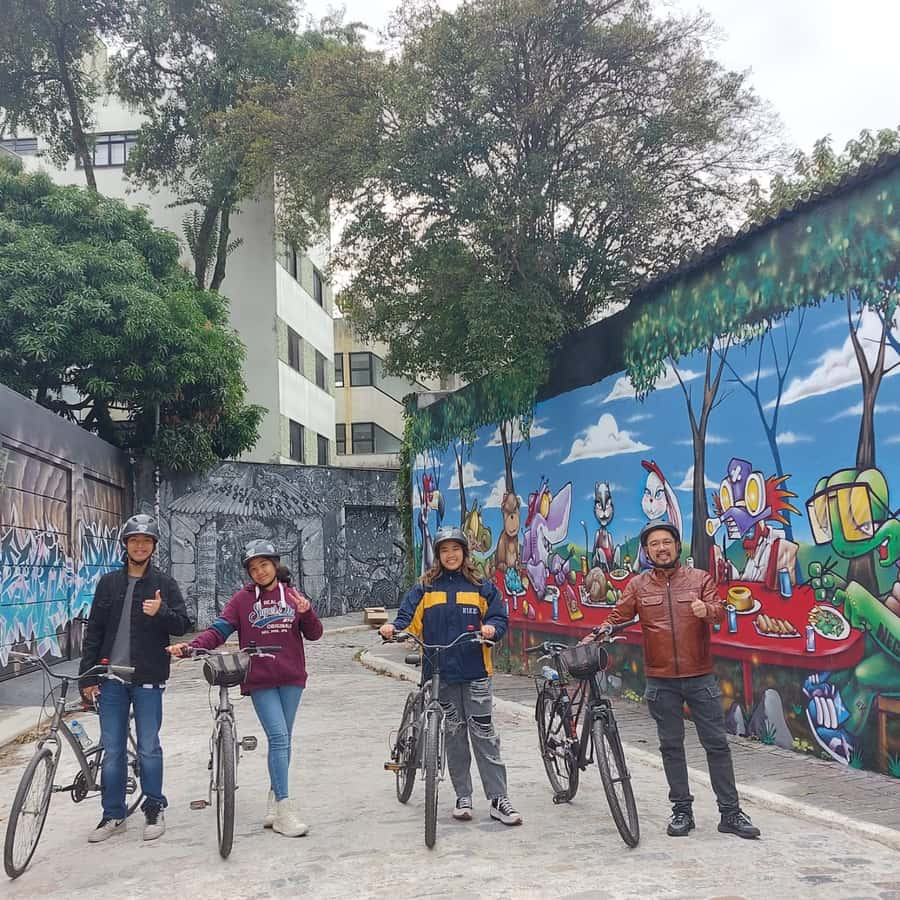
- Small group (10 people max) means you get more guide time and less waiting around.
- Art that’s actually on the streets: think Beco do Batman and other alley stops, not poster-like museum art.
- Full-day pairing of city + calm with Ibirapuera Park at the end for a mental reset.
- Included gear covers bike rental, helmet, water bottle, and even a raincoat if needed.
- Guides speak Portuguese, English, and Spanish, and they explain culture, not just paint.
- You finish with iced mate tea and a souvenir, so the day has a proper send-off.
Why biking São Paulo makes street art easier to understand
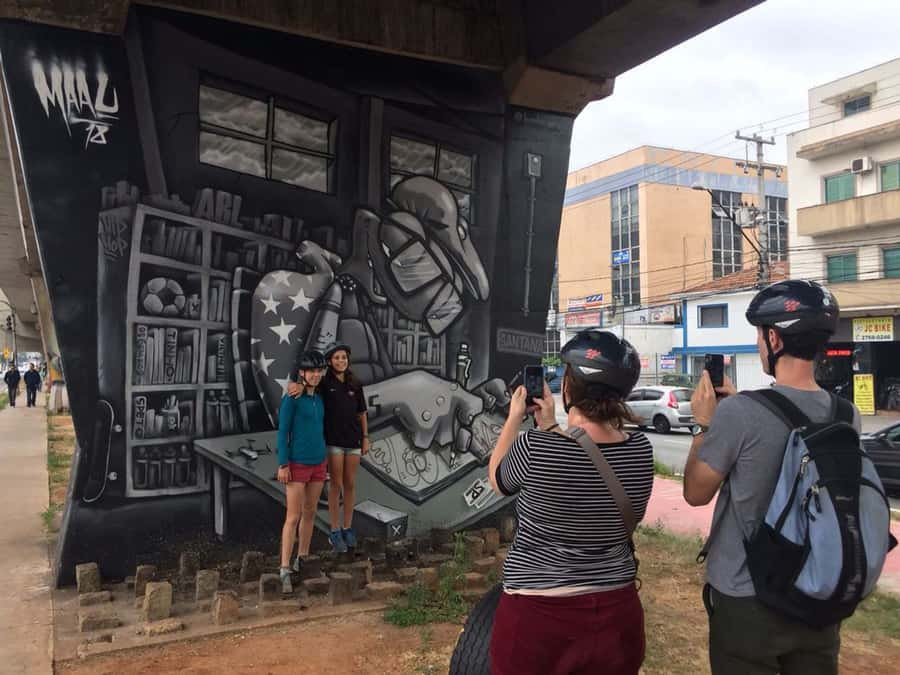
São Paulo is big. It’s also layered. The fastest way to get the city’s vibe is to move through it, not just stand at the edges. On this tour you ride a sensible route, with breaks built in, so you can actually focus on details—colors, styles, messages, and the way art interacts with daily life.
Street art in São Paulo isn’t just decoration. It’s a language people use in public. When you see it after biking past major corridors like Avenida Paulista, it clicks better: the city’s art scenes respond to neighborhoods, economics, politics, and pride. And because you’re moving street to street, you’re not stuck watching art at a distance. You’re close enough to appreciate scale and layout.
The route also balances intensity. You start in the cultural current near Paulista, spend time in the graffiti-heavy Vila Madalena area, and end at Ibirapuera Park. That final stop matters more than it sounds. Parks slow your brain down, which makes all the earlier street messaging easier to process.
You can also read our reviews of more tours and experiences in Sao Paulo.
Portinha 183 Café: start smart with coffee and bike check
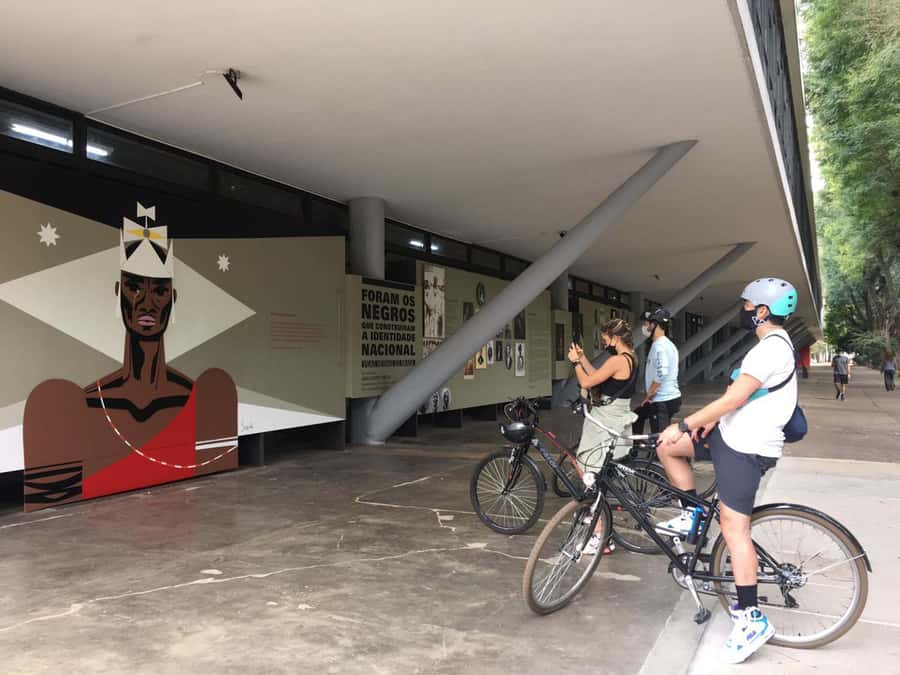
The tour meets at Portinha 183 Café on R. França Pinto, 183. The area is handy because you’re near the Vila Mariana and Ana Rosa metro stations (Green Line and Blue Line). That makes it easier to arrive without planning a long taxi ride.
Portinha 183 is a good warm-up for the day. Before you roll, you can grab something like fruit, juice, or coffee there. You’re also getting into the rhythm of the tour: relaxed start, gear ready, guide briefings on where you’re heading next.
Included basics help you travel lighter. You get a helmet, a water bottle, and a raincoat if conditions call for it. So you don’t have to second-guess what to pack for a city that can throw weather at you.
One practical note: you’re starting your ride with a small group, limited to 10 participants. That number is big enough to feel social, but small enough that the guide can adjust pace if someone needs more time at a stop.
Avenida Paulista and Casa das Rosas: modern power with a pause for thought
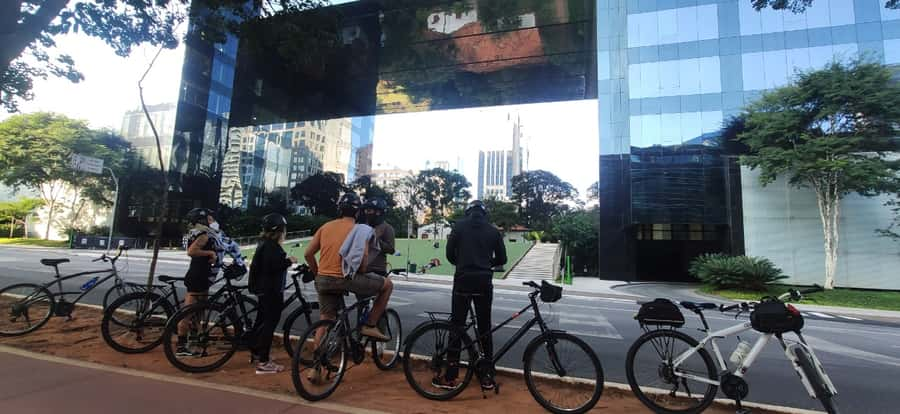
Avenida Paulista is the part of São Paulo many people picture first. It’s a major stage—architecture, motion, and constant foot traffic. Your first real moves on the bike set the tone: you get to watch the city from the inside, not from a single viewpoint.
A photo stop near Paulista early on gives you a quick orientation window. It’s not about perfect pictures. It’s about getting bearings—how the city’s grid, streets, and scale relate to the art stops coming later.
Next up is Casa das Rosas. This is a historic mansion now used for literary exhibitions, plus there’s a garden space that’s meant for slowing down. I like this stop because it breaks the street-art-only mindset. It reminds you that São Paulo’s creativity isn’t just spray paint. It has institutions, writers, and historic buildings too.
What to watch for here: the contrast. You’re leaving the big-city corridor and stepping into a quieter pocket with greenery and literary culture. Even if you don’t focus on the exhibition itself, the garden makes a mental reset before the ride becomes more street-focused.
Parque Trianon and MASP: architecture and breathing room
Right next door you’ll hit Parque Trianon, a green refuge in the city. It’s one of those spots where you can regain your composure while still staying close to the action. A bike tour can sometimes feel like you’re always in transit, so this kind of pause helps you absorb what you’ve already seen.
Then you visit MASP, the São Paulo Museum of Art—one of the key art institutions in Latin America. MASP is famous not only for its collection, but also for its modernist architecture, which you’ll notice immediately as a city landmark.
You’ll have break time (around 10 minutes). That’s short, so you’ll want to use it intentionally: look up and around for how the building sits in its surroundings, and if you step inside or look at areas accessible during that window, focus on the big moments rather than trying to see everything.
Why this matters for a street art day: MASP puts a spotlight on the museum world. Then, later, you’ll compare that to what you see in Vila Madalena—art created for public walls, public audiences, and public debate. It’s a built-in contrast lesson.
Vila Madalena: Beco do Batman and the street-art system
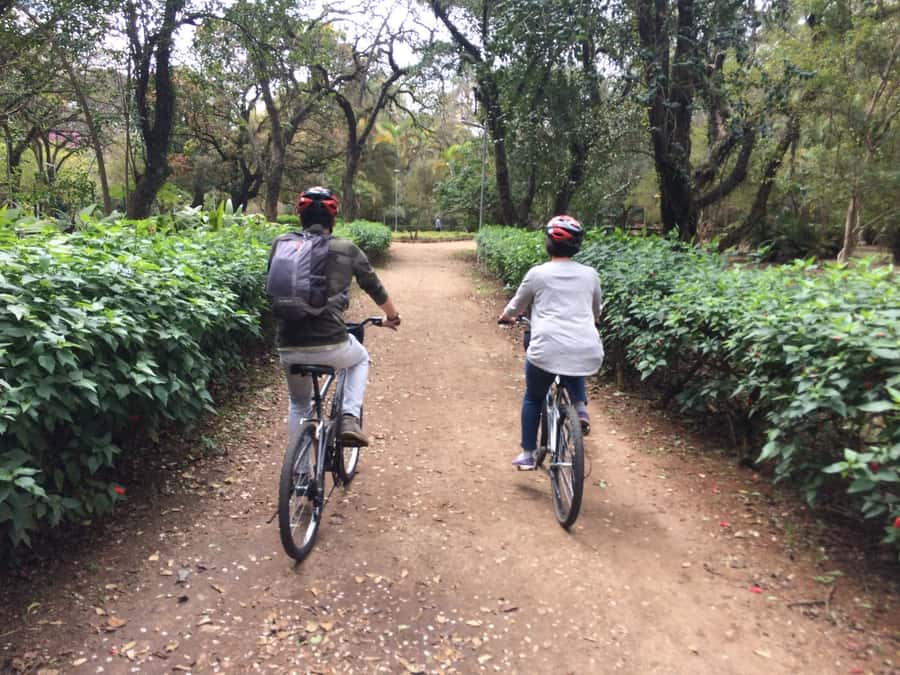
After the Paulista-area culture stops, the ride shifts into neighborhood energy: Vila Madalena. This is where street art isn’t treated like a side hobby. It’s a visible part of local identity.
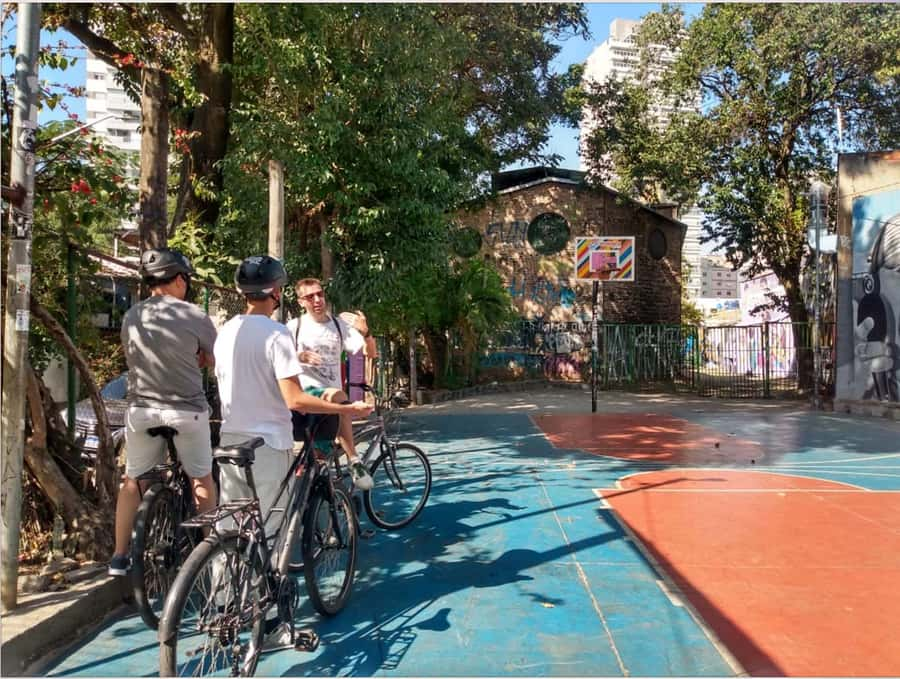
You’ll spend real time on key alley stops, starting with Beco do Batman. This is an open-air gallery: walls covered with colorful graffiti and meaningful markings. You don’t need a ticket for the main experience because the art is the attraction itself.
Beco do Batman is also a good example of how street art can function like a community archive. Some pieces reflect style trends. Others communicate messages. Either way, it’s art shaped by space—how walls absorb color, how angles affect readability, and how foot traffic changes the meaning over time.
Next are Beco do Graffiti and Beco Nego Vila. These stops turn the day into an alley-hopping comparison exercise. You’ll start noticing differences: how artists choose lettering versus murals, how color blocks are used, and how the neighborhood’s vibe shows up in the details.
The time allocation (for example, around 30 minutes at Beco do Batman) is enough to look slowly without feeling stuck. I like that your guide isn’t rushing you through like a photo conveyor belt. In the best street art tours, the guide gives you a framework for what you’re seeing, and one guide named Arthur did exactly that in a way that helped art make sense beyond the visuals.
How to get more out of these alley stops: take a full minute to look from a distance first, then move closer. At street level, the meaning often lands faster when you notice composition and repetition.
Ibirapuera Park finale: Niemeyer buildings and museum culture
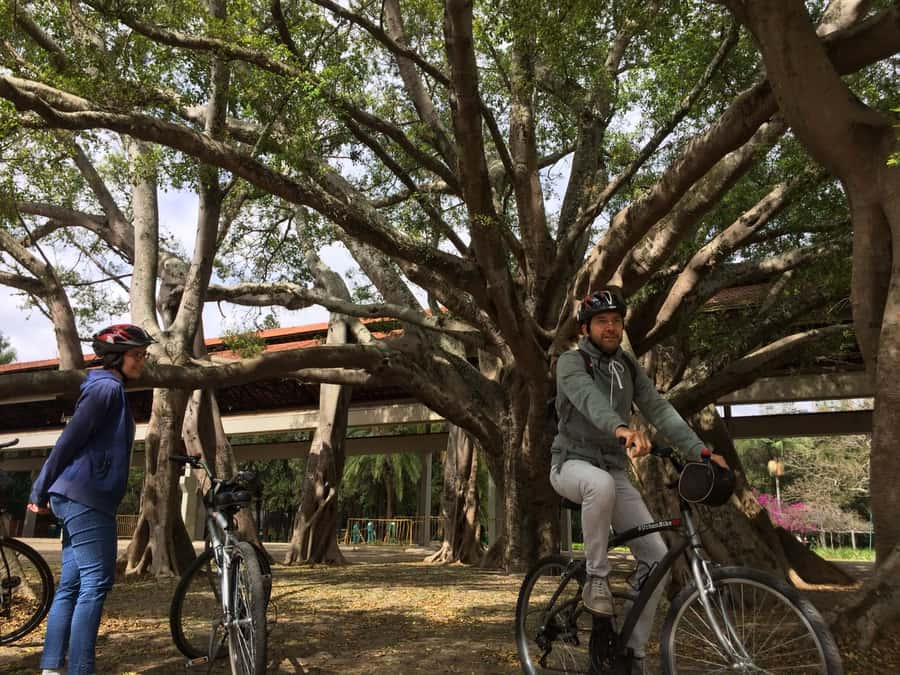
The day ends at Ibirapuera Park, one of São Paulo’s best-known parks. It’s not just greenery; it’s a cultural zone. You get around 30 minutes here, plus the chance to see important cultural spaces nearby.
The park includes areas tied to Oscar Niemeyer-designed buildings, and it also connects to major museum institutions such as Museu Afro Brasileiro, plus MAM (Museum of Modern Art) and MAC (Museum of Contemporary Art). There’s also Bienal de Arte in the mix.
You won’t have time for a full museum day, and you shouldn’t try to cram one into 30 minutes. Instead, use the park time to do what parks do best: reset your attention. Look at the architecture, then let your eyes rest on open space, lakes, and pathways. That contrast—organized design against spontaneous street expression—helps the full day feel coherent.
Why this ending is smart: after hours of street walls and neighborhood art, it’s easy to feel like the city is only about noise and statements. Ibirapuera Park reminds you that the cultural story also lives in planning, institutions, and public spaces meant for everyone.
Price and value: what you’re paying for at $160 per person
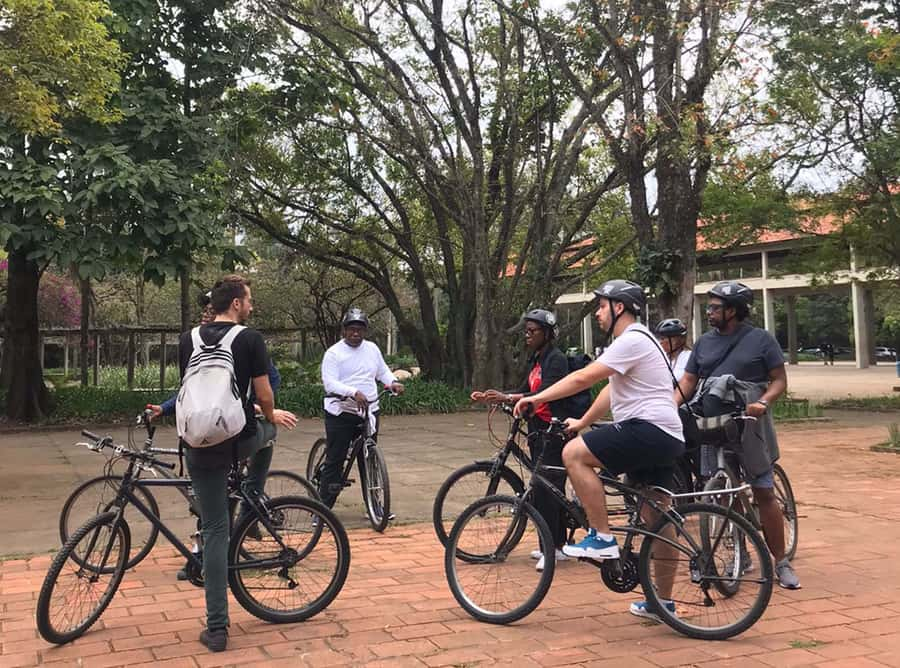
At $160 per person for about 210 minutes, this isn’t the cheapest tour in town. But it is the kind of pricing that makes sense if you’re getting the right ingredients: bike support, gear, and a guide who actually explains what you’re seeing.
Here’s what the price includes:
- bike rental
- helmet, water bottle, and a raincoat if needed
- a professional bike tour guide for the whole ride
- a special souvenir
- iced mate tea after the tour
That matters because you’re not just renting a bike and hoping for the best. You’re paying for context and for pacing. Guides can spot the difference between a quick photo and a meaningful look, and the better ones also connect the art to the city’s culture. The strong guide feedback in the ratings lines up with this: clear explanations, comfort with individual needs, and a focus on how Brazil and São Paulo work—not only what a wall looks like.
Small group size (10 people max) also adds value. When a tour limits numbers, you generally spend more time moving from point to point smoothly and less time waiting for stragglers.
If your goal is the most efficient way to see art in São Paulo without spending your entire day hunting buses and maps, this price looks more reasonable.
Who this tour suits best, and who should skip it
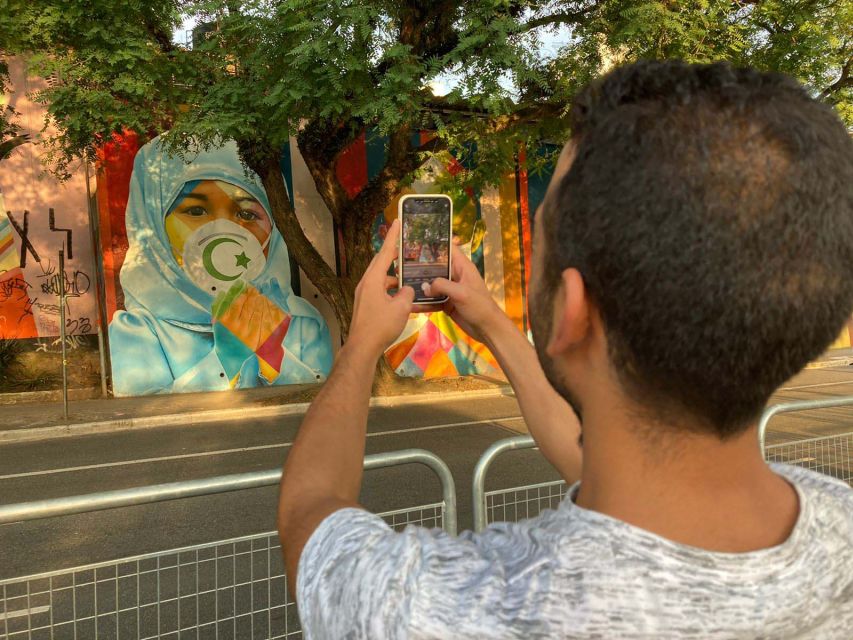
This is ideal if you want a street art experience with structure. You’ll get the big alley stops, but also the city context: Paulista culture and MASP on one end, Ibirapuera Park’s institutions on the other.
It’s also a good choice if you enjoy learning from guides who connect culture and history to what you’re seeing. One guide experience highlighted that the conversation went beyond street art and into how the city and country fit together, which is exactly the kind of framing that makes street art feel more personal.
It’s less suitable if:
- you’re bringing kids under 13 (the tour is not suitable for them)
- you don’t feel comfortable riding a bike for a few hours
- you prefer museum-only experiences and don’t care about street-level public art
Practical tips to make the ride feel smooth
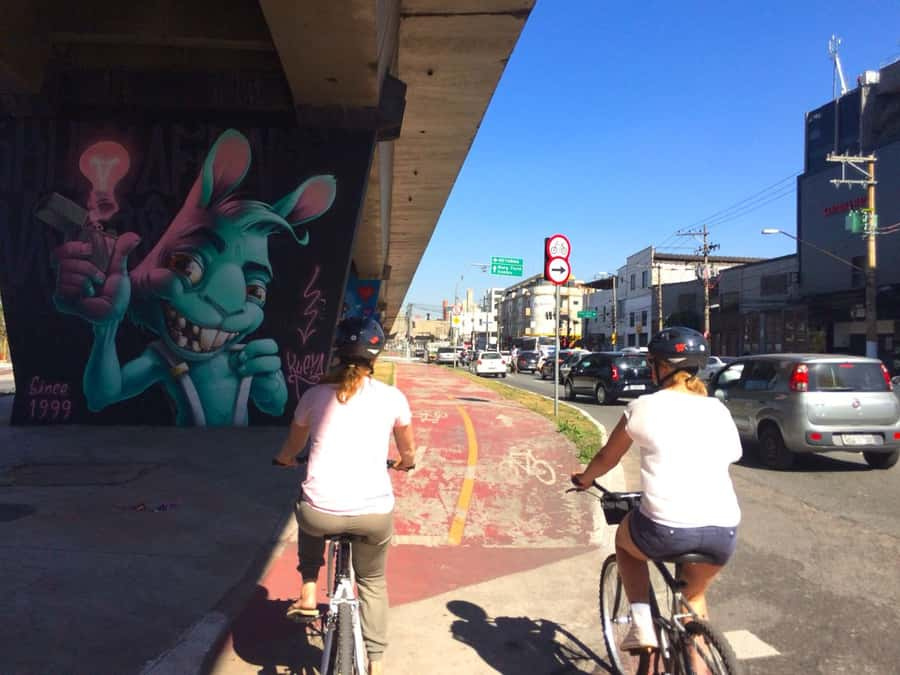
You’ll be moving through multiple neighborhoods, so your best move is to show up ready to ride and look. Wear comfortable clothing and plan on a day where you’ll stop frequently to see walls and viewpoints. Since the tour includes a raincoat, you don’t need to panic about light rain, but you should still expect weather changes in a city like São Paulo.
Also, pack a small mindset shift: street art is different from museum art. Museum pieces ask you to read from labels and galleries. Street art asks you to notice surroundings—how the art fits into the street, how people move past it, and how the wall itself becomes part of the composition.
Finally, lean on the guide during the alley time. If a guide named Arthur (or another English, Portuguese, or Spanish-speaking guide) is doing a great job, ask questions in plain terms: who’s painting, why here, and what the messaging is trying to do. That’s where the tour turns from sightseeing into understanding.
Should you book the São Paulo Street Art Bike Tour?
I’d book it if you want a single, organized day that connects street art on real walls with São Paulo’s larger cultural picture. The route is built to make comparisons: museum-level art and modernist architecture early, then neighborhood graffiti later, then a park ending that brings in museum culture again.
Skip it if you hate bikes or you only want indoor museum time. The tour is designed around moving, stopping, and reading art as you go.
If your main goal is to connect with São Paulo fast—through the places people actually walk, paint, and gather—this tour is a strong pick.
FAQ
How long is the São Paulo street art bike tour?
The tour duration is 210 minutes (about 3.5 hours).
Where does the tour meet, and how do I get there by metro?
You meet at Portinha 183 Café at R. França Pinto, 183. It’s near the Vila Mariana and Ana Rosa metro stations (Green Line and Blue Line).
What’s included in the ticket price?
The price includes bike rental, a helmet, a water bottle, and a raincoat if needed. It also includes a professional bike tour guide, a special souvenir, and iced mate tea after the tour.
Is this a small-group tour?
Yes. The group is limited to 10 participants.
What languages are the guides available in?
The tour guide is available in Portuguese, English, and Spanish.
Is the tour suitable for children?
No. It is not suitable for children under 13.
Can I cancel for a full refund?
Yes. You can cancel up to 24 hours in advance for a full refund.
Do I have to pay when I book?
You can reserve now and pay later, keeping your travel plans flexible.