REVIEW · SAO PAULO
Street Art and Park Bike Tour
Book on Viator →Operated by Urban Bike SP · Bookable on Viator
Pedal past São Paulo’s street-art stories. This Street Art and Park Bike Tour links world-class murals to real neighborhoods, with time in Ibirapuera Park, Batman Alley, and cultural stops built around African heritage and urban change. You cover a lot in about 3.5 hours without feeling like you’re racing the city.
I love the way the route makes art feel tied to place, not just something to photograph. I also like the hands-on, supportive guiding style—guides such as Roberto, Arthur, Pedro, and Lucas have been highlighted for being laid-back, helpful, and ready to adjust the pace.
One thing to plan for: São Paulo hills. The ride is safe, but you will work a bit—so pick this if you’re comfortable pedaling in a city.
In This Review
- Key highlights you should care about
- Why this São Paulo street art bike tour feels different
- Price and logistics: what $85 buys you (and what it doesn’t)
- Route basics: small group, safety focus, and real city pacing
- Starting at Parque Ibirapuera: big park energy with no wasted time
- Museu Afro Brasil: seeing African roots as a living part of Brazilian culture
- Neighborhood shift: bohemian lanes, bars, and urban-art walls
- Batman Alley: the photo stop with a story behind it
- The Minhocão Overpass: riding under a landmark you’ll remember
- Carandiru Prison ruins: when the city’s past shows up in plain sight
- Open Museum of Urban Art (MAAU) and the idea of art as public space
- Avenida Paulista and its museum stretch: culture on a major spine
- What’s included in the $85 price (food, gear, and the little things)
- Weather and comfort: the one condition you can’t skip
- Why the guide makes or breaks the day (Roberto, Arthur, Pedro, Lucas)
- Should you book this street art and park bike tour?
- FAQ
- How long is the Street Art and Park Bike Tour?
- How much does the tour cost?
- Where does the tour start?
- Is hotel pickup included?
- What is included with the tour price?
- Is the Museu Afro Brasil admission included?
- How long do you spend at Parque Ibirapuera?
- How long do you spend at Batman Alley?
- What happens if the weather is bad?
- Is this tour for everyone?
Key highlights you should care about
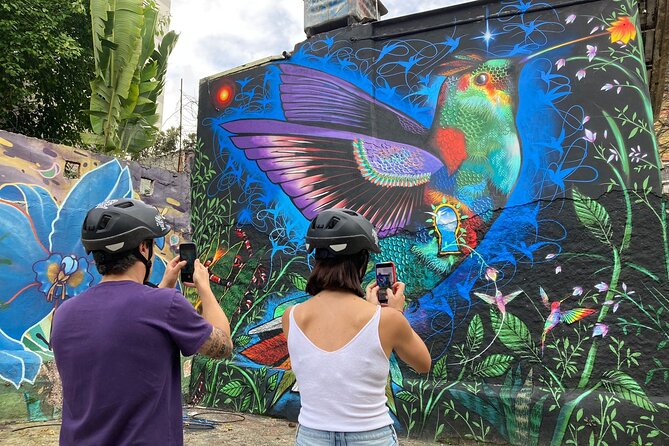
- Bike through São Paulo street art with stops that feel like open-air galleries
- Under the Minhocão Overpass, cruised in a way that focuses on safety
- Open Museum of Urban Art (MAAU) for murals in a bigger, urban-art context
- Batman Alley time set aside for the murals you came for
- Ibirapuera Park first, so you start with a major city icon and space to reset
- Carandiru Prison ruins visit, where the city’s past shows up in a very physical way
Why this São Paulo street art bike tour feels different
São Paulo street art isn’t one scene. It’s many scenes, stacked on top of each other—portals made of concrete, walls that act like public storytelling, and neighborhoods where art and daily life share the same sidewalk.
This tour works because it doesn’t treat murals like random decorations. You pedal from a major park into museum culture, then into bohemian lanes and urban-art zones, then toward iconic Avenida Paulista. The street art is there the whole time, but the meaning grows as your route changes.
You can also read our reviews of more tours and experiences in Sao Paulo.
Price and logistics: what $85 buys you (and what it doesn’t)
The price is $85 per person for about 3 hours 30 minutes on the bike. That’s a solid value when you add up what’s included: a bicycle, helmet, bottled water, raincoat, and a souvenir, plus coffee/tea and snacks (including iced tea and pão de queijo) and even lunch-style food with iced tea and pão de queijo. You’re not just paying for riding time—you’re paying for gear, food, and guided time.
What’s not included is hotel pickup and drop-off, so you’ll want to plan your own arrival to the meeting point. The tour ends back where it starts at R. França Pinto, 183 – Vila Mariana.
Also, not everything is always free. For example, admission for Museu Afro Brasil is listed as not included, so budget for that if your day includes that stop.
Route basics: small group, safety focus, and real city pacing
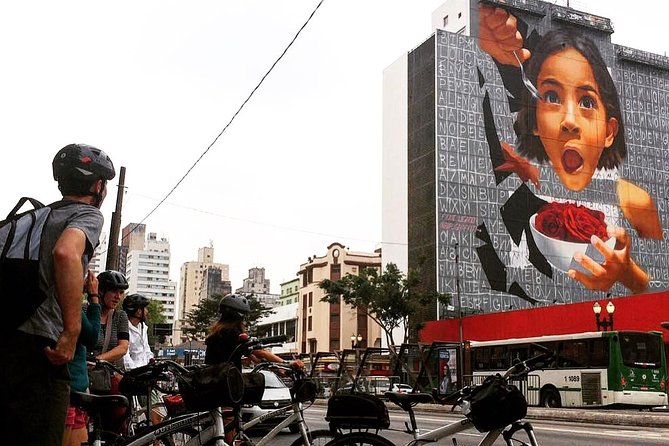
This is capped at a maximum of 10 travelers, which matters more than people think. Small groups move more smoothly through busy areas and you can actually hear the guide while you ride.
You should also know the bike tour includes hills. That’s part of the São Paulo experience, but you’ll feel it. The good news: the ride is designed around safety, including the highlight that gets riders curious fast—cruising beneath the Minhocão Overpass. You’re not doing anything reckless; you’re riding through a landmark corridor with the guide managing the route.
Expect a pace that’s active, not lazy. In the best moments, you’ll slow down for a mural, a story, or a quick pause to take photos without feeling rushed.
Starting at Parque Ibirapuera: big park energy with no wasted time
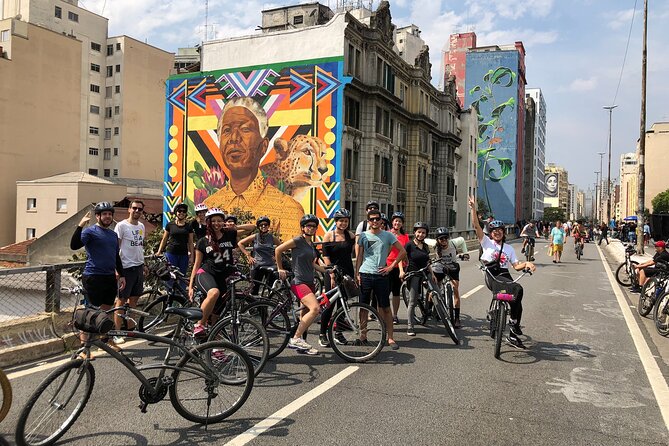
You kick things off at Parque Ibirapuera, inaugurated in 1954 to celebrate the city’s 400th anniversary. It’s São Paulo’s most well-known park and it draws huge numbers—over 14 million visits per year. Midweek is busy too, and the park is especially packed on weekends (the numbers jump dramatically on Saturday and Sunday).
Why I like starting here: it’s a reset button. Even if you’re a first-time visitor, this is the kind of place where you get oriented—trees, open space, major-city scale. It helps you shift from traffic chaos into walking pace and makes the rest of the tour feel smoother.
The stop is about one hour and the admission ticket is free. This is also the moment to decide how you’re feeling physically. If the hills later worry you, you’ll feel it more once you leave the park, so treat this hour like your warm-up and your planning checkpoint.
Museu Afro Brasil: seeing African roots as a living part of Brazilian culture
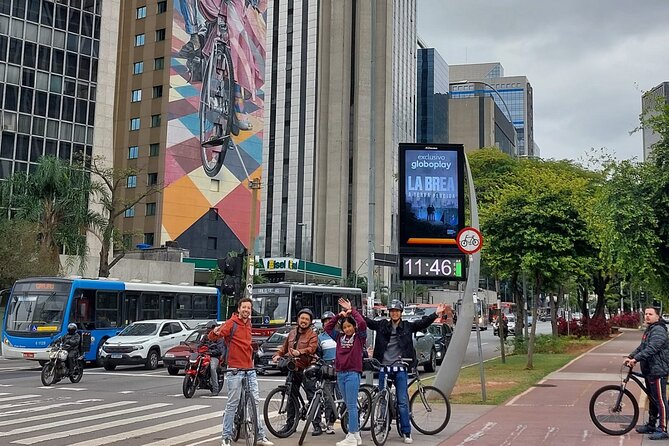
Next comes Museu Afro Brasil (Museu Afro Brasil / Afro Brazil Museum). This stop is all about recognition—African and Afro-Brazilian contributions in shaping Brazilian culture, heritage, and identity.
The museum is described as a contemporary institution, and the scale is hard to miss: over 6,000 works spanning sculptures, documents, engravings, ceramics, paintings, jewelry, photographs, textiles, and reliefs. The collection is also noted as the largest Afro–American collection in the Americas, with more than 70% presented in long-term exhibitions.
The time is short—about 20 minutes—and admission is listed as not included. That means you should go with a strategy. Pick what you most want to see: portraits and modern works, or the larger narrative across multiple countries and regions. With limited time, you’ll get more from deciding your focus than from trying to scan everything at once.
Neighborhood shift: bohemian lanes, bars, and urban-art walls
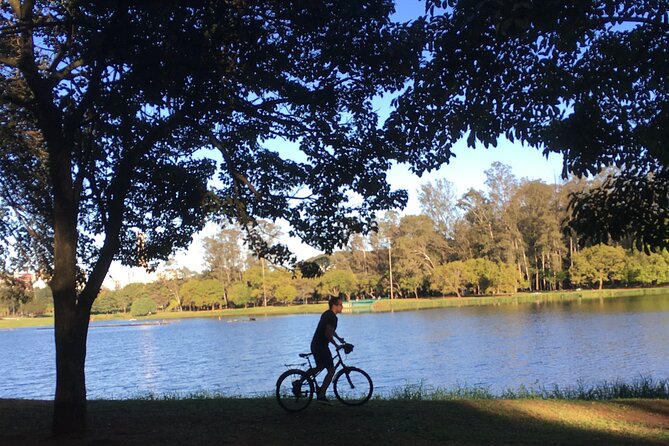
After the museum, the tour moves into the kind of São Paulo zone where you can feel the city’s creative pulse changing block by block. The itinerary points to a bohemian neighborhood, then an area full of bars and urban art, then a business-center stretch defined by modern buildings.
One named design influence you’ll hear about is Oscar Niemeyer, associated with major modern architecture in São Paulo. This part of the route matters because it shows you how street art sits next to both everyday nightlife and big-city power. Murals aren’t only in forgotten corners; they’re also in places where people work, meet, and build routines.
This is also where the Open Museum concept starts making more sense. You’re essentially riding through an outdoor gallery system where the city acts as the canvas.
Batman Alley: the photo stop with a story behind it
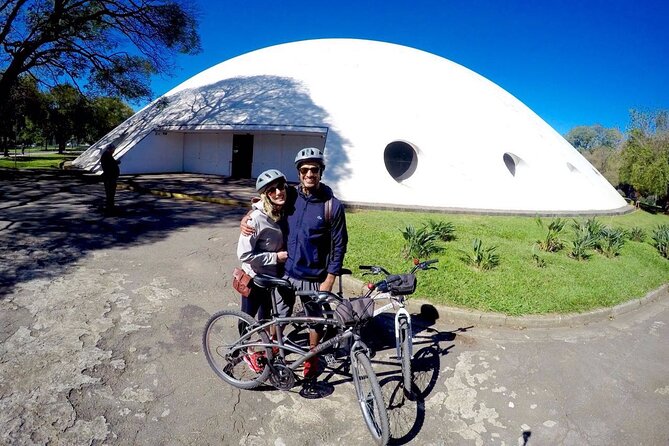
Batman Alley is one of São Paulo’s most visited urban-art spots, and you get about 20 minutes there. This is an outdoors gallery effect—murals made by notable artists from the local graffiti scene, painted directly onto walls and structures so you don’t have to picture the street art. You just see it.
The tour keeps it simple: arrive, look closely, learn what you’re looking at, and take your photos while the moment is fresh. The admission ticket for this stop is listed as free, so this is one of the easiest value wins on the day.
If you care about street art, give this stop your full attention. Stand back for a full-wall view first, then move in for the details. That rhythm helps you catch the style changes that can get lost when you only shoot quick pictures.
The Minhocão Overpass: riding under a landmark you’ll remember
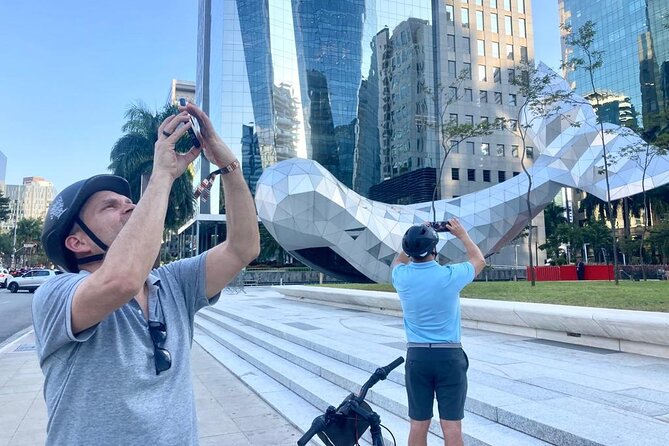
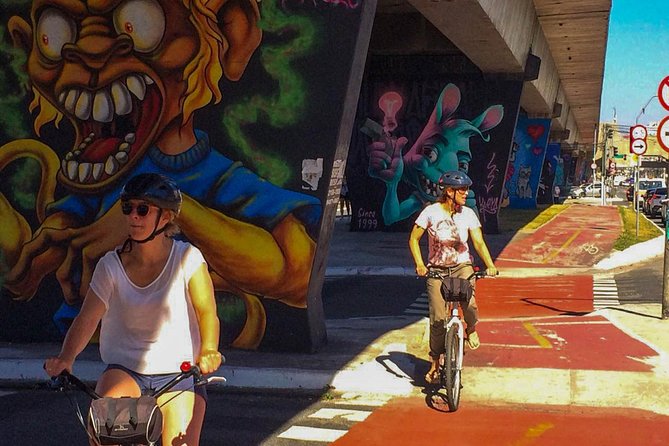
One of the signature highlights is cruising safely beneath the Minhocão Overpass. Even if you’ve never seen it before, this is the kind of structure you recognize immediately in photos—and in person it’s even more dramatic because you experience it from the street level.
Why this moment works on a bike tour: you’re not looking from a distant viewpoint. You’re moving with the city beneath the structure, which makes the overpass feel less like a random landmark and more like part of São Paulo’s daily layout. It also adds variety, so the day doesn’t become only mural stops and museum interiors.
This is also a practical safety advantage. The route is designed for bike travel, so you’re not trying to figure out crossings and busy lanes on your own.
Carandiru Prison ruins: when the city’s past shows up in plain sight
The tour also includes a visit to the torn down ruins of the infamous Carandiru Prison. This isn’t street art entertainment. It’s urban history made visible.
I like it when a street art tour doesn’t pretend the city is only walls and colors. Carandiru adds a reality check. It gives weight to what you see elsewhere, because São Paulo’s public art exists in a place with real social and historical layers.
You don’t need a long lecture to feel the contrast. You just need to pay attention to what the space means, and how it connects to why neighborhoods change over time.
Open Museum of Urban Art (MAAU) and the idea of art as public space
The itinerary highlights the Open Museum of Urban Art (MAAU). Think of this as street art turned into an outdoor museum setting—artists working within a defined urban-art approach, and visitors seeing murals as part of a cultural map.
The benefit here is clarity. Without a museum frame, street art can feel random to newcomers. With a name like MAAU, you get a sense of structure: why these pieces are there, how the art connects, and how the city supports the scene.
This is also why guides matter. A good guide helps you read street art like a language—style choices, recurring themes, and local references you might miss if you were only moving fast.
Avenida Paulista and its museum stretch: culture on a major spine
Avenida Paulista comes up as a key part of the day. It’s described as the city’s financial and cultural heart, lined with skyscrapers, museums, and shopping. The tour route includes a cluster of major cultural stops nearby, including:
- Museu de Arte Moderna de São Paulo (MAM)
- Museum of Contemporary Art, São Paulo
- Casa das Rosas
- Museu de arte de SP
- Japan House
The tour also notes how Avenida Paulista changes on Sundays, when it becomes more pedestrian- and cyclist-friendly, with artists and street activity taking over the avenue. So if your tour date lands on a Sunday, you may feel a more public, street-life atmosphere.
Keep expectations practical: you’re not going into every museum. The stop list reads like a mix of brief visits and view-based sightseeing. That’s fine. The point is to put street art and urban culture next to the city’s formal institutions—then let you decide later what you want to explore deeper.
What’s included in the $85 price (food, gear, and the little things)
Here’s what you get for the $85:
- Bicycle and helmet
- Bottled water
- Raincoat
- Souvenir
- Coffee and/or tea, plus iced tea and pão de queijo
- Food during the day: iced tea and pão de queijo listed for lunch-style time
That’s not a small add-on. Bike tours without food can feel like you’re burning energy and then hunting for snacks later. Here, you start with the basic fuel covered.
Two things to keep in mind:
- Museu Afro Brasil admission is not included, so plan for that cost.
- Hotel pickup and drop-off are not included, so get yourself to Vila Mariana (or your own ride to the meeting point) ahead of time.
Weather and comfort: the one condition you can’t skip
This experience requires good weather. The company also provides a raincoat, which is helpful, but the key point is that the tour depends on conditions staying workable.
Comfort-wise, the hills are the big factor. If you’re someone who hates steep climbs, this won’t feel like an easy sightseeing loop. If you’re comfortable with active travel and you enjoy seeing neighborhoods up close, the hills become part of the story.
I’d also suggest wearing clothes you can pedal in and comfortable shoes. You’ll spend time standing around murals, then riding again, so you want gear that handles both.
Why the guide makes or breaks the day (Roberto, Arthur, Pedro, Lucas)
This tour’s highest praise pattern is clear: the guides bring energy and context, and they’re willing to adjust.
- Roberto is described as laid back and knowledgeable, taking time to explore and making the day feel worth it even when it ran over the expected limit.
- Arthur is described as fun and positive, with history that gives meaning to what you’re seeing.
- Pedro is credited for being extremely knowledgeable and adjusting the route based on interest, helping the ride feel smooth even as you cover more ground.
- Lucas is noted for being knowledgeable about artists and São Paulo overall, especially in a private setting.
Even without a name, the takeaway for you is simple: show up ready to ask questions. When the guide answers well, the street art stops being surface and starts becoming a map of ideas.
Should you book this street art and park bike tour?
I think you should book it if you want a short, high-impact way to connect São Paulo street art with the city’s real cultural anchors: parks, museums, and landmarks like Minhocão and Carandiru.
Book it with confidence if you like bike travel, don’t mind hills, and want guided context rather than a self-guided scavenger hunt. Pass if you’re looking for a flat, purely scenic ride or if you prefer museums where you can linger for a long time—this tour is built for moving and seeing, not staying all day inside.
If you want one clear decision tip: choose this tour when you’re tight on time but still want the art to make sense. That’s where it shines.
FAQ
How long is the Street Art and Park Bike Tour?
It runs for about 3 hours 30 minutes.
How much does the tour cost?
The price is $85.00 per person.
Where does the tour start?
The meeting point is R. França Pinto, 183 – Vila Mariana, São Paulo – SP, 04016-001, Brazil.
Is hotel pickup included?
No. Hotel pickup and drop-off are not included.
What is included with the tour price?
You get a bicycle, helmet, bottled water, raincoat, a souvenir, and food/drinks including coffee and/or tea, iced tea, and pão de queijo.
Is the Museu Afro Brasil admission included?
No. Admission to Museu Afro Brasil is listed as not included.
How long do you spend at Parque Ibirapuera?
You have about 1 hour at Parque Ibirapuera.
How long do you spend at Batman Alley?
You have about 20 minutes at Batman Alley.
What happens if the weather is bad?
The tour requires good weather. If it’s canceled due to poor weather, you’ll be offered a different date or a full refund.
Is this tour for everyone?
It says most travelers can participate, and it has a maximum group size of 10. The ride includes hills, so fitness for uphill cycling is a consideration.