REVIEW · BERLIN
Berlin City Bike Tour with Beer Garden Stop
Book on Viator →Operated by Fat Tire Tours - Berlin · Bookable on Viator
Berlin has a way of teaching you its past. This Berlin City Bike Tour with Beer Garden Stop strings together Cold War turning points, Nazi-era sites, and today’s politics with a ride that’s mostly on bike lanes.
What I like most is the small group size (max 15), which means the guide can keep watch, answer questions, and build a clear story instead of shouting over a crowd. I also love the mix of stops: the tour hits big photo magnets like Brandenburg Gate and the Reichstag, then slows down for places that explain how Berlin got from then to now.
One consideration: parts of the tour focus on heavy subject matter (book burnings, Nazi terror sites, Holocaust memorial). If you want a lighter, purely sightseeing day, you may find it emotionally intense even though the pacing stays manageable.
In This Review
- Key things to know before you ride
- Meeting at Alexanderplatz: the TV Tower, the bike fit, and your quick reset
- Why the ride feels easy: flat streets, long bike-lane stretches
- How the guide turns landmarks into a timeline
- Brandenburg Gate to Checkpoint Charlie: the Cold War highlights that matter
- Museum Island, Bebelplatz, and Gendarmenmarkt: culture with sharp edges
- Soviet memorials, Holocaust memorials, and Topography of Terror
- Reichstag exterior views and the politics you can actually picture
- Berlin Cathedral area stops: Berliner Dom and St. Hedwig from the outside
- Parks, monuments, and the city’s skyline lessons
- Zollpackhof beer garden lunch: a local-style break, with food on your dime
- The long middle-to-late route: fountains, town halls, and opera stops
- The kind of fun facts that make it stick
- Price and what $83.44 really buys you
- Who should book this bike-and-beer-garden day
- Should you book this Berlin City Bike Tour with Beer Garden Stop?
- FAQ
- Where does the tour start and end?
- Is the tour offered in English?
- What’s included, and what do I need to pay for separately?
- Is there a lunch stop, and is it included?
- How much of the tour is on bike paths?
- What happens if I need to cancel?
Key things to know before you ride
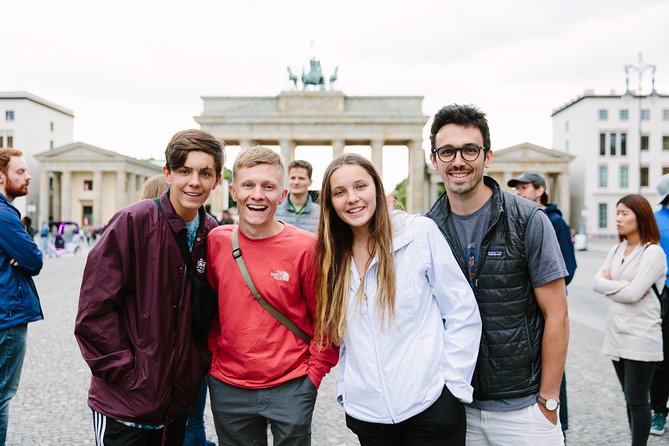
- Mostly car-free biking: over 95% is on bike paths and through parks, and Berlin is notably flat.
- Helmet + bike included: you start with a city cruiser bike and a helmet fitted on-site.
- Start and finish at Alexanderplatz: easy to reach, with the TV Tower right by the meeting point.
- History explained in sequence: Cold War crossings, Nazi-era sites, and modern government buildings are connected by your guide’s narration.
- Beer garden lunch break: at Zollpackhof you get a 45-minute stop, but food and drinks are own expense.
Meeting at Alexanderplatz: the TV Tower, the bike fit, and your quick reset
You’ll meet at Panoramastraße 1a, right by the base of the TV Tower on the north side of Alexanderplatz. This matters because Alexanderplatz is a major transit hub, so you can arrive easily and you don’t burn your morning figuring out how to get there.
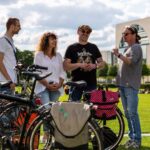
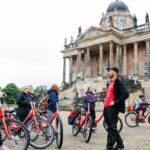
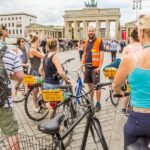
Before you roll out, you check in at the office. You can also use the bathroom and buy drinks if you need a warm-up cup of something. Then it’s bike fitting: you’ll get a city cruiser bike and a helmet. That setup step helps because the ride depends on you being comfortable and stable right from the start.
You can also read our reviews of more tours and experiences in Berlin.
Why the ride feels easy: flat streets, long bike-lane stretches
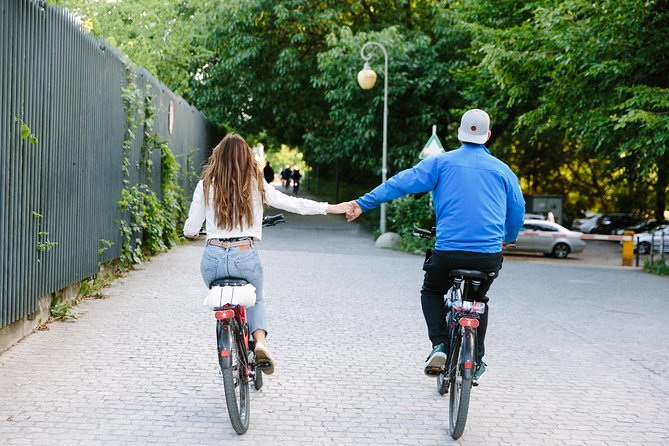
Berlin is one of those cities where cycling can feel surprisingly smooth. This tour takes advantage of dedicated bike infrastructure, keeping you on paths and through parks for the vast majority of the time. In plain terms: you’re not doing a stop-and-go pedestrian grind for five and a half hours.
You’ll also get frequent, short breaks for photos and explanations. So even if you’re not a daily cyclist, you get a steady rhythm: pedal, pause, learn, pedal again. Your guide is the traffic translator too, helping you stay together and handle turns without turning the day into a navigation contest.
How the guide turns landmarks into a timeline
The core value here isn’t just that you see famous places. It’s that the tour builds a readable narrative of Berlin’s past—and it keeps tying it to what you see standing there today. That story-based pacing is what makes the big sites land with more meaning.
I’ve heard several guides described as high-energy storytellers who keep the group engaged. Names that show up again and again in guest comments include Marco and Yaela—both credited with explaining Berlin in a way that feels clear and alive. Other names mentioned include Alba, Thor, Rhys, Nick, Carlo, Simon, and Binti. Even with different personalities, the structure stays similar: each stop is a chapter, and you move on before the day drifts.
Brandenburg Gate to Checkpoint Charlie: the Cold War highlights that matter
The tour starts rolling from Alexanderplatz and works you through some of Berlin’s most recognizable zones. One early highlight is the ride by Potsdamer Platz—that dramatic central intersection where old and new Berlin collide. You get a feel for how the city moves now, before you look backward.
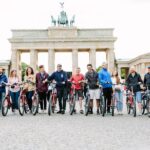
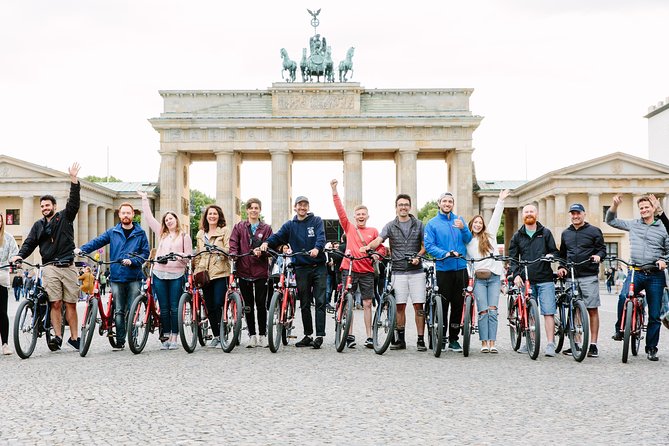
Then you hit Brandenburg Gate for pictures and explanation. It’s more than a monument. Your guide frames it as a symbol of division during the Cold War, and then as something national that points to peace and unity. That shift is what helps the Gate make sense beyond postcard value.
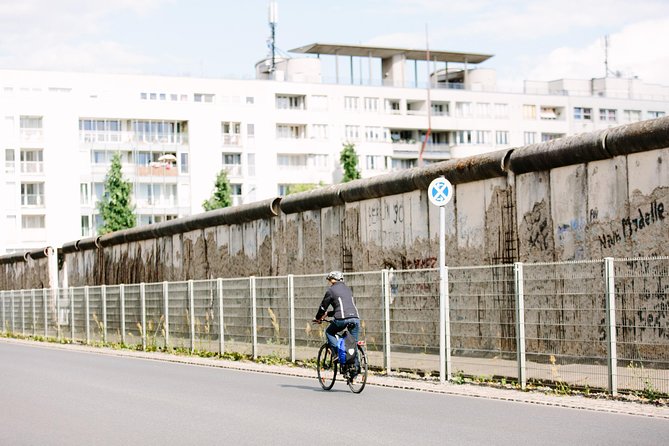
Next comes the Checkpoint Charlie stop. This is the best-known crossing point between East and West Berlin during the Cold War, so it’s a clear anchor for the story. You’ll pause for photos and an explanation that helps you understand what that location represented at the time.
Museum Island, Bebelplatz, and Gendarmenmarkt: culture with sharp edges
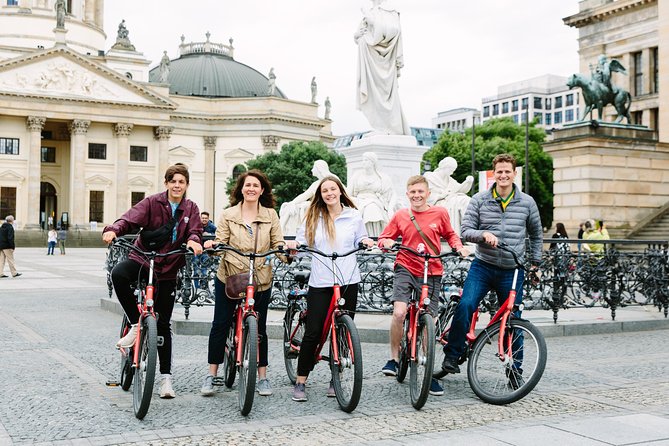
You’ll see Museum Island from the outside. It’s worth knowing you’re not going inside here; it’s a visual orientation stop that sets up what you might explore later on your own if you want museums beyond this tour. The guide connects the area to the broader civic identity of Berlin.
You then stop at Bebelplatz, where Nazis staged infamous book burnings. This is one of the tour’s emotional moments. Even though you’re outside and moving on quickly, the guide’s explanation is the point: it shows how culture and control were linked. If you’re sensitive to that theme, plan to give yourself a little breathing room afterward.
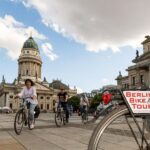
After that, you’ll be at Gendarmenmarkt, with the two cathedrals—German and French—making a striking composition. Here the tone shifts. The guide gives you the story behind what you’re looking at, but the vibe is lighter: architecture, symmetry, and that classic Berlin photo scene.
Soviet memorials, Holocaust memorials, and Topography of Terror
This tour doesn’t shy away from the darkest chapters. It does it through targeted stops where explanations are part of what you’re paying for.
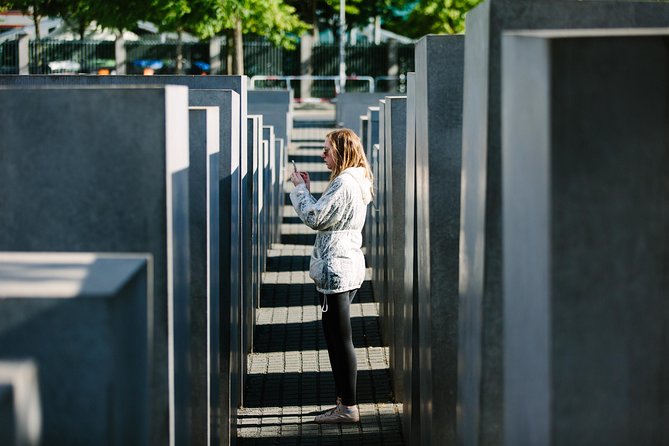
In Tiergarten Park, you’ll see the Soviet War Memorial—a reminder that Berlin’s story includes not just Nazi control, but also the aftermath and the shifting power lines of Europe. Then you get to the Holocaust Memorial – Memorial to the Murdered Jews of Europe. You pause for explanation and pictures, with a possible option to walk inside. Even if you only do a short walkthrough, it’s the kind of place that changes how you see the surrounding landmarks.
Another key stop is Topography of Terror. You view the site connected to the Gestapo and SS headquarters. The guide gives you the chronology behind how the machinery of terror took over the space. Since you’re not spending hours inside, it’s a solid “orientation stop” that helps you decide if you want deeper museum time later.
Reichstag exterior views and the politics you can actually picture
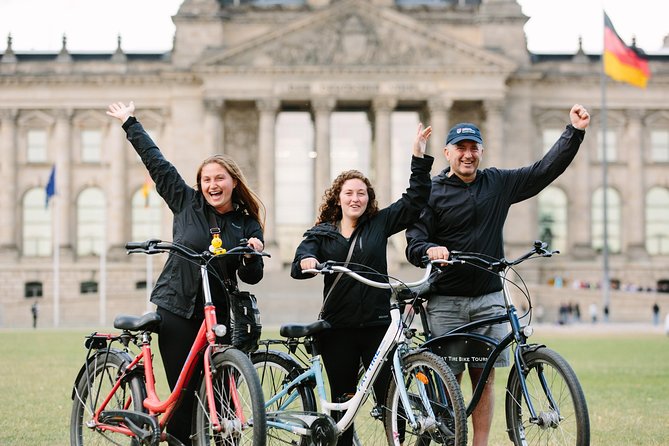
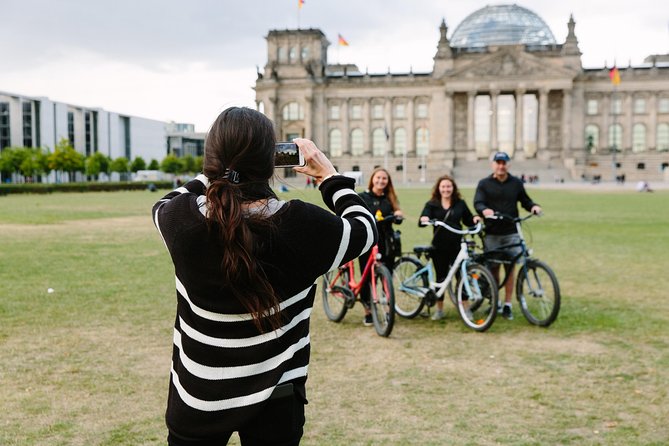
You’ll see the Reichstag Building from the outside, plus time for photos. The guide frames it as the meeting place of the German Parliament, which makes this stop feel practical rather than just scenic. When you’re standing there with your own eyes on the building, it’s easier to connect how today’s Germany functions compared to the eras you’ve been touring through.
There’s also a sequence of modern-government and power-adjacent stops later in the day: Bundeskanzleramt (you might be able to take pictures and see the office area associated with Angela Merkel), plus stops like Paul-Lobe-Haus, where parliamentarians work, and Bellevue Palace, the residence of the current German president (Frank-Walter Steinmeier). These aren’t deep museum visits. They’re visual cues, placed into a historical timeline so you grasp why these buildings matter.
Berlin Cathedral area stops: Berliner Dom and St. Hedwig from the outside
The tour includes exterior viewpoints that help you map Berlin’s religious and architectural history onto your ride. You’ll see Berliner Dom for quick photos, plus Cathedral of St. Hedwig (Domgemeinde St. Hedwig) and St. Mary’s Church.
These are short stops, but they’re useful because Berlin’s landmark density can make it hard to tell what’s what. A quick “what you’re looking at and why it’s there” explanation turns those brief moments into helpful context. If you come back later, you’ll recognize places without guessing.
Parks, monuments, and the city’s skyline lessons
Not every stop is about war or politics. You also get a sense of Berlin’s scale and layout through pauses at photo-friendly spaces.
You’ll ride through Tiergarten Park, Berlin’s largest and most popular park. It’s a big deal for cyclists because it breaks up the city intensity. You’re not just relocating from one landmark to another—you’re also getting time in open space, which keeps the day from feeling like a hard sprint.
The tour also includes exterior looks at things like the Victory Column (you’ll see it twice on this ride). The guide uses it as another lens for how power was once presented in stone and symbol. Then, later, you’ll pass through more central civic views around Museum Island and the surrounding government zone.
Zollpackhof beer garden lunch: a local-style break, with food on your dime
The beer garden stop is the sweet spot for many people, because it gives your brain a break from history heavy-lifting. Lunch is at Zollpackhof, and the stop is scheduled for 45 minutes.
Here’s the key budgeting detail: food and drinks are not included. You’ll order and pay on your own at the beer garden. Still, you’ll like this stop if you want your Berlin day to feel lived-in, not just museum-and-monument mode. Also, you’re not stuck eating in a tight tourist setup. A beer garden lunch in Berlin is a classic reset button.
The long middle-to-late route: fountains, town halls, and opera stops
As the day moves forward, the tour threads through more landmark clusters, keeping you on mostly bike paths while you pick up extra context. A few highlights include:
- Neptunbrunnen (Neptune Fountain), a quick photo moment that gives you a sense of Berlin’s decorative civic design
- Rotes Rathaus (Red Town Hall), another exterior stop made for pictures
- Humboldt University exterior views, a pause that connects Berlin to academic life
- Staatsoper Unter den Linden for exterior photos around the opera area
- Konzerthaus and the Schiller Monument, adding culture into the mix so it doesn’t all feel like power and conflict
There are also smaller embassy and building passes that work as visual “checkpoints” if you’re the type who likes to spot which country is where and then look it up later.
The kind of fun facts that make it stick
Some tours give you dates. This one also gives you details that stick in your mind. One example from the route is a stop at the Hotel Adlon Kempinski Berlin, tied to the famous Michael Jackson balcony story. It’s not a huge historical turning point, but it’s the kind of human detail that makes the surroundings feel more real.
You may also catch a stop connected to a bell tower where you might hear a free weekly concert. You’d be surprised how often that kind of small chance moment turns into a highlight because it’s something you can’t easily manufacture on your own.
Price and what $83.44 really buys you
At $83.44 per person for about 5 hours 30 minutes, this tour isn’t cheap, but it’s not vague pricing either. You’re paying for:
- a bike and helmet included (so you’re not renting equipment last-minute)
- a small group setup (max 15) that makes it easier to ask questions
- a guide-led route that covers major areas you’d struggle to connect in a single day on your own
- frequent stops for photos and explanations at key nodes across Berlin’s history
You’re also paying for time. In Berlin, cycling plus short explanation pauses can help you see a lot without the fatigue of constant walking. If you’re on a tight schedule and want a first-day orientation that still feels meaningful, the price starts to make sense.
Who should book this bike-and-beer-garden day
This tour is a strong match if you:
- want a first-time Berlin overview that covers Cold War sites, Nazi-era context, and modern government buildings
- like learning outdoors while actually moving through neighborhoods
- feel more comfortable with a guided group than trying to line up landmarks by yourself
It may be less ideal if you:
- dislike cycling in a group setting, even if the ride is designed to stay easy
- want only light sightseeing and no stops tied to Nazi terror or Holocaust commemoration
If you want the best outcome, come with decent energy. Wear layers, because Berlin weather can swing, and you’ll be biking across different park and street zones.
Should you book this Berlin City Bike Tour with Beer Garden Stop?
If you want your Berlin day to feel efficient and story-driven, I think this is an easy yes. The combination of mostly bike-path riding, major landmarks like Brandenburg Gate and Checkpoint Charlie, and the structured history stops creates a clean “map in your head.” Add the Zollpackhof beer garden lunch break and you’ve got the mix of learning and relaxation that makes a long day work.
If you’re emotionally sensitive to reminders of genocide and Nazi persecution, just go in with eyes open. The pacing gives you room to absorb, but it’s still a heavy theme.
FAQ
Where does the tour start and end?
The tour starts at Panoramastraße 1a, directly by the base of the TV Tower on the north side of Alexanderplatz. It ends back at Alexanderplatz at the same meeting point.
Is the tour offered in English?
Yes. The tour is offered in English, and you’ll use a mobile ticket.
What’s included, and what do I need to pay for separately?
Your price includes a new city cruiser bicycle and a helmet. Food and drinks are not included, including during the beer garden lunch stop.
Is there a lunch stop, and is it included?
There is a beer garden lunch stop at Zollpackhof with about 45 minutes for lunch. The tour provides the stop, but the cost of food and drinks is own expense.
How much of the tour is on bike paths?
More than 95% of the tour takes place on bike paths and through parks, and Berlin is quite flat for cycling.
What happens if I need to cancel?
You can cancel for a full refund if you cancel at least 24 hours before the experience starts. If you cancel less than 24 hours before, the amount you paid is not refunded.